Archery Gear for Washington’s Wet Westside
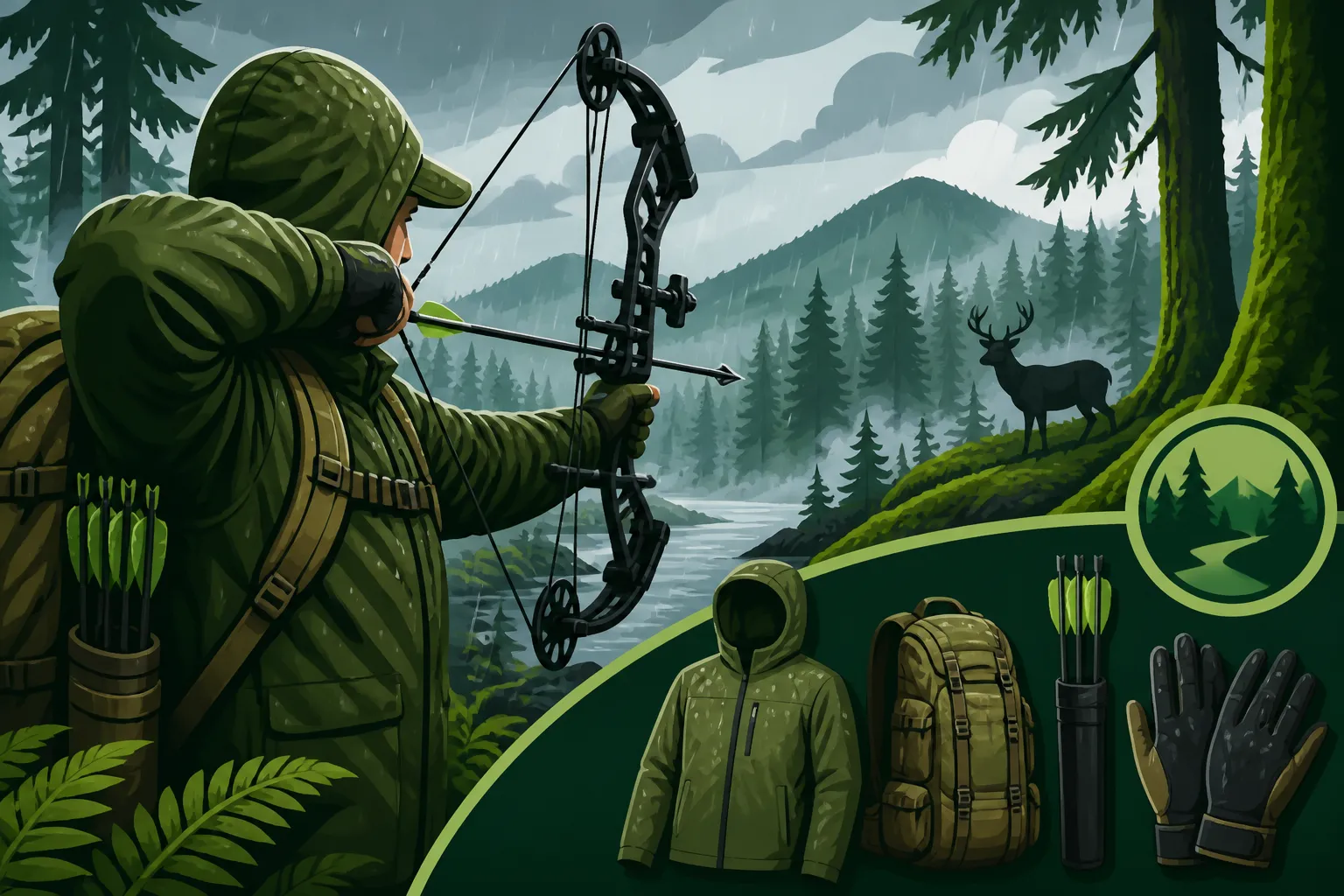
One of the biggest hurdles many archery hunters face when heading out on Washington's westside is the relentless, soaking wet environment. The dense, dripping forests, constant rain, and high humidity aren't just inconvenient; they can severely impact your gear's performance and, by extension, your hunt. This guide is dedicated to helping you understand what specialized archery gear you'll need to not only survive but thrive in the verdant, challenging landscape of Western Washington, ensuring your equipment stands up to the task.
Understanding the Westside Challenge
Hunting Western Washington with archery equipment is a truly unique experience, one that quickly separates the prepared from the perpetually damp. This isn't your dry, open country mule deer hunt. Here, you're often submerged in a temperate rainforest, a landscape defined by towering evergreens, thick underbrush, and persistent moisture. Understanding these conditions is the first step in selecting the right gear.
The Ever-Present Moisture
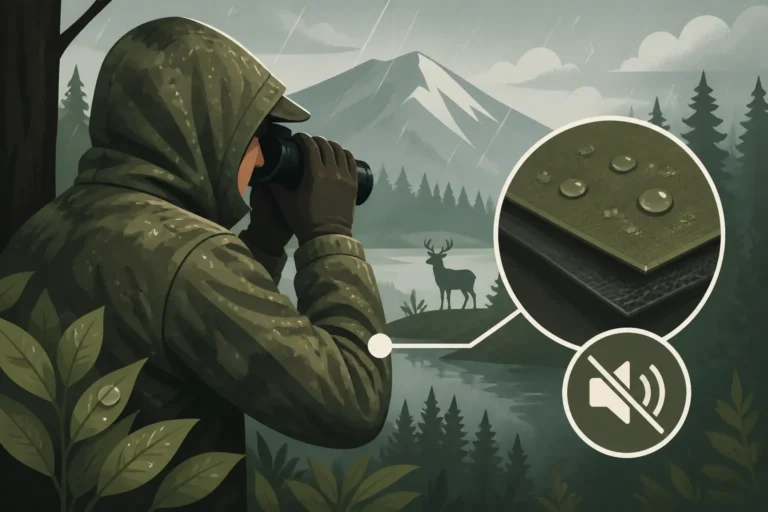
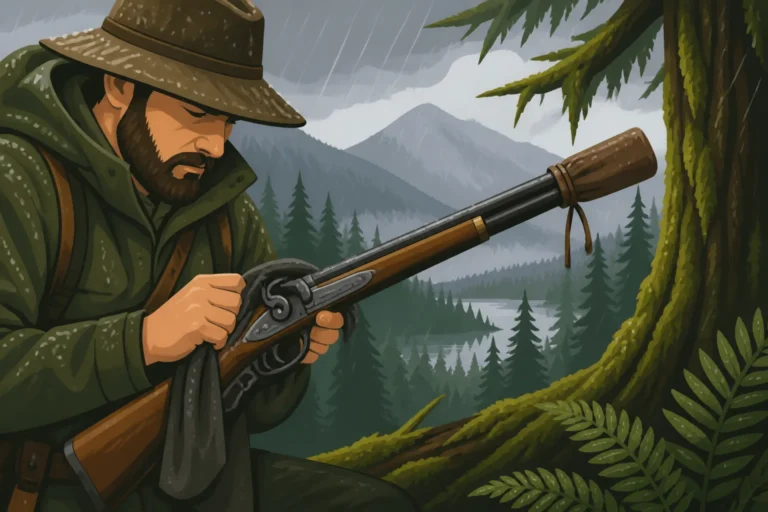
It's not just the rain, which can often feel like it's coming sideways in a thick mist that soaks everything instantly. It's the ambient humidity, the dripping trees, the dew-laden brush you're constantly pushing through. Your gear needs to withstand constant saturation. Metal parts on your bow can rust, strings can stretch, optics can fog, and electronics can short out if not adequately protected. Imagine climbing a steep, mossy ridge for an hour, your breath misting in the cool air, and then pausing to call. Everything is damp, from the fletching on your arrows to the grip of your bow. This isn't just about comfort; it's about your equipment's reliability when that shot opportunity finally presents itself. Your bowstring, for instance, can lose its integrity if it absorbs too much water, leading to inconsistent arrow flight or even premature wear. Archery Practice for Wet Coastal Conditions goes into detail on how to prepare yourself and your gear for these specific situations.
Thick Timber and Steep Terrain
Western Washington is a land of vertical challenges and impenetrable green walls. You'll find yourself navigating steep clearcuts reclaimed by dense reprod, pushing through salal and devil's club so thick you can barely see your boots, and still-hunting through ancient, dark timber where visibility can be limited to mere yards. This terrain demands durable gear that won't snag, break, or add unnecessary weight. A bulky bow or accessories can be a hindrance when you're trying to slip silently through dense cover. Your pack needs to handle both the weight of your essentials and, hopefully, a heavy load of meat on the way out, all while conforming to your body as you traverse uneven ground. This means your arrows and broadheads need to be tough enough to penetrate brush, but also stay sharp after repeated bumps against branches.
Roosevelt Elk Behavior in Wet Forests
Roosevelt elk, the monarchs of Washington's westside, have adapted perfectly to this wet, dense environment. They are masters of stealth, using the thick cover to their advantage. They often move silently through the timber, relying on their senses to detect predators long before you see them. This means archery hunting for Roosevelt elk often boils down to close-quarters encounters, sometimes within spitting distance. Their bugles can sound muffled by the dense canopy, and pinpointing their location can be a guessing game. Your gear needs to support this style of hunting: quiet, compact, and ready for a quick, close shot. You won't be taking 60-yard shots across an open field very often here; instead, be prepared for 20-30 yard shots through gaps in the trees. Knowing Roosevelt Bulls and Why They Bugle Less can give you an edge in locating them.
The Bow Itself: Built for Battle
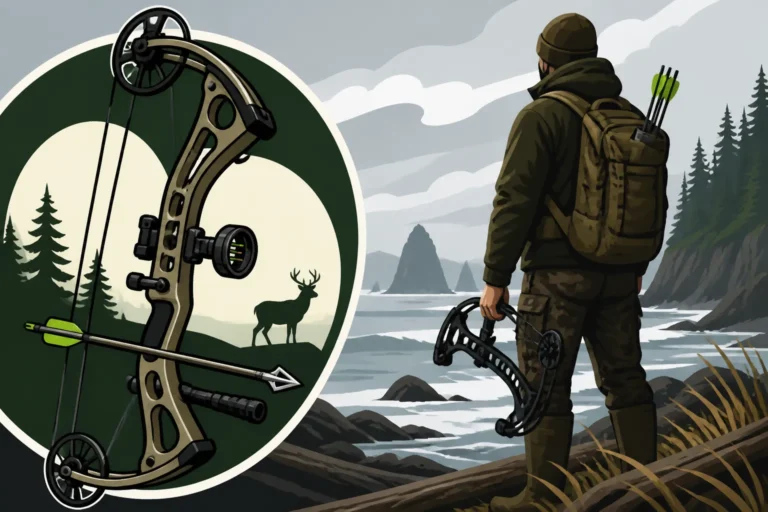
Your bow is the heart of your archery setup, and on Washington's westside, it needs to be tough, reliable, and resistant to the elements. Not all bows are created equal when it comes to standing up to constant moisture and the inevitable bumps and scrapes of dense timber.
Material Choices and Durability
When selecting a bow for the wet westside, pay close attention to its construction. Many modern compound bows feature aluminum risers, which are naturally corrosion-resistant. However, the finish applied to the aluminum is crucial. A durable, anodized or powder-coated finish will offer far better protection against scratches and moisture than a simple painted finish that can chip and expose bare metal. Limbs, often made from composite materials, are generally robust, but ensure their finish is equally resilient.
Perhaps most critically, consider your bowstring and cables. Standard synthetic strings can absorb moisture, leading to stretching, peep rotation, and a decrease in arrow speed and consistency. Look for strings made with materials designed for low stretch and water resistance, or consider aftermarket strings from reputable manufacturers known for their quality in harsh conditions. Some hunters even treat their strings with special wax or silicone sprays to further repel water. A well-constructed string can make all the difference when it comes to maintaining accuracy after a day in the rain.
Maintaining Your Bow in the Field
Field maintenance is paramount. While you can't prevent every drop of rain, you can minimize its impact. After a day in the field, even if it wasn't raining, wipe down your bow with a dry cloth to remove moisture and debris. Pay special attention to cams, axles, and string servings. A small bottle of light oil (like gun oil) can be applied sparingly to metal-to-metal contact points, such as axles, to prevent rust.
It's also a good idea to carry a small, waterproof bag for delicate accessories or to wrap your bow in if you get caught in a downpour and need to protect it overnight in camp. Some hunters will even carry a small brush or a can of compressed air to clear mud and fine debris from cam grooves. Remember, a clean bow is a happy bow, and a happy bow is a reliable bow when that trophy bull steps out. Keeping a Bowstring Dry on the Washington Coast offers more practical tips.
Draw Weight for Elk With a Compound Bow
Choosing the right draw weight is always a balance between power and shootability, but for Roosevelt elk in Washington's dense timber, shootability often takes precedence. While it's tempting to pull the heaviest weight you can manage, remember that a Roosevelt hunt can involve steep climbs, pushing through heavy brush, and potentially holding at full draw for an extended period as an elk maneuvers through cover.
A draw weight that allows you to comfortably and smoothly draw your bow from awkward positions, after a strenuous hike, and in cold, wet conditions, is far more effective than a higher draw weight you struggle with. For most adult hunters, a range of 60-70 pounds is ample for Roosevelt elk, especially with modern, efficient bows and proper arrow/broadhead selection. Focus on consistent, repeatable accuracy rather than maximum speed. You need to be able to make that shot quickly and quietly when the opportunity arises, not fumble with a bow that's too heavy for your fatigued muscles. The Draw Weight for Elk With a Compound Bow article delves deeper into this important decision.
Arrows and Broadheads: The Business End
Your arrows and broadheads are what ultimately do the job, and they need to be robust enough to perform flawlessly under the challenging conditions of Washington's westside, from wet fletching to penetrating thick hides.
Arrow Construction for Wet Conditions
When it comes to arrows for the westside, carbon is king. It's incredibly durable, maintains its spine consistency in varying temperatures and humidity, and doesn't warp like aluminum can if dinged. Fletching, however, is where things get interesting. Traditional feathers can become matted and lose their stability in heavy rain, leading to erratic arrow flight. While some hunters still prefer feathers for their forgiveness in contact with brush, many westside archers opt for durable plastic vanes.
Look for vanes designed with a slightly stiffer profile that maintain their shape even when wet. Helical fletching can help stabilize the arrow quickly, even if the vanes are a bit damp. Nocks should be securely seated and durable. Some hunters will even apply a light coat of water-repellent spray to their fletching before a hunt, ensuring they shed water more effectively. Always carry a few spare arrows or components for field repairs, because a bent arrow or torn vane can ruin a hunt.
Washington's Seven-Eighths Inch Broadhead Rule
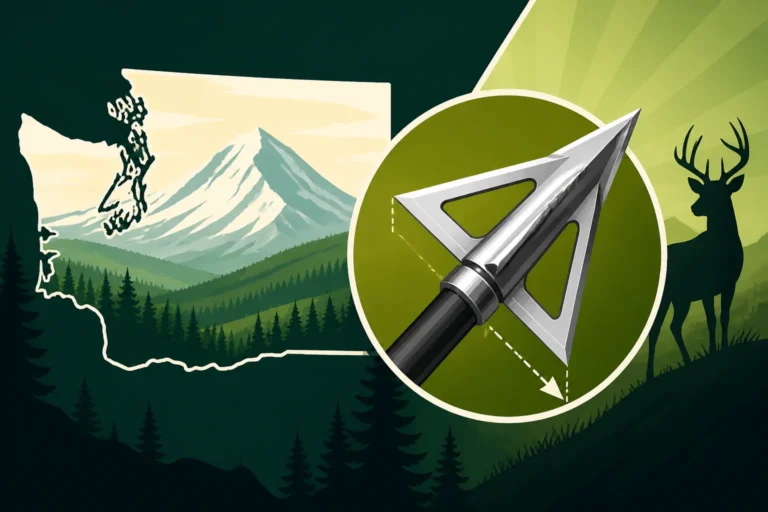
Washington has specific regulations concerning broadheads, and it's crucial to be aware of them. For big game, your broadhead must have at least two sharp cutting edges and a minimum cutting width of seven-eighths of an inch. This rule is designed to ensure quick, humane kills by promoting sufficient wound channels.
Before you even think about hitting the woods, double-check that your chosen broadhead meets this specification. It’s not uncommon for hunters, especially those new to Washington, to overlook this detail. Violating equipment regulations can lead to fines and even loss of hunting privileges. Always review the current hunting regulations pamphlet (easily accessible on the WDFW website) before the season starts. This simple check can save you a lot of headache and ensure you're hunting ethically and legally.
Mechanical Versus Fixed Broadheads in Washington
This is a hotly debated topic among archers, and for good reason, as both fixed and mechanical (expandable) broadheads have their place. In Washington, both are legal as long as they meet the seven-eighths inch minimum cutting width rule and have two sharp cutting edges.
For the westside's dense timber, many experienced hunters lean towards fixed-blade broadheads. Their robust, unchanging design means there's nothing to deploy or potentially malfunction if you nick a twig on the way to the target. They are generally known for superior penetration, which can be critical for punching through the heavy bone and muscle of a large Roosevelt elk. However, fixed blades require meticulous tuning with your bow to achieve consistent flight.
Mechanical broadheads offer field-point accuracy and wider cutting diameters upon impact, which can create a devastating wound channel. The downside in dense cover is the slight chance of blades deploying prematurely if they contact brush, or a less robust design potentially failing to penetrate heavy bone. If you choose mechanicals, opt for designs known for their durability and reliable deployment, and ensure they are tested thoroughly with your setup. Either way, Are Mechanical Broadheads Legal in Washington? offers more detail on the regulations.
Arrow Weight Minimum for Washington Big Game
Washington also sets a minimum arrow weight for big game, requiring a total arrow and broadhead weight of at least 350 grains. This rule, like the broadhead cutting width, is in place to ensure sufficient kinetic energy for a humane kill. An arrow that is too light might fly fast, but it won't carry enough momentum to penetrate adequately, especially through tough hide and bone.
When building or buying your arrows, make sure to weigh them fully assembled with your chosen broadhead. Most arrow manufacturers list the weight per inch, and broadhead weights are also standard. Factor in the weight of your fletching, nock, and insert to get the total. Achieving this minimum weight isn't difficult with most modern carbon arrows and standard broadheads. However, it's an important check to make to stay legal and ensure your setup is truly capable of harvesting a Washington elk. The goal is always a clean, ethical kill, and sufficient arrow weight is a key part of that equation.
Optics and Sights: Clarity in the Mist
Seeing and aiming effectively in the notoriously dim and damp westside forests requires optics and sights designed for challenging conditions. Fog, rain, and low light are constant companions, and your gear needs to cut through them.
Pin Sights and Fibre Optics
When you're hunting in dark timber or during a classic Washington drizzle, light is at a premium. Your bow sight needs to provide clear, bright pins, even when the ambient light is poor. Fibre optic pins are excellent for this, gathering what little light is available and channeling it to make your pins glow. The larger the fibre optic diameter, generally, the brighter the pin, which is a huge advantage in the deep shadows where Roosevelt elk often roam.
Consider sights with multiple pins so you can effectively range targets from 20 to 50 yards, covering most typical westside archery shots. Some sights also feature a small light that can illuminate your pins in extremely low light situations – but be sure to check Washington's current regulations on lighted sights, as rules can change. Whatever sight you choose, make sure it’s robust, waterproof, and securely mounted, as any play in the sight can throw off your accuracy when you need it most.
Rangefinding in Rain and Fog
Getting an accurate range in the westside's conditions can be surprisingly difficult. Rain and fog can interfere with laser rangefinders, absorbing or scattering the laser beam and making it hard to get a precise reading. You might get "ghost" readings, or simply no reading at all on an animal through a misty veil.
For this reason, practice judging distances by eye in varying conditions. This skill is invaluable when your rangefinder struggles. When you do use a rangefinder, ensure it's a model with good optics and a strong laser, preferably one that boasts a "rain mode" or improved performance in adverse weather. Keep your rangefinder protected in a waterproof pouch or a chest harness when not in use. And always, always try to range key landmarks before an animal appears. Knowing that the mossy log is 30 yards and that gnarly cedar snag is 45 yards can give you a critical advantage when you need to make a quick decision about a shot. Rangefinding in Rain and Fog offers more specific tips for these challenging conditions.
Binocular Harness Versus Neck Strap
Your binoculars are indispensable for spotting elk sign, confirming antlers, and simply navigating the thick forest. But a traditional neck strap lets your binoculars swing, bang against your chest, and get snagged on brush. More importantly, it leaves them exposed to rain and mud.
A quality binocular harness is a game-changer for westside hunting. It keeps your binoculars secure against your chest, preventing them from bouncing around, and distributes the weight more evenly, making them feel lighter. Many harnesses also incorporate a protective flap or case that shields your optics from rain, dirt, and branches, keeping lenses clear and dry. Brands like FHF Gear or Marsupial Gear offer excellent designs that integrate seamlessly with your pack and layering system. This small investment can greatly extend the life of your expensive optics and ensure they are ready when you need them.
Clothing and Layering: Staying Dry and Stealthy
Perhaps no category of gear is more critical for success and comfort on a westside archery hunt than your clothing and layering system. Being wet and cold is a surefire way to cut a hunt short, compromise your focus, and make every step miserable.
Rain Gear That Survives a Washington Westside Season
Forget cheap ponchos or basic "water-resistant" jackets; they won't cut it. You need true, durable, waterproof rain gear that can withstand hours, if not days, of persistent rain and the abrasion of dense brush. Look for technical fabrics with a high waterproof rating (like 20,000mm or higher) and excellent breathability (like 20,000g/m²). The breathability is crucial because hiking through steep, wet terrain generates a lot of body heat and sweat, which can make you just as wet from the inside out if your gear doesn't vent effectively.
Consider a layered system: a robust rain jacket with an adjustable hood that moves with your head, and equally durable rain pants with full-length zippers for easy on/off over boots. Pay attention to features like taped seams, waterproof zippers, and adjustable cuffs that prevent water from seeping in. Investing in top-tier rain gear from brands like Sitka Gear, KUIU, or OR is not a luxury; it's a necessity for hunting the westside. It's the difference between a miserable trip and a successful one.
Merino Versus Synthetic Base Layers
Your base layers are the foundation of your comfort, and choosing the right material can significantly impact how you manage moisture and temperature.
Merino wool is a phenomenal natural fiber for hunting. It's incredibly soft, regulates temperature well (keeping you warm when wet and cool when hot), and, critically, retains much of its insulating properties even when damp. It also has natural antimicrobial properties, meaning it resists odor buildup, which is a huge bonus on multi-day hunts. The downside is that it can be slower to dry and often comes at a higher price point.
Synthetic base layers, typically made from polyester or similar materials, excel at wicking moisture away from your skin and drying quickly. They are often more durable and less expensive than merino. However, they can retain odors more readily. Many hunters find a blend of merino and synthetic offers the best of both worlds. The key is to avoid cotton at all costs; once wet, cotton stays wet, saps body heat, and takes forever to dry, making it a dangerous choice in cold, damp conditions. Merino Versus Synthetic Base Layers covers this in greater depth.
Gloves That Work When Soaked
Keeping your hands warm and functional is vital, especially when handling your bow or making quick adjustments. Many "waterproof" gloves aren't truly waterproof after a few hours in a downpour or after repeated dunkings in wet brush. They might keep the initial splash out, but eventually, they soak through.
Look for gloves that prioritize warmth and dexterity even when wet. Neoprene-backed gloves can be surprisingly effective at retaining heat even after becoming saturated. Alternatively, a layering system for your hands, similar to your body, can work well: a thin, moisture-wicking liner glove covered by a truly waterproof shell mitten or glove that you can remove when you need fine motor skills. Some hunters swear by carrying multiple pairs of gloves, cycling through them as one gets wet. The key is to avoid cotton gloves that offer no insulation when wet. For a deeper dive, check out Gloves That Work When Soaked.
Packs and Accessories: Hauling and Protecting
Your pack is more than just a bag; it's your mobile command center, carrying everything from your lunch to hopefully, large quarters of elk. On the westside, it needs to be rugged, waterproof, and comfortable for long hauls over rough terrain.
Pack Volume for a Washington Spike Camp
For a multi-day archery hunt on the westside, especially if you're planning a spike camp deep in the backcountry, you'll need a pack with substantial volume. A pack in the 4,000-6,000 cubic inch range is usually appropriate. This allows you to carry essential camping gear (tent, sleeping bag, pad, cooking system), extra layers, food for several days, water, and enough room to collapse down for day hunting.
Crucially, your pack should have an external frame or an integrated load shelf. This design allows you to securely lash quarters of an elk between the main bag and the frame, distributing the weight effectively and keeping the bloody meat separate from your dry gear. Look for packs from reputable brands like Stone Glacier, Kifaru, or Mystery Ranch, which are designed for heavy loads and extreme conditions. Remember, you're not just packing in; you're planning to pack out a lot of weight. Pack Volume for a Washington Spike Camp provides more guidance.
Rain Covers Versus Dry Bags
Protecting your gear from moisture inside your pack is just as important as protecting yourself. A pack rain cover is a good start, but it's not a foolproof solution. Rain covers can get snagged, blown off in strong winds, or simply fail to protect against water seeping in through the back panel where it presses against your body.
For critical items like electronics (GPS, phone, satellite messenger), sleeping bag, extra clothing, and first-aid kit, waterproof dry bags are essential. Use various sizes to organize your gear within your main pack. Dry bags come in different materials and closure types; roll-top dry bags are generally the most reliable for keeping water out. Even a heavy-duty trash compactor bag used as a liner inside your pack can offer an additional layer of protection. Don't underestimate the impact of wet gear on morale and safety.
Knives, Saws, and Game Bags for Meat Care
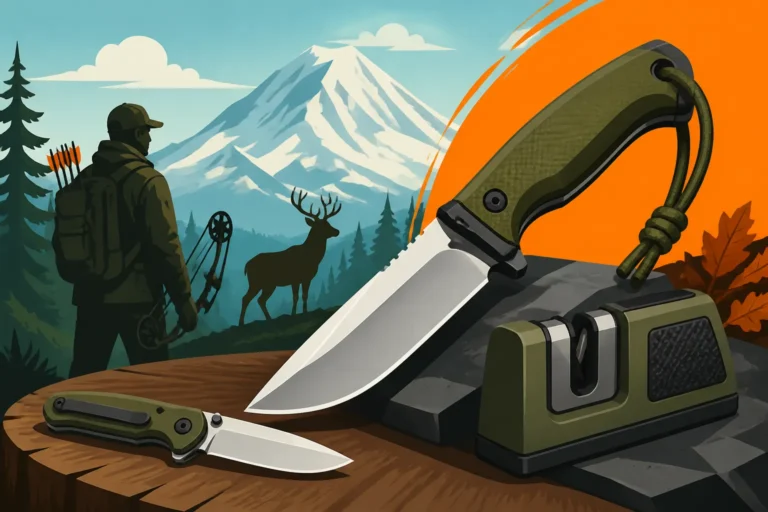
Once you've arrowed an elk, the work is just beginning, and you'll be doing it in potentially wet, muddy conditions. A good, sharp knife is paramount. Many westside hunters prefer replaceable-blade knives (like those from Havalon or Outdoor Edge) for their razor sharpness and ease of maintenance in the field; simply swap a dull blade for a fresh one. Carry extra blades. A fixed-blade knife with a sturdy handle is also a good backup for tougher tasks.
A bone saw (either a folding hand saw or a small reciprocating saw if you're packing light) can be invaluable for quartering or splitting the pelvis and sternum. For protecting your hard-earned meat, game bags are non-negotiable. Choose lightweight, breathable, synthetic game bags that allow air circulation (to cool the meat) but keep flies and debris off. Skip the cheap cotton bags; they absorb moisture, are hard to clean, and don't breathe well. Brands like TAG Bags or Alaska Game Bags are excellent choices. Ensure you have enough game bags to properly separate all quarters, backstraps, and other prime cuts. Knives and Sharpeners for Field Work has more tips.
Footwear and Gaiters: Conquering the Mud and Brush
Your feet are your foundation, especially when traversing steep, slick, and muddy terrain for days on end. The right footwear isn't just about comfort; it's about safety and endurance.
Boots for Washington's Eastside Rock and Westside Mud
While the eastside of Washington might demand stiff-soled boots for rocky, alpine terrain, the westside often calls for a different breed of boot. Here, you're dealing with constant moisture, slick mud, moss-covered logs, and dense, abrasive underbrush.
Look for waterproof boots with excellent traction, deep lugs, and a sturdy yet flexible sole that allows for good ground feel while still offering support for heavy loads. Leather boots with a Gore-Tex or similar waterproof membrane are a popular choice, as leather is durable and molds to your feet over time. However, ensure they are regularly treated with a quality waterproofing agent. All-synthetic boots are also an option, often lighter and faster-drying, but sometimes less durable over time in sharp rocky terrain. Higher ankle support is a bonus for navigating uneven ground and preventing twisted ankles when you're loaded down. Brands like Kenetrek, Crispi, or Schnee's offer excellent options.
Gaiters for Wet Brush
Gaiters are an often-overlooked but absolutely essential piece of gear for westside hunting. They bridge the gap between your boots and your rain pants, preventing water, mud, snow, and debris from entering your boots or soaking the bottom of your pants. Pushing through wet salal or devil's club without gaiters is a guaranteed recipe for soggy socks and boots.
Look for gaiters made from durable, waterproof, and breathable materials, ideally with a sturdy instep strap that can withstand abrasion and secure hooks that attach to your boot laces. A full-length zipper or hook-and-loop closure makes them easy to put on and take off. They protect your pants from wear and tear, and more importantly, they keep your feet dry, which is critical for preventing blisters and trench foot on multi-day excursions. A good pair of gaiters will feel like a second skin and save you a world of discomfort.
Breaking In Boots Before a Hunt
Never, under any circumstances, wear brand new boots on a hunting trip, especially a multi-day westside hunt. This is a rookie mistake that can lead to debilitating blisters, hot spots, and general foot misery. Your boots need to conform to your feet, and your feet need to toughen up to the boots.
Start wearing your new boots weeks, if not months, before your hunt. Wear them for daily activities, then progressively increase the duration and intensity. Go for hikes on varied terrain, mimic the elevation gains you expect on your hunt, and even wear them around the house. This process allows the boot materials to soften and flex in the right places and helps you identify any potential problem areas before you're miles deep in the backcountry. Consider adding aftermarket insoles for personalized support and cushioning. Proper boot break-in is a non-negotiable step for comfortable and successful hunting.
Essential Tools and Safety: Beyond the Shot
Beyond your primary hunting equipment, a collection of essential tools and safety gear is crucial for navigating the inherent risks of hunting in Washington's remote and rugged westside country. Preparedness isn't just smart; it's vital.
Satellite Messengers for Solo Washington Hunts
Hunting solo on the westside is an incredible experience, offering unmatched solitude and connection with nature. However, it also significantly amplifies the risks. Cell service is virtually nonexistent in most prime hunting areas, leaving you isolated in an emergency. This is where a satellite messenger (like those from Garmin inReach or Zoleo) becomes your lifeline.
These devices allow you to send and receive text messages via satellite, providing a way to check in with loved ones and, more importantly, to trigger an SOS signal with your exact GPS coordinates in a true emergency. Many models also offer basic navigation features and weather forecasts. While they require a subscription, the peace of mind and potential life-saving capability they offer are priceless. Never head into Washington's remote backcountry alone without a reliable way to communicate. Solo Hunting Safety Precautions emphasizes this point.
Headlamps for Packing Out at Night
Successfully arrowing an elk often means that the real work begins when daylight is fading. Field dressing, quartering, and beginning the pack-out frequently extend well into the night. A powerful and reliable headlamp is absolutely essential for these tasks.
Look for a headlamp with a high lumen output (at least 300-500 lumens for primary use), multiple brightness settings, and a red light option (to preserve night vision and avoid spooking animals). Rechargeable headlamps are convenient, but always carry spare batteries or a power bank. Ensure your headlamp is waterproof or highly water-resistant, as you'll likely be working in damp conditions. Having a backup headlamp or a small flashlight in your pack is also a wise precaution. Fumbling in the dark while quartering an animal is not only inefficient but dangerous.
First Aid Kit for a Remote Hunt
Accidents happen, even to the most careful hunters. A well-stocked first aid kit is an absolute non-negotiable for any remote hunt. Don't rely on a small, pre-packaged kit; customize it for your specific needs and the potential hazards of the westside.
Your kit should include supplies for cuts, scrapes, blisters, sprains, burns, and allergic reactions. Include pain relievers, anti-diarrhea medication, and any personal prescription medications. Consider items like an emergency blanket, a whistle, and a tourniquet. Knowing how to use everything in your kit is just as important as having it. Take a wilderness first aid course if you plan on extended backcountry trips. Remember, help could be hours away, so being able to self-treat minor to moderate injuries can make a huge difference. First Aid Kit for a Remote Hunt has a comprehensive list of what to include. It's a key part of your responsibility to yourself and your hunting partners. As you prepare for your hunt, many resources, including those found on GoHunt, can help you with trip planning and gear lists to ensure you're fully equipped for the diverse challenges Washington hunting presents.
Disclaimer
This article is for general informational purposes only and does not constitute professional advice. Laws, prices and regulations vary by location and change over time. Consult a qualified professional for guidance on your specific situation.