Getting Cell Service in a Washington Unit
Cell service loss in Washington hunting units and practical strategies to maintain phone connections in remote mountain terrain.
Close the distance.
Archery, muzzleloader, and firearm techniques — calling, stand placement, still-hunting, spot-and-stalk, and the weapon rules that change at the state line.
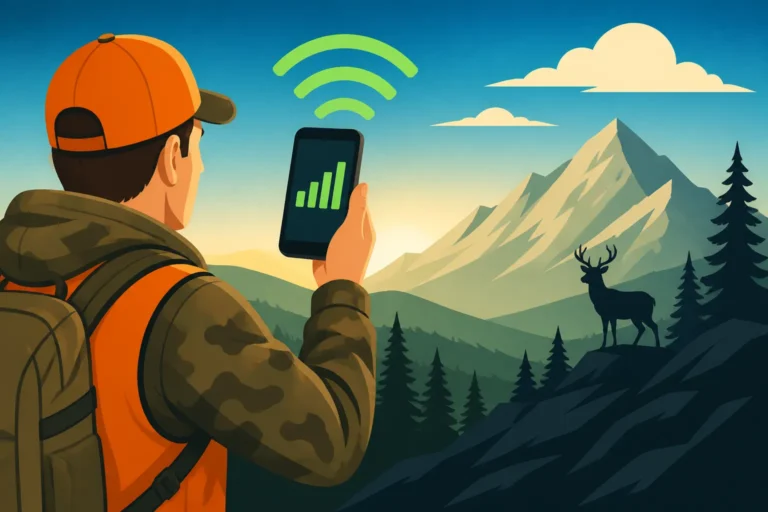
Cell service loss in Washington hunting units and practical strategies to maintain phone connections in remote mountain terrain.
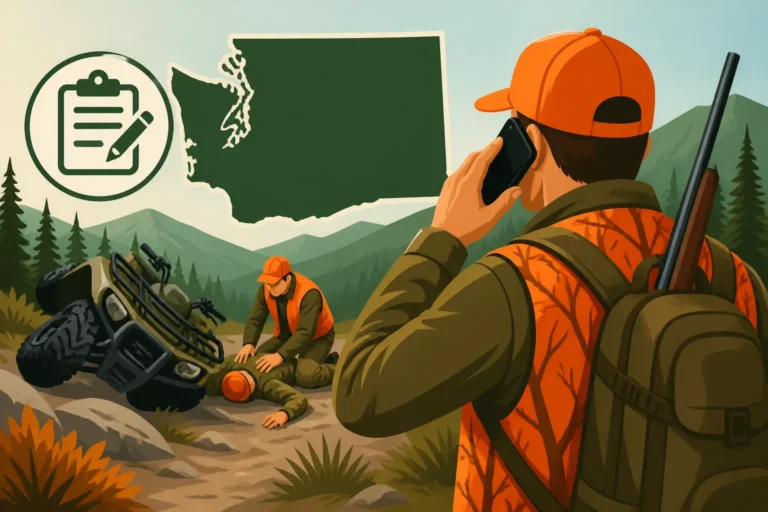
Washington Department of Fish and Wildlife standards define hunting incidents and outline proper emergency reporting procedures for the field.
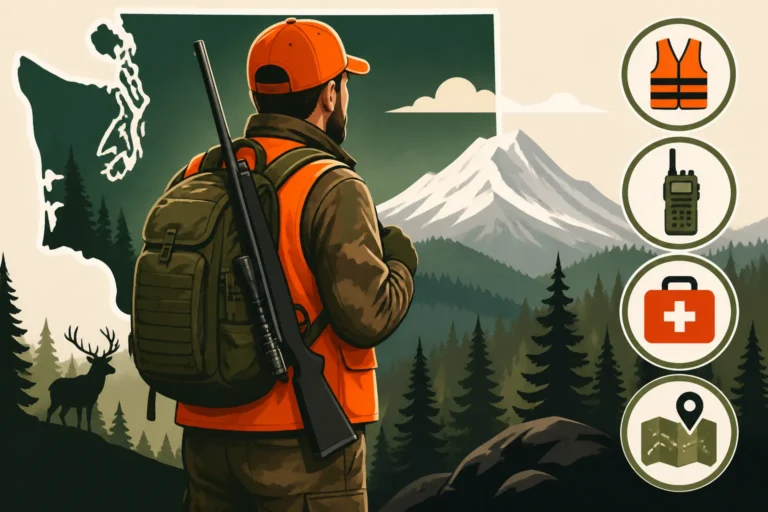
Solo hunting safety precautions in Washington State protect lone hunters through meticulous route planning and wildlife preparation.
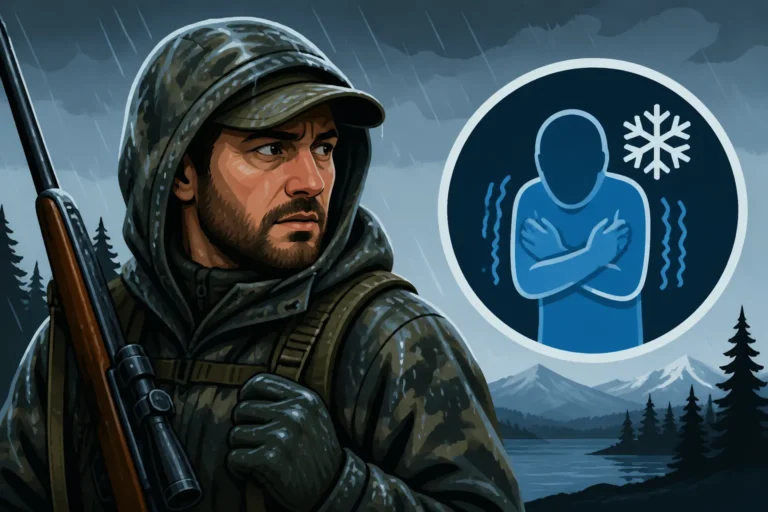
Hypothermia risks during Washington hunts explained, including body heat loss science and cold weather climate challenges.
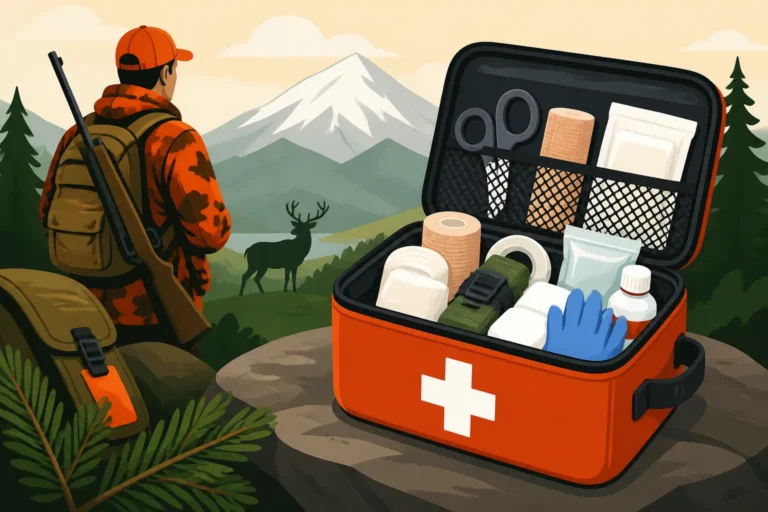
A remote Washington hunt first aid kit list explains how to build gear for treating cuts, sprains, and fractures in the backcountry.
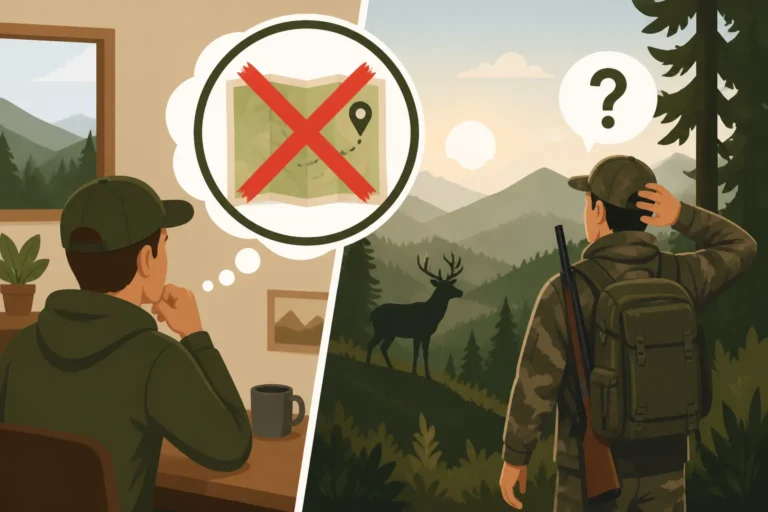
Leaving a detailed Washington hunting trip plan with emergency contacts ensures search and rescue teams know your vehicle and itinerary.
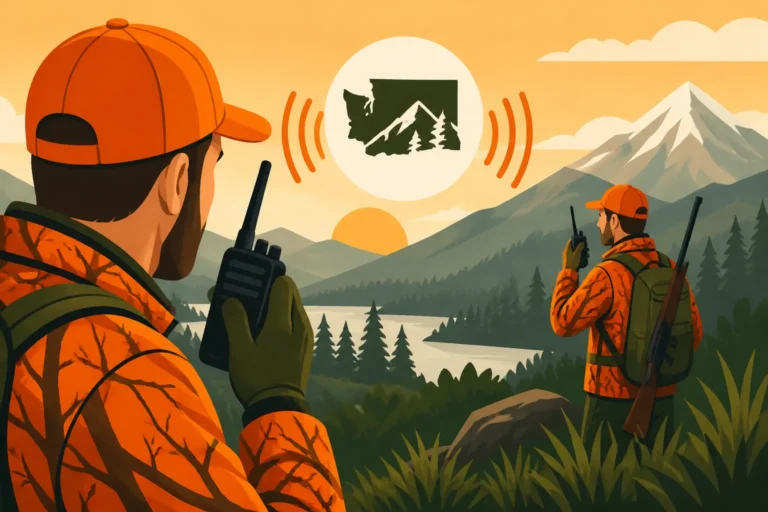
Two-way radios provide Washington hunters reliable backcountry communication when cell service fails, enhancing safety and field coordination.
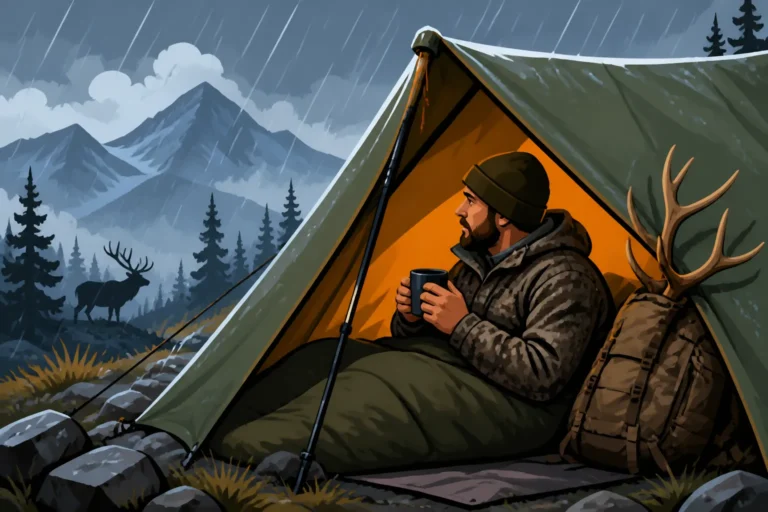
Washington spike camps and wet weather strategies prevent tent condensation and ground moisture during backcountry hunting trips.
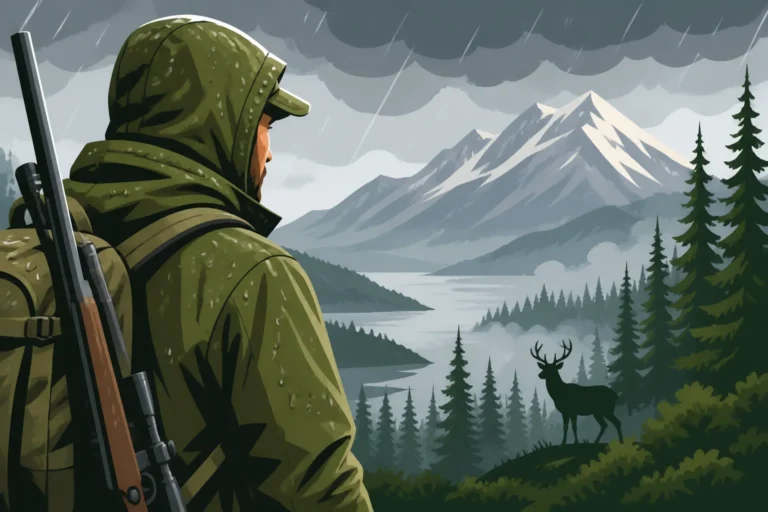
Rain gear for Washington Westside hunting helps Roosevelt Elk and Columbian Blacktail Deer hunters survive persistent moisture and dense brush.
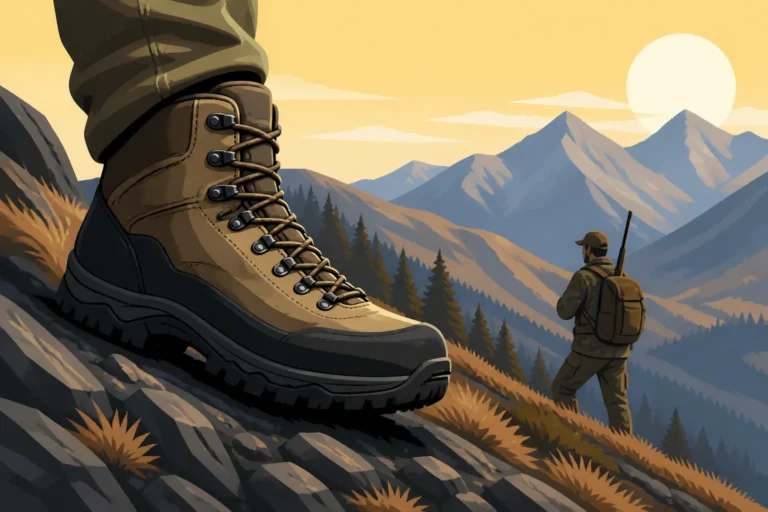
Eastern Washington hunting boots provide stability and protection for mule deer and elk hunters navigating steep basalt terrain.