Nooksack Unit High Country
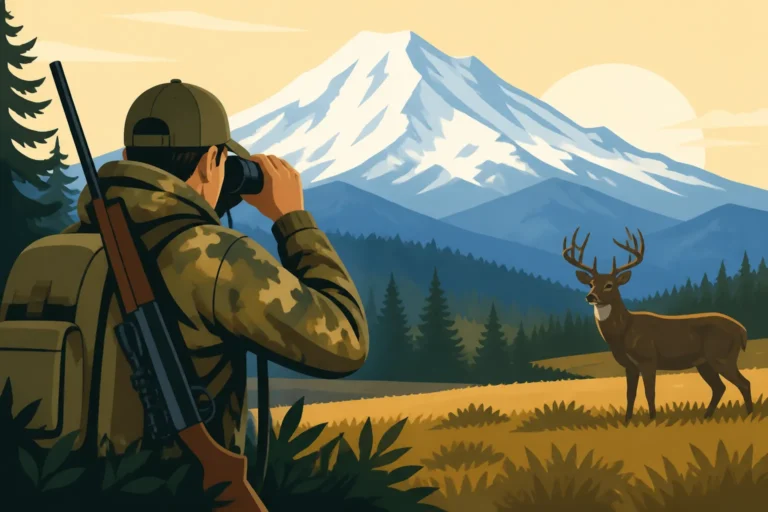
Hunting the Nooksack Unit's high country is an endeavor that truly tests a hunter's mettle, both physically and mentally. This isn't your average stroll through managed timberlands; we're talking about rugged, unforgiving terrain in Washington's North Cascades that demands thorough preparation and a deep understanding of its unique challenges. This guide is designed to help you navigate the daunting landscape of the Nooksack Unit (GMU 418), offering insights into its game, access, and the strategies you'll need to find success in its vast, beautiful wilderness.
Understanding the Nooksack Unit (GMU 418) Landscape
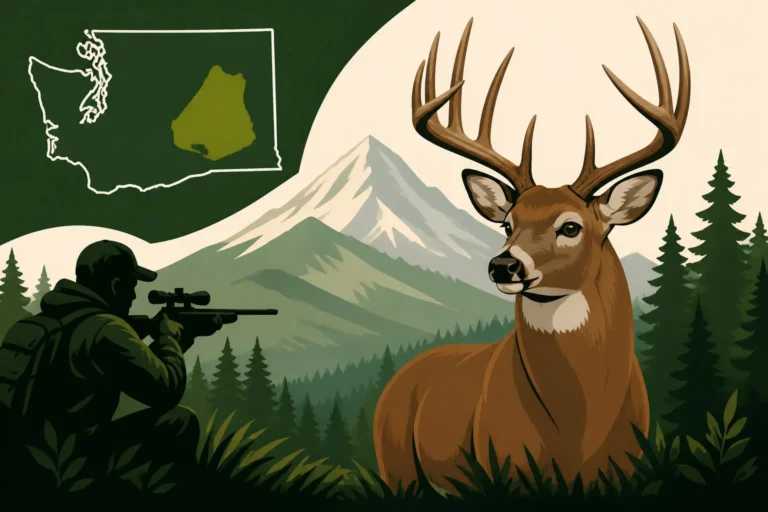
The Nooksack Unit, officially GMU 418, encompasses a significant portion of the northernmost Cascade Range in Washington, specifically surrounding the Nooksack River drainage. This is wild country, characterized by incredibly steep slopes, dense old-growth forests, alpine meadows, and craggy peaks. It’s a place where you quickly gain and lose elevation, often fighting through thick brush and navigating challenging stream crossings.
Geographical Overview and Terrain Challenges
When you look at a topo map of the Nooksack, the first thing that jumps out is the sheer number of contour lines packed tightly together. This isn't gently rolling hills; this is seriously vertical terrain. Elevations can range from lower river valleys at a few hundred feet to peaks soaring well over 6,000 feet. The lower elevations are dominated by thick, wet temperate rainforests, a mix of Douglas fir, western hemlock, and red cedar, often choked with salal, huckleberry, and devil's club that can make travel incredibly slow and noisy. As you climb, the forest transitions to more subalpine fir and mountain hemlock, eventually opening into vast, rocky alpine basins and meadows above treeline.
The challenges here are numerous. Weather can change in an instant; a sunny morning can turn into a deluge or a whiteout snowstorm by afternoon, even in early fall. The sheer density of the vegetation makes spotting game incredibly difficult and often limits visibility to mere yards. There are few established trails that penetrate deep into the most remote areas, meaning much of your travel might be off-trail, scrambling over blowdowns, and navigating by compass and GPS. Understanding this ruggedness is your first step toward effective E-Scouting Washington GMUs Before the Draw and physical preparation.
Key Access Points and Trail Systems
Access into the Nooksack high country primarily relies on a few main arteries that peel off the Mount Baker Highway (SR 542). The Glacier Creek Road provides some of the most direct routes into the higher elevations and trailheads that lead into the vast wilderness areas. Other, less maintained logging roads might offer sporadic access, but these are often gated or have been heavily washed out, requiring careful reconnaissance. It’s crucial to check local Forest Service and Washington Department of Fish and Wildlife (WDFW) resources for current road conditions and access restrictions before you ever leave home.
While there are established trailheads leading to iconic areas like Mount Baker and various lakes, don't expect these trails to be highways. Many are steep, overgrown, and can be difficult to follow, especially after heavy rains or snowmelt. Hunters often find themselves needing to leave these main trails to get into less pressured areas where game might reside. Utilizing satellite imagery on platforms like onX Hunt is absolutely invaluable here, allowing you to identify potential logging roads, ridge systems, and even game trails that might offer a more efficient, albeit still demanding, path into the backcountry. The ability to overlay private and public land boundaries with onX Layers for Washington Land Status is a game-changer for avoiding trespass and maximizing your hunting ground.
Game Species and Their High Country Habits
The Nooksack Unit is primarily known for its Roosevelt elk, but it also holds a healthy population of Columbian blacktail deer. Hunting these animals in such a vast and rugged landscape means adapting your strategies to their specific behaviors and habitat preferences at elevation.
Elk in the Nooksack High Country
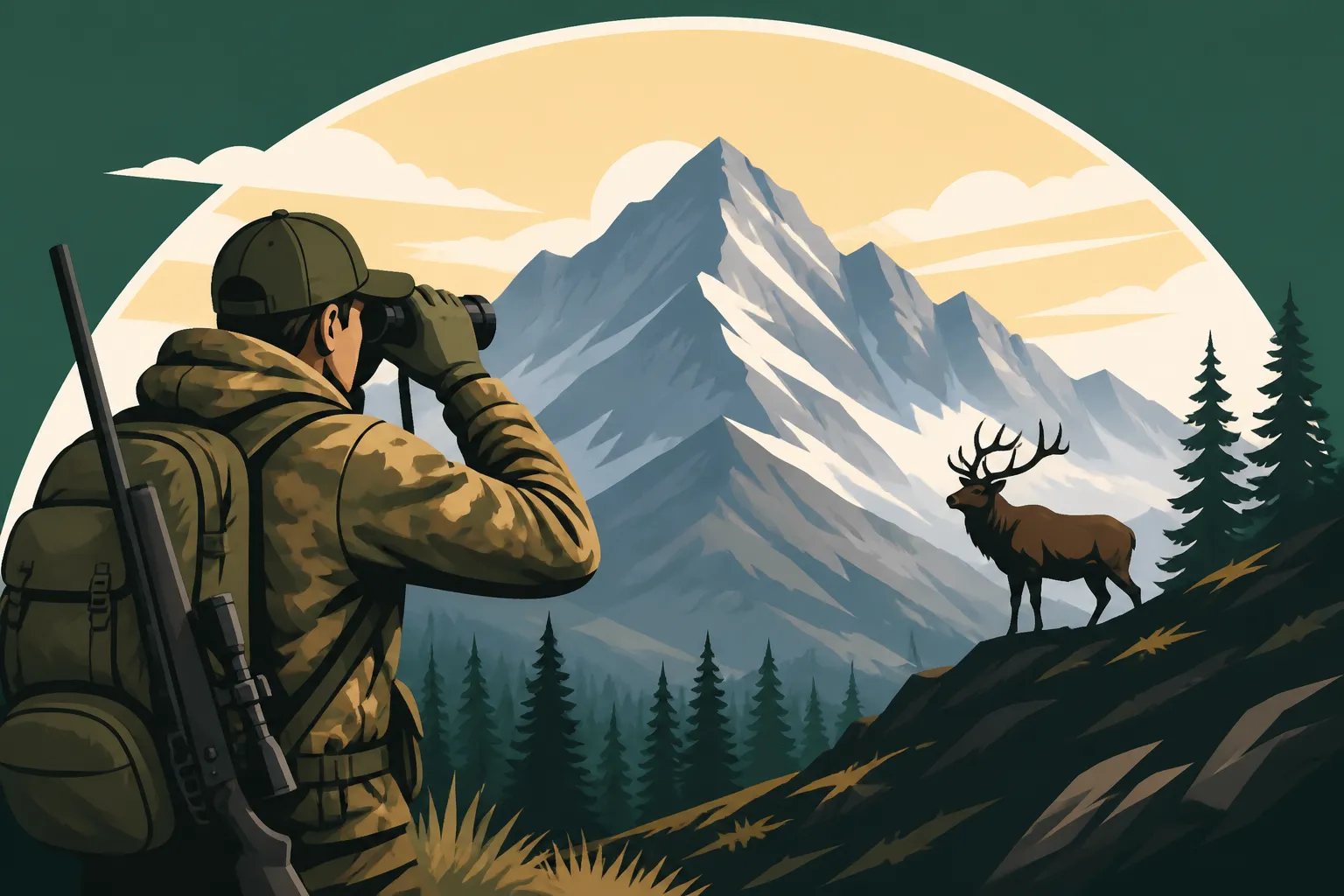
Roosevelt elk are the kings of the Nooksack high country, especially during the archery and early muzzleloader seasons. These animals are incredibly adapted to the thick timber and steep terrain of western Washington. While they might spend much of the year in lower river bottoms and dense old-growth, summer and early fall often see them pushing into higher alpine basins and meadows to feed on succulent grasses and forbs, especially after the snow has receded. They tend to follow ridge lines, using the dense timber as cover during the day and emerging into openings or avalanche chutes to feed during dawn and dusk.
Locating elk in this kind of country is a significant challenge. Their densities are typically lower than on the east side, and the sheer volume of cover makes them masters of invisibility. Successful hunters often rely on finding fresh sign – tracks, scat, rubs, and wallows – to pinpoint their current activity. During the rut in September, listening for bugles is critical, though Nooksack Roosevelt bulls are notoriously quieter than their Rocky Mountain cousins. Patience is key, as is a willingness to cover serious ground. Think about how they move between feeding and bedding areas, often along specific benches or saddles that offer both forage and escape cover. If you hear a bull, being prepared for Bugling and Cow Calling in Washington's Archery Elk Season means having your calls ready, but also knowing when to be quiet and let them come to you.
Deer Species and Movement Patterns
Columbian blacktail deer are also present in the Nooksack, though they are arguably even more elusive than the elk. These masters of stealth thrive in the thick brush, clearcuts, and second-growth timber common across the unit. Like elk, blacktails will move into higher elevations during the warmer months, taking advantage of the diverse forage and cooler temperatures in the subalpine and alpine zones. They often frequent the edges of clearcuts that are several years old, where new growth provides both food and cover.
Finding blacktails in the Nooksack high country often involves slow, methodical still-hunting through dense reprod and brush, or patiently glassing small pockets of open timber and avalanche paths from a vantage point. The rut for blacktails typically kicks in later in the fall, often after the main elk seasons, and can offer a good opportunity for calling or rattling if you can get into their preferred habitat. Remember, these deer are incredibly wary, and the thick cover means you need to be constantly vigilant, looking for flicking ears, a horizontal backline, or a patch of hide through the dense foliage. A lot of successful Still-Hunting Blacktails in Wet Washington Brush comes down to moving at a snail's pace, often just a few steps every minute, and stopping to scan.
Essential Strategies for High Country Success
Hunting the Nooksack high country isn't just about finding game; it's about being prepared for the immense physical and mental demands of the environment. Success here often hinges on a combination of meticulous planning, physical conditioning, and robust safety protocols.
E-Scouting and Physical Preparation
Before you even think about lacing up your boots, serious e-scouting is non-negotiable for the Nooksack. Dive deep into topographical maps on platforms like onX Hunt, studying contour lines, identifying potential pinch points, saddles, water sources, and old logging roads. Look for areas where different habitat types converge – timber meeting alpine, or steep slopes flattening into benches. Pay close attention to north-facing slopes, which often hold snow later in the season but can provide cooler bedding areas during early archery. Don't forget to study past burn areas or large clearcuts, as these can create excellent feed for elk and deer after several years of regrowth. Mapping apps like onX Hunt allow you to mark potential routes, glassing points, and even possible game concentrations, which you can then download for offline use, an absolute must when cell service is nonexistent, which it often is in this rugged country. Many hunters also leverage resources from platforms like GoHunt for broader regulatory insights or gear recommendations tailored to such demanding environments.
Physical preparation is equally critical. This is not flat-land hunting. You will be climbing steep grades with heavy packs, often for miles. Incorporate a rigorous workout routine that includes cardio, strength training, and especially exercises that mimic carrying weight up and down hills. Don't just hit the treadmill; hike with your actual hunting pack loaded up, gradually increasing the weight. Nothing prepares you for the mountain like being on the mountain. Expect to be challenged by the elevation and the terrain itself, so being in peak physical condition will not only increase your chances of success but, more importantly, your safety and enjoyment of the hunt.
Navigating and Staying Safe in Remote Terrain
Once you're on the ground, navigation becomes paramount. Always carry a physical map and compass in addition to your GPS device or phone with downloaded maps. Batteries die, devices fail, and a topographical map never runs out of power. Familiarize yourself with how to use them together, cross-referencing features to confirm your position. Marking your intended route on your map and on your GPS is a smart strategy, as is marking your vehicle's location and any critical waypoints like water sources or potential escape routes. The dense timber and frequent fog can disorient you quickly, even seasoned woodsmen.
Safety in the Nooksack high country means more than just being able to find your way back to the truck. It means being prepared for unexpected weather shifts, potential wildlife encounters, and medical emergencies. Always tell someone your detailed hunt plan, including your intended route, where you'll be parking, and when you expect to return. Carry a comprehensive first-aid kit, emergency shelter, fire starter, and extra food and water. A satellite communication device like a Garmin inReach or a Zoleo can be a literal lifesaver for sending messages or calling for help when you're far beyond cell service. Remember, help is often hours, if not days, away in this remote country. Prioritize smart decision-making, especially regarding weather, terrain hazards, and when to turn back. Don't be afraid to Solo Hunting Safety Precautions if you're venturing out alone.
Gear Considerations for Alpine Hunting
The Nooksack high country demands reliable gear that can stand up to extreme conditions. Every item in your pack needs to be thoughtfully selected for its utility, durability, and weight. Compromising on gear here isn't just uncomfortable; it can be dangerous.
Optics and Glassing Strategies
In the Nooksack, especially when you get above the densest timber into more open subalpine and alpine areas, quality optics are your best friend. A good pair of 10×42 binoculars, perhaps even 12x or 15x if you plan on spending significant time glassing vast basins, will be essential. They're critical for picking apart distant avalanche chutes, rocky outcrops, and timber edges for any sign of game. Remember, these are vast landscapes, and a small patch of hide can easily blend into the background. A Binocular Harness Versus Neck Strap is highly recommended to keep your optics accessible yet secure.
While a spotting scope isn't always necessary in the thick timber, if you're hunting expansive open alpine bowls, it can certainly help you confirm animals at extreme distances without expending unnecessary energy. A rangefinder with angle compensation is also crucial for shooting in the steep, broken terrain, as true ballistic range will differ significantly from line-of-sight distance. Practice using your optics and rangefinder from various positions, including prone and kneeling, to simulate real-world hunting scenarios.
Clothing and Shelter for Variable Weather
Washington's west side, especially the Nooksack, is renowned for its wet weather. Your clothing system must be built around staying dry and warm, regardless of precipitation. Start with a moisture-wicking base layer (merino wool or synthetic) to manage sweat. Layer with insulating mid-layers that retain warmth even when damp, like fleece or synthetic puffy jackets. Your outer shell is where you absolutely cannot compromise: invest in high-quality waterproof and breathable rain gear that can withstand sustained downpours and thick brush. Quiet fabrics are preferred for hunting, so test them out. Remember, the temperature can fluctuate wildly from morning to afternoon, and especially with elevation gain and loss. Layers are not just for warmth; they're for adaptability. You'll want to review Rain Gear That Survives a Washington Westside Season to make smart choices.
For shelter, if you're planning an overnight or multi-day spike camp in the high country, a lightweight, durable tent or bivy sack designed for three-season (or even four-season, depending on your hunt dates) conditions is critical. It needs to be able to shed heavy rain and withstand strong winds. A warm sleeping bag appropriate for the expected night temperatures, along with an insulated sleeping pad to create a barrier from the cold ground, will ensure you get the rest you need after grueling days. Always carry an emergency bivy or space blanket, even on day hunts, as an unexpected injury or navigational error could force an unplanned night out.
Here's a quick overview of key considerations for Nooksack high country hunting:
| Category | Key Consideration | Importance (1-5, 5 being highest) | Typical Challenge in Nooksack |
|---|---|---|---|
| Terrain | Steep, dense, vertical, varied elevations | 5 | Rapid elevation changes, thick brush |
| Weather | Unpredictable, wet, cold, sudden changes | 5 | Rain, fog, snow, wind, hypothermia risk |
| Access | Limited main roads, many gated/washed out, trails overgrown | 4 | Identifying legal, passable routes |
| Game Density | Lower than east side, extremely elusive | 3 | Finding game in vast, dense cover |
| Navigation | Critical due to remoteness and dense cover | 5 | Losing trails, disorienting fog |
| Physicality | High demand for endurance and strength | 5 | Long climbs with heavy loads |
| Gear | Waterproof, durable, lightweight, reliable | 5 | Staying dry, carrying essentials |
Hunting the Nooksack Unit's high country is not for the faint of heart, but it offers an unparalleled backcountry experience for those willing to put in the effort. The rewards, both in terms of breathtaking scenery and the challenge of pursuing game in truly wild country, are immense. Go prepared, go safely, and embrace the adventure that this spectacular corner of Washington offers.
Disclaimer
This article is for general informational purposes only and does not constitute professional advice. Laws, prices and regulations vary by location and change over time. Consult a qualified professional for guidance on your specific situation.