Finding Feel Free to Hunt Ground Near You
It often feels like much of the prime hunting ground in Washington is either locked behind gates, heavily used, or comes with a maze of complex regulations. For many hunters, the frustration of finding reliable, accessible land can be a real season-killer. This comprehensive guide aims to cut through that confusion, focusing specifically on Washington's "Feel Free to Hunt" properties, detailing how you can identify and ethically utilize these invaluable resources to expand your hunting opportunities.
Understanding Washington's "Feel Free to Hunt" Program
Hunting in Washington can be a challenge, not just because of the diverse terrain and wary game, but often because finding somewhere to actually hunt feels like half the battle. We've all driven past promising looking timber or agricultural land, only to be met with a "No Trespassing" sign, or worse, an angry landowner. This is where Washington's "Feel Free to Hunt" program steps in, offering a breath of fresh air for many of us. It’s part of a broader effort by the Washington Department of Fish and Wildlife (WDFW) to enhance private land access, and it’s a program every hunter should understand.
What Exactly Does "Feel Free to Hunt" Mean?
"Feel Free to Hunt" properties are specific parcels of private land that landowners have voluntarily enrolled in a WDFW access program, explicitly designating them as open for public hunting without the need for prior contact or written permission. Think of it as a handshake agreement between the landowner, the state, and you, the hunter. These aren't vast tracts of national forest or BLM land, but often smaller, interspersed private holdings that connect to other public or private lands, or sometimes stand alone. The key here is no prior permission needed. You literally "feel free to hunt" within the designated boundaries, as long as you adhere to all state hunting regulations and any specific rules posted for that property. This direct access removes a huge barrier for many hunters who might feel intimidated by having to knock on doors or navigate complex permission systems.
The program signage is usually pretty clear, featuring specific WDFW "Feel Free to Hunt" signs. These signs are your green light, indicating that you are welcome to hunt within the defined area during the legal seasons. It’s a stark contrast to the often ambiguous "Private Property" or "No Hunting" signs we encounter, and it provides a clear, legal pathway for ethical hunting on ground that would otherwise be off-limits. Understanding this distinction is critical, as venturing onto private land without proper permission, even if it looks unposted, can lead to serious legal trouble and erode trust between hunters and landowners.
The Benefits for Hunters and Landowners
For hunters, the benefits are obvious: more ground to pursue deer, elk, bear, or upland birds without the hassle of seeking individual permission. This is especially valuable in areas where public land might be scarce or heavily pressured. It gives you more options, plain and simple. Imagine finding a "Feel Free to Hunt" parcel that provides access to a corner of a GMU you thought was impossible to reach, or a piece of timber that acts as a corridor for migrating deer. These properties can become key pieces in your hunting strategy, especially if you're looking for Finding Legal Access in Washington in tricky areas.
Landowners, on the other hand, also gain significantly. By enrolling their land, they often receive technical assistance from WDFW, and sometimes even financial incentives, to manage wildlife habitat on their property. This can include help with fencing, noxious weed control, or planting beneficial forage. It’s a win-win: landowners get support for their property, and hunters get more places to hunt. This collaborative model is essential for the future of hunting, recognizing that private lands play a crucial role in maintaining healthy wildlife populations and providing recreational access. It fosters a positive relationship, turning potential conflicts into mutual benefits for conservation and sport.
Common Misconceptions and Rules
Now, while "Feel Free to Hunt" sounds like a blanket invitation, it's crucial to understand it's not a free-for-all. One common misconception is that these lands are indistinguishable from true public land. They are not. These are still private lands, and while the landowner has opened them for hunting, they retain the right to impose specific rules beyond state regulations. You might encounter restrictions on vehicle access, specific hunting methods (e.g., archery only), or even closures during certain times or for certain species, all clearly marked on WDFW signs at access points. Always read and respect these additional rules, as ignoring them is a sure way to jeopardize the program for everyone.
Another important point: "Feel Free to Hunt" doesn't mean "Feel Free to Trespass Anywhere Else." This program applies only to the specifically designated parcels. You must remain within the marked boundaries. If you cross onto adjacent private land that isn't enrolled, you are trespassing, even if you didn't see a "No Trespassing" sign. This highlights the importance of thorough scouting and map-reading, which we'll discuss more later. Violating the rules or trespassing can lead to fines, loss of hunting privileges, and, most importantly, could cause landowners to pull out of the program, reducing access for all. It's a privilege, not an entitlement, and treating it as such is paramount for the program's longevity.
How to Locate "Feel Free to Hunt" Properties
Finding these "Feel Free to Hunt" parcels might seem daunting at first, especially if you're used to simply looking for national forest boundaries. However, WDFW has made significant efforts to make this information accessible. It's all about knowing where to look and then confirming what you find with good old-fashioned boots-on-the-ground recon. Don't assume you'll stumble across them; a proactive approach is key.
Utilizing WDFW Resources
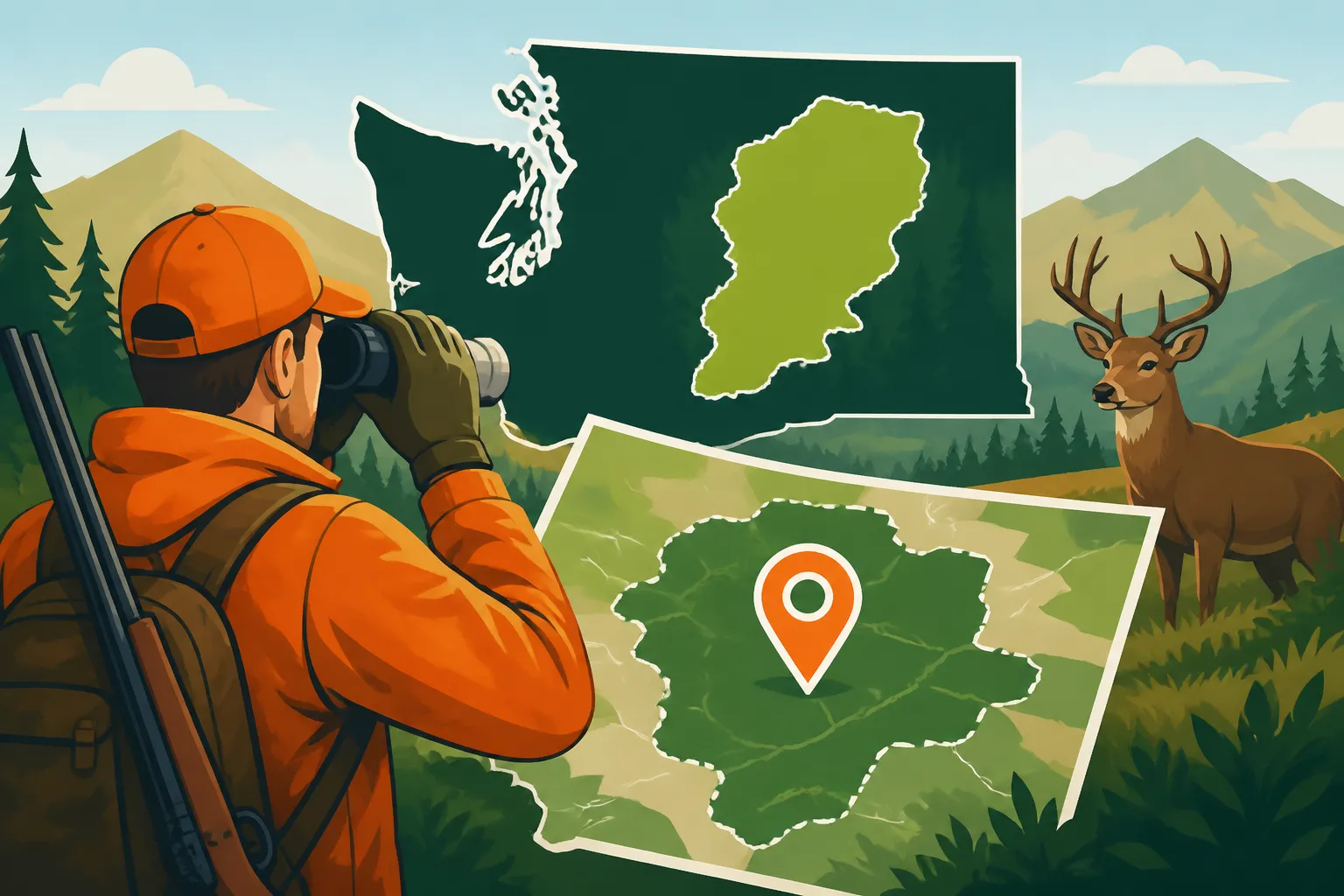
The first and most reliable place to start your search is directly with the Washington Department of Fish and Wildlife. They are the administrators of these programs and maintain up-to-date maps and lists of enrolled properties. Their website is typically the best starting point, often featuring interactive maps specifically for Washington Private Lands Access Programs. You can usually filter by county, GMU, or even specific species. These maps will clearly delineate "Feel Free to Hunt" areas, often marked with a distinct color or icon. It's also worth checking their annual Big Game Hunting pamphlet, which occasionally highlights these areas, though the online maps tend to be more dynamic and current.
Beyond the online maps, local WDFW offices can be an invaluable resource. Sometimes, a quick phone call or a visit to a regional office can get you insights that aren't readily available online. Staff members often have intimate knowledge of local programs and can point you to specific areas or explain particular nuances of a property that the general map might not convey. Don't be shy about reaching out; they are there to help hunters and manage these programs effectively. Keep in mind that these properties can change year to year, as landowners may enroll or withdraw, so always double-check the most current information before planning a hunt.
Digital Mapping Tools: Your Best Friend
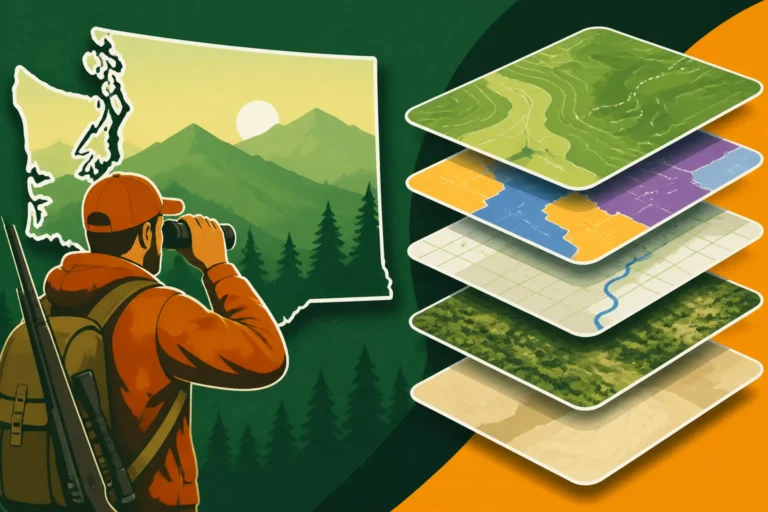
While WDFW maps are excellent, powerful digital mapping tools can take your scouting to the next level. Services like onX Hunt and GoHunt are indispensable for hunters navigating today's complex land ownership. These apps, used on your smartphone or computer, layer public and private land boundaries directly onto topographic maps and satellite imagery. This means you can identify a WDFW-listed "Feel Free to Hunt" parcel and immediately see its exact boundaries, neighboring landowners, and access points. You can even check current regulations and unit boundaries, which is crucial when trying to understand Reading a Washington GMU Boundary.
Imagine you've identified a promising "Feel Free to Hunt" area near a known deer migration corridor. With onX Hunt, you can zoom in, see if it connects to a national forest, identify potential pinch points, and even mark potential stand locations, all from your couch. GoHunt offers similar capabilities, often with additional features focused on drawing odds and hunt planning tools. These tools are fantastic for E-Scouting Washington GMUs Before the Draw, allowing you to understand the lay of the land, potential access challenges, and even scout for features like water sources or bedding areas before you ever set foot in the field. They essentially give you an eagle-eye view, helping you maximize your time and effort.
Boots-on-the-Ground Scouting and Local Knowledge
Even with the best digital maps, there's no substitute for physical scouting. Once you've identified a "Feel Free to Hunt" property using WDFW resources and digital apps, a pre-season visit is non-negotiable. This allows you to verify access points, locate the specific WDFW signage, and identify any additional posted rules that might not be visible on a digital map. You can walk the boundaries, get a feel for the terrain, and look for game sign. Are there fresh tracks? Rubs? Scrapes? This also helps you understand how the game might move through the property and its immediate surroundings.
Beyond walking the land, don't underestimate the power of local knowledge. Chatting with people who live near these areas—perhaps at a small-town diner, a local gas station, or a sporting goods store—can sometimes reveal invaluable insights. They might know about historical game movement, typical pressure points, or even specific nuances of the property that aren't officially documented. Of course, always be respectful and discrete; not everyone wants to share their local secrets. But sometimes, a friendly conversation can provide that missing piece of the puzzle, helping you refine your strategy and improve your chances of success on these unique hunting lands.
Practical Tips for Hunting "Feel Free to Hunt" Lands
Hunting on "Feel Free to Hunt" lands requires a blend of public land ethics and private land etiquette. While you don't need to ask permission every time, remember that these are private properties, and the continued existence of these programs relies heavily on hunter behavior. Your actions directly reflect on the hunting community as a whole.
Respecting Boundaries and Posted Rules
This might sound like a broken record, but it's the single most important rule: respect the boundaries and any posted rules. Always carry your WDFW regulations pamphlet, and have your mapping app ready to show property lines. Trespassing, even accidentally, can ruin the program for everyone. If you're unsure about a boundary, err on the side of caution. Better to turn back than to risk losing access. Look for specific WDFW "Feel Free to Hunt" signs at designated entry points; these signs are key. They'll also list any specific restrictions beyond general state regulations, such as "Foot Traffic Only," "No Overnight Camping," or "Archery Only for Deer."
A real-life scenario: you're tracking a wounded deer that crosses from a "Feel Free to Hunt" parcel onto an adjacent private property that is not part of the program. What do you do? You stop. You do not pursue that animal onto the unposted private land without first gaining permission from that specific landowner. This is where Getting Written Permission on Private Land might come into play, even mid-hunt. While frustrating, respecting that boundary is non-negotiable. It shows that hunters are responsible and committed to ethical conduct, which is vital for maintaining good relationships with landowners and sustaining these valuable access programs.
Planning Your Hunt on These Properties
Hunting "Feel Free to Hunt" properties often requires a different mindset than hunting vast national forests. These parcels can be smaller, more fragmented, and sometimes located close to rural residences. This means noise considerations, safety zones, and understanding the surrounding landscape are even more critical. Scout these areas thoroughly before the season. Look for natural funnels, cover, food sources, and travel corridors. Because they are often smaller, the game might be more sensitive to pressure. Consider quieter hunting methods, and try to time your hunts to periods of less overall activity.
Another aspect of planning involves understanding the general hunting pressure. While these properties offer open access, that doesn't necessarily mean you'll have them all to yourself. Weekends and opening days can see increased hunter numbers, just like on popular public lands. If you're looking for solitude, target weekdays or less accessible "Feel Free to Hunt" parcels. Think about how you’ll approach, hunt, and extract game from these areas. For example, if it's a "Foot Traffic Only" property, you'll need a solid plan for Quartering and Packing an Elk Solo or deer, potentially over a longer distance than you might expect on accessible public land. Having a solid plan, considering all contingencies, ensures a more enjoyable and ethical hunt.
Here’s a quick overview of Washington’s WDFW Private Land Access Programs:
| Program Name | Requires Prior Permission | Typical Signage | Key Characteristic |
|---|---|---|---|
| Feel Free to Hunt | No | "Feel Free to Hunt" (WDFW logo) | Open access during legal seasons, no prior contact needed. |
| Hunt by Reservation | Yes | Online reservation required | Specific dates/times, online signup, managed access for fewer hunters. |
| Register to Hunt | Yes | Sign-in/registration required | Sign-in at kiosk or online, often first-come, first-served. |
| Hunt by Written Permission | Yes | "Hunting By Permission Only" | Direct contact with landowner and written permission slip required. |
| Private Timber Lands | Varies | Company specific signage, permits | Often requires a purchased permit from a timber company (e.g., Weyerhaeuser, Hancock). |
Being a Responsible Hunter
Ultimately, the success and continuation of programs like "Feel Free to Hunt" rest on the shoulders of every hunter who uses them. Be a steward of the land. Pack out everything you pack in, and then some. Pick up any trash you see, even if it's not yours. Leave gates as you found them, whether open or closed. If you notice any damage or illegal activity, report it to WDFW. Reporting Poaching in Washington is everyone's responsibility, and it directly protects these valuable resources.
Your conduct on these properties not only impacts your own experience but also influences how landowners view hunters. A clean, respectful hunter encourages landowners to stay in the program, and perhaps even inspires others to join. Conversely, a litterbug or a rule-breaker can lead to properties being withdrawn, shrinking the opportunities for everyone. Let's make sure our actions speak louder than words, demonstrating that Washington hunters are responsible, ethical, and deeply appreciative of the access we are granted. By doing so, we ensure future generations have the same, or even better, opportunities to enjoy the incredible hunting Washington has to offer.
Disclaimer
This article is for general informational purposes only and does not constitute professional advice. Laws, prices and regulations vary by location and change over time. Consult a qualified professional for guidance on your specific situation.