Washington Firearm Restriction Areas
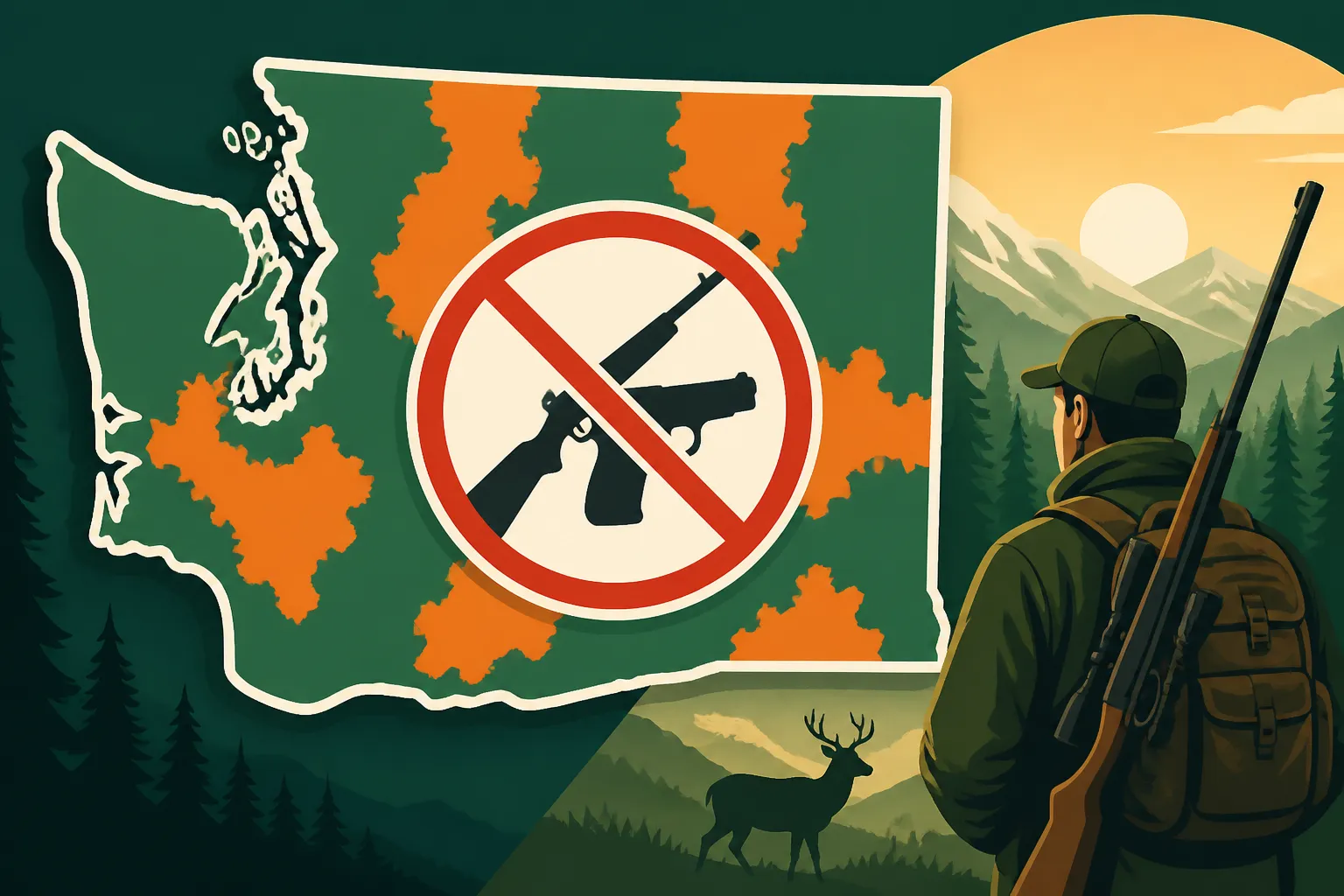
It's incredibly frustrating to spend hours scouting a new area, dreaming of that perfect shot, only to discover right before opening day that your favorite rifle isn't even allowed there. Washington's landscape is diverse, and with that diversity comes a patchwork of rules, including specific firearm restriction areas that can catch even seasoned hunters off guard. This guide is here to unravel the complexities of these restrictions, helping you understand where they are, why they exist, and how to successfully plan your Washington hunt around them so you're always on the right side of the law and ready for the field.
Understanding the "Why" Behind Washington's Firearm Restrictions
Before we dive into the specifics of where these restrictions are, it's really helpful to grasp why they're in place. It's not just to make hunting harder, I promise. These rules are usually born out of very practical concerns, primarily public safety and managing wildlife in areas where human populations or land use make traditional firearm hunting less suitable. Think about a bustling suburban edge versus a remote wilderness — the risks and considerations are completely different.
Public Safety and Population Density
One of the most common drivers for firearm restrictions is the sheer density of people. Many areas in Washington, especially around urban centers or high-recreation zones, see a lot of hikers, mountain bikers, dog walkers, and other outdoor enthusiasts. The last thing anyone wants is a stray bullet traveling through a popular park or someone's backyard. Restricting certain types of firearms, or even hunting altogether, in these areas minimizes the risk to non-hunters and residents. It's a balance act, trying to provide hunting opportunities while ensuring everyone's safety. Imagine the chaos if high-powered rifles were allowed near the trails winding through the Tiger Mountain State Forest – it just wouldn't be safe. This is why many of Washington's more populated GMUs have specific rules.
Land Use and Habitat Sensitivity
Another major factor is the specific land use and the sensitivity of certain habitats. Some areas might be crucial wildlife corridors, wintering grounds, or even designated parks where wildlife viewing is prioritized over hunting. In these situations, restricting certain hunting methods, like rifle hunting, can help reduce disturbance to animals or avoid conflicts with other recreational users. For instance, areas within or adjacent to state parks or wildlife refuges often have stricter rules to protect both wildlife and the public enjoying those spaces. It’s about managing access and impact, ensuring that the ecological value of a place isn't diminished by hunting activities.
Types of Firearm Restriction Areas in Washington
Washington's regulations often refer to a few key categories when it comes to firearm restrictions. It’s not always a blanket "no hunting" rule, but rather specific limitations on what you can use, when you can use it, and where. Knowing the difference is crucial so you don't inadvertently break a rule that could cost you your tag, your firearm, or worse.
Shotgun/Muzzleloader Only Areas
These are probably the most common type of firearm restriction areas you'll encounter. In these zones, you're permitted to hunt deer and elk (and other legal game) but only with a shotgun loaded with slugs, or a muzzleloader. The idea here is that shotguns and muzzleloaders generally have a more limited effective range compared to high-powered rifles, reducing the distance a projectile can travel and making them safer for areas with a bit more human presence or smaller hunting parcels. You'll find these frequently in GMUs that are closer to towns or interspersed with private properties. It's a compromise that allows hunting to continue while mitigating risk. Washington's Legal Equipment Rules by Weapon provides a deeper dive into the specific requirements for each weapon type.
When you're looking at a map and see an area designated as "Shotgun/Muzzleloader Only," it means leaving your trusty .30-06 at home. Instead, you'll need to gear up with a shotgun capable of firing slugs, or your traditional or inline muzzleloader. It forces you to adapt your hunting style, often requiring closer shots and more patience, which can be a rewarding challenge in itself. Remember to check the specific regulations in the hunting pamphlet for barrel length, bore size, and projectile types allowed for these weapons.
Archery Only Areas
Similar to shotgun/muzzleloader areas, archery-only zones restrict hunters to using only archery equipment. This means bows (recurve, compound, longbow) and crossbows (with specific conditions). These areas are usually designated for maximum safety, offering the shortest effective range of all legal weapon types, or to provide exclusive opportunities for archery hunters who enjoy the challenge and stealth required. These units are often found near heavily populated areas or within specific wildlife areas where minimizing disturbance and maximizing safety are paramount.
Hunting in an archery-only area demands a different skill set and preparation. You'll need to be proficient with your bow, practice regularly, and understand the limitations of your equipment. It also means you'll need to know Washington's Seven-Eighths Inch Broadhead Rule and other specific archery equipment regulations. These areas can be fantastic for those who embrace bowhunting, offering a unique chance to get up close and personal with game without the added pressure of rifle season. However, it's absolutely critical to ensure you're not carrying any other weapon type, including a sidearm, unless specifically permitted by regulation for self-defense and not for hunting.
Firearm Restriction Areas (No Hunting)
This is the most straightforward category. These areas are completely closed to firearm hunting, and sometimes to all hunting, period. These are often within city limits, designated urban growth areas, certain state or national parks, or other highly sensitive zones where any hunting activity is deemed inappropriate or unsafe. It’s important to distinguish these from areas that merely restrict types of firearms. If it's a "No Hunting" area, that means no rifles, no shotguns, no muzzleloaders, and often no archery either.
You'll often find these "No Hunting" zones marked clearly on maps and in the hunting regulations. They are non-negotiable. Attempting to hunt in such an area, regardless of weapon, can lead to severe penalties. Always double-check your intended hunting location against the official regulations and maps. This is where tools like onX Hunt become invaluable, as they can overlay GMU boundaries and restricted areas directly onto a map, helping you avoid costly mistakes.
Navigating Specific Restricted Zones in Washington
Washington is a big state, and its diverse geography means that firearm restrictions pop up in all sorts of places. From the dense forests of Western Washington to the open plains of the East, hunters need to be aware of how these rules apply to their chosen hunting grounds.
Western Washington's Timber and Urban Edges
Western Washington, with its lush timber, rolling hills, and denser population centers, has quite a few firearm restriction areas. Many of these are found in GMUs bordering cities like Olympia, Tacoma, Seattle, and Vancouver, or along major transportation corridors. Areas within the Willapa Hills Elk Herd territory, for instance, might have patches where rifle use is restricted due to proximity to farms or residential communities. Similarly, many of the smaller GMUs nestled amongst the private timberlands might have specific rules.
It’s common to find shotgun/muzzleloader or archery-only restrictions in these western units, especially within a certain distance of developed areas or along certain county roads. You might be hunting vast tracts of timber company land, but then hit a boundary where a different set of rules applies. This is why it’s not enough to just know the GMU number; you need to understand the sub-rules within that unit. Always check the special descriptions for each GMU in the hunting pamphlet, as these often contain the specific language about firearm restrictions.
Eastern Washington's Agricultural and Rural Landscapes
While Eastern Washington might feel more open and less populated, it also has its share of firearm restriction areas, particularly around agricultural lands, smaller towns, and specific wildlife management units. For example, parts of the Columbia Basin Hunting in Washington or areas within the Yakima Elk Herd range, especially near irrigated farms or residential developments, may have specific weapon limitations. The reasons here are similar: to protect property, livestock, and residents from the risks associated with high-powered rifle use.
You might encounter "shotgun/muzzleloader only" zones in GMUs that are a mix of federal land and private agricultural fields. Imagine a scenario where you're glassing open sagebrush for mule deer, only to discover that the draw you wanted to hunt drops down into a valley with homes or orchards, triggering a weapon restriction. It means scouting isn't just about finding game; it's about understanding the land use and legalities on a micro-level. Farmers and landowners are usually very specific about what they allow, and these restrictions are often put in place to maintain positive hunter-landowner relations.
Wildlife Areas and State Parks
Many of Washington's dedicated Wildlife Areas, managed by the WDFW, and portions of State Parks, have specific regulations regarding firearms. While some wildlife areas are excellent for hunting, they often have zones designated as "safety zones," "no shooting areas," or "archery-only" zones. These are often clearly marked on the ground, but it's always best to consult the WDFW regulations for that specific area before you go.
For instance, a Wildlife Area that is popular for waterfowl hunting might have specific rules for upland bird hunting with shotguns, but prohibit rifles entirely. Or, a popular hiking trail within a wildlife area might have a buffer zone where no firearms are allowed at all. These areas are designed for multiple uses, and restrictions are a way to manage potential conflicts between various user groups. Being informed about these specific areas is critical for a legal and enjoyable hunt.
Planning Your Hunt Around Firearm Restrictions
Discovering a firearm restriction area isn't the end of your hunting dreams; it simply means adjusting your strategy. With proper planning and the right tools, you can still have a successful and ethical hunt.
The Importance of Pre-Season Research
This cannot be stressed enough: do your homework before you ever step foot in the field. The Washington Fish and Wildlife's annual Big Game Hunting Pamphlet is your bible. Read it cover to cover, paying close attention to the specific GMU descriptions, the "General Rules," and any "Special Closures" or "Firearm Restriction Areas" sections. Don't just skim it; truly digest the information. Many experienced hunters keep digital copies on their phones or print out the relevant pages for their chosen GMUs.
When you're doing your pre-season scouting, whether it's E-Scouting Washington GMUs Before the Draw from your couch or pounding boots on the ground, actively look for signs of human population density, trailheads, or boundary markers that might indicate a restriction. Understanding why certain areas are restricted can also help you predict where you might encounter these rules.
Utilizing Mapping Tools and Resources
In this digital age, there are incredible resources at our fingertips that can make identifying firearm restriction areas much easier. Apps like onX Hunt are truly game-changers. They allow you to overlay public and private land boundaries, GMU lines, and often highlight specific firearm restriction areas right on your phone or GPS device. This visual aid is invaluable for understanding the nuanced boundaries in the field.
Another great resource is the WDFW's online GMU maps and their hunt planner. These often have layers that show specific restrictions. Taking the time to study these maps, marking potential problematic areas, and even saving offline maps to your device (because cell service is rarely reliable in the backcountry) can prevent you from making a costly mistake. Don't rely solely on memory or old maps; rules and boundaries can change, so always use the most current information available. Finding a GMU Map for Washington is a crucial first step.
Adapting Your Weapon Choice and Hunting Style
If your preferred hunting area falls within a firearm restriction zone, you have a couple of options: find a new area, or adapt. Many hunters embrace the challenge of hunting with different weapons. If your go-to rifle area is now shotgun/muzzleloader only, consider getting proficient with a slug gun or a muzzleloader. This could open up more opportunities in more places.
Similarly, if you're a rifle hunter finding yourself in an archery-only unit, perhaps this is the year to pick up a bow. Archery hunting requires a completely different approach, focusing on stealth, close-range encounters, and deep woods knowledge. It forces you to become a better hunter in many respects. Remember, successfully harvesting game in a restricted area shows adaptability and respect for the regulations, which are hallmarks of a responsible hunter.
Resources for Identifying Firearm Restriction Areas
It can feel like a maze trying to figure out all the rules, but thankfully, there are clear paths to finding the information you need. Don't ever guess when it comes to legalities; always verify.
Washington Department of Fish and Wildlife (WDFW) Regulations
The official WDFW hunting regulations pamphlet, published annually, is the definitive source for all firearm restrictions. You can usually find a copy online on the WDFW website or pick up a physical copy wherever hunting licenses are sold. Pay close attention to the "General Hunting Regulations" section which covers statewide rules, and then meticulously review the specific GMU descriptions for your intended hunting unit. These unit-specific notes are where many of the localized restrictions are listed. Don't overlook the maps in the pamphlet either, as they often illustrate these zones. Washington Big Game Pamphlet Release is when you know to start looking for the latest rules.
| Restriction Type | Allowed Weapons | Common Locations | Key Considerations |
|---|---|---|---|
| Shotgun/Muzzleloader Only | Shotgun (slugs only), Muzzleloader (specific calibers) | Near urban interfaces, mixed private/public land | Limited range, focus on close-quarters hunting, check projectile rules |
| Archery Only | Bow (compound, recurve, longbow), Crossbow (specific permits/conditions) | Highly populated areas, specific wildlife areas, parks | Requires close approach, quiet gear, check broadhead rules |
| Firearm Restricted (No Hunting) | None | City limits, national parks, designated safety zones | No hunting whatsoever, strict enforcement, check all boundaries carefully |
Digital Mapping Applications
Modern digital mapping applications are incredibly powerful tools for navigating Washington's complex hunting landscape. Platforms like onX Hunt and GoHunt offer detailed maps that can display land ownership, GMU boundaries, and, critically, often highlight specific firearm restriction areas with clear overlays. This visual information makes it much easier to plan your route, identify potential safety zones, and avoid accidental trespass into restricted areas.
Using these apps, you can mark waypoints, download maps for offline use (essential in areas without cell service), and even share your planned routes with hunting partners. Before your hunt, spend time exploring your chosen GMU on these platforms, looking for any shaded or marked zones that indicate restrictions. They're an investment that pays dividends in peace of mind and legal compliance. Checking onX Layers for Washington Land Status can be a game-changer for detailed planning.
Local Knowledge and WDFW Regional Offices
While online resources are fantastic, never underestimate the power of local knowledge. Talking to hunters who regularly frequent an area, local sporting goods store owners, or even checking in with WDFW regional offices can provide invaluable, on-theground insights. Sometimes, local nuances or recent changes might not be immediately obvious in a pamphlet or on a map.
WDFW staff at regional offices are often more than happy to answer specific questions about GMU boundaries and firearm restrictions. They live and work in these areas and have a deep understanding of the local landscape and regulations. Don't be afraid to call or visit. A quick phone call can save you a lot of headache and potentially a citation.
Disclaimer
This article is for general informational purposes only and does not constitute professional advice. Laws, prices and regulations vary by location and change over time. Consult a qualified professional for guidance on your specific situation.