Phone Battery Management in Cold
There's nothing quite like being deep in the stunning, rugged wilderness of Washington, finally spotting that bull or buck you've been chasing all day, reaching for your phone to snap a photo or confirm your location on a map, only to find the screen black. A dead phone battery in freezing temperatures isn't just an inconvenience; it can truly jeopardize your hunt, your navigation, and even your safety. This guide will walk you through exactly why cold weather saps your phone's power so quickly and, more importantly, how to keep your essential device alive and functional when you're out in the cold Washington elements.
Why Cold Weather Kills Phone Batteries And Your Mood
For many of us, our smartphones have become indispensable tools, especially when we're out in the field. They're our maps, our cameras, our emergency communication devices, and even our weather forecasters. But the moment the mercury drops, these trusty devices can become completely unreliable, leaving us frustrated and potentially in a bind. Understanding why this happens is the first step to preventing it.
The Science Behind the Drain
It’s not just your imagination; cold weather truly does impact battery performance. Most modern smartphones use lithium-ion batteries, which rely on chemical reactions to generate electrical current. When temperatures plummet, these chemical reactions slow down significantly. Imagine trying to run through molasses; that's kind of what the ions inside your battery are experiencing. This slowdown means the battery struggles to release its stored energy efficiently.
What you'll typically see is a sudden, dramatic drop in your battery percentage. It might go from 50% to 20% in minutes, or even just shut down completely, making you think the battery is truly dead. In reality, it might just be too cold to function. The internal resistance of the battery increases, and the voltage drops below the operating threshold required by the phone's electronics. This isn't permanent damage, but it's certainly a major headache when you're trying to navigate back to camp in the fading light or get a hold of your hunting partner.
Impact on Critical Hunting Tools
For today's Washington hunter, a smartphone isn't just for checking social media. It's often loaded with critical applications like GPS mapping (think onX Layers for Washington Land Status or similar tools) that show property boundaries, topography, and your exact location. Losing access to these maps can mean the difference between staying on track and getting seriously disoriented, especially in vast areas like the Colville National Forest or the rugged Olympic Peninsula.
Beyond navigation, phones are essential for documentation. Capturing photos of your harvest, scenic views, or even vital scouting information like fresh tracks can be impossible with a dead battery. Many hunters also use their phones for detailed weather forecasts, which are crucial for planning around sudden changes in Washington's unpredictable mountain weather. Moreover, in an emergency, your phone is your lifeline. Being unable to call for help or notify someone of your whereabouts because your battery died prematurely is a terrifying thought and a real risk.
Hunting apps, like those provided by GoHunt, help with everything from draw odds to unit research, and much of that crucial information is often stored or accessed via your phone. Imagine planning a special permit hunt, diligently researching a specific GMU, only to have your GoHunt data inaccessible when you're actually in the field, trying to make real-time decisions. It underscores how deeply integrated these devices have become into our hunting strategy.
Proactive Steps to Protect Your Phone on a Cold Washington Hunt
The best defense is a good offense, and that holds true for your phone's battery in cold weather. By taking a few simple steps before and during your hunt, you can significantly extend its life and ensure it's ready when you need it most. These aren't just tips; they're essential habits for anyone venturing into the chilly Washington backcountry.
Keep it Warm, Keep it Close
The most straightforward way to combat cold battery drain is to keep your phone warm. Your body heat is your best friend here. Instead of stashing your phone in an outer pocket of your hunting jacket or backpack, keep it in an internal pocket, close to your core. A chest pocket, for example, nestled against your base layers, provides a steady source of warmth.
Some hunters even go so far as to keep their phone tucked into a pocket of their merino wool base layer shirt or even their pants pocket, as long as it's not exposed to the outside air. The goal is to minimize its exposure to the ambient cold as much as possible. If you're wearing multiple layers, make sure your phone is within the warmer, inner layers, effectively creating a personal microclimate for your device. This is especially vital when you're moving and generating heat, as that warmth will transfer to the phone.
Optimize Settings Before You Leave Home
Before you even step foot out the door for your hunt, you can tweak your phone's settings to maximize battery life, regardless of temperature. Start by ensuring your phone is fully charged to 100%. Then, activate "low power mode" or "battery saver mode" – most smartphones have one. This automatically reduces background app activity, limits visual effects, and conserves power.
Turn off any features you don't actively need. This includes Wi-Fi, Bluetooth, and cellular data if you're in an area with no service (your phone will constantly search for a signal, which is a huge battery drain). Reduce your screen brightness as much as you can, as the display is a significant power hog. Close out all unnecessary apps running in the background. If you’re relying on your phone for navigation, remember to download Downloading Offline Maps for Washington for your hunting unit before you lose cell service. This way, your phone doesn’t need to constantly use data to load map tiles, further saving battery. Using apps like GoHunt for pre-hunt scouting on maps is great, but make sure you save or screenshot critical information if you anticipate poor service.
Start with a Full Tank
This might seem incredibly obvious, but it's astonishing how many times hunters (myself included!) forget this simple step in the rush of heading out the door. Always, always, always ensure your phone is charged to 100% capacity before you head out for the day, especially if you anticipate cold weather. A partially charged battery will deplete much faster in the cold than a full one.
Consider charging your phone overnight in your tent or vehicle, ensuring it's topped off right before you start your hunt. If you're camping in a primitive setup, this means charging it from a power bank or vehicle inverter. Don't rely on getting a few hours of charge; get a full charge. Starting your day with a completely full battery provides the maximum buffer against the inevitable cold weather drain, giving you more peace of mind and more operational time for your critical device.
Essential Gear for Cold Weather Phone Survival
While personal habits go a long way, sometimes you need a little extra help to keep your phone powered up when the temperatures really drop. Investing in a few key pieces of gear can be a game-changer, turning a potential tech-related meltdown into a minor inconvenience. Think of these as your phone's survival kit for Washington's variable climate.
Portable Power Banks and Solar Chargers
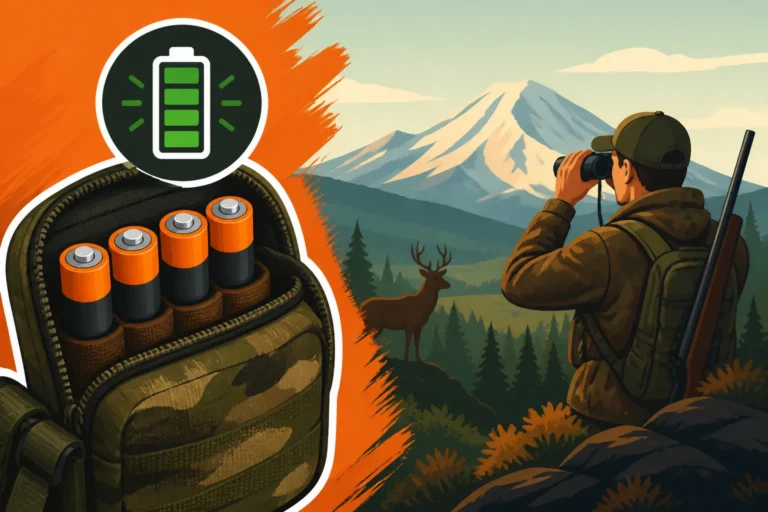
A high-quality portable power bank is arguably the most crucial piece of gear for cold weather phone management. Look for banks with a high mAh (milliampere-hour) rating, indicating greater capacity. A 10,000 mAh bank can typically charge a smartphone 2-3 times, while a 20,000 mAh or larger bank offers even more juice. Ensure it's rated for rugged outdoor use and, if possible, has an IP rating for water resistance, which is always a good idea in Washington's often damp conditions.
Keep your power bank warm, too! A cold power bank will perform just as poorly as a cold phone battery. Store it in an internal jacket pocket. When charging your phone, keep both devices tucked away and warm. Solar chargers can be an option, but they have limitations. They are typically slow, require direct sunlight (which can be scarce in dense Washington timber or on cloudy days), and their efficiency drops significantly in cold temperatures. They're best as a supplemental or trickle charge solution for longer trips, not your primary power source for immediate needs. Many power banks today, particularly those marketed by outdoor brands, often list their optimal operating temperature ranges, so pay attention to those specifications.
| Feature | Portable Power Bank | Solar Charger |
|---|---|---|
| Primary Use | Quick, reliable charge; portable power source | Supplemental charging; off-grid, long trips |
| Power Source | Stored electrical energy | Sunlight |
| Speed | Fast (similar to wall charger) | Slow, variable based on sun intensity |
| Reliability | High (as long as it's charged) | Variable (weather, sun exposure dependent) |
| Cold Performance | Reduces capacity; needs to be kept warm | Reduces efficiency; needs direct sunlight |
| Weight/Bulk | Moderate to heavy, depending on capacity | Light to moderate, depending on panel size |
| Best For | Day hunts, weekend trips, emergency backup | Multi-day backcountry, extended off-grid stays |
Insulated Pouches and Cases
Just as you layer up to stay warm, your phone can benefit from insulation. There are specialized insulated phone pouches on the market designed to maintain a stable temperature for your device. These often use materials similar to those in insulated coolers or sleeping bags. They help trap the phone's residual heat or the heat from your body, preventing rapid cooling.
If you don't want to buy a dedicated pouch, you can create a makeshift one. A wool sock, wrapped around your phone and then placed inside a small dry bag, can offer a surprising amount of insulation. The key is to create a barrier between the phone and the cold air. These cases also offer a secondary benefit: protection from moisture, which is just as prevalent as cold in many Washington hunting areas. A wet phone, even if it's warm, is a dead phone. Keeping your phone protected from both elements is crucial for its longevity in the field.
In-the-Field Tactics When Your Battery is Draining Fast
Despite all your preparation and gear, there will be times when you notice your phone battery is draining faster than anticipated. When that happens, you need a battle plan to conserve what little power you have left. These tactics can help you stretch those last few percentage points until you're back to warmth and a charging port.
Strategic Use of Your Device
When your battery is on the ropes, every action counts. The first rule is: only pull out your phone when it's absolutely necessary. Avoid the temptation to check social media, browse the web, or play games during downtime. If you need to check your map, do it quickly, mentally note the information, and then put your phone away immediately. Minimize the time the screen is on.
Think about what information you truly need. Is it a quick check of your position on a map? A confirmation of the time? A critical text message to a hunting partner? Prioritize these actions. If you're Glassing Eastern Washington Breaks for Mule Deer and want to mark a waypoint, make it a quick process. Don't linger, scrolling through past photos or planning future hunts on GoHunt when every bit of power matters. The less time your phone is exposed to the cold air and its screen is lit up, the better.
Emergency Power Conservation Measures
If you're really in a crunch, it's time for extreme measures. The most effective step is to switch your phone to "Airplane Mode." This immediately cuts off all wireless communication (cellular, Wi-Fi, Bluetooth, GPS), which are major power consumers, especially if your phone is constantly searching for a signal in a remote area. While in airplane mode, your GPS may still function, depending on the phone and app (e.g., onX Layers for Washington Land Status can still show your location on downloaded maps), but it won't be actively searching for satellites, which saves a lot of juice.
Limit all communication to essential texts. Avoid phone calls if possible, as they consume more power. If you have hunting partners, utilize Two-Way Radios and Legal Channels for primary communication instead of relying on your cell phone. This isn't just about battery life; it's also about reliability in areas with spotty cell service. Consider carrying a dedicated satellite messenger like a Garmin inReach or a Zoleo for true emergency communication, as these devices are designed for remote areas and often have better cold weather performance than a standard smartphone.
Reviving a Cold-Struck Phone
Sometimes, your phone might just appear dead, but it's actually just cold. If your phone unexpectedly shuts down in the cold, don't assume the battery is completely drained. Immediately tuck it deep into an inner pocket, against your warm body. Give it time – often 15-30 minutes – to slowly warm up. Avoid the temptation to blast it with heat from a hand warmer or a campfire, as rapid temperature changes can cause condensation inside the phone, potentially damaging its components.
Once it feels warm to the touch, try turning it on again. You might find it springs back to life, perhaps with a low battery percentage, but alive nonetheless. This "revival" can be a lifesaver, giving you enough power for a critical map check, a quick call, or an emergency text message. This tactic emphasizes the importance of keeping your phone insulated as much as possible throughout the day, preventing it from ever reaching that critical "cold-shutdown" point.
Disclaimer
This article is for general informational purposes only and does not constitute professional advice. Laws, prices and regulations vary by location and change over time. Consult a qualified professional for guidance on your specific situation.