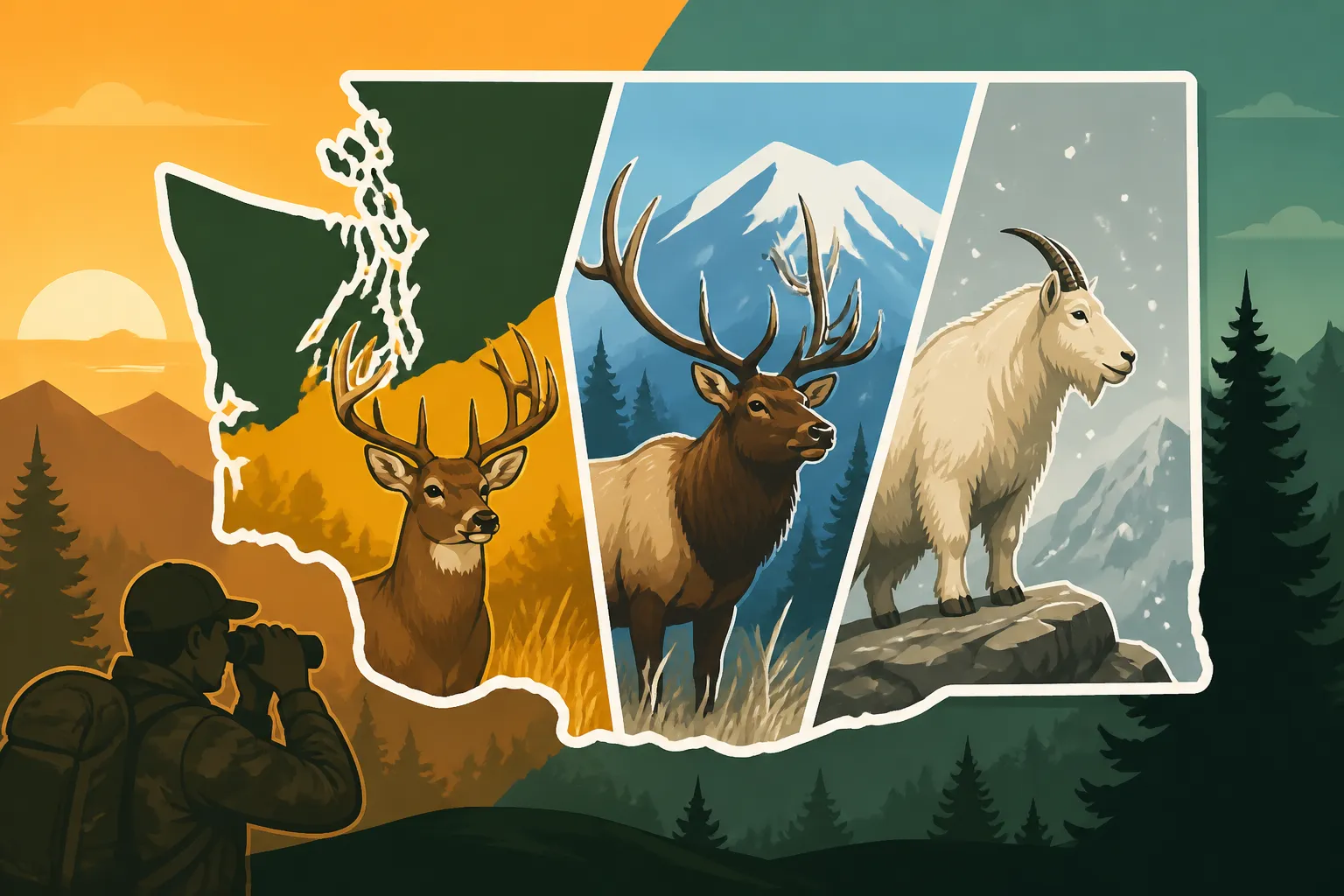
Washington Multi-Season Tags and Three Chances
Many Washington hunters feel the pinch of too few days in the field, limited by general season tags that lock them into a single weapon and a relatively short window of opportunity. It's a common frustration, especially when the weather turns sour or the animals just aren't cooperating during your chosen week. This guide is all about one of the most powerful tools available to expand your hunting calendar and significantly increase your chances of success: the Washington multi-season tag. We'll break down exactly what it is, how to get one, and more importantly, how to make the most of those coveted three chances it grants you.
Understanding the Multi-Season Tag Opportunity
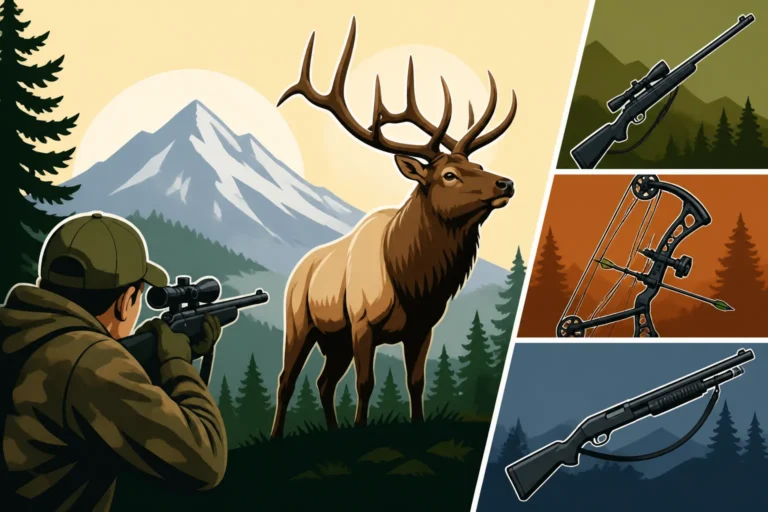
The Washington multi-season tag is a game-changer for many hunters, offering a unique avenue to pursue deer or elk across multiple weapon seasons within a single license year. Instead of being confined to a modern firearm, archery, or muzzleloader season with a standard general season tag, this special permit opens up all three. It's not just about more time in the woods; it's about adaptability and strategy, allowing you to react to conditions, animal behavior, and personal availability throughout the fall.
What the Multi-Season Tag Entails
At its core, a multi-season tag is a drawing permit. You don't just walk into a license dealer and buy one over the counter. This tag, if drawn, allows you to hunt deer or elk (you choose which species when applying) during any of the legal general seasons for that species in your chosen Game Management Unit (GMU), provided you use the appropriate weapon for that specific season. So, for example, if you draw a multi-season deer tag, you could hunt the early archery season, then switch to your muzzleloader for that season, and finally use your modern firearm during its designated dates, all for the same deer species. This flexibility is a huge advantage, especially when you consider the varied terrain and weather conditions across Washington state.
The beauty of it lies in the ability to pivot. Imagine scouting extensively for the early archery season, only to have unseasonably hot weather push the deer into dense cover, making bowhunting incredibly tough. With a multi-season tag, you don't pack it in; you simply wait for the muzzleloader season, perhaps after a rain changes conditions, or for the modern firearm season when cooler temperatures and rutting activity might make deer more visible. It truly is about giving you multiple bites at the apple, significantly broadening your windows of opportunity compared to a single-weapon general season tag. This contrasts sharply with the limitations of a standard license, where your hunt is often over if you don't fill your tag in that one brief period.
Differences from a General Season Tag
The primary distinction between a multi-season tag and a general season tag lies in its versatility. A general season tag, whether for modern firearm, archery, or muzzleloader, is exactly that: it grants you permission to hunt a specific species with a specific weapon type during its designated general season dates. Once that season ends, or if you harvest an animal, your tag is filled or expired, and your hunting for that species is typically done for the year (unless you managed to secure a second tag through other means).
The multi-season tag breaks this mold entirely. It represents an investment in prolonged opportunity. While a regular tag might be purchased over the counter, the multi-season tag requires you to enter a special draw. This means you're competing with other hunters for a limited number of these coveted permits. However, the payoff is substantial: the ability to participate in three separate hunting seasons (archery, muzzleloader, modern firearm) for the same species within the same license year. This level of access is simply unparalleled by any other single tag in Washington's system. For hunters keen on maximizing their time afield and adapting their approach to ever-changing conditions, understanding these distinctions is crucial when planning your yearly hunting strategy.
The Mechanics of Applying for a Multi-Season Tag
Securing a Washington multi-season tag isn't as simple as picking one up at your local sporting goods store. It's a process that involves understanding the draw system, meeting deadlines, and making informed choices. For many, it's a staple of their annual "Washington Special Hunt Permits and How to Apply" strategy, recognizing the immense value it offers.
Application Process and Deadlines
The application period for Washington's special permits, including the multi-season tags, typically opens in April and closes in late May. For the 2024 season, the deadline was May 22nd. This window is absolutely critical; miss it, and you miss your chance for the entire year. To apply, you'll need to purchase a hunting license and an application fee for the species you wish to pursue (deer or elk). You can apply online through the Washington Department of Fish and Wildlife (WDFW) WILD system. This online portal is where you'll manage your license, applications, and eventually check your draw results.
When applying, you'll choose between a multi-season deer tag or a multi-season elk tag. You can only apply for one or the other, not both. There's also a specific application fee for the multi-season tag itself, in addition to your general hunting license. It's imperative to double-check these fees and dates each year, as they can sometimes shift slightly. The WDFW hunting regulations pamphlet, released annually, is your absolute best source for the most current information. Many hunters also use online tools from services like GoHunt to stay on top of application deadlines and changes in the regulations, ensuring they don't miss out on this valuable opportunity.
Draw Odds and Strategy
Unlike some other states, Washington doesn't use a preference point system for its general special permit draws. Instead, it's a truly random draw. This means every applicant has an equal chance, regardless of how many years they've applied. While this can be frustrating for those hoping to build points, it also means a first-time applicant has just as much of a shot as someone who's been applying for decades. The draw odds for multi-season tags, especially for elk, can be quite low due to their popularity. For instance, drawing a Washington Multi-Season Elk Tag Odds might be in the single digits, or even less than one percent in some years.
Given the random nature, strategy focuses more on consistency than gaming the system. Apply every year if you want one. When considering "Washington's Weapon Choice Rule for Deer and Elk", remember that if you draw a multi-season tag, you're not locked into one weapon. This is where the strategy really comes into play, as you're effectively getting three separate chances at the animal. To improve your overall success chances, many hunters dedicate significant time to E-Scouting Washington GMUs Before the Draw, looking at general season harvest data and success rates across all three weapon types. While you can't influence the draw, you can influence your readiness once you have the tag.
Maximizing Your Three Chances: Strategies for Success
Drawing a multi-season tag is just the first step; the real work begins in maximizing those three distinct opportunities it provides. This isn't just about showing up for each season; it's about strategic planning, adaptability, and being prepared for the unique challenges and advantages each weapon season presents.
Adapting to Different Weapon Seasons
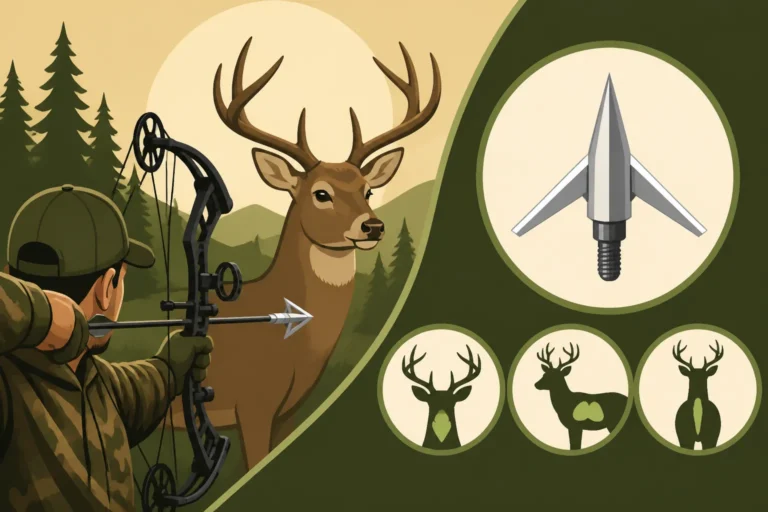
Having a multi-season tag means you need to be proficient and legally equipped for archery, muzzleloader, and modern firearm hunting. This often means distinct preparations for each. For the early archery season, focus on close-range encounters, understanding deer and elk movement during warmer weather, and perfecting your quiet approach. Your Archery Practice for Wet Coastal Conditions will be different than what you do for rifle. Then, as the Muzzleloader Season Structure approaches, you'll need to be comfortable with the intricacies of loading and shooting your muzzleloader accurately, often with limited visibility or in colder conditions. Finally, the Modern Firearm Deer Seasons (and elk seasons) often provide opportunities for longer shots and can align with the rut, requiring a different set of skills, including precision shooting and patience.
The key here is preparation. Don't just assume your skills will transfer. If you plan to utilize all three seasons, you need to dedicate practice time to each weapon. This means Sighting In Before the Opener for your rifle, practicing with your muzzleloader in conditions similar to the hunt, and ensuring your archery setup is dialed in. Tools like the "Rifle Setup for Washington Elk and Deer" guide can help you ensure your firearm is ready for those later opportunities. Many seasoned multi-season tag holders treat each phase as a separate hunt, with its own scouting, gear, and mental approach, which is vital for turning those three chances into a success story.
Scouting and Flexibility
Scouting becomes an even more critical component with a multi-season tag. Instead of focusing on a narrow window, you'll want to understand animal patterns throughout the fall. Where do elk typically feed in September for archery season? Where do deer seek cover during the muzzleloader season if hunting pressure increases? And what are the historical rutting grounds or migration routes that might be active during the later modern firearm season?
| Weapon Season | Typical Timing (General) | Key Considerations | Primary Strategy |
|---|---|---|---|
| Archery Season | Early/Mid-September | Warm weather, dense cover, pre-rut, bugling activity | Spot & stalk, ambush near water/food, calling (bugles/cow calls) |
| Muzzleloader Season | Late September/Early Oct | Cooler temps, changing foliage, increased pressure | Still-hunting, tracking, glassing clearings, ambush points |
| Modern Firearm | Mid-October/Early Nov | Cold weather, rutting activity, migration, higher pressure | Glassing, cover large areas, tracking, calling (grunts) |
This kind of flexible scouting allows you to adapt. For instance, you might spend the archery season in high-elevation basins where elk are still in their summer patterns. If unsuccessful, you could shift to lower, timbered areas for muzzleloader season as elk begin to descend or seek thicker cover from early snow. By the modern firearm season, you might be focused on migration corridors or areas closer to winter range. Using resources like GoHunt's harvest data can give you an edge by showing historical success rates across various GMUs for different weapon types, helping you pinpoint areas that consistently produce throughout the seasons. This isn't about being locked into a single plan, but having multiple plans ready to deploy.
Understanding the Limitations and Considerations
While the Washington multi-season tag offers incredible advantages, it's not without its rules and considerations. Hunters need to be fully aware of these factors to ensure they're hunting ethically, legally, and effectively. It’s a powerful tool, but like any tool, it comes with responsibilities.
Weapon Restrictions and Legalities
Despite allowing you to hunt across three seasons, the multi-season tag does not permit you to carry multiple weapons simultaneously for that species. When you are hunting during the archery season, you must comply with Washington Archery Equipment Rules, which means using only archery equipment. The same applies to muzzleloader season – you can only carry your muzzleloader and its specific components, adhering to "Washington's Muzzleloader Equipment Rules". You cannot, for example, carry a bow and a rifle during the archery season, even if your multi-season tag covers both. Each season has its own strict regulations regarding the legal equipment. This includes specific broadhead width rules for archery, caliber minimums for muzzleloaders, and the absence of optical sights for most muzzleloader hunts.
Furthermore, once you successfully harvest an animal with your multi-season tag, the tag is considered filled, and your opportunities for that species are over for the remainder of the license year, regardless of how many seasons are left. You cannot harvest a deer with your bow and then go out and try for another deer with your rifle, even if a general rifle season is open. The Washington Harvest Reporting Requirements also apply. You must immediately validate your tag and report your harvest as required by WDFW. Failure to do so can result in penalties and loss of hunting privileges. Always review the current WDFW regulations pamphlet for the most up-to-date and specific legal requirements for each weapon type and season.
Draw-Specific Considerations
It's important to remember that the multi-season tag is species-specific. You apply for either a deer multi-season tag or an elk multi-season tag, not both. And, crucially, if you draw a multi-season tag for a given species, you cannot apply for any other special permit for that same species in the same year. For example, if you draw a multi-season elk tag, you can't then apply for a quality elk special permit or any other type of special permit for elk. This is a significant trade-off, as some special permits offer access to units with exceptionally high success rates or trophy potential.
Therefore, when deciding to apply for a multi-season tag, you need to weigh the value of extended general season access against the potential for drawing a high-quality, limited-entry special permit. Some hunters opt for the multi-season tag for consistent, broader access, while others prioritize their "Four Hunt Choices on a Washington Application" on a single, higher-odds special permit for a specific GMU. There's no single "right" answer; it depends on your personal hunting goals and priorities. Services like GoHunt are fantastic for analyzing draw odds for both multi-season tags and other special permits, helping you make an informed decision on which application strategy best fits your aspirations for the upcoming Washington hunting season.
Disclaimer
Please note that hunting regulations, seasons, and licensing requirements in Washington State can change. Always consult the official Washington Department of Fish and Wildlife (WDFW) hunting regulations pamphlet and website for the most current and accurate information before planning any hunt. This guide is for informational purposes only and should not be considered a substitute for official WDFW regulations.