Washington National Park Hunting Rules
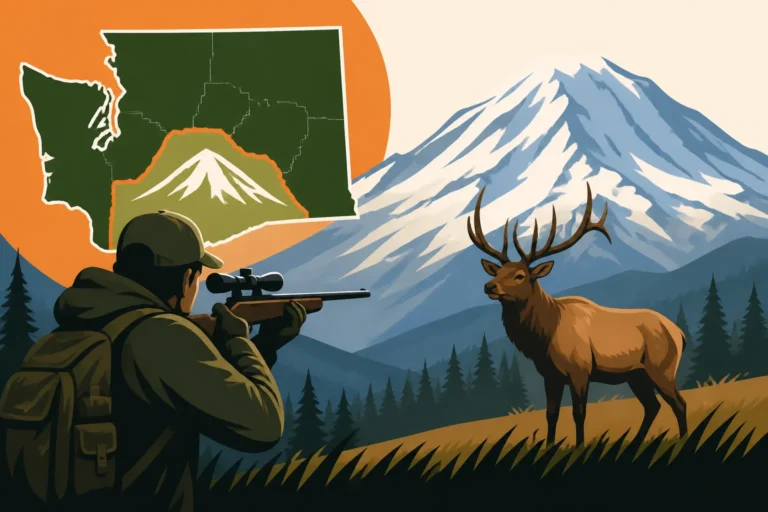
It can be incredibly frustrating to spend hours researching a promising hunting unit, only to discover a large portion of it falls within a national park where hunting is strictly prohibited. Many hunters, especially those new to Washington's diverse landscapes, get these boundaries confused, leading to wasted time or, worse, accidental trespass. This guide is here to untangle the web of Washington's national park regulations, clearly outlining where you can and cannot hunt, and how to effectively plan your trips around these protected areas.
The Fundamental Difference: National Parks Versus National Forests for Hunting
Let's clear up one of the biggest points of confusion right away: National Parks are not the same as National Forests when it comes to hunting. This isn't just a bureaucratic distinction; it's a fundamental difference in their very purpose and how they are managed, which directly impacts your hunting opportunities in Washington State. Understanding this distinction is the cornerstone of responsible and legal hunting here.
Why National Parks Prohibit Hunting
National Parks, managed by the National Park Service (NPS), are established with a primary mandate of preserving natural and cultural resources for future generations. This mission often translates into a hands-off approach to wildlife management within their boundaries, focusing on ecological processes rather than human intervention like hunting. The idea is to maintain ecosystems as undisturbed as possible, allowing natural predator-prey dynamics to unfold without the added pressure of recreational hunting. For instance, an elk herd within a national park might be managed differently, or not at all, compared to an adjacent herd on National Forest land. This isn't about the animals themselves being "better" or "worse" in one area; it's purely about the management philosophy of the land.
This preservationist ethic means that activities like timber harvesting, mining, and, yes, sport hunting are generally not permitted within National Park boundaries. While some forms of subsistence hunting or specific wildlife control measures might occur under very rare, tightly controlled circumstances (often involving specific tribal agreements or emergency situations), these are exceptions and not open to the general public. As a recreational hunter, you should operate under the assumption that National Parks are always off-limits.
How National Forests and Other Public Lands Differ
In stark contrast, National Forests, managed by the U.S. Forest Service (USFS), generally embrace a "multiple-use" philosophy. This means they are managed for a variety of uses, including timber production, recreation, grazing, and, crucially for us, hunting and fishing. While there are certainly regulations, designated wilderness areas, and specific closures within National Forests, the overarching policy is to allow hunting in accordance with state laws. This is why you'll find vast tracts of huntable land in places like the Gifford Pinchot National Forest or the Okanogan-Wenatchee National Forest.
Beyond National Forests, Washington also offers extensive hunting opportunities on lands managed by the Bureau of Land Management (BLM) and the Washington Department of Natural Resources (DNR). These agencies also operate under different mandates than the National Park Service, generally permitting hunting as part of their recreational and resource management goals. It's the patchwork of these different land management types that makes understanding boundaries so critical in Washington. Public Land Hunting in Washington: Forest, DNR and BLM delves deeper into these distinctions.
Specific Washington National Parks and Their Hunting Status
Washington State is home to some truly magnificent National Parks, each offering breathtaking scenery and incredible wildlife viewing opportunities. However, for hunters, it’s important to understand that these areas, by their very designation, are closed to hunting. This often catches folks off guard, especially when they see abundant game right on the park boundary.
Olympic National Park
Nestled on the Olympic Peninsula, Olympic National Park is a jewel of diverse ecosystems, from rugged coastlines to temperate rainforests and glaciated peaks. It's home to a thriving population of Roosevelt elk, blacktail deer, and black bears, among other species. The dense timber and remote valleys certainly look like prime hunting grounds. However, the entirety of Olympic National Park is a hunting exclusion zone. You simply cannot hunt within its designated boundaries.
This means that while you might spot a trophy bull Roosevelt elk right inside the park line, pursuing it is illegal. The frustration is real when you spend days scouting adjacent Olympic Unit Roosevelt Elk country and see animals disappear into the protected area. You need to be acutely aware of the park's perimeter, which can be winding and sometimes unclear on older maps. Hunters often pursue elk and deer in the surrounding Olympic National Forest and on Washington Department of Natural Resources (DNR) lands that border the park, but precise navigation is key. We have a dedicated article that dives into Olympic National Park Versus Forest Hunting to help clarify these nuances.
Mount Rainier National Park
Rising majestically in the Cascade Range, Mount Rainier National Park is an iconic landmark, famous for its glaciers, alpine meadows, and ancient forests. It's a critical watershed and a haven for wildlife. Like Olympic National Park, Mount Rainier National Park is completely closed to all forms of hunting. The park's purpose is conservation, and that mandate prohibits recreational hunting within its extensive boundaries.
For hunters looking to pursue elk or deer in the vicinity, the surrounding Gifford Pinchot National Forest offers plenty of opportunities. However, the park's boundaries often interweave with this national forest land, creating a complex mosaic. A common scenario might involve hunting in a unit like the Margaret Unit and the Blast Zone or the Ohanapecosh Unit adjacent to Rainier, and needing to be absolutely certain you are outside park property. It's a landscape where knowing your exact location is not just good practice, but a legal necessity. We cover the specifics of Mount Rainier Boundary and Washington Hunting in more detail, as it’s a frequent source of questions.
North Cascades National Park Complex
The North Cascades National Park Complex, comprising North Cascades National Park, Ross Lake National Recreation Area, and Lake Chelan National Recreation Area, presents a slightly more nuanced, but still very restrictive, situation. While the National Park portion itself prohibits hunting, the two National Recreation Areas (Ross Lake and Lake Chelan) do permit hunting, but only under very specific and limited conditions, and usually only for particular game species or methods, and always in accordance with Washington State hunting regulations. However, for the most part, you should still consider this entire complex as a no-go for general big game hunting.
The complexity here means that while a small portion might be open, the vast majority is not, and the regulations can be confusing to interpret. It's not a place where most hunters actively target game. The more accessible and traditional hunting grounds are found in the surrounding Okanogan-Wenatchee National Forest and other state lands. This area is rugged and remote, and mistakenly entering a prohibited zone can have serious consequences. If you are considering this region, consult the most current park complex regulations directly from the National Park Service, in addition to the Washington Department of Fish and Wildlife (WDFW) pamphlet. For more context, you can read our piece on North Cascades Park Hunting Rules.
| National Park in Washington | General Hunting Status | Primary Reason | Adjacent Public Lands for Hunting |
|---|---|---|---|
| Olympic National Park | Closed | Preservation | Olympic National Forest, DNR lands |
| Mount Rainier National Park | Closed | Preservation | Gifford Pinchot National Forest |
| North Cascades National Park Complex | Mostly Closed (NRA exceptions) | Preservation | Okanogan-Wenatchee National Forest |
Navigating the Boundaries: Knowing Where You Can and Can't Hunt
Even seasoned hunters can find themselves scratching their heads when trying to pinpoint exact boundaries in Washington's wild country. The lines between National Parks, National Forests, state lands, and private timber often weave together like a tangled knot, making accurate navigation absolutely critical. The last thing any hunter wants is to inadvertently step into a restricted area, especially when a game animal is in sight.
Essential Mapping Tools for Boundary Identification
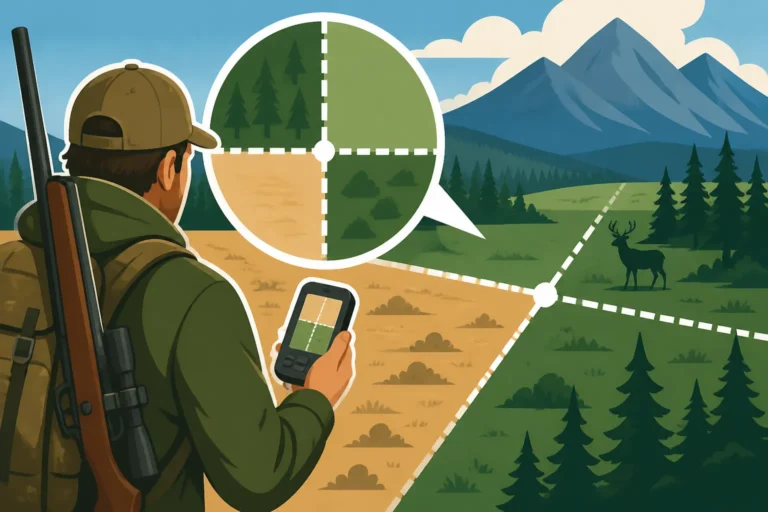
Modern technology has made a huge difference in helping hunters stay legal and informed. Gone are the days of relying solely on paper maps that might be outdated or lack the precise detail needed for complex boundaries. Today, GPS units and smartphone apps have become indispensable. Tools like onX Hunt and GoHunt offer detailed mapping layers that clearly delineate land ownership, including National Park boundaries, National Forests, private parcels, and various state lands. These apps are a game-changer, providing real-time location tracking against these crucial property lines.
When you're out in the field, particularly in areas where National Parks border active hunting grounds, having your map synced with your GPS location is non-negotiable. Imagine tracking a blacktail deer through dense Westside timber, only to realize the boundary of Olympic National Park is just ahead. With a reliable mapping app, you can see that line clearly on your screen, preventing an accidental transgression. Even if you prefer traditional paper maps, always supplement them with a digital option. Download your maps for offline use before you leave home, as cell service is often non-existent in the remote areas where these parks are located. Understanding how to GPS Units Versus Phone Apps can save you a lot of headaches.
Recognizing Boundary Markers and Physical Features
While digital maps are invaluable, always be aware of physical boundary markers on the ground. These can include signs, painted trees, or even changes in forestry practices that subtly indicate a shift in land ownership or management. For example, National Park boundaries are often marked with distinctive signs that explicitly state "No Hunting." These might not be as common or well-maintained in truly remote areas, but where they exist, they are your first line of defense against accidental trespass.
Sometimes, a change in vegetation, fencing, or road conditions can also hint at a boundary. For instance, you might transition from actively logged DNR or private timber land into the older growth and different management style characteristic of a National Park. Pay attention to subtle cues. This is especially true when hunting areas like those bordering Mount Rainier, where the rugged terrain makes precise navigation challenging. Always double-check your position against multiple sources if you have any doubt. The importance of Reading a Washington GMU Boundary extends far beyond just game management units to include these critical land ownership lines.
Permits, Regulations, and Planning Your Hunt Around National Parks
Since hunting is off-limits within Washington's National Parks, your focus naturally shifts to the extensive surrounding public and private lands where hunting is permitted. These adjacent areas often hold abundant game, making them attractive to hunters. However, planning a successful hunt in these regions means adhering to all Washington Department of Fish and Wildlife (WDFW) regulations, securing the correct permits, and strategically scouting to avoid the no-go zones.
Washington State Hunting Regulations for Adjacent Lands
When hunting on National Forests, DNR lands, or private timber surrounding Washington's National Parks, you are subject to the full suite of WDFW regulations. This includes possessing the appropriate hunting license, tags for specific species (deer, elk, bear, cougar), understanding season dates, weapon restrictions, and bag limits for the particular Game Management Unit (GMU) you are in. It's not enough to just know you're outside the park; you must also be legal for the specific area you are hunting within the state's framework.
For example, if you're hunting blacktail deer in a unit bordering Olympic National Park, you'll need a valid deer tag, adhere to the season dates for that GMU, and use a legal weapon for the season (archery, muzzleloader, or modern firearm). Washington's Legal Equipment Rules by Weapon and Washington Big Game Licence and Tag Costs are excellent resources to ensure you have all your ducks in a row. Remember, WDFW regulations are dynamic and can change annually, so always consult the most current hunting pamphlet or the WDFW website before planning your hunt.
E-Scouting and Physical Scouting Strategies
Effective scouting is paramount when hunting near National Parks. Your goal is not only to find game but also to intimately understand the legal boundaries. Start with extensive e-scouting from home using online mapping tools. Identify the National Park boundaries, then overlay GMU lines, road closures, and topography on the adjacent public lands. Look for natural funnels, pinch points, and potential game corridors that might lead animals away from the park and into legal hunting areas. Pay attention to areas where steep terrain or difficult access might naturally act as a buffer, pushing animals into more accessible (and legal) zones. E-Scouting Washington GMUs Before the Draw offers valuable techniques for this.
Once you have a general plan, physical scouting is essential. Walk the park boundaries where you intend to hunt. Look for any physical markers or signs. Understand the terrain feature by feature so that if you're pushing an animal, you know exactly how far you can go. This hands-on knowledge builds confidence and prevents "boundary anxiety" during the actual hunt. Pay attention to traditional game trails and water sources, as these often continue across property lines, but remember, you can't follow that trail once it crosses into the park.
Equipment and Ethics When Hunting Near National Parks
Hunting adjacent to a National Park isn't just about knowing where not to go; it's also about having the right gear and adopting a strong ethical approach. The presence of these protected areas, often teeming with wildlife, means you need to be extra vigilant, prepared, and respectful of both the law and other users of the land, including hikers and wildlife watchers who frequent park areas.
Responsible Shot Placement and Recovery
When hunting near National Park boundaries, the stakes for a clean shot and quick recovery are even higher. Imagine you're on National Forest land just a few hundred yards from a National Park boundary, and you take a shot at a magnificent bull elk. If that animal runs into the park before expiring, you've got a major problem on your hands. Recovering a downed animal from within a National Park is strictly prohibited without explicit, often difficult-to-obtain, permission from the National Park Service, and usually only after WDFW has been involved and confirmed the situation. This can lead to wasted meat, an unrecovered animal, and potential legal issues for you.
Therefore, your shot selection needs to be impeccable. Only take shots where you are absolutely confident of a clean kill and where the animal is moving away from the park boundary or is far enough inside legal hunting grounds that even a significant run won't take it into the protected zone. This might mean passing on a shot you would otherwise take in a more open area. Prepare for blood trailing and field dressing; Blood Trailing in Salal and Devil's Club can be particularly challenging in Washington's thick westside brush. Prioritize ethical hunting and avoid any risk that could compromise the integrity of the kill or the hunt.
Respecting Non-Hunters and Other Recreationists
National Parks attract millions of visitors annually, many of whom come specifically to view wildlife and enjoy the quiet solitude of nature. When hunting on adjacent public lands, especially near popular park entrances or trails, you are likely to encounter non-hunters, including hikers, photographers, and families. It is your responsibility as a hunter to represent the hunting community in a positive light.
This means being courteous, respectful, and understanding that your presence might be unexpected or even unsettling to some. Avoid any actions that could be perceived as unsafe or intimidating. Dress in appropriate hunter orange where required. Make sure your actions and appearance do not alarm others. If approached, be polite and willing to explain what you're doing, within reason. Remember, public perception of hunting is influenced by every hunter's actions, and maintaining access to public lands often hinges on our collective behavior.
Conclusion: Hunting Washington's Edges
Hunting near Washington's National Parks presents a unique set of challenges and responsibilities. While the parks themselves are majestic and worth visiting for their natural beauty, they are definitively off-limits for recreational hunting. Your opportunities lie in the vast and equally stunning National Forests, state lands, and private timber holdings that often abut these protected areas.
Successful hunting in these "edge" zones boils down to diligent preparation: understanding the critical distinction between land management agencies, meticulously charting your course with modern mapping tools, strictly adhering to WDFW regulations, and always prioritizing ethical conduct. It's about respecting the boundaries—both legal and social—and ensuring that your pursuit of game remains within the spirit of responsible conservation. By doing so, you can enjoy some of Washington's most incredible hunting experiences while honoring the diverse uses of our wild spaces.
Disclaimer
This article is for general informational purposes only and does not constitute professional advice. Laws, prices and regulations vary by location and change over time. Consult a qualified professional for guidance on your specific situation.