William O. Douglas Wilderness Access
Venturing into Washington's vast wilderness for a hunt is a dream for many, but the sheer scale and remoteness of areas like the William O. Douglas Wilderness can feel overwhelmingly complex to access and navigate. This guide aims to demystify the process, offering practical advice and realistic insights into how to approach hunting in this formidable and rewarding backcountry, ensuring you're prepared for the challenges and incredible experiences it offers.
Understanding the William O. Douglas Wilderness
The William O. Douglas Wilderness is a truly immense and rugged expanse, stretching across a significant portion of the Cascade Mountains in south-central Washington. Named after the famed Supreme Court Justice and environmentalist, this area is a testament to untamed nature, characterized by its high peaks, deep valleys, pristine alpine lakes, and dense forests. For hunters, it represents an opportunity to pursue game in a genuinely wild setting, far from the roads and immediate human impacts that define so many other hunting grounds.
Geographic Location and Boundaries
This wilderness area sprawls across three national forests: the Gifford Pinchot, Okanogan-Wenatchee, and Mount Baker-Snoqualmie. It's effectively split by the Cascade crest, meaning you'll find both the wet, dense forests of the west side and the drier, more open pine and subalpine fir stands of the east side within its boundaries. Elevations range dramatically, from approximately 3,000 feet in the lower valleys to over 8,000 feet on peaks like Gilbert Peak. This diverse topography means varying vegetation, weather patterns, and, crucially, different game behaviors. Understanding which Washington Game Management Units Explained fall within or abut its edges is your first step in pinpointing where you might focus your efforts. The sheer size of this wilderness, over 160,000 acres, means that accessing its heart often requires multi-day packing trips, a significant commitment that demands careful preparation.
The northern boundary generally lies south of White Pass and Highway 12, extending south toward the Goat Rocks Wilderness, another significant wild area. To the west, it borders the Norse Peak Wilderness, creating an even larger continuous stretch of roadless country. This interconnectedness is both a blessing and a curse; it provides vast habitat for game, but also makes navigation and extraction incredibly challenging. The topography is a relentless series of climbs and descents, with countless drainages and ridgelines to contend with, each looking remarkably similar on a map, which can easily disorient even experienced outdoorsmen. You'll quickly learn that a mile here feels much longer than a mile back home.
Wilderness Designation and Regulations
The "wilderness" designation isn't just a fancy name; it comes with a strict set of regulations designed to preserve its primitive character. The most critical rule for hunters is the absolute prohibition of motorized vehicles or equipment. This means no ATVs, no e-bikes, no chainsaws, and even limits on mechanized devices like mountain bikes. If you're going in, your feet, or the feet of a pack animal, are your only mode of transportation. This dramatically shapes hunting strategy, pushing you to rely entirely on your physical capabilities and bushcraft skills. You're not just hunting for game; you're also hunting for the resilience within yourself.
Beyond the motorized ban, there are often specific rules regarding group size, camping locations, and the use of stock animals. For example, many wilderness areas, including this one, have limits on how many people and stock animals can travel or camp together. These Group Size Limits in Wilderness are in place to minimize impact on fragile ecosystems and preserve the solitude experience for others. While you might dream of a massive group hunt, the wilderness often dictates a smaller, more nimble approach. Understanding these nuances before you even load your truck is vital to avoid potential fines or conflicts. Always check the current regulations with the managing National Forest Service office well in advance of your trip. These rules aren't meant to spoil your fun, but to protect the very wildness that draws us there.
Primary Access Points and Trailheads
Getting into the William O. Douglas Wilderness is half the battle. While there are numerous trailheads ringing its perimeter, some are certainly more popular or offer more direct routes into productive hunting areas. Knowing which access point suits your hunting style and target species is crucial. The east side versus west side divide, a common theme in Washington, definitely applies here and influences your entry strategy.
Popular Western Entrances
On the western side of the wilderness, you'll generally encounter more precipitation, denser timber, and steeper, more sustained climbs, reflecting the classic characteristics of Washington's Eastside and Westside Split. Trailheads like those off Highway 410 or near the White Pass area, though they might seem accessible from major roads, quickly plunge you into rugged country. These trails often follow river valleys initially before ascending steeply to high ridges or alpine lakes. Expect a lot of elevation gain in a short distance. You might be starting in a dense, mossy forest that gradually transitions to subalpine fir and then open rock and meadows higher up.
Hunters often use these western access points to target Roosevelt elk or blacktail deer, though Rocky Mountain elk may also be found closer to the Cascade crest. The heavy timber can make glassing challenging, so still-hunting and tracking are often the preferred methods. Be prepared for wet conditions, even in early archery season, and muddy trails that can add significant fatigue to your hike. Key trailheads might include those leading into the headwaters of the American River or Bumping River drainages. Remember, the deeper you go, the less human pressure you'll likely encounter, but the harder the work becomes. Parking at some of these trailheads can also fill up quickly, especially during prime hunting seasons or popular hiking weekends, so an early start is often a good strategy.
Eastern Approaches and Considerations
The eastern side of the William O. Douglas Wilderness, generally accessed from roads off Highway 12 east of White Pass, offers a different landscape and hunting experience. Here, the forests are typically more open, dominated by ponderosa pine and Douglas fir at lower elevations, transitioning to drier subalpine country. The terrain can still be incredibly steep and broken, but often features more expansive views, making glassing a more viable tactic, especially for Mule Deer of Eastern Washington or Rocky Mountain Elk East of the Washington Cascades.
Trailheads on the east side often lead into areas like the Naches River drainage or the Little Naches River country. These approaches can sometimes offer more gradual ascents in certain areas, but don't be fooled; the wilderness will still test you. Water sources can be less reliable on the east side, especially later in the season, making careful hydration planning essential. Access roads leading to these trailheads might be gravel and require a high-clearance vehicle, and some may have seasonal closures due to snow or fire danger. It's crucial to check road conditions and forest service alerts before you go. This side might feel more "open," but it's just as wild, and the distances can be just as deceiving.
Navigating Road Access and Closures
The journey to the trailhead itself can sometimes be the first hurdle. Many access roads to wilderness trailheads are within national forest land and may be part of a Green Dot Road system or subject to seasonal closures. Checking Washington Road Closures Before You Go is not merely a suggestion, it's an absolute necessity. A road that was open last year might be closed this year due to washouts, logging operations, or to protect wintering wildlife. Imagine driving for hours, only to find a locked gate or a road impassable due to snow—it's a frustrating reality many hunters face.
Forest Service maps, available at ranger stations or online, are your best friend for understanding these access roads. Digital mapping tools like onX Hunt are also incredibly valuable, often showing road statuses, property boundaries, and trail systems, even in areas without cell service if you've downloaded the maps beforehand. Pay close attention to "non-motorized" road designations, as these often mark the boundary where vehicles must stop, and your hike begins. Always have a physical map and compass as a backup, because electronics can fail, and getting lost before you even start your hunt is a terrible way to begin. Road conditions can change rapidly with weather, so flexibility and alternative plans are always a good idea.
Essential Planning for a Wilderness Hunt
Hunting in the William O. Douglas Wilderness isn't a spur-of-the-moment decision; it demands meticulous planning. This isn't your average day hunt from the truck; it's a multi-day expedition into genuinely remote country, where self-reliance is not just a virtue but a necessity. Every piece of gear, every route decision, and every emergency plan needs careful consideration.
Permitting and Group Size Rules
While a general hunting license and tag are what get you in the game, specific wilderness areas sometimes have additional administrative requirements. It's always a good idea to check with the local U.S. Forest Service office for the particular district you plan to hunt within the William O. Douglas Wilderness. Sometimes, simple self-issue permits might be required at the trailhead to track visitor use, or certain areas might have specific limitations on things like campfires or stock usage. These aren't usually major hurdles, but overlooking them could lead to an unwanted interaction with a ranger.
Beyond permits, understanding group size limitations is critical, especially if you're planning a hunt with friends or family. As mentioned earlier, Group Size Limits in Wilderness exist to manage impact and maintain solitude. While a larger group might seem safer or more efficient for packing out, it can also increase your footprint and violate regulations. Assess your group size realistically and communicate with everyone about the rules before you commit to a plan. If you're bringing pack animals, there might be additional rules regarding feed (often requiring certified weed-free feed) and where stock can be grazed or tethered.
Gear and Preparation for Remote Travel
Your gear list for a William O. Douglas Wilderness hunt will look very different from a typical roadside hunt. Every item needs to be functional, lightweight, and durable, because you'll be carrying it all on your back. Think about shelter for multiple nights—a sturdy, weather-resistant tent or tarp system is essential. Your sleeping system (bag and pad) needs to be rated for temperatures colder than you expect, as mountain weather is famously unpredictable, even in September. Backcountry Camps in Washington Wilderness require a complete setup, including cooking gear, enough food for planned days plus a buffer, and a reliable water filtration system. Speaking of water, you will absolutely need a Water Filters for Backcountry Camps or chemical treatment, as carrying enough water for days of strenuous activity is simply not feasible.
Footwear is another non-negotiable item. You'll be covering miles of uneven, steep, and potentially wet ground, so sturdy, well-broken-in boots with good ankle support are paramount. Consider something like the specialized Boots for Washington's Eastside Rock and Westside Mud, depending on which side you primarily focus your hunt. Layering clothing is key for adapting to fluctuating temperatures and activity levels; avoid cotton at all costs. Quality rain gear that can withstand persistent precipitation, especially on the west side, is also a must. You don't want to be miserable and hypothermic miles from the truck. Think about your hunting weapon, too. A lighter, more compact rifle or bow might be favored over a heavy magnum for constant climbing and descending, but still capable enough for the game you seek.
E-Scouting and Navigation in Deep Wilderness
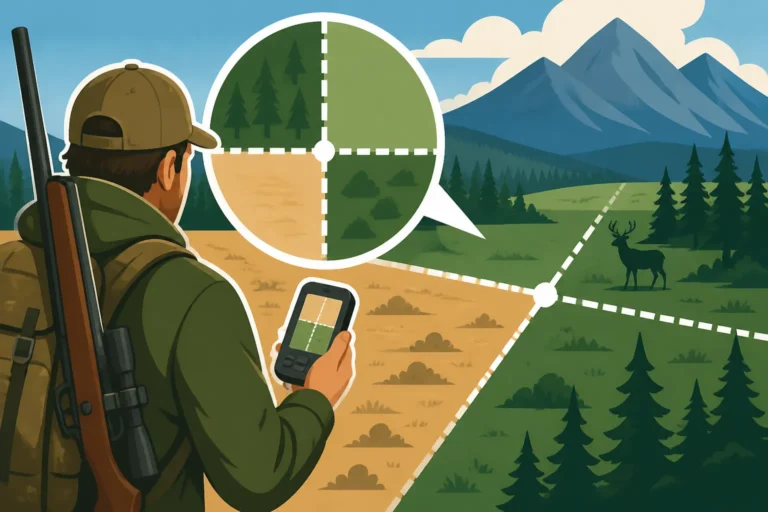
In the vastness of the William O. Douglas Wilderness, reliable navigation is probably the most critical skill after physical fitness. Cell service is practically non-existent once you leave the major highway corridors, so you cannot rely on streaming maps or internet access. This is where dedicated GPS units or smartphone apps with pre-downloaded offline maps truly shine. Tools like onX Hunt are incredibly powerful for E-Scouting Washington GMUs Before the Draw from the comfort of your home, allowing you to identify potential travel corridors, water sources, bedding areas, and glassing points long before you hit the trail.
When you're actually on the ground, these digital maps allow you to track your progress, mark waypoints (like a potential kill site or a hidden spring), and ensure you stay within your chosen hunting unit. However, always carry a physical map (waterproofed, of course) and a compass, and know how to use them. Batteries die, screens crack, and technology can fail. Being able to orient yourself with traditional methods could literally save your life. Before your trip, trace your planned routes on your physical map and transfer critical waypoints from your e-scouting efforts. Understanding your egress points, potential emergency rendezvous locations, and even identifying where nearest rescue services might be able to reach you are all part of responsible wilderness navigation.
Hunting Strategies for William O. Douglas Wilderness
Hunting in a wilderness area like William O. Douglas presents unique challenges and rewards. The game animals here often behave differently than their counterparts closer to roads, and your approach needs to adapt to the terrain, lack of pressure, and the sheer effort required.
Targeting Elk and Deer in Wilderness Terrain
The William O. Douglas Wilderness is home to a robust population of Rocky Mountain Elk East of the Washington Cascades and Mule Deer of Eastern Washington, and even some Roosevelt elk and blacktail deer on its western fringes. These animals, especially the elk, often seek refuge deep within the wilderness, far from the sounds and smells of human activity. This means they might be less skittish and more patterned than those in heavily hunted areas. However, "less skittish" doesn't mean easy. They still possess keen senses and will disappear into the dense timber or rugged canyons at the first sign of danger.
Your scouting efforts, both pre-season and in-field, need to focus on identifying historical travel routes, wallows, feeding areas (especially in high alpine meadows), and bedding sites that offer security. Look for older sign, as game might move through an area seasonally. Because of the vastness, often you're not just finding an elk, you're finding a herd of elk that lives in a particular drainage or basin. Still-hunting through dense timber, moving slowly and deliberately, is often effective, particularly on the western side. On the eastern side, patient glassing from high vantage points can reveal animals feeding in open slopes or crossing avalanche chutes. Be prepared for a physically demanding hunt, where success often comes down to perseverance and the willingness to go that extra mile—or five—that others won't.
High-Country Hunting Tactics
Much of the William O. Douglas Wilderness is high-country terrain, characterized by subalpine forests, open parks, rocky slopes, and alpine basins. Hunting in these elevations demands different tactics. Early season (like September archery) can be fantastic as game animals are often still high, feeding on lush forbs and grasses before the snow pushes them down. Look for benches and saddles that connect feeding areas to bedding cover. These funnels are prime locations for ambushes or calling setups. During the rut, elk bugles can echo across valleys, making it possible to locate distant herds. However, distance in the mountains can be deceiving; what sounds close might be miles away.
Weather can change dramatically and quickly at high elevations. A warm, sunny morning can turn into a freezing rain or snowstorm by afternoon. Always pack layers, quality rain gear, and a small emergency kit, even if you plan a "day trip" from a spike camp. Glassing is paramount in open high country. A good set of binoculars, preferably mounted on a tripod for stability, will save you miles of walking and allow you to pick apart distant slopes for any sign of movement. Patience is key; spend hours behind your glass, letting your eyes adjust, and you'll often pick out an animal where you saw nothing before.
Packing Out Your Harvest
The reality of success in the William O. Douglas Wilderness is that the actual hunting might be easier than the packing out. This is a topic that can make even seasoned hunters groan. Hauling hundreds of pounds of meat, hide, and antlers for miles over rugged, steep, and often brushy terrain is an immense physical and mental undertaking. If you're fortunate enough to make a kill deep in the wilderness, you need a solid plan for getting that meat off the mountain. This isn't a job for a flimsy daypack; you need a sturdy internal or external frame pack.
Consider using the gutless method for field dressing, which involves quartering the animal without removing the entrails, saving weight and mess. You'll want sturdy game bags to protect the meat from flies and dirt. Having a partner, or even better, multiple partners, significantly eases the burden. An average bull elk can require multiple trips, even for a fit individual, and can easily total 200-300 pounds of meat, bone, and hide. Plan for How Many Trips an Elk Takes and allocate sufficient time. Sometimes, it might mean making an initial trip out with the heaviest quarters, caching the rest (protected from scavengers), and returning the next day. Hydration, calorie intake, and basic first aid for blisters and muscle strains become crucial during this phase. This is where your physical training and mental toughness are truly put to the test, but the reward of organic, hard-earned wild game meat makes every agonizing step worth it.
| Access Type | Characteristics | Pros for Hunters | Cons for Hunters | Typical Game |
|---|---|---|---|---|
| Western Side | Dense forests, high precipitation, steep terrain, numerous drainages. | Often less human pressure further in, good cover for stalking. | Difficult visibility, very physically demanding, wet conditions. | Roosevelt Elk, Blacktail Deer, some Rocky Mountain Elk |
| Eastern Side | Drier, more open pine forests, broken terrain, more expansive views. | Better glassing opportunities, potentially longer sight lines. | Water can be scarce, still very steep and rugged, limited cover in some areas. | Rocky Mountain Elk, Mule Deer, some Black Bear |
Disclaimer
This article is for general informational purposes only and does not constitute professional advice. Laws, prices and regulations vary by location and change over time. Consult a qualified professional for guidance on your specific situation.