Margaret Unit and the Blast Zone
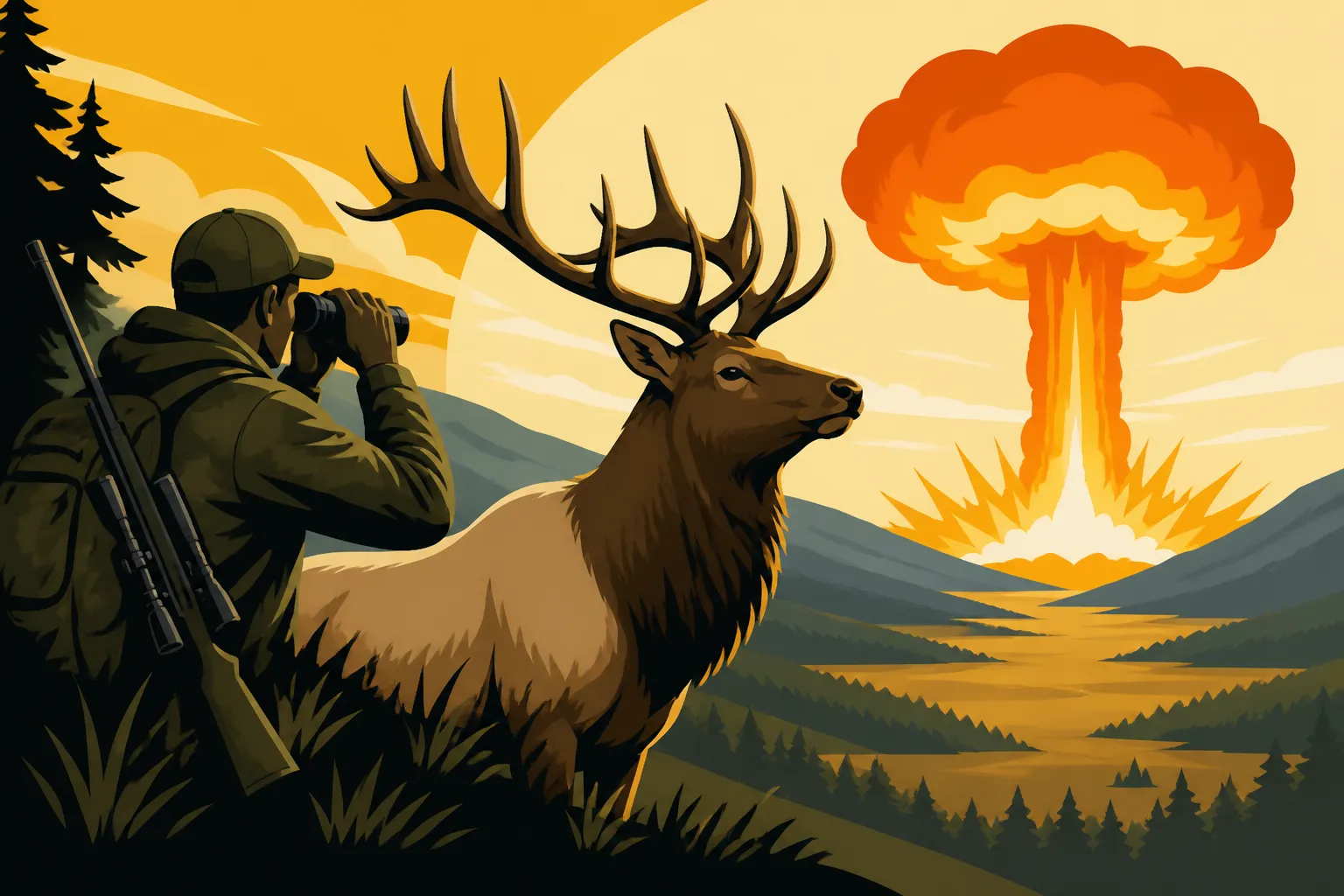
Hunting the Margaret Unit in Washington means stepping into a landscape profoundly shaped by one of nature's most dramatic events. It's a place where the raw power of Mount St. Helens is still palpable, leaving a unique, often challenging, but incredibly rewarding environment for hunters. This guide will walk you through what to expect when you venture into this unique "blast zone" territory, from understanding the terrain to finding game and preparing for a truly wild hunt.
The Enduring Legacy of Mount St. Helens in the Margaret Unit
The Margaret Unit isn't just another patch of Washington timber; it's a living monument to the 1980 eruption of Mount St. Helens. When you hunt here, you're not just scouting for game; you're navigating a landscape that was literally reborn from ash and blowdown. This geological history defines everything, from the types of cover you'll encounter to how game animals move through their territory.
A Landscape Forged by Catastrophe: Understanding the Terrain
Imagine the force that flattened thousands of acres of forest in an instant. That event sculpted the Margaret Unit into something truly extraordinary. You'll find a striking patchwork here: scattered pockets of old-growth timber that somehow survived, vast expanses of regenerating clearcuts thick with alder and young fir, and haunting sections of standing snags, the skeletal remains of what once was. There are areas of deep, dark timber, but just as often, you'll break out into open slopes carpeted in brush and huckleberries, or stumble upon choked river bottoms filled with downed timber that’s slowly decaying. This isn't uniform forest by any stretch; it's a dynamic, scarred, and ever-changing environment. This varied terrain means hunters need to be adaptable, as conditions can shift dramatically within a short distance. It’s a place where you might be Still-Hunting Blacktails in Wet Washington Brush one moment and glassing across a brush-choked slope the next.
Reading the Ground: How Post-Eruption Habitat Influences Game
The unique habitat mix resulting from the eruption is precisely what makes the Margaret Unit so appealing to big game. The dense, regenerating forest provides incredible security cover for elk and deer, allowing them to vanish quickly. Blowdown areas, while a nightmare to traverse on foot, offer secluded bedding spots. Clearings and younger timber are often teeming with forage like huckleberries, salal, and fireweed – prime food sources. Understanding this relationship is key. Elk, especially Roosevelt elk, are masters of using this broken country to their advantage. They'll move between the thick thermal cover of deep draws and the richer feeding grounds of the sun-drenched clearings. Deer, particularly blacktails, will hunker down in the densest thickets, often right under your nose. Learning to identify these different habitat types and predict how game will utilize them is paramount. It’s a constant puzzle, but one that savvy hunters can solve by paying close attention to the details of the landscape.
Unlocking Hunting Opportunities for Elk, Deer, and Bear
Despite, or perhaps because of, its tumultuous past, the Margaret Unit is home to a robust population of big game. Roosevelt elk, blacktail deer, and black bears all thrive in this rugged environment, offering challenging yet highly rewarding hunting experiences.
Roosevelt Elk: Masters of the Margaret Unit's Rugged Cover
If you’re dreaming of a Roosevelt elk hunt, the Margaret Unit should definitely be on your radar. These coastal giants are perfectly adapted to the dense, wet, and steep country found here. They use the thick regenerating timber and deep drainages for cover, often bedding down in areas that are nearly impenetrable to humans. During the early seasons, you might find them feeding heavily on the abundant huckleberries and other lush vegetation in the clearcuts. As the season progresses and pressure mounts, they become even more adept at disappearing into the thickest cover imaginable. You'll need to be prepared to hike, to push through brush that feels like it's trying to swallow you whole, and to pay close attention to subtle signs of their presence. Success often comes to those who are willing to go deeper and harder than others. It's not uncommon for hunters to find themselves Setting Up on a Herd Bull in Dark Timber after a long, arduous hike.
Blacktail Deer and Bear: Adapting to a Dynamic Environment
Beyond elk, the Margaret Unit is also prime habitat for Columbian blacktail deer and black bears. Blacktails, much like their Roosevelt cousins, thrive in the dense undergrowth and thick timber. They are incredibly elusive, often moving through the shadows, melting into the landscape. You’ll find them browsing on brush and saplings, typically sticking to the edges of clearings or tucked away in dense pockets of reprod. Still-hunting slowly and meticulously through the thick stuff can be highly effective, as can focusing on transitions between different habitat types.
Black bears are also common, particularly during late summer and early fall when berries are ripe. They'll frequent the same huckleberry patches and alder thickets that attract elk. Keep an eye out for fresh bear sign – scat, rubbed trees, and overturned rocks – especially on north-facing slopes or in areas with abundant berry crops. Spot-and-stalk hunting for bears can be successful in the more open clearcuts, but often it's an opportunistic encounter while pursuing other game. This diverse game population means you need to be aware of all possibilities when you're out there. Just be sure to check the current Washington Black Bear Season Dates and regulations before you go.
Navigating Access and Planning Your Hunt in the Blast Zone
Hunting the Margaret Unit isn't just about finding game; it's about navigating the access challenges and meticulously planning your approach to a truly wild area. The unique blend of public and private timberlands, coupled with the rugged terrain, demands thorough preparation.
Essential E-Scouting and On-the-Ground Reconnaissance
Before you even tie your boots, extensive e-scouting is an absolute must for the Margaret Unit. The landscape is complex and constantly changing, with new logging operations and road closures appearing regularly. Tools like onX Hunt become invaluable here. You can use them to meticulously analyze topography, identify potential bedding and feeding areas, locate old logging roads (both open and closed), and, crucially, verify land ownership. Knowing where public land ends and private timber land begins can save you a lot of headache and potential trespassing issues.
However, satellite imagery alone won't tell the whole story. What looks like an open clearcut on a map might be an impenetrable wall of 15-foot tall reprod on the ground. This makes physical, on-the-ground scouting essential. Drive the main access roads, walk into potential spots, and familiarize yourself with the actual conditions. What looked like a gentle slope might be a cliff, and a small creek could be a raging torrent. It's often said that "the map is not the territory," and nowhere is that more true than in the blast zone. Programs like GoHunt can also be useful for broader research into unit statistics and overall hunting strategy, helping you to form a more complete picture before committing boots to the ground.
Access Challenges: Roads, Permits, and Walk-In Areas
Access to the Margaret Unit is a common concern for hunters. While some areas are within national forest boundaries, a significant portion comprises private industrial timberlands, primarily owned by companies like Weyerhaeuser and Hancock. These companies often have complex access policies, ranging from open-access Green Dot roads to permit-only entry, and sometimes completely closed gates. It's absolutely critical to research the specific land ownership and access rules for your chosen hunting area well in advance. Many timber companies require permits, often purchased seasonally, and these can sell out quickly. Ignoring these rules can lead to fines, loss of hunting privileges, or even arrest.
Even where access is permitted, be prepared for extensive foot travel. Many of the best hunting spots are miles beyond locked gates or areas designated as walk-in only. This means lacing up your boots and putting in the work. Understand that vehicle access is a privilege, not a right, and plan for situations where your truck becomes a trailhead, not a transport into your hunting ground. Always have a plan for Packing an Elk Out of Washington's Backcountry that accounts for these extended walk-in distances. Being caught unprepared can turn a successful hunt into a miserable, possibly dangerous, ordeal. Refer to resources on Timber Company Permits in Western Washington and always secure Getting Written Permission on Private Land if you venture onto non-public ground.
| Terrain Feature | Hunter Impact | Game Behavior Influence |
|---|---|---|
| Dense Reprod | Slow, arduous travel; limited visibility | Excellent security cover; bedding areas; escape routes |
| Old Growth Remnants | Open understory, easier walking; dark and quiet | Thermal cover; escape routes; travel corridors |
| Downed Timber (Blowdown) | Extremely difficult travel; obstacle course | Impenetrable bedding sanctuaries; frustrating for hunters |
| Open Slopes/Clearcuts | Good visibility for glassing; exposed to elements | Feeding areas (berries, browse); sunning spots |
| Steep Drainages | Demanding climbs/descents; hidden travel corridors | Game travel routes; thermal regulation; water sources |
| Alder Thickets | Very dense; wet and noisy travel | Security cover; browse for deer; bear feeding areas |
Equipping Yourself for Success in the Margaret Unit's Wilderness
The Margaret Unit is not a place for flimsy gear or a weak spirit. The challenging terrain, unpredictable weather, and demanding nature of the hunt require specific equipment and a robust mental attitude. Don't underestimate what it takes to succeed here.
Gear for the Grind: Footwear, Rain Gear, and Optics
Your gear needs to be up to the task of the blast zone, and a few items stand out as absolutely critical. First and foremost are your boots. You need sturdy, waterproof boots with excellent ankle support and aggressive traction. You'll be traversing steep, often muddy, and brush-choked slopes, stepping over logs, and potentially wading through small creeks. Break them in well before your hunt! Next, invest in high-quality rain gear. This is Western Washington, and "wet" is often the default setting. You'll need a durable, truly waterproof jacket and pants that can withstand constant abuse from brush and keep you dry during persistent downpours. Nothing saps morale faster than being soaked to the bone.
Optics are also crucial, but their application might differ from open country hunting. While a powerful spotting scope might be overkill in the thick stuff, good 10x binoculars are essential for picking apart dark timber, identifying subtle movements in the brush, and glassing smaller openings. A reliable rangefinder is also a must for confirming distances in uneven terrain. Consider a Bow Choice for Wet Coastal Hunting if you're pursuing elk with archery equipment, as the conditions can be brutal on gear. Make sure your kit is robust and able to withstand the elements, because you'll be pushing it to its limits.
The Mental and Physical Demands of Hunting the Blast Zone
More than almost any other area in Washington, hunting the Margaret Unit demands a high level of physical fitness and mental fortitude. This is not a casual stroll through the woods. You will climb steep hills, push through dense tangles of brush, navigate treacherous blowdown, and likely get wet and cold. The physical toll can be immense, especially if you're lucky enough to harvest an animal miles from the nearest road. Quartering and Packing an Elk Solo in this terrain is a monumental undertaking that requires strength, endurance, and careful planning.
Mentally, you need to be prepared for the grind. There will be moments of frustration, doubt, and sheer exhaustion. Persistence is your best friend. Keep pushing, keep looking, and maintain a positive attitude even when the conditions are trying. The unique beauty and challenge of the Margaret Unit are what draw hunters back year after year. It's a place where every hard-earned success feels deeply satisfying, a testament to your effort and resilience in a landscape that truly demands your best. Remember to carry a First Aid Kit for a Remote Hunt and consider Solo Hunting Safety Precautions if you're venturing out alone.
Disclaimer
This article is for general informational purposes only and does not constitute professional advice. Laws, prices and regulations vary by location and change over time. Consult a qualified professional for guidance on your specific situation.