Washington Broadhead Sharpness Requirements
Hunting in Washington's vast and diverse landscapes presents unique challenges, and for archers, one crucial element often overlooked until it's too late is broadhead sharpness. It's not just about hitting your target; it's about ethical hunting and ensuring a clean, humane harvest. This guide will meticulously unpack Washington's specific legal requirements for broadhead sharpness, explore best practices for achieving and maintaining that critical edge, and delve into related regulations to help you prepare for a successful and ethical season.
The Uncompromising Mandate: Washington's Broadhead Sharpness Rules
The Washington Department of Fish and Wildlife (WDFW) doesn't mince words when it comes to the condition of your broadheads. This isn't just a suggestion; it's a legal and ethical requirement designed to ensure animals are dispatched quickly and humanely. A dull broadhead can lead to a wounded animal and a difficult, if not impossible, blood trail, causing undue suffering and potentially lost game. No hunter wants that, and certainly, WDFW wants to minimize it.
What "Razor Sharp" Really Means for Hunters
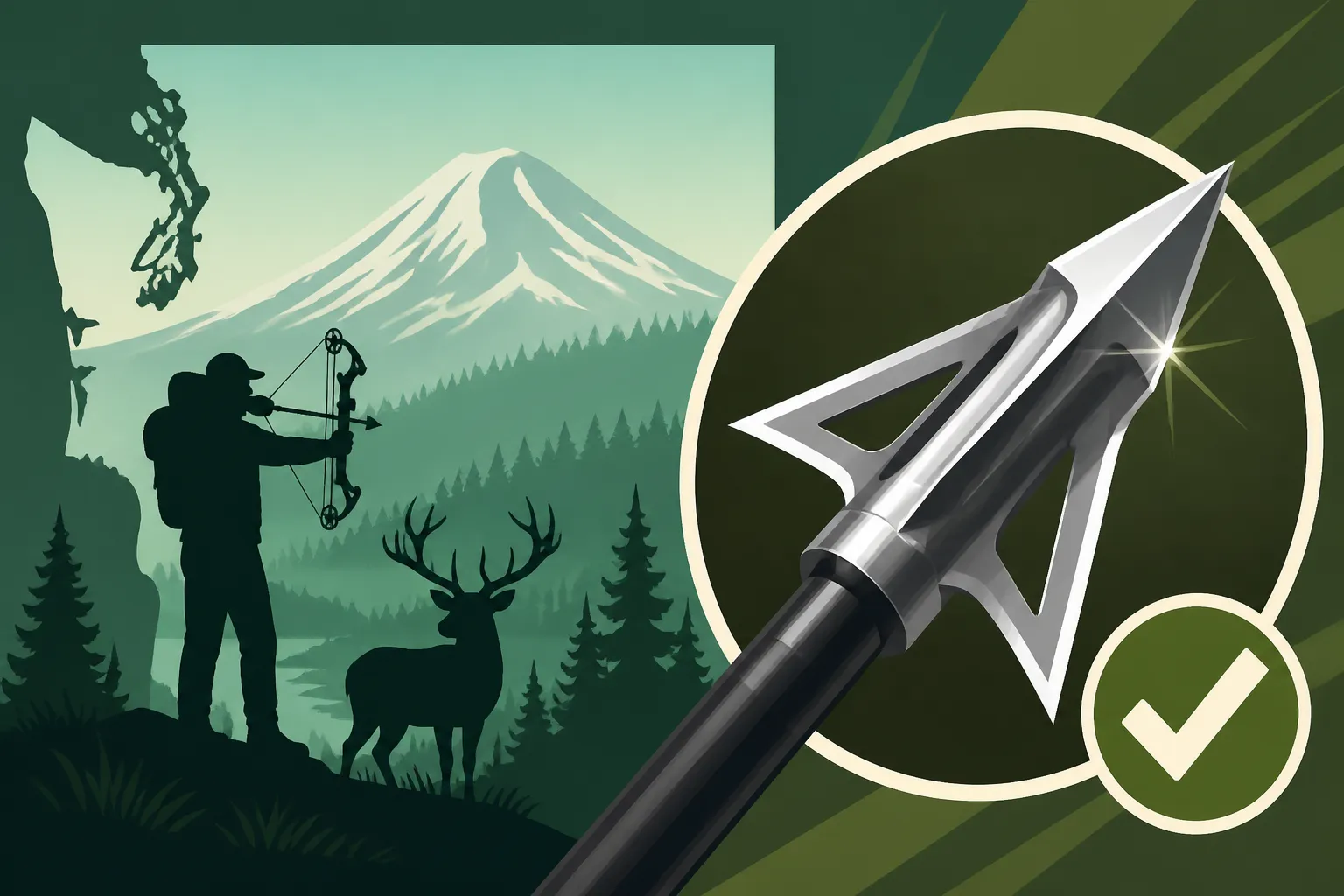
When WDFW states that broadheads must be "razor sharp," they're not asking for a decorative edge; they're demanding a working edge that performs its job flawlessly. For fixed-blade broadheads, this means an edge capable of shaving hair off your arm, or at the very least, cleanly slicing through a piece of paper held taut. It's about kinetic energy transfer, yes, but more importantly, it's about creating a large, quickly bleeding wound channel that causes rapid blood loss and incapacitation. A dull broadhead will push tissue aside, leaving a less effective wound that takes longer to be lethal. This causes increased stress and suffering for the animal, and also makes recovery far more challenging, especially in the thick timber of Western Washington or the expansive sagebrush of the Eastside.
This "razor sharp" standard is a cornerstone of responsible archery hunting. It’s the difference between a quick, clean harvest and a potentially long, agonizing tracking job. Hunters often invest heavily in their bows, arrows, and optics, but neglect the one component that actually touches the animal. It's a critical oversight that can have devastating consequences for both the animal and the hunter's conscience. Getting your broadheads up to snuff should be as routine as sighting in your bow or checking your Washington Archery Equipment Rules.
Understanding WDFW's Legal Language and Intent
While the specific wording may vary slightly from year to year in the hunting pamphlet, the core message from WDFW regarding broadhead sharpness remains consistent: "Broadheads must be razor sharp." This regulation is found within the general archery hunting rules and applies to all species hunted with a bow in Washington, from blacktail deer in the coastal forests to elk in the Blue Mountains. The intent behind this seemingly simple phrase is profound. It's about upholding the integrity of the hunt and minimizing suffering. A game warden inspecting your gear in the field isn't looking for a factory edge; they're looking for a working edge. They might not carry a piece of paper, but they can quickly assess the sharpness by feel or by observing if it catches on a thumbnail.
This emphasis applies equally to both fixed-blade broadheads and the replaceable blades on mechanical broadheads. Even if a mechanical broadhead's blades are designed to deploy on impact, they must be sharp enough to effectively cut once they do. A mechanical broadhead with dull blades is just as unethical as a fixed blade with a poor edge. For comprehensive guidance on your entire archery setup, including how your broadheads fit into the larger picture, you might consult resources like those offered by GoHunt, which often delves into ethical equipment choices. Knowing these rules ensures you're not just compliant, but also upholding the ethical standards of the hunting community.
The Art and Science of Sharpening: Fixed Blades
For many traditional and modern archers alike, fixed-blade broadheads are a trusted choice. Their robust construction and consistent performance make them popular, but they demand diligent maintenance, especially when it comes to sharpness. Achieving and maintaining a truly "razor sharp" edge on a fixed blade is an art form that any serious archer needs to master.
Essential Tools and Techniques for a Hair-Popping Edge
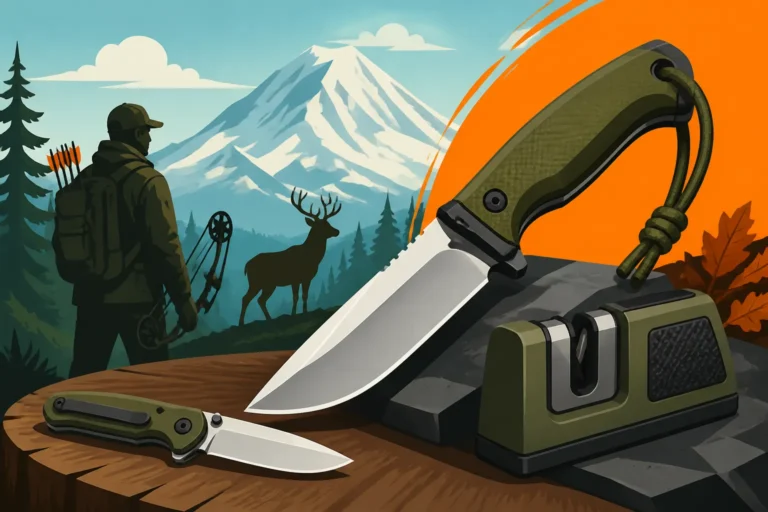
Sharpening fixed-blade broadheads requires patience, the right tools, and a consistent technique. You'll want a quality sharpening stone system, which could range from a simple coarse-to-fine stone setup to a guided sharpening system that helps maintain a precise angle. Diamond plates are excellent for quickly establishing an edge, while ceramic stones or a fine Arkansas stone are perfect for refining it. Finally, a leather strop loaded with polishing compound can bring that edge to a truly hair-popping sharpness. The key is to work slowly, maintaining a consistent angle across the entire blade surface. Start with a coarser grit to remove any nicks or blunt spots, then progressively move to finer grits until the edge feels smooth and keen.
Many hunters prefer a fixed angle guide to ensure consistency, especially if they are new to sharpening. Devices that clamp the broadhead or guide the blade along a set angle can be incredibly helpful. Apply light, even pressure, pushing the blade into the stone as if trying to slice a thin layer off the stone itself. Don't press too hard; it's the abrasion of the grit, not brute force, that does the work. After each pass, check for a burr – a tiny wire-like edge that forms on the opposite side of the blade. Once a burr is established along the entire length of one side, flip the broadhead and repeat the process on the other side. This burr indicates that you've reached the very edge of the blade. Remove the burr by making lighter passes on progressively finer stones, or by stropping. A properly sharpened broadhead should be able to cleanly shave hair from your arm without snagging. This isn't just for show; it's a reliable indicator of an edge that will easily slice through hide and tissue.
Common Mistakes and How to Avoid Them
One of the most common mistakes is not maintaining a consistent angle. Wobbly hands or guessing the angle will result in a convex or inconsistent edge that simply won't get sharp. Using a sharpening guide can mitigate this. Another error is rushing the process or not using progressively finer grits. Jumping straight from a coarse stone to a strop will leave a rough, albeit somewhat sharp, edge that quickly dulls. Take your time, and let each grit do its job. Also, avoid applying too much pressure, which can damage the stone or the blade itself. Don't forget to clean your broadheads thoroughly after sharpening to remove any metal particles or sharpening compounds, as these can affect the arrow's flight or contaminate game meat.
Another pitfall is trying to sharpen a broadhead that is severely damaged or has deep nicks. Sometimes, it’s simply better to replace the broadhead altogether rather than spend hours trying to restore an unrecoverable edge. Your time is valuable, and your ethical responsibility to the animal is paramount. Investing in quality broadheads that hold an edge well and can be resharpened multiple times is a wise choice in the long run. Many experienced hunters keep a dedicated sharpening station at home and only perform touch-ups in the field. This ensures a consistent, high-quality edge for every hunt. Remember, your broadhead is the business end of your arrow; treat it with the respect it deserves. Proper sharpening will enhance your overall Archery Practice for Wet Coastal Conditions as well, by boosting confidence in your equipment.
Optimizing Mechanical Broadheads: Beyond the Factory Edge
Mechanical broadheads have gained immense popularity for their field-point-like flight characteristics, making them a favorite for many archers. While often touted as "ready to hunt" out of the package, there's still a crucial role for the hunter in ensuring they meet Washington's sharpness requirements and are fully optimized for performance.
When to Replace Blades and Components
Unlike fixed blades, mechanical broadheads typically rely on replaceable blades. It's crucial to understand when these blades need to be swapped out. Factory blades often come sharp, but handling, practice shots into foam targets, or even just rattling around in a quiver can dull them. If you’ve shot a mechanical broadhead into anything other than air, assume the blades need to be replaced. Even if they look okay, micro-nicks or slight bends can compromise their cutting ability. Always carry spare blades for your mechanicals, and consider replacing them before every major hunt, especially for species like elk where penetration and cutting diameter are so critical. The cost of new blades is a small price to pay for an ethical harvest.
Beyond the blades themselves, pay attention to other components. The ferrule (the main body of the broadhead) should be free of cracks or bends. O-rings, shock collars, or other retention mechanisms that hold the blades in place should be inspected for wear and tear. If these components are damaged, the broadhead may not deploy correctly or could lose blades mid-flight or on impact. Many manufacturers sell complete replacement kits for their broadheads, which can be a cost-effective way to refresh your entire arsenal. A quick check of the manufacturer's website or product information will often provide guidelines on blade replacement intervals and component inspection, helping you ensure your equipment is always in top shape, ready for that fleeting moment when Shot Placement on a Quartering Elk becomes critical.
Pre-Hunt Checks for Flawless Deployment
Before heading into the field, every mechanical broadhead should undergo a thorough pre-hunt check. This goes beyond just looking at the blades. First, ensure all screws are tight, but don't overtighten them, as this can strip threads or deform components. Next, check the deployment mechanism. Gently push the blades to ensure they move freely and lock back into place securely. Some hunters prefer to deploy their mechanicals once or twice before a hunt to ensure everything is functioning smoothly. For others, a visual inspection and checking for proper blade retention is sufficient. The goal is to be absolutely confident that when your arrow impacts an animal, those blades will deploy immediately and effectively, creating the wound channel necessary for a humane kill.
Consider how your broadheads are stored in your quiver. Blades rattling against each other or against other gear can dull edges prematurely. A quality quiver with individual broadhead covers or slots can protect those sharp edges. Brands like GoHunt often advocate for meticulous gear prep, recognizing that every detail, down to the condition of your broadhead, contributes to overall hunting success and ethical responsibility. Neglecting these small pre-hunt checks can lead to significant problems in the moment of truth, jeopardizing a clean shot and potentially leading to a lost animal. Take the extra five minutes to inspect each broadhead you intend to carry, ensuring it's not just sharp, but fully functional.
Verifying and Maintaining Sharpness in the Field
You’ve sharpened your fixed blades, replaced your mechanical blades, and checked everything twice. But the real world of hunting is tough on gear. Branches, rocks, a tumble down a hillside – any of these can compromise a broadhead's edge. Knowing how to verify sharpness safely and perform quick maintenance in the field is vital.
Safe and Effective Sharpness Tests
The most common and effective sharpness test for fixed blades is the "shaving hair" test. Lightly draw the broadhead across hair on your arm (or leg, or any convenient patch of hair). If it shaves cleanly without dragging or snagging, it’s truly sharp. For mechanical broadheads, this test is harder to perform safely without deploying blades, so an alternative is the "paper test." Hold a piece of printer paper taut by one edge and try to slice through it with the broadhead. A truly sharp broadhead will slice cleanly and effortlessly, without tearing the paper. A dull one will tear or crumple the paper. Another method, albeit with extreme caution, is to lightly drag your thumb across (not along) the edge. A sharp blade will feel "catchy" or "grabby" even with minimal pressure.
Safety is paramount when testing broadhead sharpness. Always ensure the broadhead is securely attached to an arrow or a specialized broadhead wrench for handling. Never test an edge by running your finger along it – that’s a guaranteed trip to the emergency room. Carry a small, dedicated broadhead case or protector when not on an arrow to prevent accidental cuts. For GoHunt members, there are often forums and articles discussing safe broadhead handling and testing techniques, emphasizing that a careful hunter is a successful hunter. These tests are quick, but provide invaluable assurance that your broadheads are ready for action when that moment comes.
Field Maintenance and Carrying Spares
Even with the most careful handling, broadheads can get dull during a hunt. Maybe you brushed against some abrasive sagebrush, or accidentally dropped your arrow. Carrying a small, compact broadhead sharpener designed for field use can be a lifesaver. These are often small diamond or ceramic rods that can quickly put a touch-up edge on a fixed blade. For mechanicals, always carry a small supply of spare blades in a waterproof container. You never know when you might need to swap out a compromised blade.
It’s also wise to carry a couple of fully assembled, spare arrows with broadheads already installed and sharp. If you take a shot and don't recover the animal immediately, or if you accidentally damage your primary broadhead, having a ready-to-go replacement means you don't have to scramble to sharpen or assemble a new one under pressure. This preparedness is key, particularly if you find yourself in the thick of it, needing to follow Blood Trailing in Thick Understory. Knowing your gear is always ready provides peace of mind and allows you to focus on the hunt itself, rather than worrying about equipment failure.
| Broadhead Type | Sharpness Goal | Best Sharpening Method | Field Maintenance | Common Issues |
|---|---|---|---|---|
| Fixed Blade | Hair-shaving, paper-slicing | Stones, guided sharpener | Small field sharpener, strop | Nicks, dullness |
| Mechanical | Razor sharp replaceable blades | Replace blades as needed | Carry spare blades/ferrules | Dull blades, deployment issues |
Beyond Sharpness: Other Critical Washington Broadhead Regulations
While sharpness is paramount, it’s just one piece of the puzzle. Washington has other specific regulations governing broadheads that archers must adhere to. Ignoring these rules can lead to citations, confiscated game, and the loss of hunting privileges. A thorough understanding of all broadhead regulations is essential for ethical and legal hunting.
The Washington's Seven-Eighths Inch Broadhead Rule
Beyond sharpness, Washington State law dictates a minimum cutting diameter for broadheads. Your broadhead must have a minimum cutting diameter of seven-eighths of an inch. This rule applies to both fixed and mechanical broadheads. The rationale behind this is similar to the sharpness requirement: a larger cutting diameter creates a more significant wound channel, leading to faster blood loss and a more humane harvest. A broadhead with too small a cutting diameter, even if razor sharp, may not create a sufficient wound to quickly incapacitate a large game animal like an elk or deer. It's a critical detail that many new bowhunters might overlook.
This rule is fairly straightforward to comply with, as most commercially available broadheads designed for big game hunting already meet or exceed this minimum. However, it's always good practice to double-check the specifications of any broadhead you purchase. If you're considering a more niche or older design, make sure it measures up. For mechanical broadheads, this measurement refers to the deployed cutting diameter. Always confirm your broadhead is compliant before heading afield.
Understanding Are Mechanical Broadheads Legal in Washington? and Their Nuances
Yes, mechanical broadheads are legal for hunting big game in Washington State, provided they meet all other broadhead regulations, including the seven-eighths inch minimum cutting diameter and, of course, the razor-sharp requirement. However, their legality doesn't mean they're without nuances. There's been a lot of debate in the hunting community about the effectiveness and ethical implications of mechanical broadheads compared to fixed blades. While fixed blades are known for their robust penetration and reliability, mechanicals offer field-point accuracy and wider cutting diameters, often leading to more liberal blood trails.
The key with mechanicals, as discussed, is ensuring they deploy reliably and that their blades are always sharp. A mechanical broadhead that doesn't open properly upon impact is, in effect, a field point, leading to unethical outcomes. Archers choosing mechanicals should thoroughly test their chosen model with their specific arrow setup to confirm proper flight and deployment. Many archers dedicate significant time to this, often documented on platforms like GoHunt, ensuring their entire archery system performs cohesively. The choice between mechanical and fixed often comes down to personal preference, but regardless of your choice, compliance with all WDFW rules is non-negotiable.
The Importance of Arrow Weight Minimum for Washington Big Game and Overall Setup
While not directly about broadhead sharpness, the Washington State regulations also include a minimum arrow weight. For big game, your arrow and broadhead combined must weigh at least 350 grains. This regulation is crucial because arrow weight directly impacts momentum and penetration. A heavy, properly weighted arrow, combined with a razor-sharp broadhead, will achieve much better penetration than a light arrow, even if both are shot from the same bow at similar speeds. This rule is designed to ensure that hunters are using equipment capable of delivering enough force to ethically harvest large animals.
Your entire archery setup works as a system. A super-sharp broadhead on an arrow that's too light might not get the penetration needed. Conversely, a heavy arrow with a dull broadhead will still result in an unethical hit. It's about balance. Ensure your broadhead is sharp, that it meets the minimum cutting diameter, and that your arrow meets the minimum weight. You'll also want to make sure your Bow Tuning Before the Season is spot on, ensuring your arrow flies true with your chosen broadhead. This holistic approach to your equipment ensures you are not only legal but also an ethical and effective hunter in Washington's diverse hunting grounds.
Disclaimer
This article is for general informational purposes only and does not constitute professional advice. Laws, prices and regulations vary by location and change over time. Consult a qualified professional for guidance on your specific situation.