Blood Trailing in Thick Understory
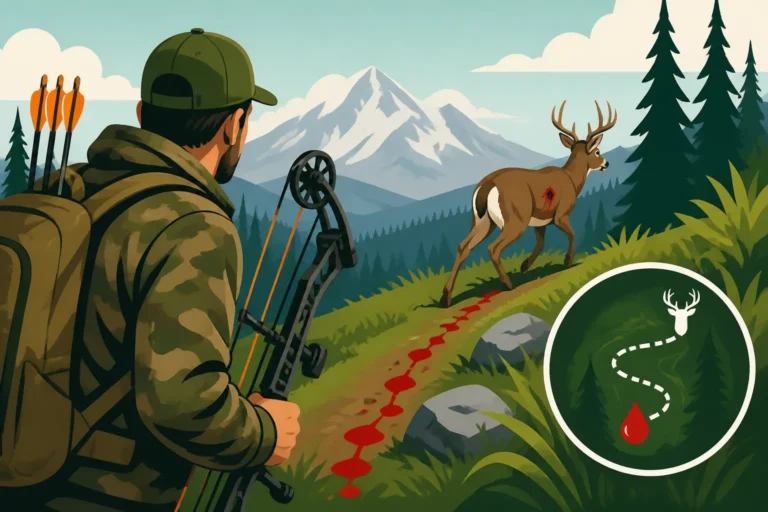
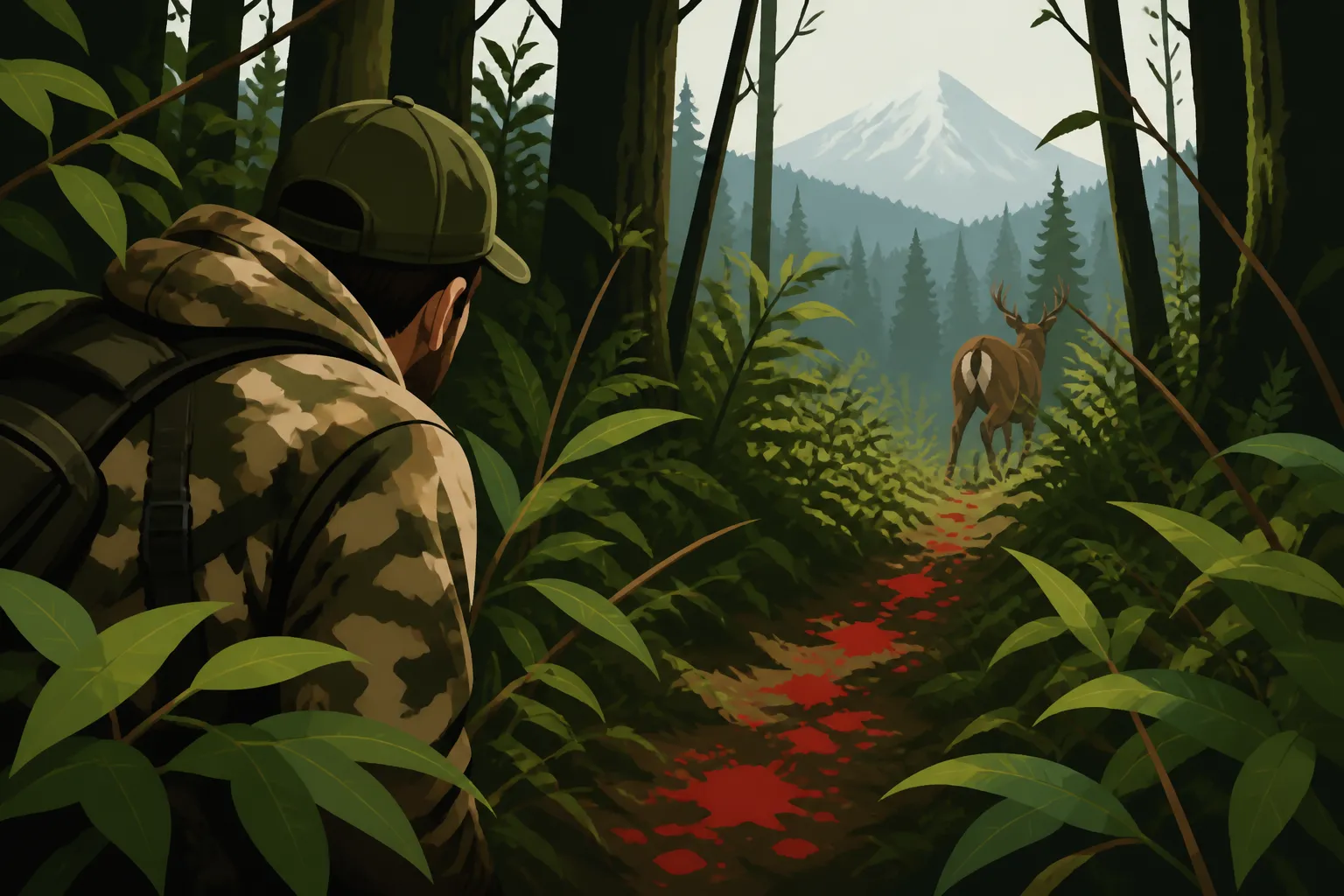
The heart-sinking moment when you know you’ve made a good shot, but the animal disappears into a tangle of salal, devil's club, and dense second-growth timber is a frustration every Washington hunter has faced. Losing a blood trail in our state's notoriously thick understory isn't just disheartening; it can mean the difference between filling your freezer and a lost animal. This guide will walk you through proven strategies for effectively blood trailing in the most challenging Western Washington conditions, helping you recover your hard-earned game.
Understanding the Challenge of Thick Understory in Washington
Western Washington's forests are incredibly beautiful, but they present unique and often maddening challenges for blood trailing. The sheer density and specific characteristics of our local vegetation can turn even a strong blood trail into an invisible whisper, testing the patience and skill of even the most seasoned hunter.
The Nature of Washington's Westside Brush
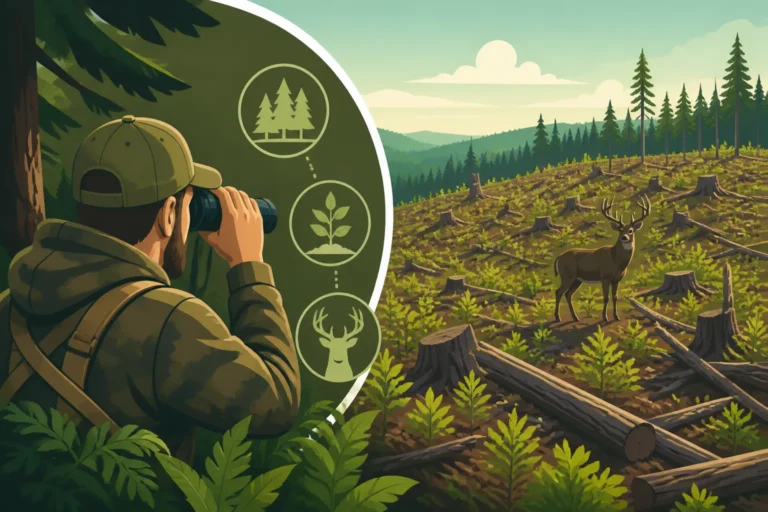
Imagine pushing through shoulder-high thickets of salal, the glossy, tough leaves brushing against you, or navigating fields of sword ferns that seem to swallow everything whole. Then there's the infamous devil's club, with its thorny stems and broad leaves, ready to snag your pack or jab your arm. These aren't just minor obstacles; they are the prime culprits in making blood trails disappear.
This dense growth forms a multi-layered canopy that not only limits visibility but also creates a sponge-like environment. Small drops of blood can be absorbed by leaves, wiped away by passing branches, or simply vanish into the moist, dark duff beneath. In young reprod stands, the ground is often a chaotic mess of crisscrossing branches and needles, making it almost impossible to discern faint tracks or disturbed earth. Even a heavy bleeder can leave an intermittent trail at best, forcing you to painstakingly search for every single sign. The moisture in the air, common even on clear days in the maritime climate, can further dilute or wash away signs, especially if rain moves in.
Common Trailing Mistakes in Dense Cover
When adrenaline is pumping and the hope of recovery is strong, it's easy to make mistakes that jeopardize the entire trailing effort. The most common error is rushing. We've all done it: we see the animal bolt, our minds fill with images of it dropping just over the ridge, and we charge after it. This impulsive action is often the downfall of a successful recovery.
Rushing leads to several critical errors. First, you're likely to walk right past subtle signs, overlooking faint blood specks or a slightly bent fern that could be the key to the next clue. Second, and perhaps more damaging, you can obliterate the existing trail with your own boots. Every step you take carelessly through the brush can wipe away blood, disturb tracks, or flatten vegetation that was pointing the way. Another common mistake is assuming direction. An animal might take a sharp turn, double back, or suddenly drop into a ravine. If you assume it continued in a straight line, you'll waste valuable time searching in the wrong place, pushing further and further away from the actual trail. Lastly, relying solely on visible blood is a trap in this terrain. In thick understory, sometimes the visible blood stops, but the animal is still there, leaving other signs.
Essential Gear and Preparation for the Trail
Successfully navigating the labyrinth of Washington's dense understory requires more than just sharp eyes; it demands the right tools and a prepared mindset. Being equipped for the worst-case scenario will significantly increase your odds of finding your game, especially when daylight fades or the weather turns.
Lighting the Way: Flashlights and Headlamps
Even if you make a shot in broad daylight, the dense canopy of Western Washington's forests can quickly turn the ground into deep shadow. As the day progresses, or if you find yourself following a marginal hit into dusk, quality lighting becomes absolutely non-negotiable. A bright, wide-beam flashlight is crucial for illuminating a broad area, helping you spot the faintest speck of blood or overturned leaf. However, a reliable headlamp is often even more important because it frees up both your hands, allowing you to move brush, mark the trail, or even use your GPS without juggling a light source.
When choosing your lights, look for models with strong lumens and a battery life that can last for hours. Some hunters find that lights with a slightly warmer color temperature can make blood stand out more against the greens and browns of the forest floor, though this can be subjective. While UV lights are sometimes touted for blood trailing, their effectiveness in the damp, organically rich environment of the Pacific Northwest is often limited, as they can illuminate many other natural elements that glow, creating confusion rather than clarity. Always carry spare batteries or a fully charged power bank; you do not want your primary light source to fail just when you need it most. This simple preparation can literally mean the difference between a successful recovery and an animal lost to the darkness. Knowing how to efficiently use a light to track after dark is a skill that becomes second nature in these situations.
Marking the Trail: Tape and GPS
The thick understory makes it incredibly easy to lose your place, even after finding a single drop of blood. That's why marking the trail is paramount. Every single confirmed sign of blood, every bent twig, every scuff mark that indicates the animal's path, needs to be marked. Biodegradable flagging tape or even strips of toilet paper are excellent for this purpose. The key is to mark the last confirmed spot you saw blood or sign. Then, as you search forward, if you find another sign, you mark that new spot, creating a line of breadcrumbs that defines the animal's path. Never remove a previous marker until you are absolutely certain of the next one. This systematic approach prevents you from endlessly circling back to the same spot or losing the general direction of travel.
Beyond physical markers, digital tools have revolutionized blood trailing. GPS devices or smartphone apps like GoHunt allow you to drop waypoints for every piece of sign you find. This creates a virtual map of the trail, which is especially useful if the physical markers are hard to spot from a distance or if you need to return to a previous point. Many of these apps also allow you to track your own path, so you can see where you've searched and avoid redundant efforts. The ability to share your GoHunt map with a partner can also be invaluable, allowing a team to coordinate their search effectively and cover more ground efficiently.
The Right Clothing and Footwear
Blood trailing in thick, wet Western Washington brush is physically demanding and often a messy, drawn-out affair. Your gear needs to stand up to the task. Durable, quiet clothing is essential. You’ll be pushing through thorns and abrasive vegetation, so lightweight, noisy fabrics will not only tear but also alert a potentially bedded animal. Look for tough, tightly woven materials that can resist snags and offer some water repellency.
Layering for wet cold weather is crucial in Washington. A good quality rain gear for westside hunting is indispensable. Even if it's not actively raining, the dew, fog, and residual moisture in the brush will soak through lesser gear in minutes. Staying dry keeps you focused and prevents hypothermia. As for footwear, invest in high-quality, waterproof boots with excellent ankle support and aggressive traction. You'll be climbing over downed logs, slogging through mud, and navigating uneven terrain. Boots for steep eastside country can often cross over well for the varied western landscape. Gaiters are also a wise addition, as they prevent water, mud, and debris from entering the top of your boots, keeping your feet dry and comfortable during what could be hours of intense searching.
Step-by-Step Blood Trailing Techniques
When an animal disappears into Washington's notorious thickets, panic can set in. But a methodical, disciplined approach is your greatest asset. By combining meticulous ground scrutiny with systematic searching, you can often pick up trails that seemed to vanish into thin air.
The Grid Search Method
There will inevitably come a moment when the blood trail simply disappears. No matter how carefully you've marked your last spot, the next sign is nowhere to be found. This is where the grid search method shines. Instead of wandering aimlessly, which almost guarantees you'll miss something, you implement a systematic search pattern from your last confirmed sign.
First, identify your "last blood" spot and mark it clearly. This is your anchor point. Have one or more members of your trailing party stay at this spot. The other members then spread out, forming an arc or grid pattern, moving slowly and methodically in a chosen direction from the last known sign. A common strategy is to fan out in an arc, each person roughly 5-10 yards apart, slowly sweeping the ground and low-lying vegetation. Once you reach the edge of your search range (say, 20-30 yards), you can pivot and sweep back, or have the person at the anchor point move to the new "last confirmed" spot if sign is found. If no sign is found, you expand your search area, perhaps in concentric circles or by extending the grid lines further. The goal is to leave no stone unturned in an organized fashion. This systematic approach ensures that you cover every inch of potential ground and avoid skipping over crucial clues. It's a tedious process, but it's often the one that leads to recovery in dense brush. Consider using the GPS feature in GoHunt to mark your search lanes or to drop additional waypoints on areas that have been thoroughly checked.
"Nose to the Ground" and "Head Up" Strategies
Effective blood trailing in thick understory requires a dual approach: a "nose to the ground" focus for minute details and a "head up" strategy for broader clues. When you're "nose to the ground," you're looking for the smallest speck of blood, a faint scuff mark, a single hair snagged on a twig, or even a tiny depression in the moss. This is where your bright headlamp and careful eye come into play. You might be crawling on your hands and knees at times, sifting through leaves, and peering under ferns. Remember that fresh blood will often be on the top side of leaves or branches, whereas older, smeared blood might be lower down.
However, you can't spend all your time staring at the ground. Periodically, you need to lift your "head up" and scan the immediate area, both ahead and to the sides. Look for signs of disturbance that are larger than individual blood drops. This could be broken branches at chest height, scraped bark on a tree, overturned moss or litter, or trampled vegetation that indicates an animal pushed through quickly. Sometimes, a deer or elk crashing through a thicket will leave a noticeable "tunnel" in the brush. You might also spot the animal itself, bedded down and trying to recover. Listen intently for any sounds – a faint groan, a rustle, or even labored breathing. This combination of granular and broad observation is critical, as sometimes the most obvious sign isn't blood at all, but a disruption in the environment caused by the wounded animal.
Interpreting Blood Sign and Other Clues
Blood isn't just blood; its appearance can tell you a lot about the hit and the animal's condition. Understanding these nuances helps you decide how to proceed and how aggressively to trail.
- Bright Red, Frothy Blood: Often a sign of a lung hit. This blood is usually pinkish, sometimes bubbly, and can be spread in wider patterns. It often indicates a lethal hit, but animals can still run a considerable distance. Keep pressing the trail, looking for broad splashes and signs of impact in the brush at running height. This type of hit often leads to rapid internal hemorrhaging.
- Dark Red, Clotting Blood: Typically indicates a muscle or liver hit. This blood is thicker, darker, and tends to clot quickly. It signifies a slower bleed, and the animal might bed down to recover. This is often a good sign that the animal is nearby, but it could take longer to expire. Maintain a steady, quiet trail, focusing on consistent dripping.
- Bright Red, Liquid Blood: If it's bright red but appears watery or clear, it could be from a shallow hit, a low leg hit, or a major artery. The amount of blood can be deceiving; an arterial hit can gush, while a shallow hit might only drip occasionally.
- Green/Brown, Foul-Smelling Material: If you find blood mixed with greenish-brown contents and it has a foul odor, you're likely dealing with a gut shot. This is perhaps the most challenging scenario. A gut-shot animal will typically travel a long way before bedding down and often requires significant time (6-8 hours or more) to expire quietly. Pushing too soon will only push the animal further, making recovery nearly impossible. In these cases, you’ll be looking for other clues like gut material, scuff marks, and distinct tracks.
- Bone Fragments or Hair: Finding small bone fragments indicates a hit to a leg or shoulder. This means the animal is likely moving slower, perhaps dragging a limb. Hair can also be incredibly useful – the length and color can confirm you're on the right animal, and if the hair is short and stiff, it suggests a closer shot, while longer, softer hair indicates a glancing blow.
In dense understory, blood may be scarce. That's when you expand your focus to other clues: broken branches, scuff marks on the ground, disturbed leaves, tracks, and even a faint "gamey" smell if you're close. Look for these signs at various heights, not just on the ground. A deer or elk crashing through a thicket might leave a broken branch at eye level, even if there's no visible blood on the ground.
| Blood Type | Appearance | Implication | Trailing Tip |
|---|---|---|---|
| Bright Red, Frothy | Pinkish, bubbly, sometimes splattered | Lung hit – often a quick kill, but animal can run a distance. | Animal likely running, look for wide splashes, broken brush at running height. |
| Dark Red, Clotting | Deep red, thick, may form clots quickly | Muscle or liver hit – slower bleed, animal may bed down. | Look for consistent dripping, slow steady trail. Animal may be close. |
| Bright Red, Liquid | Clear, watery, steady flow | Artery or shallow hit – can be deceivingly little blood or gush. | If gushing, animal is likely running hard. Look for heavy, quick drops. |
| Green/Brown, Foul | Mixed with stomach contents, often smells | Gut shot – typically a long, difficult trail, animal will bed. | Back off for 6-8+ hours. Look for gut material, tracks, and scuff marks. |
| Bone Fragments | Small white chips | Bone hit – leg or shoulder. Indicates a more serious injury. | Animal may be moving slowly, dragging. Look for uneven tracks and more sign. |
| Hair (Length/Color) | Depends on animal's coat | Can confirm species, location of hit. Short/stiff for close hits, long/soft for glancing. | Collect samples if possible. Check for embedded hairs in bark or brush. |
When to Back Out and Call for Help
Sometimes, despite your best efforts, the trail goes cold, or the situation demands a strategic retreat. Knowing when to back out and when to enlist more help is a crucial aspect of ethical hunting and successful recovery. Pushing an animal that needs time can mean losing it entirely.
Knowing When to Give Them Time
This is perhaps the hardest decision in blood trailing, but often the most critical. If you suspect a gut shot (indicated by foul-smelling, greenish-brown material, or the animal's hunched-up reaction), your best chance of recovery is to back out immediately and give the animal time – typically 6 to 8 hours, or even overnight if the weather is cool and conditions permit. A gut-shot animal, if pushed, will keep moving. If left undisturbed, it will often bed down, stiffen up, and expire within a reasonable distance. Returning after several hours significantly increases your chances of finding it.
For other hits, like a muscle hit or a less-than-ideal lung shot where the blood trail is sparse, the decision is less clear-cut but still important. If the blood stops entirely, or if the animal shows no sign of slowing, backing out for a few hours can give it time to stiffen up or succumb to its wounds. Consider the weather: warm early-season weather demands a quicker recovery to prevent meat spoilage, while colder temperatures offer more leeway. Trust your gut, but err on the side of caution. A patient hunter is often a successful one. If you're unsure, it's always better to give them more time than too little.
Organizing a Trailing Party
Two sets of eyes are almost always better than one, and a dedicated team can multiply your chances of success. When the trail is difficult, don't hesitate to call for help from friends, family, or fellow hunters. Before they arrive, explain the situation clearly: where the animal was hit, what kind of blood you've seen, and the last known location.
Once your trailing party is assembled, assign specific roles. One person might focus on the ground, looking for blood and tracks ("nose to the ground"). Another might look ahead for disturbances, broken branches, or the animal itself ("head up"). A third person could be responsible for marking the trail with flagging tape or dropping waypoints on their GoHunt app, ensuring every piece of evidence is documented. Communication is key; establish clear signals or verbal cues for finding sign ("Confirmed blood here, 5 yards forward"). Spread out, but stay within shouting distance to cover more ground systematically without getting lost or missing a crucial piece of the puzzle. This coordinated effort, especially when Blood Trailing in Salal and Devil's Club in dense Washington vegetation, is often what it takes to recover game.
Dealing with Rain and Darkness
Washington's frequent rain is arguably the biggest enemy of a blood trailer. Even a light drizzle can quickly dilute and wash away faint blood signs, making immediate trailing paramount. If it starts to rain heavily, the urgency to find the animal before the trail completely vanishes intensifies dramatically. If you must leave the trail due to darkness or safety concerns, try to protect the last confirmed sign with leaves or a piece of plastic if possible, though this is often difficult in dense brush.
Night trailing presents its own set of challenges and regulations. While using a light to track after dark is generally permitted in Washington to locate a legally shot, wounded animal, you cannot use artificial light to spot the animal itself before taking a shot. This means your focus must remain on the blood trail and other signs. Safety is paramount at night; thick brush, uneven terrain, and potential hazards like ravines become far more dangerous in the dark. If you're solo, seriously consider if it's safe to continue. A satellite messenger for solo Washington hunts can be a lifesaver if you get into trouble. If the trail is marginal, the terrain dangerous, or the weather turns foul, it's often wiser to mark your last spot, get out safely, and return with a fresh mind, good light, and possibly more help the next morning. However, be aware that overnight exposure can lead to meat spoilage, especially if the weather is not cold enough to naturally cool the carcass after Field Dressing in Warm Early-Season Weather. Balancing these factors is a challenging but necessary part of ethical hunting.
Disclaimer
Please remember that hunting regulations and land access rules can change. Always consult the most current Washington Department of Fish and Wildlife (WDFW) regulations and local land management rules before heading into the field. Safety should always be your top priority when hunting.