Keeping a Bowstring Dry on the Washington Coast
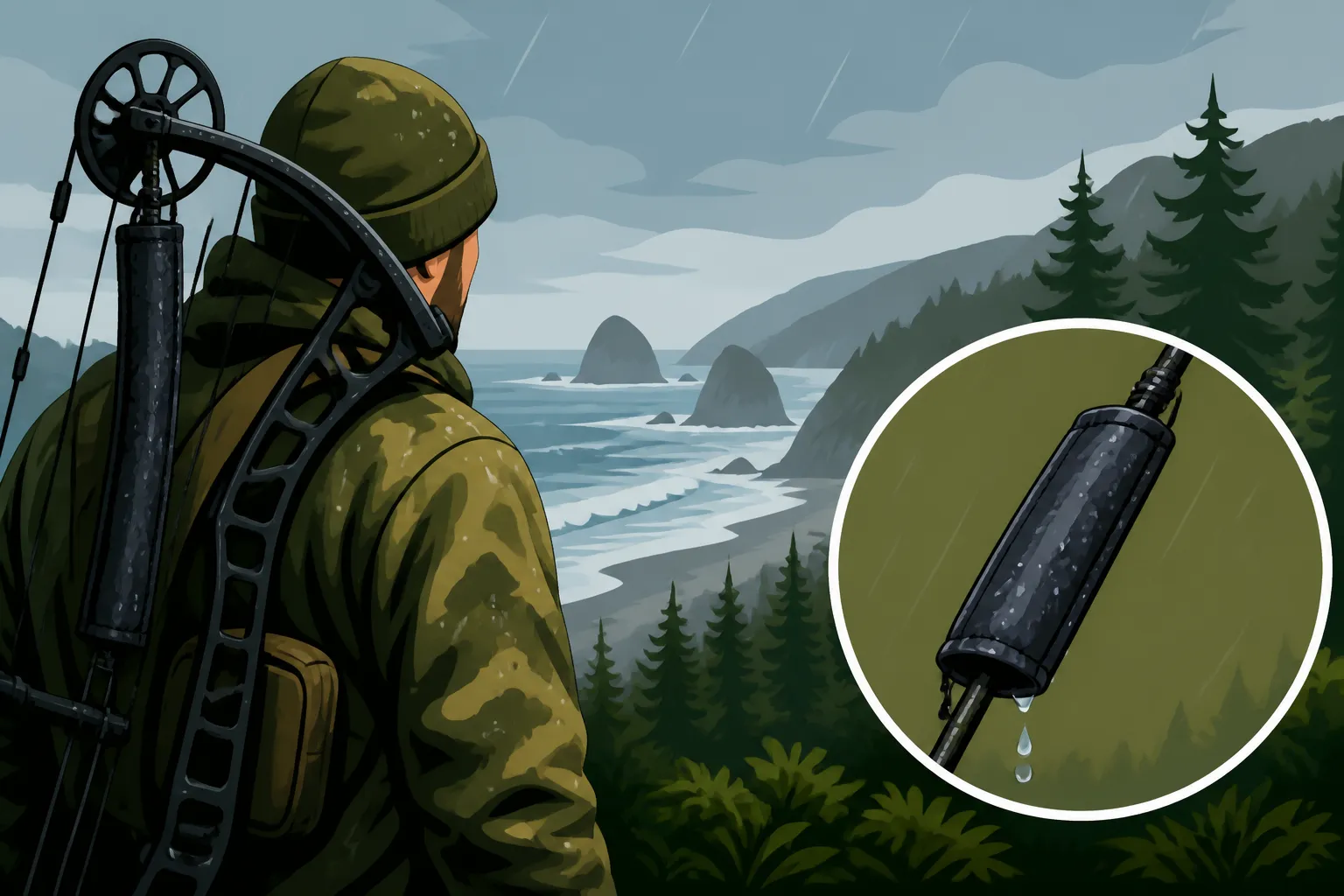
There's nothing quite like the experience of chasing big game on Washington's coast. The ancient forests, the damp, rich earth, the scent of cedar and rain – it's truly an immersive adventure. But let's be honest, that persistent moisture, whether it's a full-on downpour or just a thick, clinging fog, presents a real challenge for archery hunters. A wet bowstring isn't just an annoyance; it can seriously impact your shot accuracy and even lead to premature equipment failure. This guide is all about helping you keep that critical piece of gear dry and performing flawlessly, no matter how much the Pacific Northwest tries to soak it.
The Unique Challenge of Washington's Coastal Climate for Archery Gear
Hunting in Western Washington, particularly along the coast and into the Olympic Peninsula, means you're almost guaranteed to encounter moisture. It's not just about ducking under a tree during a sudden thunderstorm; it's a constant, pervasive dampness that can creep into every piece of gear if you're not prepared. This isn't the dry, crisp cold of Eastern Washington's open country; it's a different beast entirely.
The Relentless Drizzle and Fog
Imagine spending three days deep in the Hoh Rainforest, tracking a bull elk. It might not be "raining" in the traditional sense, but the air is saturated. Every leaf drips, every branch is slick, and the mist is so thick you can almost chew it. This isn't just a brief shower; it's a sustained, low-intensity soaking. Your bowstring, exposed to this constant humidity, starts to absorb moisture. Even a light drizzle over several hours can compromise the integrity of your string, causing it to stretch subtly and unpredictably.
It’s an insidious problem because it’s easy to overlook. You might be so focused on Hunting Blacktails in Fog and Rain that you don't realize your string is slowly becoming waterlogged. This isn't just about comfort; it's about the very foundation of your archery equipment. Unlike a heavy, short-lived downpour where water beads up and runs off, this fine mist clings to everything, slowly seeping into the fibers of your string and servings. Over time, this constant dampness can degrade the wax coating and even the synthetic fibers themselves, reducing the string's performance and lifespan.
Temperature Swings and Condensation
Another often-underestimated culprit for a wet bowstring is condensation. Picture this: you've been still-hunting in a frosty, pre-dawn fog, the air temperature hovering just above freezing. You head back to your wall tent, where a small stove has warmed things up considerably, or maybe you jump into your heated truck for a quick break. The moment your cold bow comes into that warmer, often more humid, environment, moisture in the air condenses onto its cooler surfaces—including your bowstring.
This phenomenon is exactly why you might pull your bow out of a seemingly dry case, only to find the string feels tacky or slightly damp. It's a silent killer for string performance. Then, when you take your bow back out into the cold, damp air, that condensed moisture gets trapped, and the cycle repeats. These constant temperature fluctuations, common in Washington's varied terrain, can be just as damaging as direct precipitation, often catching hunters off guard because they didn't see "rain" falling.
Essential Gear and Materials for Bowstring Protection
Protecting your bowstring isn't about one magic bullet; it's about a holistic approach that combines understanding your gear, using the right protective equipment, and diligent maintenance. It starts with knowing what your string is made of and how it's designed to perform.
Understanding Bowstring Materials and Their Vulnerabilities
Modern bowstrings are marvels of engineering, typically made from high-strength synthetic fibers like Dyneema or BCY-X. These materials are incredibly strong, lightweight, and have very low stretch. However, they are not entirely impervious to moisture. While the core fibers themselves might resist water absorption, the serving threads and the outer wax coating are crucial for protecting the entire string assembly.
When wax gets compromised by water, the individual strands of the bowstring are exposed. This allows them to absorb a minute amount of moisture, which can lead to stretching, fiber separation, and ultimately, changes in brace height and peep sight rotation. Imagine aiming at a trophy Roosevelt elk, only to find your peep has rotated slightly due to a damp string – that's a recipe for a heartbreaking miss. The serving, which protects the main string from wear at the cam, D-loop, and peep sight, is also susceptible. If water gets under the serving, it can cause it to loosen or fray, leading to rapid wear of the main string beneath.
Protective Covers and Cases for Your Bow
One of the most straightforward ways to protect your bowstring is with a dedicated cover or case. This isn't just about transporting your bow safely; it's about creating a barrier against the elements.
- Soft Cases: A good quality, water-resistant soft case can be a lifesaver in light rain or heavy mist. Look for cases made from durable, coated fabrics with waterproof zippers. Some soft cases even come with integrated rain covers that you can deploy quickly. Brands that cater to outdoor enthusiasts often incorporate materials designed to shed water effectively. While they offer decent protection, remember they're usually not fully submersible, so don't expect them to save your bow if it takes an unplanned swim. For walking into a spike camp, a soft case with good shoulder straps can be much more practical than a hard case.
- Hard Cases: For ultimate protection during transport or prolonged storage in a wet environment, a truly waterproof hard case is your best friend. These cases are often gasket-sealed and designed to be impervious to water, dust, and crushing. If you're car camping or using an ATV to get deep into a unit, a hard case provides peace of mind. However, their bulk and weight make them impractical for carrying long distances on foot. When choosing a hard case, check for features like pressure relief valves (important for air travel or elevation changes) and strong, secure latches. For hunting in Washington's often rugged and wet backcountry, the robust protection of a hard case when your bow isn't in hand can be invaluable.
- Bow Socks/Sleeves: For quick, on-the-go protection when you're actively hunting, a simple bow sock or sleeve can be surprisingly effective. These stretchy fabric covers slip over the entire bow, offering a layer of defense against light drizzle and brush. While not waterproof, they can keep the worst of the moisture off your string and cams and are easy to remove silently when a shot opportunity arises. Combine this with Rain Gear That Survives a Washington Westside Season for yourself, and you're well on your way to staying dry.
Water-Resistant Treatments and Waxes
Regular maintenance with the right products is paramount. Think of it as waterproofing your bowstring, much like you would your boots.
- Bowstring Wax: This is your first line of defense. Apply quality bowstring wax regularly, especially before and during a long hunt in wet conditions. The wax fills the tiny gaps between the string fibers, creating a barrier against moisture and reducing friction. To apply, simply rub the stick of wax along the string until it covers all surfaces, then use your fingers to vigorously rub and melt the wax into the fibers. Don't forget the serving areas! Over-waxing can cause buildup, so aim for a thin, even coat. If you notice your string looks dull or feels dry, it's time for more wax. After a few days of heavy rain, even a well-waxed string will need reapplication.
- Hydrophobic Sprays: While not directly for the bowstring itself (as many contain solvents that could degrade string materials), certain hydrophobic sprays designed for fabrics or gear can be used on other parts of your bow, like the cams, limbs, and riser. These create a water-beading effect, helping shed water from the rest of your equipment. Always test on an inconspicuous area first and ensure the product is safe for archery equipment before widespread application. Never spray these directly on your string or servings unless specifically formulated for it, as some chemicals can compromise string integrity.
| Protection Method | Primary Benefit | Best Use Case | Frequency of Use | Notes |
|---|---|---|---|---|
| Bowstring Wax | Moisture Barrier, Lubrication | Pre-hunt, during hunt (as needed) | Weekly/Daily | Essential for string longevity and accuracy. |
| Water-Resistant Soft Case | Light Rain/Mist Protection | Transport, short-term outdoor storage | Constant | Choose durable, coated fabric with waterproof zippers. |
| Waterproof Hard Case | Heavy Rain/Submersion Proof | Vehicle transport, long-term secure storage | Transport/Storage | Bulky for field carry, but ultimate protection. |
| Bow Sock/Sleeve | On-the-Go Protection, Brush | Active hunting in light drizzle/brush | During Hunt | Quick to deploy/remove, minimalist protection. |
| Hydrophobic Sprays | Water Shedding (Bow Components) | Limbs, Riser, Cams (NOT String) | Seasonal | Test first; do not apply to string. |
Field Strategies for Maintaining a Dry Bowstring
It's one thing to have the right gear; it's another to use it effectively when you're out in the elements. Washington's dynamic weather demands proactive strategies to keep your bowstring dry from the moment you leave camp until you return.
Smart Storage in Camp and Vehicle
The moments when your bow isn't actively in your hand are often when it's most vulnerable to moisture. How you store it, even for a short time, can make all the difference.
- Elevate and Cover: Whether in a tent, under a tarp, or in your truck, never leave your bow directly on the ground. Ground moisture is a persistent enemy. Use a folding camp chair, a small cooler, or even a couple of dry logs to keep your bow elevated. If you're in a tent or under a lean-to, try to hang it from a hook or a cord suspended from the ridge pole. This keeps it out of puddles and allows air to circulate. Always cover it with a dry soft case or even a simple trash bag if a proper case isn't practical.
- Vehicle Storage: In your truck or ATV, avoid simply tossing your bow in the bed. Road spray, condensation, and incidental rain can still reach it. A hard case is ideal here. If using a soft case, ensure it's in the cab or under a waterproof tonneau cover. If you have to put it in an open bed, secure it well and cover it with a heavy-duty tarp, ensuring the tarp is tucked under so water can't wick up from beneath. Even better, consider a case with strong tie-down points that can be secured to the bed, preventing it from shifting and potentially breaking.
- Spike Camp Considerations: When you're ultralight and deep in the backcountry, carrying a bulky hard case isn't feasible. This is where a good quality, waterproof soft case or a heavy-duty dry bag becomes critical. Before setting up your tent, clear a dry spot inside or choose a sheltered location outside. Always store your bow inside your tent at night, ideally in a dry bag, to protect it from condensation and any leaks. Keeping it within reach also means it's ready for that first light opportunity. GoHunt offers resources on backcountry setups that emphasize proper gear care in remote areas, which is invaluable for Washington's wilderness.
During the Hunt: Protecting Your String on the Go
When you're actively hunting, your bow needs to be accessible, but that doesn't mean it has to be exposed. This requires some creative thinking and discipline.
- Integrated Bow Covers/Slings: Many modern bow slings are designed with an integrated cover that shields the cams and string while you're carrying the bow. These are fantastic for still-hunting or walking between stands in light rain or heavy brush. They allow quick access to your bow when you spot game but keep the vital parts protected. When you're set up for a shot, the cover can often be quickly and silently pulled back, or some models slide down the limbs out of the way.
- Strategic Carrying: If you find yourself in a downpour and don't have a dedicated cover, improvise! Tuck your bow under your rain gear if possible, or carry it in such a way that your body shields the string. Walking with the string side towards your body, or holding it vertically so water sheds off the cams and limbs without running directly onto the string, can help. Keep it out of direct contact with wet brush as much as possible, as brush will wick moisture directly onto the string fibers.
- Quick Drying Actions: As soon as you get a break from the rain, even a brief one, take a moment to gently wipe down your string with a dry cloth or a piece of chamois. Carry a small, absorbent cloth in your pack specifically for this purpose. This simple action can prevent water from soaking deeper into the fibers. If you find yourself in extremely wet conditions, it's worth having a spare pre-waxed string or a small field repair kit, just in case. Don't forget that damp string can also lead to issues like Bow Tuning Before the Season being thrown off, so consistent care is key.
Post-Hunt Care and Maintenance
The hunt isn't over when you pull the trigger or release an arrow; the care of your equipment continues. Proper post-hunt care ensures your bow is ready for the next adventure and extends its lifespan.
- Thorough Drying: As soon as you return to a sheltered environment, remove your bow from its case and allow it to air dry completely. Don't leave it sealed in a wet case, as this will trap moisture and can lead to rust on metal parts and mildew on string materials. Hang it in a well-ventilated area, away from direct heat sources that could warp limbs or damage finishes. A fan can accelerate the drying process.
- Inspection and Re-waxing: Once your string is completely dry, perform a thorough inspection. Look for any signs of fraying, loose serving, or unusual stretching. Pay close attention to the areas where the serving meets the main string, as these are high-wear points. If everything looks good, apply a fresh coat of bowstring wax. This not only re-waterproofs the string but also lubricates it, reducing friction and extending its life. This routine is just as important as your initial Archery Practice for Wet Coastal Conditions.
- Addressing Issues: If you notice significant fraying or damage, it's time to replace the string. A compromised string is a safety hazard and will drastically impact accuracy. Don't take chances with a damaged string. If it's minor fraying of a serving, you might be able to repair it with serving thread, but it's often best to consult a pro shop for assessment. Regular care helps prevent these issues from becoming major problems.
Why a Dry Bowstring Matters: Performance and Safety
Beyond the simple inconvenience, a wet bowstring has tangible negative impacts on your hunting experience. It affects both your ability to make an ethical shot and the safety of your equipment. For any archer, these are non-negotiable considerations.
Maintaining Shot Consistency and Accuracy
Archery is a sport of precision. Every component of your bow setup works in harmony to send an arrow exactly where you intend. A wet bowstring throws a wrench into that delicate balance. When a string absorbs moisture, it can stretch. Even a microscopic amount of stretch can change your brace height, alter your nocking point, and cause your peep sight to rotate.
Imagine you've sighted in your bow meticulously at 30 yards, and your peep is perfectly aligned. After a few hours of hunting in a persistent Washington drizzle, your string stretches a tiny bit. Now, when you draw back, your peep might be slightly out of alignment, forcing you to cant your head or subtly adjust your anchor point. This introduces inconsistency into your shot process. That barely perceptible stretch can also reduce your arrow velocity, causing your arrow to impact lower than intended, even at modest ranges. This means a perfectly executed shot, according to your muscle memory, could still result in a wounded animal or a clean miss due to equipment failure. Your ability to judge Shot Placement on a Quartering Elk becomes meaningless if the arrow doesn't fly true. GoHunt often stresses the importance of dialing in all variables for shot accuracy, and string condition is a huge one.
Preventing String Wear and Premature Failure
Moisture doesn't just affect performance; it degrades the very fibers of your bowstring and serving. Water can break down the wax coating, allowing grit and dirt to embed in the fibers, which then act as abrasives every time you shoot. This friction, combined with the stress of repeated drawing and firing, accelerates wear. Loose servings are a common sign of a wet or poorly maintained string, and they expose the main string to direct friction from cams and other contact points.
A severely degraded string is not only inaccurate but also a significant safety concern. When bowstring fibers are compromised, they lose their strength and elasticity, increasing the risk of a catastrophic string failure. Imagine drawing your bow back on a magnificent bull, only to have the string snap at full draw. This could lead to serious injury to you or damage your bow's cams and limbs. Replacing a bowstring and re-tuning your bow is an expense and a hassle, but it's a small price to pay compared to the cost of a missed opportunity, an unethical shot, or an injury. Proactive maintenance, like regular waxing and inspection, is far more cost-effective and safer than waiting for a problem to manifest. This also ties into ensuring you have the correct Draw Weight for Elk With a Compound Bow that your string can safely handle.
Conclusion
Hunting the majestic landscapes of Washington's coast offers some of the most rewarding archery experiences imaginable. But to truly succeed and respect the game we pursue, we have to acknowledge and overcome the challenges that unique environment presents – and keeping a bowstring dry is high on that list. By understanding the insidious nature of coastal moisture, investing in quality protective gear, and diligently practicing smart field care and post-hunt maintenance, you're not just safeguarding your equipment; you're ensuring your ability to make an ethical, accurate shot when it counts most. So, embrace the wet, but don't let it dampen your bowstring, or your hunt!
Disclaimer
This article is for general informational purposes only and does not constitute professional advice. Laws, prices and regulations vary by location and change over time. Consult a qualified professional for guidance on your specific situation.