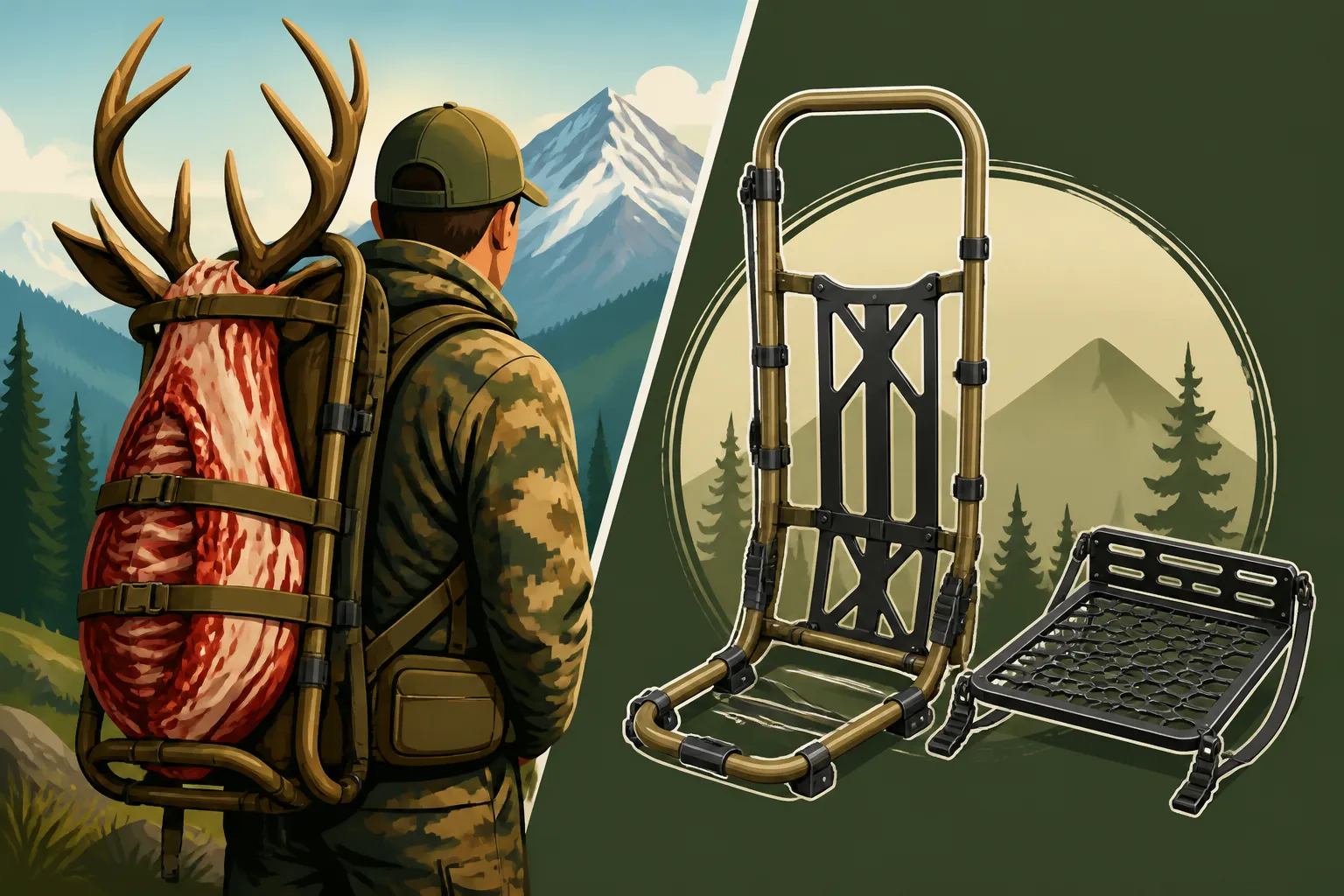
Meat Hauler Frames and Load Shelves
Every Washington hunter who has ever tagged a big game animal knows the truth: shooting it is only half the battle. The real work, the back-breaking, sweat-inducing, morale-testing marathon, begins the moment that animal hits the ground. Getting a quartered elk or a deboned deer out of a steep ravine in the Blue Mountains, or through the dense, wet timber of the Olympic Peninsula, is an immense physical challenge that can break even the toughest hunter. This guide is all about one crucial piece of gear that makes this monumental task manageable: meat hauler frames and load shelves.
The Indispensable Role of Meat Hauler Frames in Washington Hunting
Let's be real. That nice, lightweight day pack you use for scouting or a quick morning hunt is fantastic for carrying a few sandwiches, a water bottle, and maybe a rain jacket. But the moment you drop a mature bull elk or even a good-sized blacktail buck deep in the Washington backcountry, that pack becomes utterly useless for hauling meat. You're not just carrying weight; you're carrying awkward, often bloody, heavy mass that needs to be distributed properly to prevent injury and make the miles back to the truck even remotely feasible. This isn't just about comfort; it's about getting your hard-earned game out efficiently and safely.
Beyond the Day Pack: Why Standard Backpacks Don't Cut It
Imagine you're deep in the Gifford Pinchot National Forest. You've just taken down a big Roosevelt bull. You've field dressed it and started quartering. Now you're looking at a bone-in hindquarter that can easily weigh 80-100 pounds. Try stuffing that into your average hunting backpack, even one with a bit of extra room. What happens? First, it probably won't fit properly, creating a bulging, unbalanced mess. Second, the pack's suspension system, designed for a 20-30 pound load, will immediately fail. The weight will sag, pulling down on your shoulders, digging into your lower back, and swaying precariously with every step. You'll be fighting the pack more than the terrain, increasing your risk of a fall or a serious strain.
Standard internal frame packs, while great for backpacking trips with organized gear, often lack the dedicated space or the robust external shelf needed for an unyielding, heavy, and often irregularly shaped meat load. They might have a "meat shelf", but it's often more of a glorified expandable compartment that still places the bulk of the weight inside the main bag, not directly on the frame where it needs to be for optimal weight transfer. You need a system engineered specifically for heavy, awkward loads, a system where the weight can sit directly on a rigid frame that's designed to transfer that load to your hips, not your shoulders. This distinction is critical for any serious big game hunter in Washington.
The Physics of Heavy Hauling: Load Distribution and Comfort
The fundamental principle behind a good meat hauler frame is weight distribution. Your body is much more efficient at carrying heavy loads on your hips than on your shoulders. A well-designed external frame or a robust internal frame with a load shelf channels the majority of the weight directly to a padded, well-fitted hip belt. This allows your powerful leg muscles and core to bear the brunt of the burden, rather than straining your back and shoulders.
Furthermore, stability is paramount when navigating Washington's notoriously rugged and uneven terrain. Whether you're sidestepping through a boulder field in the Okanogan-Wenatchee or slipping down a wet, muddy logging road in the Willapa Hills, a load that shifts and sways can throw you off balance and lead to a dangerous fall. A rigid frame, combined with a properly secured load shelf, keeps the meat tight to your back and prevents it from shifting independently of your body. This dramatically improves your balance and reduces the energy you expend just trying to stay upright. Adjustable torso lengths, customizable hip belt sizing, and ergonomic shoulder strap designs all play a crucial role in ensuring that the pack fits your body, allowing the weight to settle where it should and maximizing comfort during what will undoubtedly be a brutal hike out.
Understanding Different Types of Meat Hauler Frames and Load Shelves
When you start looking at meat hauler frames, you'll quickly realize there isn't one single "type." Manufacturers have approached the challenge of hauling heavy loads in different ways, resulting in a few distinct categories. Understanding these differences will help you decide which system best suits your hunting style and the kind of terrain you typically encounter in Washington.
External Frame vs. Integrated Pack Systems
Historically, external frame packs were the workhorses of serious haulers. These are characterized by a rigid, often aluminum, frame that is visible on the outside of the pack. The frame itself is the primary structure, and you can attach various bags, dry bags, or just the load shelf directly to it. The main advantages of a classic external frame include:
- Maximum Weight Capacity: They are typically designed for truly enormous loads, often exceeding what most integrated packs can comfortably handle.
- Ventilation: Because the frame holds the load slightly off your back, they offer superior airflow, which is a blessing on those warm early-season archery hunts or during a strenuous pack-out.
- Modularity: You can strip them down to just the frame and load shelf for a meat-only haul, or attach a large main bag for a multi-day trip.
Think of an external frame as a heavy-duty pickup truck – utilitarian, powerful, and built for a specific job. If your primary concern is moving the absolute heaviest loads with minimal fuss about organizing small items, this might be your go-to.
In contrast, integrated pack systems are more akin to modern SUV-style trucks. They are internal frame packs where the rigid frame is hidden inside the bag, but they incorporate a dedicated, robust load shelf or a large, expandable compartment designed specifically for carrying meat. The key here is that the main backpack component is often built directly onto or around this heavy-duty internal frame and load shelf. These systems offer:
- Streamlined Design: They tend to be sleeker, with fewer external components to snag on brush or branches, which can be a huge advantage when still-hunting Blacktail Deer Hunting in Western Washington Timber or bushwhacking through dense coastal rainforest.
- Better Weight Distribution for Mixed Loads: They excel at carrying your camp gear and hunting essentials plus a heavy load of meat, keeping everything stable and relatively compact.
- Comfort for Approach: Many integrated systems are designed to be comfortable for the long hike in to your hunting area, functioning as a regular backpacking pack until it's time to haul meat.
Many hunters today gravitate towards integrated systems because they offer the best of both worlds: comfortable for the daily grind of hunting, yet exceptionally capable when it's time to pack out a big animal.
The Magic of the Load Shelf: How It Works
Regardless of whether you choose an external frame or an integrated system, the "load shelf" is the unsung hero that makes heavy hauling truly effective. A load shelf is essentially a sturdy platform or reinforced sling that sits just above the hip belt and extends out from the main frame. Its primary job is to provide a solid, stable base for your heavy load, allowing it to rest directly on the frame and transfer its weight efficiently to your hips.
When you've quartered your animal, you'll place the game bags containing the meat directly onto this shelf, securing them tightly with a series of compression straps. The beauty of the load shelf is its ability to hold awkward, bulky items outside the main pack bag, keeping any blood or mess away from your other gear. This is particularly important for hygiene and maintaining the integrity of your sleeping bag or other essentials. It also allows you to cinch the load incredibly tight to the frame, minimizing movement and maximizing stability. The load shelf isn't just for meat; it's also incredibly useful for packing out treestands, large waterfowl decoys, or any other cumbersome item that won't fit neatly inside a traditional backpack. It’s a versatile feature that makes many hunting tasks much easier.
Choosing and Using Your Meat Hauler Effectively in Washington
Selecting the right meat hauler frame and learning how to use it properly is an investment that pays dividends the moment you get an animal on the ground. You'll want something durable, comfortable, and suited to the specific demands of Washington's varied hunting environments.
Key Features to Look for in a Washington Hunting Frame
When you're sifting through options, here are the critical elements to consider for a Washington hunting frame:
- Weight Capacity: Be realistic about what you might need to carry. Are you only hunting deer, or is there a good chance of drawing an elk tag for The Colockum Elk Herd? Frames are rated for different maximum loads (e.g., 80 lbs, 150 lbs, etc.). Err on the side of more capacity if you plan to hunt elk, especially if you anticipate bone-in quarters or solo packing.
- Durability and Materials: Look for high-grade aluminum or carbon fiber frames, robust stitching, and heavy-duty buckles and zippers. Washington weather can be brutal, from relentless rain on the west side to abrasive volcanic rock on the east. Your pack needs to withstand it.
- Adjustability: A pack that fits poorly is worse than no pack at all. Ensure the frame offers ample adjustment for torso length, and that the hip belt and shoulder straps can be customized to your body. Look for packs with easily accessible adjustments, sometimes even while wearing it.
- Comfort Features: Padded hip belts and shoulder straps are a given, but also consider lumbar support and ventilation systems. On a long, arduous pack-out, these features can prevent chafing, hot spots, and muscle fatigue.
- Weather Resistance: While the frame itself isn't impacted by rain, any integrated pack bags or accompanying dry bags should be made from water-resistant materials with good seam sealing. Keeping your spare layers, first aid kit, and navigation tools dry is crucial.
For researching and comparing different pack systems and their features, GoHunt is a fantastic resource. They often provide detailed specifications and reviews from actual hunters, helping you make informed decisions about which frame is best for your specific Washington hunting needs. Whether you're considering a Kifaru, Mystery Ranch, Stone Glacier, or another top brand, GoHunt can offer insights into how these packs perform in real-world hunting scenarios.
Mastering the Art of Loading and Packing Out
Having a great meat hauler is only part of the equation; knowing how to load it correctly is just as vital. A poorly loaded pack can negate all the design benefits.
- Meat Placement is Key: The heaviest items, which are your meat quarters, should be placed closest to your back and as high as possible on the load shelf. This positions the center of gravity correctly, allowing the weight to transfer down to your hips rather than pulling you backward. If you're using The Gutless Method on an Elk, you'll have boned-out chunks, which are often easier to arrange. If you're going bone-in, ensure the quarter is nestled tightly against the frame.
- Secure the Load Relentlessly: This cannot be overstressed. Use every available compression strap to cinch the meat directly to the frame. The goal is zero movement of the load independent of the frame. Any shifting will quickly lead to instability and fatigue. High-quality game bags are essential for keeping the meat clean and allowing it to breathe while providing a contained shape to strap down.
- Balance is Your Friend: Try to distribute weight as evenly as possible from side to side. An unbalanced load will pull you to one side, leading to an awkward gait and increased muscle strain.
- Practice, Practice, Practice: Before hunting season, load your pack up with sandbags, dumbbells, or even bags of dog food, aiming for realistic pack weights. Hike your local hills, walk up and down stairs, and get a feel for how the pack carries. This will help you identify any fit issues and strengthen the muscles you'll need for the real thing. It's much better to discover a hot spot or a loose strap on a training hike than when you're 5 miles deep in the backcountry with 100 pounds of Elk Meat Yield From a Roosevelt Bull on your back. This kind of practice is directly transferable to skills like Packing an Elk Out of Washington's Backcountry.
Prepping Your Body for the Haul: Training and Mindset
Let's be brutally honest: no matter how good your meat hauler frame is, packing out a large animal from Washington's diverse and often unforgiving terrain is going to be incredibly difficult. The gear helps, but your body is the ultimate engine. You cannot expect to sit on the couch all year and then magically haul a deer or elk out of a steep canyon.
Physical preparation is paramount. Incorporate exercises that build core strength, leg endurance, and back stability. Rucking (hiking with a weighted pack) is one of the best training methods. Squats, lunges, deadlifts, and farmer's carries will mimic the muscle groups used during a heavy pack-out. Don't forget your mental game either. The grind is real. There will be moments of intense discomfort, doubt, and exhaustion. Developing the mental fortitude to push through these moments is as important as your physical strength. Understand that you're going to suffer, and embrace it. This preparation will serve you well whether you're climbing for Rocky Mountain Elk East of the Washington Cascades or traversing the slippery slopes after a Roosevelt Elk of Western Washington. The physical demands are similar when trying to get meat off the mountain Getting Meat Off the Mountain Before Dark and your body needs to be ready.
Practical Considerations and Care for Your Hauler
A high-quality meat hauler frame is an investment, and like any good piece of gear, it needs proper care to last for many seasons of successful hunts. Neglecting it can lead to premature wear, equipment failure, and a frustrating experience when you least need it.
Care and Maintenance for Longevity
After every hunt, especially one where you've packed out meat, your frame and pack system will likely be covered in blood, dirt, and sweat.
- Cleaning: Don't let blood dry and set into the fabric or frame straps. As soon as possible, clean any blood with cool water and a mild, unscented soap. Use a brush for stubborn areas. Rinse thoroughly and allow the pack to air dry completely in a well-ventilated area, out of direct sunlight. Never machine wash or machine dry your frame pack, as this can damage the frame and specialized coatings.
- Inspection: Before and after each season, give your pack a thorough inspection. Check all stitching, especially where straps attach to the frame and where the hip belt connects. Examine buckles for cracks or signs of weakness. Look at the frame itself for any bends, dents, or stress fractures. Check zippers for smooth operation. Addressing small issues early can prevent catastrophic failures in the field.
- Storage: Store your pack in a cool, dry place, away from direct sunlight, which can degrade fabrics over time. Keep it off the floor if possible to prevent moisture absorption. Ensure it's completely dry before storing to prevent mildew.
Proper care will ensure your pack is ready to go year after year, especially if you're engaging in demanding hunts like Archery Elk Hunting in Washington's September Season or Hunting Washington's Wilderness Areas.
Investing in Your Back: When the Cost is Worth It
Let's talk about the elephant in the room: good meat hauler frames aren't cheap. You'll see price tags that might make your eyes water. However, consider what you're actually paying for. You're investing in:
- Your Physical Well-being: A properly fitting, high-quality frame significantly reduces the risk of injury during a heavy pack-out. Back problems, knee issues, and shoulder strains are not just painful; they can impact your ability to hunt in future seasons.
- Efficiency and Success: Getting meat off the mountain quickly and cleanly is crucial, especially during Field Dressing in Warm Early-Season Weather. A reliable pack means fewer trips, less time exposed to the elements, and ultimately, better meat quality. When you're Quartering and Packing an Elk Solo, every ounce of efficiency counts.
- Durability and Reliability: Cheap packs might get the job done once, maybe twice. But a quality frame is designed to withstand years of abuse. It's a tool you can rely on when the stakes are highest.
Many hunters will spend thousands on rifles, optics, and ATVs, but balk at the cost of a good pack. Yet, the pack is arguably the most critical piece of gear after the shot. GoHunt provides excellent resources for comparing different models and understanding the features that justify their price. They allow you to evaluate the long-term value against the initial cost, often highlighting aspects of design and material quality that contribute to a pack's longevity and performance. Don't skimp here; your back, your meat, and your future hunting seasons will thank you for making a smart investment. This isn't just about spending money; it's about making a wise choice that ensures you can comfortably and safely enjoy the fruits of your labor for years to come.
Here's a quick comparison of general pack types for heavy hauling:
| Feature/Type | External Frame Pack | Integrated Pack System (Internal Frame with Load Shelf) | Basic Internal Frame Pack (No Dedicated Load Shelf) |
|---|---|---|---|
| Primary Use | Heavy, bulky, awkward loads | Versatile: approach + heavy haul | Backpacking, lighter hunting loads |
| Frame Type | Exposed, rigid (aluminum/carbon) | Hidden, rigid (aluminum/carbon) | Hidden, semi-rigid (aluminum stays) |
| Load Shelf | Explicit, integral to frame | Dedicated, robust, integrated into bag | Typically absent or very minimal |
| Weight Capacity | Very High (100-200+ lbs) | High (80-150 lbs) | Moderate (40-70 lbs) |
| Comfort with Heavy Load | Excellent, hip-focused | Excellent, balanced | Poor, sags, shoulder-focused |
| Ventilation | Excellent (off-back carry) | Good to Moderate | Moderate |
| Modularity | Very High (strip to frame) | Moderate (bag often fixed to frame) | Low (single unit) |
| Best For Washington | Extreme heavy hauling, minimalist | Most big game hunts, multi-day comfort | Day hunts, small game, non-meat carrying |
Disclaimer
This article is for general informational purposes only and does not constitute professional advice. Laws, prices and regulations vary by location and change over time. Consult a qualified professional for guidance on your specific situation.