Where to Buy Used Hunting Optics
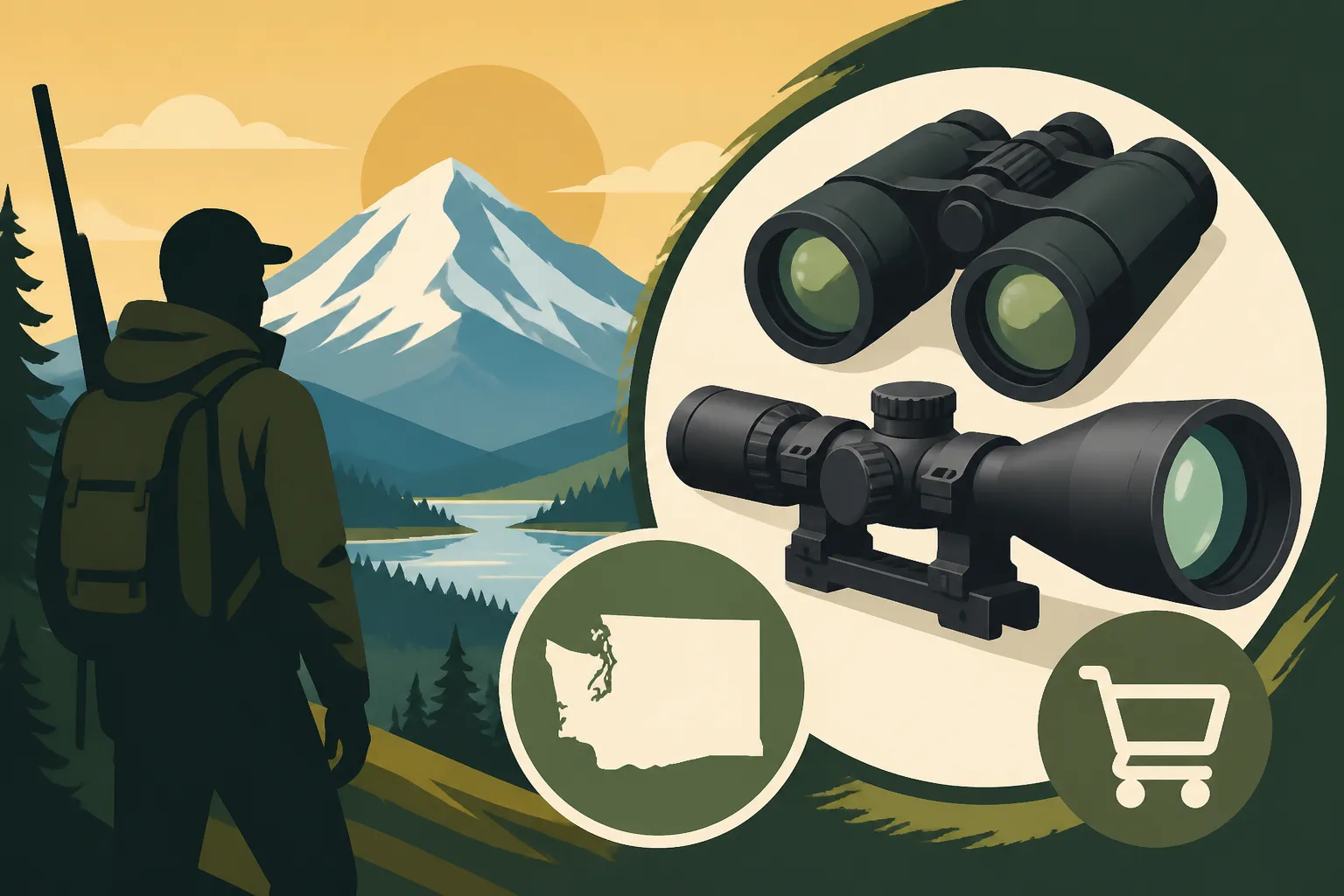
The cost of quality hunting gear can feel like a punch to the gut, especially when you're just getting into Washington's diverse hunting opportunities or looking to upgrade without breaking the bank. Good optics are often the biggest hurdle for many hunters, but the good news is you don't always have to pay full retail. This guide is all about helping you navigate the world of used hunting optics, so you can get that crisp glass you need to spot that mule deer in eastern Washington's sage or pick apart the dark timber for a Roosevelt bull without emptying your wallet.
Why Consider Used Optics for Washington Hunts?
Let's be honest, hunting is an expensive passion. From licenses and tags to fuel, clothing, and weapons, the costs add up fast. Optics—binoculars, spotting scopes, and rifle scopes—are often one of the most significant investments. Many hunters dream of top-tier glass from brands known for their clarity and durability, but the price tags can be daunting. This is where the used market shines as a real lifesaver for your budget, allowing you to access higher-quality gear than you might afford new.
The Budget-Friendly Advantage
The primary draw of used optics is, without a doubt, the price. You can often find high-quality binoculars or a reliable rifle scope for a fraction of its original cost. This isn't about compromising on quality; it's about being smart with your money. For instance, a gently used 10×42 binocular from a reputable brand might offer superior light gathering and edge-to-edge clarity compared to a brand-new, entry-level option at the same price point. When you're spending hours glassing for Mule Deer of Eastern Washington or trying to pick out tines in the thick stuff, that clarity makes a huge difference.
Think about it: that extra cash saved on optics could go towards a better backpack, more comfortable boots for those steep Washington trails, or even an extra tank of gas to scout a new GMU. It makes the hunt more accessible and enjoyable. It's not about being cheap, it's about being resourceful.
Accessing Higher Quality Brands
Another massive benefit is the ability to step up in quality. Maybe you've always wanted a particular brand's spotting scope for those long-range sessions in the Okanogan, but the new price was just out of reach. The used market frequently has these high-end items available. Optics, especially good ones, are built to last. Many hunters upgrade their gear frequently, or perhaps they bought something that wasn't quite right for their specific hunting style, and they sell it in excellent condition.
This means you can potentially acquire a piece of glass that would typically be in a much higher price bracket, offering better optical performance, superior ergonomics, and more robust construction. When you're pushing light at dawn or dusk, or trying to confirm legal points on a distant animal, the difference between mediocre and excellent glass can be the difference between a successful hunt and going home empty-handed. Don't underestimate the advantage good glass provides; it truly can extend your hunting day.
Where to Find Used Optics: Online Platforms and Local Stores
Finding used optics is less about luck and more about knowing where to look and being patient. There's a wide world of options out there, each with its own advantages and potential drawbacks. Understanding these different avenues will help you refine your search and increase your chances of finding a great deal.
Online Marketplaces and Forums
The internet has revolutionized the used gear market, connecting buyers and sellers across vast distances. Dedicated hunting forums and online marketplaces are often treasure troves of gently used optics. You'll find everything from basic rangefinders to high-magnification spotting scopes.
- Hunting Forums and Facebook Groups: Many regional and national hunting forums have "for sale" sections. These are fantastic because sellers are usually fellow hunters who understand the gear, often provide detailed descriptions, and are more likely to be upfront about any wear and tear. You can also ask questions directly and get honest feedback. Similarly, local Facebook hunting groups can connect you with hunters in your area, sometimes allowing for in-person inspections. Just be cautious and always prioritize safety when meeting strangers for transactions.
- Dedicated Used Gear Sites and Marketplaces: Sites like eBay, or specialized hunting classifieds, offer a huge selection. While eBay offers buyer protection, you might pay a bit more due to fees. Other sites might have fewer protections but potentially better prices. It’s a trade-off. Be prepared to sift through many listings and to do your due diligence on both the seller and the item. When you're considering a big purchase, tools like those offered by GoHunt can help you research the specific model you're eyeing, understanding its typical features and what a fair price might be, even for a used version.
When buying online, always insist on clear, high-resolution photos of the actual item, not stock photos. Ask for pictures of the glass, the objective and ocular lenses, the focus knob, and any cosmetic blemishes. A seller unwilling to provide these detailed photos might be hiding something.
Local Retailers and Consignment Shops
While online options are abundant, don't overlook your local resources. Sometimes, the best deals and the most reliable purchases happen right in your hometown. The biggest advantage here is the ability to physically inspect the optics before you buy.
- Local Gun Shops and Sporting Goods Stores: Many independent gun shops or larger sporting goods stores that deal in hunting gear will sometimes have a used section or take items on consignment. These items are often inspected by staff, and you might even get a short warranty or a return period. This is a great way to handle expensive items like Rifle Setup for Washington Elk and Deer or specific optics, as you can put your hands on them, check the focus, and ensure everything moves smoothly.
- Pawn Shops: This is a bit more of a wild card, but pawn shops can occasionally yield fantastic deals. The key here is that pawn shop staff often aren't optics experts, so they might not fully understand the value of a high-end binocular. However, this also means you need to be the expert. Thorough inspection is paramount, as pawn shops typically sell items "as-is" with no returns. If you know what you're looking for, and are willing to spend the time, you can sometimes walk away with a real steal.
- Used Gear Consignment Stores: Some communities, especially in more outdoors-oriented areas of Washington, might have dedicated consignment shops for outdoor gear. These stores are specifically set up to sell used equipment, often with a more curated selection than a general pawn shop. Their staff might be more knowledgeable about the gear they're selling.
Remember, when buying locally, you have the opportunity to ask questions face-to-face and get a feel for the item. Don't be shy about spending some time looking through the glass, checking all the adjustments, and ensuring it meets your standards.
| Source Type | Pros | Cons | Key Considerations |
|---|---|---|---|
| Online Hunting Forums | Fellow hunters, detailed descriptions, direct Q&A, good prices. | Limited buyer protection, shipping costs, reliance on seller honesty. | Research seller reputation; clear communication and photos essential. |
| Online Marketplaces | Huge selection, buyer protection (eBay), competitive pricing. | Many sellers, potential for misrepresentation, higher fees. | Verify seller ratings, detailed product photos, understand return policy. |
| Local Gun/Sporting Shops | In-person inspection, staff expertise, potential limited warranty. | Smaller selection, potentially higher prices than online. | Check return policy; compare prices with online listings. |
| Pawn Shops | Potential for very low prices on high-value items. | "As-is" sales, staff may lack optics expertise, unknown history. | Thorough personal inspection is critical; know your product. |
| Consignment Stores | Curated selection, knowledgeable staff, often good condition. | Limited selection, prices can be higher than private sales. | Focus on specialty stores; inspect condition carefully. |
What to Look For When Buying Used Optics
Once you've found a promising piece of used glass, the real work begins: inspecting it thoroughly. This isn't just about looking at the price tag; it's about making sure you're getting a fully functional tool that will perform when you need it most. A little detective work now can save you a lot of heartache later, especially if you're out chasing Washington Elk Herds and Where They Live.
Physical Inspection and Glass Quality
This is the absolute most critical step. Even a small scratch on a lens can severely degrade performance, and internal issues are even worse.
- Exterior Condition: First, look at the body of the optics. Are there any deep gouges, cracks, or dents? These can indicate that the optics have been dropped hard, potentially affecting internal components or alignment. Check for loose parts or rattling sounds when gently shaking the unit. Examine the rubber armor for peeling or excessive wear, which can compromise grip and protection. Pay attention to the eyecups; they should extend and retract smoothly, and be free of cracks or tears.
- Glass Inspection: This is paramount. Look through both ends of the objective lenses (the big ones at the front) and the ocular lenses (the small ones you look into). Look for scratches, chips, or coatings that are worn off. Pinholes or tiny scratches on the exterior glass might be acceptable if they're not in the center of your field of view, but any significant damage is a red flag. Turn the optics towards a light source and look through them. Can you see any dust, fungus, or haze inside the lenses? This internal contamination is a deal-breaker, as it's often impossible or very expensive to fix. Good glass should appear clear and bright.
- Collimation: This is a fancy word for alignment. If binoculars aren't collimated, you'll see a double image or experience eye strain. To test this, look at a distant object, like a telephone pole or a building edge. Bring the binoculars up to your eyes, adjust the interpupillary distance (the space between the eyepieces) until you see a single, clear image. Then, pull the binoculars away from your eyes about 6-8 inches while maintaining that single image. If the images separate or you see two distinct circles, the collimation is off. This is a common issue with dropped binoculars and is usually very expensive to repair.
Functionality and Adjustments
Beyond the pristine look of the glass, the mechanics of the optics need to be in perfect working order. Don't skip these steps.
- Focus Wheel: The focus wheel should turn smoothly and evenly throughout its entire range, without any gritty feel, binding, or excessive play. It should move the image crisply into focus. Test it from its closest focus distance all the way out to infinity.
- Diopter Adjustment: On binoculars, there's usually a diopter ring on one of the ocular lenses (often the right one). This adjusts for differences in vision between your eyes. It should turn smoothly but with enough resistance that it won't accidentally spin out of adjustment. To test, cover the diopter eye and focus with the other eye using the main focus wheel. Then, cover the main focus eye and use the diopter ring to bring the image into focus for the diopter eye. Finally, look through both eyes; the image should be clear and not cause strain.
- Zoom/Magnification Ring (for spotting scopes or variable rifle scopes): If it's a variable power optic, the zoom ring should turn smoothly from the lowest to highest magnification. The image should remain clear and in focus (or require only minor re-focusing) throughout the zoom range. Any sticking, grinding, or significant image degradation at certain magnifications is a red flag.
- Turrets (for rifle scopes): On a rifle scope, the elevation and windage turrets should have clear, tactile clicks. They should turn consistently and return to zero without issue. While you can't test tracking without shooting, you can at least check for consistent movement and audible clicks. Look through the scope and turn the turrets while looking at a grid pattern or a distant object; the reticle should move smoothly.
Avoiding Pitfalls and Ensuring a Good Deal
Buying used gear, while rewarding, also comes with its share of potential traps. Knowing how to navigate these can save you from buyer's remorse and ensure your hard-earned money is well spent.
Questions to Ask the Seller
Don't be afraid to be thorough. A reputable seller will appreciate your diligence, and a hesitant one might be trying to hide something.
- "What is the history of these optics?" Ask if they are the original owner, how long they've had them, and why they are selling them. A common answer like "upgraded to a newer model" or "bought them for a specific hunt and no longer need them" is usually fine. Evasive answers are a red flag.
- "Have they ever been dropped or submerged in water?" Be direct. Even minor falls can cause internal issues. Water damage can ruin the seal, leading to internal fogging or fungus. If they say no, but the optics show significant external damage, question it.
- "Is there any internal dust, fungus, or haze?" Again, be direct. Even if you plan to inspect in person, their answer gives you a baseline.
- "Does it come with all original accessories?" This includes lens caps, original box, manual, cleaning cloth, and any carrying cases or straps. While not crucial for functionality, having original accessories adds to the value and indicates good care.
- "What's your return policy?" Especially for online purchases, understanding if you have a window to return the item if it's not as described is critical. Local shops might offer a limited return window; private sellers often do not.
Warranty and Post-Purchase Considerations
Even with used optics, a warranty can offer peace of mind. Some premium optics brands are known for their exceptional, transferable lifetime warranties.
- Transferable Warranties: Some high-end brands offer a transferable, no-fault, lifetime warranty that covers repairs or replacement regardless of who owns the optics. Research the specific brand and model you're interested in to see if it has such a warranty. This can add significant value to a used purchase, essentially giving you a "new" level of protection. If the optics you're looking at fall into this category, it's a huge bonus and a strong reason to consider that specific piece of gear. This information can often be found by quickly searching the manufacturer's website or using a resource like GoHunt to review brand information.
- Proof of Purchase: For warranties that require it, having the original proof of purchase can be important. Ask the seller if they have it. If not, don't necessarily walk away, but factor in the potential lack of warranty support into your decision.
- Cleaning and Maintenance: Once you get your used optics home, give them a thorough but gentle cleaning. Use a proper lens cleaning kit, not just your shirt. This will ensure the best optical performance from your new-to-you gear. Consider storing them in a padded case to protect your investment for years to come. Taking good care of your Optics for Washington Elk and Deer Hunting will ensure they last you many seasons.
By approaching the used optics market with careful research, a critical eye, and a healthy dose of patience, you can absolutely score some incredible deals. Don't let the sticker shock of new gear keep you from experiencing the incredible hunting opportunities Washington has to offer. Getting good glass in your hands is a game changer, and it's entirely achievable on a budget.
Disclaimer
This article is for general informational purposes only and does not constitute professional advice. Laws, prices and regulations vary by location and change over time. Consult a qualified professional for guidance on your specific situation.