Washington Nonresident Tag Availability
Trying to figure out Washington's nonresident hunting tag availability can feel like navigating a dense, fog-choked forest without a compass. It's notoriously complex, and for those of us coming from out of state, the hurdles can seem insurmountable. This guide is here to shed some light on the reality of hunting in the Evergreen State as a nonresident, outlining what to expect, what opportunities exist, and how to best prepare for your shot at a Washington tag.
The Reality of Nonresident Tag Access in Washington
Let's be honest, Washington isn't exactly known for its easy nonresident tag opportunities, especially for prime big game like elk and quality deer. The system is heavily weighted towards residents, which is frustrating but understandable from a wildlife management perspective. However, that doesn't mean there are no paths forward. You just need to understand the lay of the land and manage your expectations.
Understanding the Big Game Combo License
For most nonresidents looking to hunt big game in Washington, your journey begins with the nonresident Big Game Combo License. This isn't just a simple deer or elk tag; it's an umbrella license that often includes the general season tag options for certain species, along with the ability to apply for special permits. It’s your entry ticket to the system. However, it’s critical to understand that simply buying this combo license doesn't guarantee you an elk or quality deer tag. It typically covers your general season deer (in most open units, subject to rules) and bear and cougar tags.
The cost of this combo can be a significant upfront investment, especially when you compare it to other states. It’s designed to allow you to participate in various seasons, but the actual availability of desirable tags, particularly for elk, often hinges on the special permit draw. This is a common point of confusion and frustration for many out-of-state hunters who might assume a "big game combo" means a general elk tag is included. Always double-check the current year's Washington Big Game Licence and Tag Costs to avoid any surprises.
General Season Opportunities and Their Limitations
When it comes to general season hunting, nonresidents often have more straightforward access to black bear and cougar tags, which are typically included with the Big Game Combo License. These seasons can offer fantastic opportunities, especially for bear hunting in the spring and fall or pursuing cougars throughout much of the year, subject to harvest guidelines. For these species, the challenge often shifts from securing a tag to finding quality hunting grounds and understanding animal behavior. You can dive deeper into these options by checking out information on Washington Bear and Cougar Seasons.
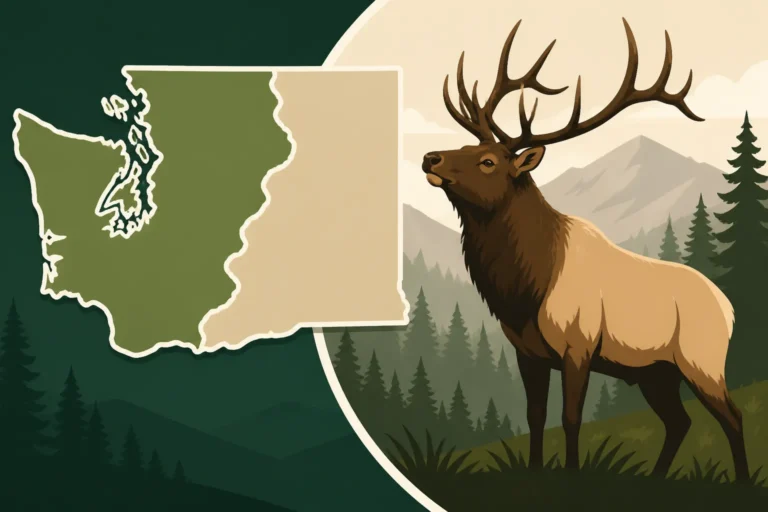
However, for general season deer and, most notably, elk, the picture changes significantly. While a nonresident can purchase a general season deer tag with their combo license, the units open to general deer hunting might not be the "trophy" units you're hoping for, and restrictions like weapon type or antler point rules often apply. For elk, general season nonresident tags are extremely limited, if they exist at all, for many popular Game Management Units (GMUs). Often, the general season elk opportunities that do exist are for spike bulls or antlerless elk in very specific, often less desirable, or crowded units, and even these can be subject to quotas that fill up fast. This is why many nonresidents turn their attention to the special permit draws, even with the long odds. This really drives home the difference between Washington General Season Versus Special Permit Hunts.
Navigating the Washington Special Hunt Permit System
If you're dreaming of a branch-antlered bull elk or a prime mule deer buck in Washington, the special permit draw is likely your primary avenue. This is where most of the limited, high-quality opportunities reside. However, it's also where nonresident hunters face the steepest competition and the lowest odds.
The Draw Odds for Nonresidents
Washington’s special permit draw operates under a quota system that typically allocates a very small percentage of permits, usually around 5%, to nonresidents. This means that for every 100 permits issued for a specific hunt, only about 5 of them will go to nonresidents. When you factor in the sheer number of applicants, both resident and nonresident, for highly coveted units like those in the Blue Mountains or the Colockum, your odds can drop dramatically. It's a tough pill to swallow, knowing that you're competing against hundreds, sometimes thousands, of other hunters for a handful of spots.
Tools like GoHunt, for example, are invaluable for analyzing historical draw data and understanding these challenging odds. They provide permit statistics, success rates, and application data that can help you make more informed choices, though it won't magically boost your chances. Understanding Washington Draw Odds for Quality Elk is essential for setting realistic expectations. The frustration here is real; many nonresidents spend years applying without success, which is why a thoughtful application strategy is so crucial.
Strategic Application Choices
Given the low odds, a scattergun approach isn't always the best strategy for nonresidents. Instead, consider focusing your application on units or hunt types that might have slightly higher, or at least less abysmal, draw odds. This might mean:
- Less Popular Species: While everyone wants an elk, consider applying for mule deer or whitetail special permits if those species interest you. The competition, while still present, might be less intense than for elk.
- Unique Weapon Seasons: Sometimes, muzzleloader or late-archery seasons have slightly fewer applicants than the peak modern firearm seasons. While this isn't a guarantee, it can slightly tip the scales.
- Less Renowned Units: While the "trophy units" get all the glory and applicants, researching units with lower historical harvest success but still viable populations might offer a marginal increase in your draw odds. You won't find this information in a casual glance; it requires dedicated research.
The application period itself is strict, with Washington's April 20 to May 27 Application Window being the critical time frame each year. Missing this window means missing all special permit opportunities for the upcoming season. It’s absolutely vital to mark your calendar and get your application in on time. Researching units and understanding the permit process thoroughly, perhaps by reviewing Washington Special Hunt Permits and How to Apply, will be your best friend.
Beyond the Draw: Other Avenues for Nonresident Hunters
While the special permit draw is the main focus for many nonresidents, it's not the only way to experience Washington hunting. You might need to adjust your target species or your hunting strategy, but opportunities do exist.
Exploring Multi-Season Tags and Second Tags
Washington offers a Multi-Season Tag option for both deer and elk, which, when drawn, allows a hunter to participate in archery, muzzleloader, and modern firearm general seasons for that species. This significantly increases your opportunities in the field. However, the draw for these Washington Multi-Season Deer and Elk Tags is also highly competitive, and like special permits, a limited number are allocated to nonresidents. Your chances of drawing a multi-season tag as a nonresident are typically quite low, making it a difficult strategy to rely on.
Similarly, "second tags" for deer or elk are usually available for specific antlerless or late-season opportunities, often as a management tool in certain areas. These are typically available over-the-counter after the main draw period but are almost exclusively reserved for residents, or if available to nonresidents, are quickly snapped up due to their limited nature and specific unit restrictions. For the most part, nonresidents should not count on acquiring second tags.
Focusing on Black Bear and Cougar
As mentioned earlier, black bear and cougar hunting offer some of the most accessible and exciting general season opportunities for nonresidents. Your Big Game Combo License often includes these tags, making them a great target species for an out-of-state hunt. Washington boasts healthy populations of both, with diverse habitats ranging from the dense coastal forests of Western Washington to the ponderosa pine forests and river breaks of the east side.
Hunting these predators can be incredibly rewarding. For bears, you might find yourself glassing clearcuts in spring or fall, or still-hunting through berry patches. For cougars, it's often about reading tracks, calling, or locating prime ambush points. These hunts are less about drawing a rare tag and more about solid scouting, understanding animal behavior, and perseverance. They present a genuine opportunity for nonresidents to experience Washington's wild side without the agonizing wait of the special permit draw. This is a great alternative when you want to ensure you have a tag in hand when you cross the state line.
The Role of Private Land Access
Another avenue that nonresidents might explore, especially if they've secured a general season deer, bear, or cougar tag, is private land access. Washington has vast tracts of private timber land, and some private landowners are open to hunting, though often for a fee or through specific access programs. Companies like Weyerhaeuser and Hancock Resources offer permits, sometimes through a lottery system or direct purchase, that can grant access to thousands of acres.
Gaining Hunting Behind Timber Company Gates or securing Getting Written Permission on Private Land can open up excellent hunting opportunities that are less pressured than public land. This strategy often requires extensive research and outreach well in advance of the season, but it can pay dividends. It's not a silver bullet, as these permits can also be competitive or costly, but it's a valuable option to consider when public land access for nonresidents feels limited.
Essential Nonresident Planning and Resources
Successfully hunting Washington as a nonresident requires meticulous planning, understanding the regulatory landscape, and leveraging available resources. Don't underestimate the legwork involved.
Costs and Financial Considerations
The financial commitment for a nonresident hunt in Washington extends beyond just the license and tag fees. It's important to budget for:
- Big Game Combo License: This is your foundational cost, which covers the general hunting license and allows you to participate in draws and general seasons for certain species.
- Special Permit Application Fees: Even if your combo license allows you to apply, there's a non-refundable application fee for each species you apply for (e.g., elk, deer).
- Travel and Accommodation: Factor in fuel, potential flights, lodging, or camping fees. Washington is a big state, and prime hunting areas can be remote.
- Gear: Ensure your equipment meets Washington's specific regulations, especially for weapon types. Make sure your Rifle Setup for Washington Elk and Deer is compliant.
Here’s a quick overview of some approximate costs, though these can change annually (always check WDFW's current regulations):
| Item | Approximate Nonresident Cost (2024-2025) | Notes |
|---|---|---|
| Nonresident Big Game Combo License | $800 – $900 | Includes hunting license, general deer, bear, cougar, and allows special permit applications. |
| Elk Special Permit Application Fee | ~$15 – $20 per species | Non-refundable, paid for each species you apply for. |
| Deer Special Permit Application Fee | ~$15 – $20 per species | Non-refundable, paid for each species you apply for. |
| Discover Pass (for State Lands) | ~$30/year | Required for parking at many state recreation lands, including WDFW wildlife areas. |
| Nonresident Multi-Season Tag (if drawn) | ~$180 – $200 (in addition to combo) | Allows hunting all three general weapon seasons (archery, muzzleloader, modern firearm). |
Knowing the Washington Nonresident Big Game Combo Cost and other fees upfront will help you manage your expectations and budget appropriately.
Utilizing Online Tools and Information
The Washington Department of Fish and Wildlife (WDFW) website is your official source for all regulations, season dates, and application information. Make it your first stop. The annual Big Game Hunting Pamphlet is indispensable and should be downloaded and thoroughly reviewed every year. These rules can change, so never rely on outdated information.
Beyond the official channels, several online platforms can significantly aid your research:
- GoHunt: This brand is a fantastic resource for nonresident hunters. Their Insider membership, for example, provides detailed draw odds, unit data, and application strategies for multiple states, including Washington. You can delve into specific GMUs, see historical success rates, and analyze permit numbers—all crucial for making informed application decisions. Tools like GoHunt can literally save you hundreds of hours of manual data crunching.
- OnX Hunt or BaseMap: These mapping apps are essential for scouting and understanding land ownership, roads, and topography, especially when you can't be in the state physically. Using them for E-Scouting Washington GMUs Before the Draw can give you a significant advantage in identifying potential hunting areas.
- Online Forums and Social Media Groups: Engaging with local hunters (respectfully!) can sometimes provide invaluable insights into specific areas or tactics. Be polite, offer what you can, and understand that some information is closely guarded.
Once you’ve applied, keep an eye on your WDFW WILD account. This is where you'll eventually check Washington Special Permit Results in Your WILD Account and see if your hard work and patience have paid off. The waiting game is tough, but being prepared for either outcome is part of the nonresident hunting experience in Washington.
Disclaimer
Please remember that hunting regulations, fees, and season dates can change annually. Always consult the official Washington Department of Fish and Wildlife (WDFW) regulations and pamphlets for the most current and accurate information before planning your hunt. This guide is for informational purposes only and does not constitute legal advice.