Washington Turkey Seasons and Tags
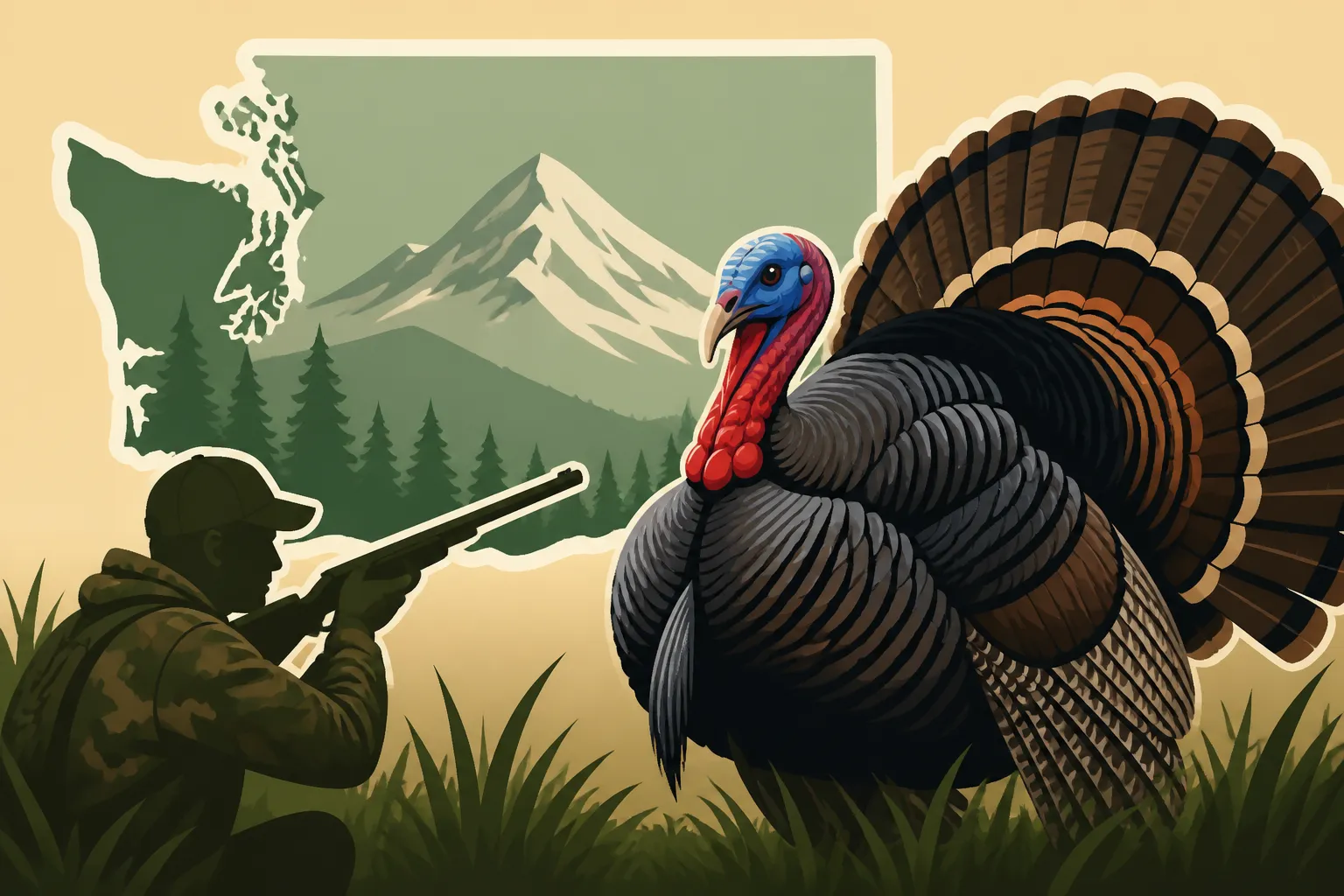
Figuring out the ins and outs of Washington's turkey seasons and tags can feel like trying to hit a gobbler at 70 yards with a bow – confusing and a little daunting if you don't have all the right information. Between the different season structures, specific tag requirements, and knowing where to even find these birds, it's easy to get bogged down in the details instead of focusing on the excitement of the hunt. This comprehensive guide is here to untangle all those complexities, helping you understand everything you need to know about pursuing wild turkeys across our beautiful state, from the first gobble of spring to the quieter, more strategic hunts of fall.
Understanding Washington's Turkey Seasons
Washington offers distinct opportunities for turkey hunters, primarily split into spring and fall seasons. Each presents its own unique challenges and rewards, often requiring different strategies and expectations. Knowing these distinctions is the first step in planning a successful hunt.
The Thrill of Spring Turkey Hunting
There's nothing quite like the sound of a big gobbler rattling the woods at first light. Spring turkey hunting is, for many, the quintessential experience. It's a time of intense anticipation, as the woods slowly awaken from winter, and the turkeys are driven by the primal urge to breed. This season focuses almost entirely on calling in a strutting tom, making it an incredibly interactive and engaging hunt. The weather can be a real mixed bag in April and May, ranging from chilly, wet mornings that demand good rain gear to glorious, warm days perfect for spending hours camouflaged against a tree.
Washington's general spring turkey season typically kicks off in mid-April and runs through most of May, though exact dates can shift slightly each year, so always check the latest regulations. There are usually opportunities for youth hunters to get out a week or so earlier, which is a fantastic way to introduce new blood to the sport. Specific Game Management Units (GMUs) often have varying dates or even special permit hunts, so simply looking at the statewide opener isn't enough; you really need to drill down into the unit you plan to hunt. The sheer thrill of a gobbler answering your calls, getting closer and closer, is an adrenaline rush that's hard to beat, making spring arguably the most popular time to chase these birds.
Success rates in spring can vary wildly depending on location, weather, and hunter skill, but the experience itself is often the real trophy. It's a game of patience, stealth, and knowing when to call and, perhaps more importantly, when to shut up. From the dense timber of Northeast Washington where Merriam's turkeys roam, to the more scattered pockets in the central part of the state, spring offers a dynamic and rewarding challenge that keeps hunters coming back year after year.
Navigating the Fall Turkey Season
While spring often grabs the headlines, the fall turkey season in Washington provides a completely different, yet equally rewarding, hunting experience. Gone are the booming gobblers and the breeding frenzy; fall turkeys are typically flocked up, focused on feeding, and much less vocal. This shift in behavior demands a complete change in tactics, often favoring tactics like "flock busting" and assembly calls over aggressive gobbling. It's a strategic chess match where patience and keen observation often outweigh flashy calling.
Washington's fall turkey seasons are generally longer than spring seasons, often running from September through December, with specific dates varying by GMU. These later dates can put hunters in the woods during some truly beautiful times of the year, from the crisp autumn colors to the first dusting of snow. The bag limits often change for fall, allowing for the harvest of "any turkey" – meaning either a tom or a hen – which provides more flexibility. Hunters usually find themselves targeting larger flocks in agricultural fields, open timber stands, or along river bottoms where food sources are abundant. It's less about the gobble and more about identifying travel patterns and breaking up a flock to then call the scattered birds back together.
One of the great advantages of fall turkey hunting is often less hunter pressure compared to the spring. This can lead to a more relaxed experience, allowing you to cover more ground and really scout out new areas. However, the less vocal nature of fall turkeys means a lot more walking, looking for fresh sign, and relying on calls like the "kee-kee run" or lost hen calls to pique a bird's interest. It's a season that truly tests your woodsmanship and understanding of turkey behavior, making it a favorite for those who enjoy a more solitary and strategic hunt.
Turkey Tag Requirements and Costs
Before you can even think about calling in a tom or busting a fall flock, you need to ensure you're legally equipped with the right licenses and tags. Navigating the Washington Department of Fish and Wildlife (WDFW) system can sometimes feel a bit like reading ancient hieroglyphs, but it’s crucial for a smooth hunting experience.
Getting Your Washington Hunting License
The foundation of any hunting endeavor in Washington, whether for big game or small game like turkeys, is a valid hunting license. This isn't just a piece of paper; it’s your gateway to legally participating in the state’s rich outdoor traditions. For anyone new to hunting, or those who haven't hunted in Washington before, the first hurdle is successfully completing a hunter education course. This is a mandatory step for most hunters born after January 1, 1972, ensuring that everyone in the field has a basic understanding of safety, ethics, and conservation. You can find more detailed information on requirements and options in our guide on Washington Hunter Education and Licensing.
Once you've got your hunter education squared away, you'll need to purchase a general hunting license. Washington offers various license packages, and for turkeys, you'll typically be looking at a small game or a big game/small game combo license. The specifics can vary for resident versus non-resident hunters, with non-resident licenses often being significantly more expensive. It's essential to carefully review the WDFW licensing options to select the one that best suits your hunting plans, especially if you're pursuing other species. The WDFW website or a local license vendor can help clarify which license tier covers your turkey aspirations.
It's a good practice to purchase your license well in advance of the season and always have it on your person while afield, along with any relevant tags. Many hunters opt to buy their licenses online through the WDFW WILD system, which is convenient and allows for digital storage on your phone, though a printed copy is always a good backup, especially in areas with no cell service. Don't let the process intimidate you; it's a straightforward system once you get the hang of it, and it's what ensures our wildlife resources are managed responsibly.
Specific Turkey Tag Details and Fees
With your general hunting license in hand, the next step is acquiring the specific turkey tag (or tags) for the season you plan to hunt. Think of the general license as your entry ticket to the show, and the turkey tag as your specific seat reservation for the turkey performance. These tags are usually add-ons to your base license and are relatively inexpensive compared to big game tags, but they are absolutely required.
For spring turkey, Washington typically allows you to purchase one tag per hunter. This tag usually limits you to one male or bearded turkey for the entire spring season. For the fall season, the rules can be a bit more flexible, sometimes allowing for more than one tag or a greater overall bag limit, depending on the GMU and specific regulations. It's crucial to consult the annual Washington Big Game Hunting Seasons and Regulations pamphlet, which is released by WDFW each year. This document is your bible for all the specific rules, dates, and bag limits for every GMU. You can find current pricing information and purchase options in our detailed post about Washington Turkey Tag Cost.
You can usually purchase these turkey tags online through the WDFW WILD system or from any authorized license vendor. The process is quick and seamless once your primary hunting license is established. Just make sure you select the correct tag for the correct season. Don't make the mistake of assuming a spring tag covers fall, or vice-versa. Always double-check your purchase to ensure you're compliant. Having the proper tags is not just a legal requirement; it's part of the ethical responsibility we share as hunters, ensuring that WDFW can accurately track harvest data to manage turkey populations effectively across the state.
Key Regulations and Harvest Limits
Understanding the legal framework around turkey hunting in Washington is non-negotiable. It protects both the resource and ensures a safe, fair chase for everyone. The WDFW outlines clear rules regarding how many birds you can harvest and what equipment you can use, and these are subject to change, so annual review is essential.
Daily and Seasonal Bag Limits
One of the most critical aspects of turkey hunting regulations is understanding and adhering to the bag limits. These limits are in place to manage turkey populations sustainably and ensure that hunting remains a responsible activity. The rules for spring and fall are often quite different, reflecting the varying biological needs and population dynamics of turkeys during those seasons.
In the spring, Washington typically allows hunters to harvest one male turkey or one turkey with a visible beard. This "one bird" limit is usually for the entire spring season, meaning once you tag a bird, your spring turkey season is concluded. It emphasizes targeting mature gobblers during their breeding cycle, which generally has less impact on population growth compared to harvesting hens. The focus on bearded birds helps preserve the hen population, which is vital for recruitment. It’s imperative to immediately validate and attach your tag to the harvested bird, following the instructions on the tag itself, to clearly mark your harvest and prevent any confusion.
The fall turkey season often presents different bag limits. Depending on the specific GMU and statewide regulations, hunters might be allowed to harvest one or even two turkeys, and sometimes the restriction to a male or bearded bird is lifted, allowing for "any turkey" to be taken. This flexibility in the fall is due to the post-breeding season population dynamics, where harvesting some hens or jakes may be permissible without detriment to the overall population. Again, the Golden Rule here is to consult the current WDFW regulations pamphlet for the specific GMU you plan to hunt, as these details can vary significantly from one area to another and year to year. Misinterpreting these limits can lead to serious legal consequences, so always verify before you head out.
Legal Weapons for Turkey Hunting
Just as important as knowing your bag limits is understanding the legal weaponry you can use to hunt turkeys in Washington. The regulations are fairly specific to ensure ethical harvest and public safety. Generally, shotguns and archery equipment are the permitted methods, but there are important details to remember for each.
For shotgun hunters, the rules revolve around gauge and shot size. Most common gauges (10, 12, 16, 20) are permitted. However, when it comes to shot size, there are strict limitations. Lead shot sizes cannot be larger than BB or smaller than #6. For non-toxic shot (which is often required in specific areas like National Wildlife Refuges or WDFW wildlife areas), the size cannot be larger than T or smaller than #6. This restriction on larger shot sizes like buckshot or slugs is to ensure an ethical kill on turkeys, which are smaller-bodied birds compared to big game, and to prevent accidental injury to other hunters or non-target species. A full choke is often preferred by turkey hunters for tight patterns at typical turkey ranges, but that's a preference, not a legal requirement.
Archery hunters also have specific rules they must follow. Broadheads must be fixed-blade or mechanical broadheads with at least seven-eighths of an inch cutting diameter. The arrow or bolt itself must be a minimum of 20 inches long and weigh at least 350 grains. Crossbows are permitted for turkey hunting, provided they meet the same broadhead and projectile weight requirements, and generally require a minimum draw weight. Using rifles or pistols for turkey hunting is not permitted in Washington. Adhering to these weapon regulations isn't just about avoiding a citation; it's about ensuring a quick, humane harvest and upholding the ethical standards of hunting. Always verify your gear against the current regulations before stepping afield.
Finding Washington's Turkey Hotspots
Washington state, surprisingly to some, boasts a robust wild turkey population, primarily driven by successful reintroduction efforts. However, these birds aren't evenly distributed, and knowing where to focus your efforts can make all the difference between hearing a distant gobble and having a bird practically in your lap.
Eastern Washington's Prime Turkey Habitat
When most hunters think of turkey hunting in Washington, their minds immediately turn to the vast expanses of Eastern Washington. This region is truly the heartland of turkey hunting in the state, offering the most consistent populations and prime habitat. The dominant subspecies here are the majestic Merriam's turkeys, known for their striking white-tipped tail feathers and their tendency to inhabit ponderosa pine forests, open timbered ridges, and riparian zones along river bottoms.
The northeastern counties, including Stevens, Pend Oreille, and Spokane, are particularly renowned for their strong Merriam's populations. Areas around the Colville National Forest, as well as various WDFW wildlife areas and private timberlands (some requiring permits), offer excellent opportunities. These birds thrive in the mix of mature timber for roosting and open clearings or agricultural edges for feeding. Similarly, the southeastern part of the state, especially the Blue Mountains region in Walla Walla, Columbia, and Asotin counties, is another hotspot for Merriam's. Hunters here often find success in the rugged canyons and timbered slopes, utilizing glassing techniques in the morning to locate birds before trying to get close. Tools like GoHunt's mapping software can be incredibly helpful for e-scouting these expansive areas, pinpointing potential roosting sites, water sources, and feeding grounds long before you ever set foot in the field.
Access in Eastern Washington is a mix of public and private land. National Forests, state DNR lands, and WDFW wildlife areas provide significant public access. However, large tracts of private timber and agricultural lands often hold some of the best birds. Gaining written permission for private land access is always ideal, and understanding Washington's "Feel Free to Hunt" or "Hunt by Written Permission" programs can unlock additional opportunities. Always check for fire restrictions, especially in the dryer spring and fall months, as access can be limited or restricted. Our guide on Merriam's Turkeys in Northeast Washington dives even deeper into targeting these birds.
Western Washington's Emerging Opportunities
While Eastern Washington might be the traditional turkey Mecca, Western Washington is slowly but surely carving out its own niche in the turkey hunting world. It's a different game entirely, with smaller, more scattered populations and often a different subspecies, primarily the Rio Grande turkey or hybrids, though some Merriam's can be found. These birds tend to favor the mixed agricultural lands, oak woodlands, and open timber fringes of the western foothills, rather than the dense, dark timber often associated with elk and deer.
Counties like Klickitat, Skamania, and Cowlitz are showing increasing numbers of turkeys, presenting new challenges and opportunities for Westside hunters. The habitat here is often more broken, with smaller timber patches interspersed with fields and private land. This can make locating birds more challenging, requiring more extensive scouting and often relying on landowner contacts. Many of these turkeys utilize private timber lands managed by companies like Weyerhaeuser or Hancock, which may require access permits or have specific walk-in only gates. It’s also worth checking out specific WDFW wildlife areas on the Westside that may have small, but huntable, populations. Our comprehensive article on Rio Grande Turkeys in Washington offers more targeted advice for these areas.
Hunting Western Washington turkeys requires a different mindset. You'll likely encounter less competition, but the birds can be much harder to locate due to the terrain and their more discreet nature. Success often hinges on extensive pre-season scouting, understanding local land ownership and access rules, and being prepared to cover a lot of ground. Don't expect the booming gobbling typical of Eastside Merriam's; these birds might be more apt to sneak in silently or require different calling strategies. Always consult the Washington DNR Land Open to Hunting and Washington Wildlife Area Rules to maximize your access to potential turkey grounds in this region.
Application and Planning Strategies
Successful turkey hunting, like any hunting endeavor, is about more than just showing up. It demands thoughtful planning, diligent scouting, and understanding the logistics of obtaining your tags and permits.
When and How to Apply for Permits
The good news for turkey hunters in Washington is that for most general seasons, you don't typically have to deal with the nerve-wracking application processes and draw odds associated with special permit big game hunts. Turkey tags are generally available over-the-counter (OTC), meaning you can purchase them directly without applying for a draw. This simplifies the process considerably and makes turkey hunting much more accessible.
For both spring and fall general turkey seasons, you can purchase your required turkey tag as an add-on to your base hunting license, as discussed earlier. There isn't a specific "application deadline" in the same way there is for special permit draws. However, it's always wise not to wait until the last minute. Purchasing your license and tags a few weeks before your intended hunt ensures you're ready to go and avoids any last-minute technical glitches or vendor issues. This also gives you time to thoroughly review the regulations pamphlet with your specific tags in hand.
While general turkey tags are OTC, it's worth noting that WDFW occasionally offers limited special permit turkey hunts in specific GMUs, often to address localized population management goals or provide unique opportunities. These are rare for turkeys, but if they occur, they would follow the general special permit application window, typically in April and May, with results usually posted in June. Always keep an eye on the WDFW website for any announcements regarding such opportunities. For most of us, though, it's a straightforward purchase process, allowing us to focus our planning energy on scouting and tactics rather than worrying about a draw. Don't forget to check the official Washington Spring Turkey Season Dates and Washington Fall Turkey Permits before finalizing your plans.
Using Resources to Plan Your Hunt
Pre-season planning and scouting are arguably the most crucial components of a successful turkey hunt, especially when you're targeting birds in areas you might not be intimately familiar with. It's about gathering as much intelligence as possible before you ever step foot in the woods, significantly increasing your odds.
Start with digital scouting. This means leveraging online mapping tools and satellite imagery, like those offered by GoHunt, onX, or even the free WDFW GoHunt Hunt Planner. These platforms allow you to identify key turkey habitat features from your couch: potential roosting areas (tall, mature trees, especially pines or hardwoods near water), likely travel corridors (ridge lines, creek bottoms, edges of fields), and feeding areas (agricultural fields, clearings with mast crops, berry patches). Look for south-facing slopes that warm up quickly in spring, drawing insects and early green-up. Identifying these areas beforehand can save you countless hours of aimless wandering in the field. Our guide on E-Scouting a Washington GMU From Home can give you even more strategies.
Once you have some promising areas identified, if possible, conduct some physical scouting before the season opens. Walk the access roads, listen for distant gobbles at dawn and dusk, and look for physical sign like droppings, tracks, scratch marks in the dirt, and shed feathers. Knowing Where Washington Turkeys Roost is gold, as this is where you'll want to be set up well before first light. Pay attention to private property boundaries and public access points. Road closures (especially on DNR or Forest Service lands) can dictate how far you'll have to walk, so check those before you go. Finally, always consult the WDFW regulations pamphlet for any GMU-specific rules, private land access programs, or potential closures due to fire danger or timber operations. Thorough preparation is the difference between a hopeful walk in the woods and a strategic hunt.
Here's a quick comparison of Washington's primary turkey seasons:
| Feature | Spring Turkey Season | Fall Turkey Season |
|---|---|---|
| Typical Dates | Mid-April to May | September to December (varies by GMU) |
| Target Species | Primarily gobblers (male or bearded turkeys) | Any turkey (male or female) |
| Calling Strategy | Aggressive gobbling, hen yelps, seeking a response | Kee-kee runs, assembly calls, flock busting |
| Bag Limit | Typically 1 male/bearded turkey for the season | Often 1-2 turkeys, can vary by GMU |
| Hunter Pressure | Higher, especially on opening weekends | Generally lower, more relaxed |
| Weather | Unpredictable: rain, sun, cool mornings, warming days | Mild early fall, can get cold/snowy later |
| Turkey Behavior | Breeding focus, vocal, displaying | Flocking, feeding, less vocal, harder to locate |
Disclaimer
Please remember that hunting regulations, season dates, and access rules in Washington State can change annually. It is your responsibility to always consult the most current Washington Department of Fish and Wildlife (WDFW) regulations pamphlet and any emergency rule changes before heading into the field. This guide provides general information and should not be considered a substitute for official WDFW publications.