Calling Cougars Without Dogs in Washington
Cougar hunting in Washington without dogs requires precise strategies, gear considerations, and knowledge of feline behavior to succeed.
Close the distance.
Archery, muzzleloader, and firearm techniques — calling, stand placement, still-hunting, spot-and-stalk, and the weapon rules that change at the state line.
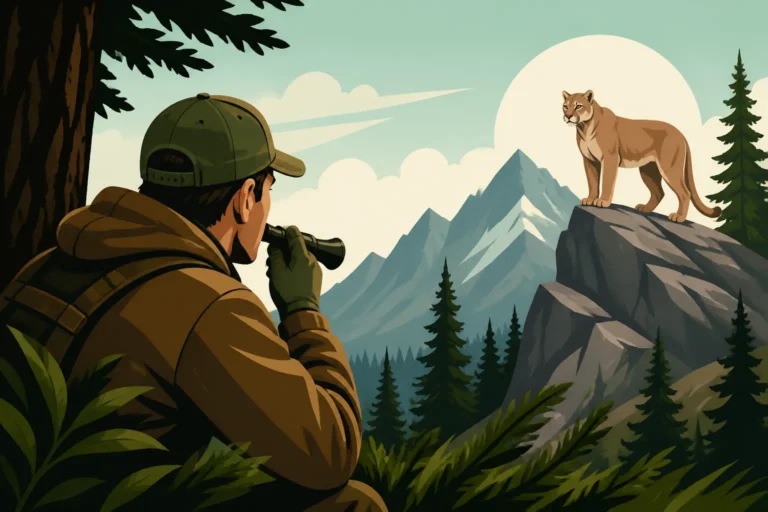
Cougar hunting in Washington without dogs requires precise strategies, gear considerations, and knowledge of feline behavior to succeed.

Washington black bear spot-and-stalk hunting on fall green-up slopes explains how to locate and ethically pursue bears feeding on forage.
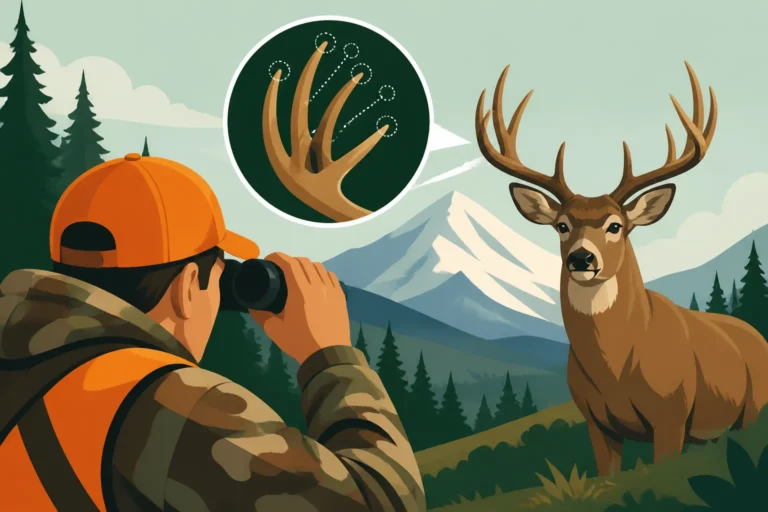
Washington State antler point rules, including the three-point minimum and legal definitions, ensure lawful deer and elk harvesting.

Washington deer hunting regulations require three distinct antler tines on one side in specific Game Management Units across the state.
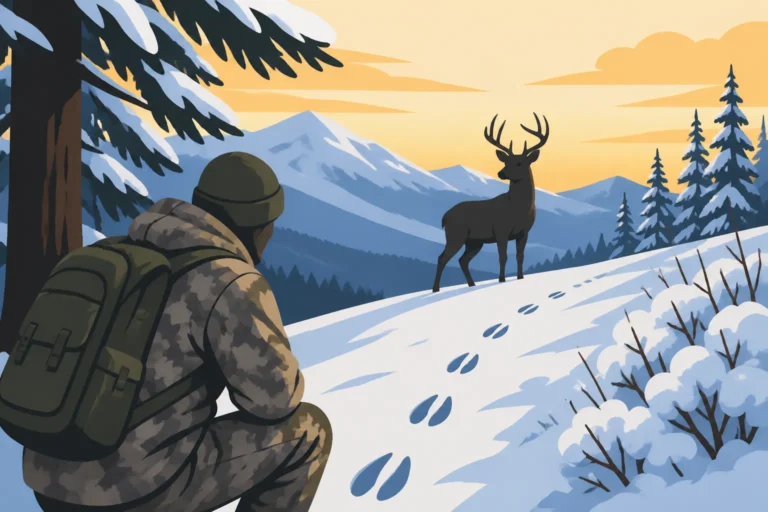
Fresh Eastern Washington snow tracking helps hunters distinguish mule deer tracks, interpret snow depth, and read fresh scrapes.
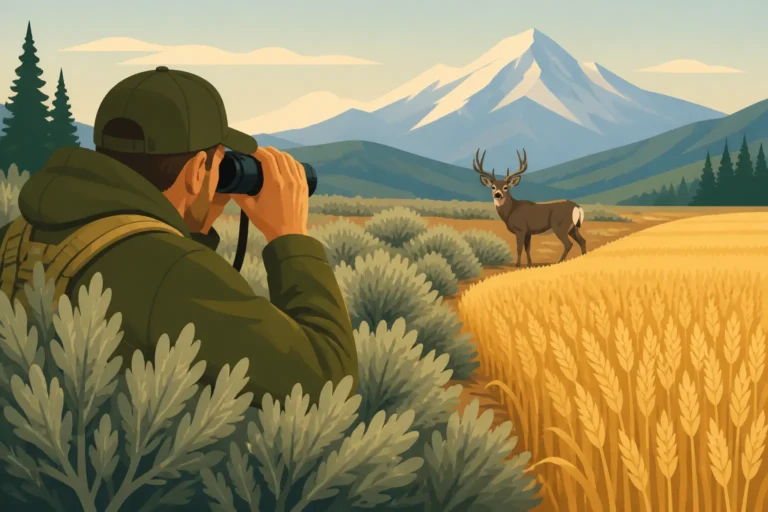
Glassing techniques for Eastern Washington sagebrush steppe and wheat field edges help hunters locate elusive mule deer.
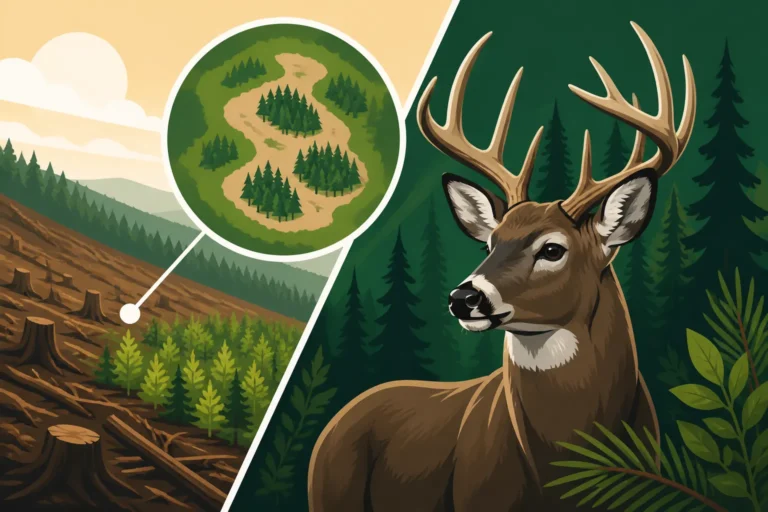
Blacktail deer habitat analysis helps Western Washington hunters locate bucks using clearcuts and reprod timber aged five to fifteen years.

Western Washington blacktail still-hunting tactics utilize rain and fog to mask hunter movement through thick salal and fern brush.
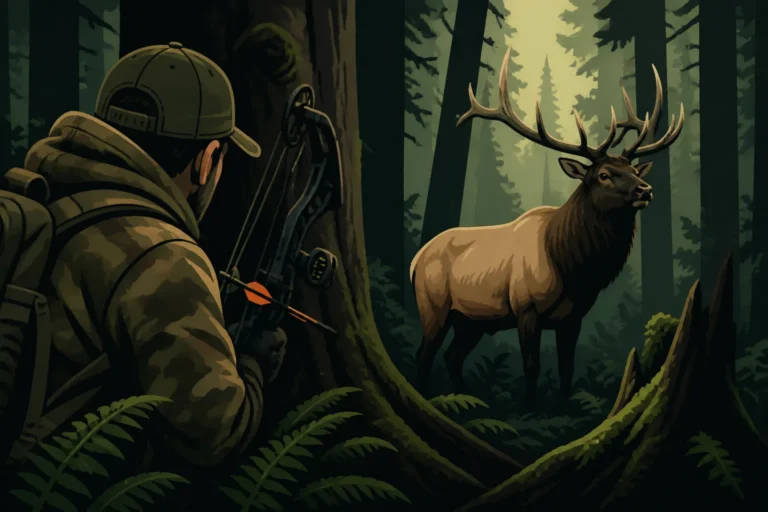
Elk hunting tactics in Washington dark timber explain how hunters track herd bulls, read fresh sign, and use satellite maps.
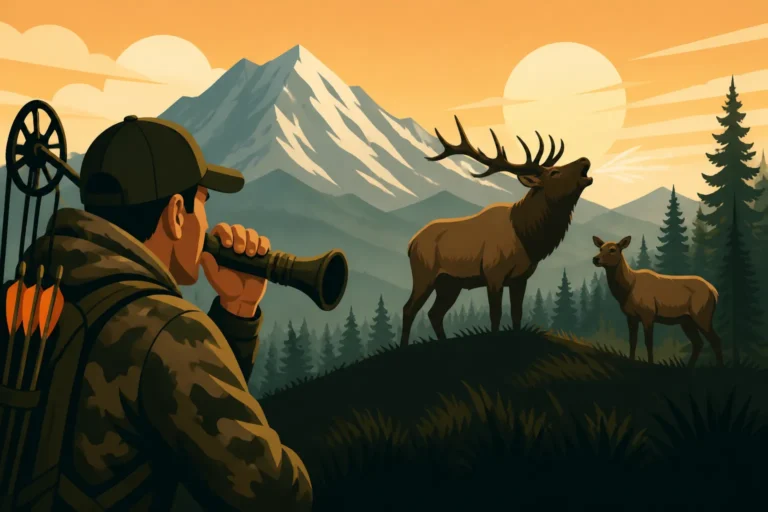
Bugling and cow calling strategies for Washington archery elk season help hunters communicate and draw wary bulls close.