Reading Clearcuts and Reprod for Blacktail Bucks
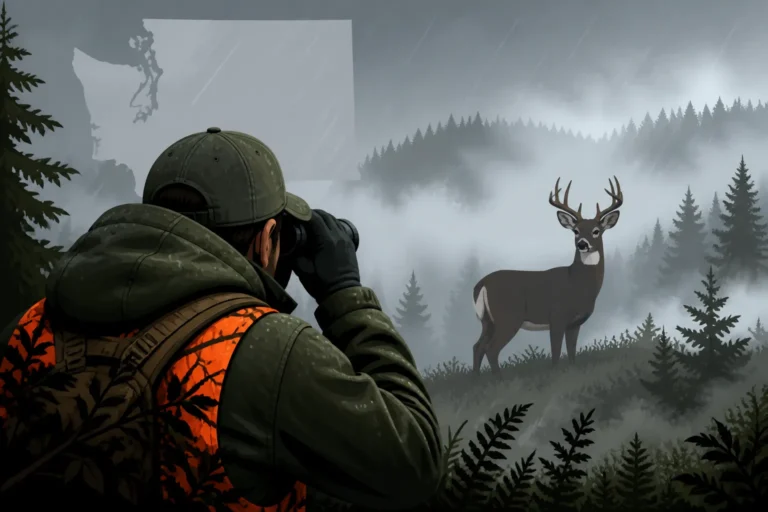
Oh, the infamous clearcut and the tangled web of reprod! If you’ve spent any time at all chasing blacktail deer in Western Washington, you know these landscapes are both a blessing and a curse. They promise the food and cover these elusive animals need, but they also present a bewildering maze that can leave you feeling utterly lost and defeated. It's a real frustration, trying to decipher which patch of regenerating timber holds a buck and which is just a green desert. This guide is here to unravel those mysteries, helping you understand how blacktails use these challenging environments and, most importantly, how you can find success in them.
The Blacktail's Clearcut Connection
Clearcuts are essentially nature's buffet line for blacktail deer, but not all buffets are created equal. The age and characteristics of a clearcut dictate how and when deer will use it. It’s not enough to just see a clearcut on a map; you need to understand its story.
Why Clearcuts Attract Blacktails
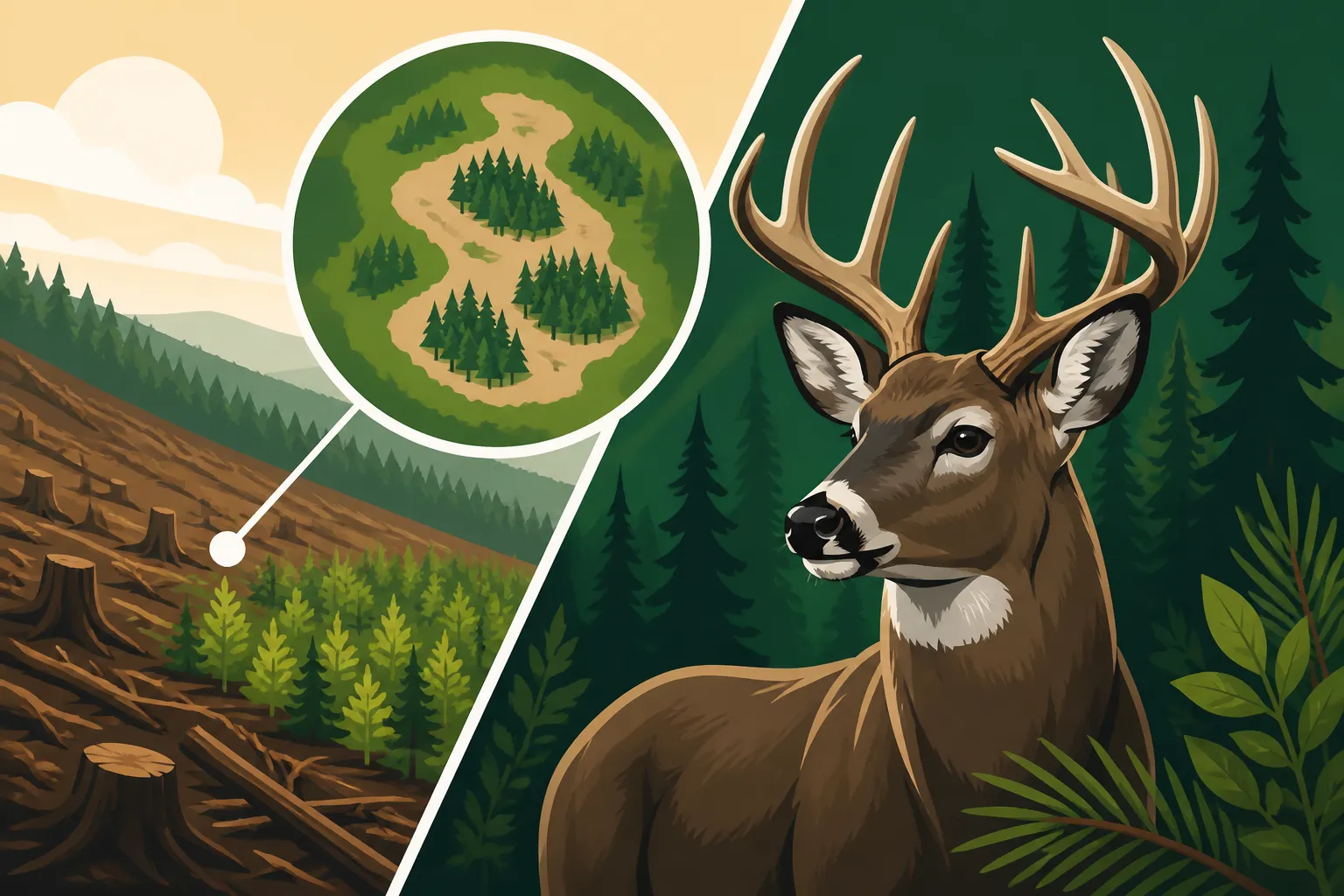
When a forest is clearcut, the canopy is removed, allowing sunlight to flood the forest floor. This sudden influx of light, combined with the disturbance of the soil, sparks an explosion of new plant growth. For blacktail deer, this means a smorgasbord of nutrient-rich forage that wasn't available when the area was shaded by mature timber. We're talking about succulent forbs, tender browse species, and various grasses that pop up quickly. These young, palatable plants are a critical food source, especially in the spring and early summer when deer are trying to pack on weight after a lean winter.
Beyond just food, clearcuts often provide crucial edges and pockets of residual cover. A clearcut isn't always a perfectly sterile, empty landscape. There might be small stands of timber left behind, unlogged fingers of trees, or deep draws where logging equipment couldn't easily go. These "islands" or transition zones become vital safe havens for blacktails. They can feed in the open, sun-drenched clearcut and, with just a few bounds, disappear into the dense security of standing timber. This proximity to cover is key for a deer that’s constantly on alert for predators, whether it's a cougar, a bear, or, yes, a hunter.
Age of Clearcuts and Deer Use
The age of a clearcut is perhaps the most critical factor in predicting blacktail activity. It’s a dynamic habitat that changes significantly over time, and deer adapt their use accordingly.
-
Young Clearcuts (1-5 Years Old): These areas are typically dominated by an abundance of pioneer plants – the first species to colonize disturbed ground. Food is plentiful, but security cover is often scarce. While does and fawns might graze here, especially during low-pressure periods or at dawn and dusk, mature bucks are less likely to spend much daylight time in these exposed areas. They're too open, offering little in the way of hiding spots or escape routes. Think of it as a wide-open field; a buck wants something closer to the treeline.
-
Mid-Age Clearcuts (5-15 Years Old) – The Sweet Spot: This is where the magic happens for blacktail hunters. In these clearcuts, the regenerating trees – primarily Douglas fir, hemlock, or cedar saplings – have grown to several feet tall, creating what we call "reprod." At this stage, you get the best of both worlds: good forage production and developing security cover. The dense canopy of the young trees provides excellent thermal protection from rain and wind, and a visual barrier that allows deer to move unseen. These clearcuts are often riddled with deer trails, rubs, and bedding areas. It's here that you should be looking, particularly when you’re Reading a Three-Year-Old Clearcut for Bucks. The blend of food and cover makes them prime blacktail real estate.
-
Older Clearcuts (15+ Years Old): As the reprod matures, it becomes incredibly dense, eventually shading out the understory plants that were once so attractive to deer. This transforms the area into a thick, almost impenetrable jungle. While it still offers incredible security cover, the lack of food makes it less desirable for consistent use. Deer will still travel through these areas for bedding or escape, but they won't typically linger and feed. Navigating these older clearcuts yourself can be an absolute nightmare, where every step sounds like a freight train, and visibility is often only a few feet.
Decoding the Reprod Jungle
"Reprod" is more than just a buzzword; it's the living, breathing, and often maddening heart of blacktail country. Understanding its nuances is crucial for success.
What is "Reprod" and Why it Matters
Reprod is short for "reproduction" or "regeneration" – essentially, the new forest growing back after logging. In Washington, particularly west of the Cascades, this usually means dense stands of young conifers like Douglas fir, western hemlock, and red cedar. These saplings, often planted by timber companies, grow incredibly thick, forming an almost impenetrable wall of green. For blacktail deer, this density is a double-edged sword: it offers unparalleled security cover but can make travel and feeding challenging.
The importance of reprod for blacktails cannot be overstated. It provides crucial thermal cover, protecting deer from the relentless rain and wind of fall and winter, and offering shade during warmer early-season hunts. More importantly, it acts as an escape cover. A blacktail buck can simply melt into a dense patch of reprod and become practically invisible. Within these thickets, deer establish intricate networks of trails – their highways and byways – leading to bedding areas, water sources, and feeding grounds. Learning to identify these trails, even when they’re barely discernible tunnels through the brush, is a skill that comes with time and persistence. Knowing Where Blacktails Bed in Reprod can be the difference between a frustrating still-hunt and spotting a buck.
Identifying Productive Reprod Zones
Not all reprod is created equal, and some areas are more likely to hold bucks than others. Understanding which reprod to focus on can save you countless hours of busting brush for nothing.
-
South-Facing Slopes for Warmth: In the colder months, or even on chilly mornings, south-facing slopes get more direct sunlight. This makes them warmer and can cause snow to melt faster, revealing forage. Deer, being creatures of comfort, will often seek out these slopes for bedding and feeding, especially after a cold night or a snow event. Look for areas where reprod is thick on these sunny aspects.
-
Thickets Near Water Sources: Deer, like all animals, need water. Reprod thickets adjacent to seeps, small streams, or even puddles can be hotspots, particularly during drier times of the year. This proximity allows them to stay hidden while accessing a vital resource. Don't overlook these areas; they can concentrate deer movement.
-
"Islands" of Older Growth within Reprod: Sometimes, logging operations leave behind small, unlogged pockets of mature timber, or perhaps areas where reprod from an older cut has matured slightly more. These "islands" provide even greater security and often serve as core bedding areas for mature bucks, acting as command centers within the younger reprod. Bucks will bed here and make short forays into the surrounding younger, more nutritious reprod to feed.
-
Edges of Reprod Meeting Mature Timber or Open Areas: Deer are edge animals. The transition zone where dense reprod meets mature timber, an older clearcut, or even a grassy opening is often a high-traffic area. These edges offer both food (from the more open side) and immediate security (from the dense reprod side). Bucks will often cruise these edges, especially during the rut, scent-checking and looking for does. These are prime locations to set up a stand or to still-hunt slowly and deliberately. When you are Still-Hunting Blacktails in Wet Washington Brush, paying attention to these edges can reveal animals moving between cover and food.
Strategies for Unlocking Clearcut and Reprod Secrets
Finding blacktails in these dense environments requires more than just walking around; it demands a blend of high-tech scouting and old-fashioned woodsman know-how.
E-Scouting and Map Study
Before you even step foot in the woods, the best place to start is from your couch. E-scouting has revolutionized how we approach hunting, and it's particularly effective for breaking down complex clearcut and reprod landscapes. Platforms like GoHunt and onX Hunt are invaluable tools. They allow you to:
- Identify Clearcuts and Their Ages: By using satellite imagery, often with historical views, you can get a good sense of when an area was logged and how old the regeneration might be. Look for areas with a patchwork of different shades of green – darker green often signifies older reprod or mature timber, while lighter, more vibrant green can indicate younger, more open clearcuts.
- Pinpoint Transition Lines, Draws, and Hidden Benches: Deer love topographical features. Use contour lines to identify subtle benches on hillsides, hidden draws that offer thermal protection, or saddles that serve as natural travel corridors. Mark these potential hotspots on your map. These are the places where deer will seek shelter, especially if they are embedded within a sea of reprod.
- Locate Potential Escape Routes: Blacktails are masters of escape. When pressured, they know exactly where they’re going to go. By studying the terrain, you can anticipate these routes. Look for fingers of timber leading into deeper canyons, dense reprod that funnels into a thick swamp, or steep, brushy slopes that offer a quick exit to higher ground. Understanding these routes can help you position yourself for an ambush or cut off a fleeing buck. Using tools for E-Scouting Washington GMUs Before the Draw will give you a major advantage.
Boots-on-the-Ground Reconnaissance
E-scouting is a fantastic starting point, but there's no substitute for getting your boots dirty. Pre-season scouting is absolutely critical for blacktails, especially in clearcut and reprod country.
- Finding Tracks, Rubs, Beds, and Trails: Once you've identified promising areas from your map, it's time to confirm your suspicions on the ground. Look for fresh deer tracks, especially larger ones that might indicate a buck. Rubs on small trees or saplings are clear indicators that bucks are present and actively marking their territory. Scrape lines, although less common in blacktails than whitetails, can also be found. Most importantly, search for bedding areas – depressions in the thick reprod where deer have rested, often indicated by matted-down vegetation and droppings. Discovering well-used trails, particularly those that connect feeding areas in younger clearcuts to bedding in denser reprod, is like finding a gold mine.
- Checking Prevailing Winds and Thermals: Understanding air movement is paramount in dense timber. The wind can swirl unpredictably in valleys and draws. Pay attention to how the wind shifts throughout the day, especially with changing temperatures. Thermals will typically pull air uphill in the morning as the ground warms and push it downhill in the evening as it cools. Plan your approach and stands accordingly to keep your scent out of the deer's nose.
- Using Trail Cameras in Key Pinch Points: Trail cameras are an extension of your scouting efforts. Place them in strategic locations where deer movement is concentrated: natural funnels, heavily used trails intersecting clearcut edges, or near water sources within reprod. They can tell you what kind of deer are in the area, when they are moving, and help you identify specific bucks. While the prompt mentioned using them to find bulls, the principles apply perfectly for deer; consider Using Trail Cameras to Find Washington Bulls and adapting those tactics for blacktails. Remember to adhere to all WDFW regulations regarding trail camera placement on public land. This on-the-ground intel, combined with your e-scouting, gives you the most complete picture. For deeper insights, learn more about Public Land Scouting in Washington Before Opening Day.
| Clearcut Age (Years) | Typical Vegetation | Blacktail Activity | Hunting Strategy Focus |
|---|---|---|---|
| 1-5 (Young) | Grasses, Forbs | Feeding (Dusk/Dawn) | Edges, Ambush |
| 5-15 (Mid-Age/Reprod) | Dense Saplings | Feeding, Bedding, Travel | Still-hunt, Stand-hunt, Drives |
| 15+ (Mature Reprod) | Thick Conifers | Bedding, Escape | Still-hunt through trails, Drives |
Hunting Tactics for Washington Blacktails in the Thick Stuff
Once you've done your homework and understand the landscape, it's time to put boots on the ground during hunting season. Hunting clearcuts and reprod is a uniquely challenging, yet rewarding, experience.
Still-Hunting the Edges and Pockets
Still-hunting is perhaps the most effective method for consistently tagging blacktails in their dense habitat. It's an art form that requires immense patience and an almost Zen-like focus. The goal isn't to walk a lot, but to move extremely slowly, taking just a few steps, then pausing to scan, listen, and glass every little detail.
- Patience and Slow Movement: Imagine moving at a snail's pace, often taking minutes to cover just a few yards. Your eyes should be constantly searching for horizontal lines (a deer's back) in a vertical world (trees), a patch of contrasting color, an ear flick, or the subtle glint of an antler. Use binoculars to pick apart dense cover, even just 20-30 yards ahead. The key is to be so slow that you see the deer before it sees you. Every sound you make should be intentional and blend with the environment, or you risk blowing your chance.
- Using Wind and Thermals to Your Advantage: As discussed, understanding air currents is non-negotiable. Always hunt into the wind, or with a quartering wind, ensuring your scent is carried away from where you expect deer to be. In the morning, work your way uphill with rising thermals; in the evening, work downhill. This constant awareness allows you to penetrate dense reprod without immediately alerting every deer in the vicinity.
- Targeting Small Openings, Benches, and Transition Zones: Don't just crash through the thickest stuff. Focus your still-hunting efforts on the more open fringes of reprod, along the edges of clearcuts, or in small, unexpected pockets of slightly thinner cover within the reprod itself. Deer will often use these tiny clearings to feed, or as staging areas before moving into more open ground. Benches and saddles provide natural travel routes that offer slightly easier walking, making them good places to encounter a moving buck. You’ll find that when you focus on Still-Hunting Blacktails in Wet Washington Brush, these subtle shifts in terrain and cover are where you’ll most often find success.
Stand Hunting Key Travel Routes
While still-hunting is a primary tactic, stand hunting can be incredibly effective when you’ve identified a consistent travel route or feeding area. This allows you to stay hidden and let the deer come to you.
- Identifying Heavily Used Trails Between Bedding and Feeding Areas: This comes directly from your scouting. Look for those well-worn paths that connect a dense bedding area in old reprod to a prime feeding area in a younger clearcut. Or trails leading to a secluded water source. These are ideal places for a stand. The deer use these routes out of habit and efficiency.
- Setting Up Portable Stands or Blinds: Portable tree stands, especially lightweight models, are excellent for blacktail hunting. Choose a tree that offers good concealment and a clear shooting lane down the trail. Make sure you set it up well before the season, if possible, to let the deer get accustomed to its presence. Ground blinds can also work well, especially in thick reprod where a natural backdrop provides excellent camouflage. Just make sure the wind is right for your chosen stand location.
- Considering Wind Direction for Your Setup: This cannot be stressed enough. A perfect stand location is useless if your scent is blowing directly into the deer's approach path. Always have multiple stand options for different wind directions, or be prepared to relocate. Many hunters make the mistake of having only one "good" spot, which limits their effectiveness when the wind doesn't cooperate.
Drives and Pushing Tactics (with caution)
Drives are a controversial but sometimes effective tactic, especially for dislodging bucks from seemingly impenetrable reprod. However, they require careful planning and a strong emphasis on safety.
- When and Where This Can Be Effective: Drives work best in smaller, defined patches of reprod, or when a buck has been located and you need to move it out of dense cover. They are often more successful with a group of hunters: one or two "pushers" quietly moving through the reprod, while others are strategically placed as "standers" on known escape routes or clearcut edges. This is a tactic that requires intimate knowledge of the area and the deer's likely escape routes.
- Safety Considerations: Communication, Knowing Shot Lanes: Safety is paramount. Everyone involved must be aware of each other's positions, wear hunter orange, and have clear communication. Knowing your shooting lanes and what lies beyond your target is critical. Never take a shot if you are unsure of your target or what might be behind it. This is not a tactic for beginners.
- Understanding "How Close You Get" in Coastal Reprod: When executing a drive or even just still-hunting, understanding How Close You Get in Coastal Reprod before a deer busts is key. In Western Washington's dense coastal forests, deer can be incredibly close without you knowing it. Pushers need to move slowly enough to detect deer before they are completely gone, and standers need to be ready for an animal that might appear suddenly at close range.
Seasonal Nuances in Blacktail Habitat Use
Blacktail behavior in clearcuts and reprod isn't static; it shifts with the seasons, influenced by temperature, forage availability, and the all-important rut.
Early Season and Warmer Weather
Early season hunts, especially during archery or muzzleloader seasons in September and October, often bring warmer temperatures. This dictates how blacktails use their habitat.
- Higher Elevation Use, Shaded Clearcuts: In the heat, deer will often seek out higher elevations where temperatures are cooler and breezes more prevalent. Look for reprod thickets on north-facing slopes or in deep, shaded canyons within clearcuts. They’ll also favor dense canopy areas in reprod that provide relief from direct sun.
- Morning and Evening Feeding Patterns: During warmer periods, blacktails will be most active during the cooler parts of the day – early morning and late evening. They’ll feed heavily in clearcuts during these times, then retreat into dense reprod or mature timber for bedding and security during the hotter midday hours. Plan your hunts to capitalize on these crepuscular movements.
- Deer Staying in Dense Cover During the Day: This is a recurring theme for blacktails. They prioritize security. Even if a clearcut has abundant food, a mature buck will likely be bedded down in the thickest reprod during daylight hours. Your still-hunting or stand placement needs to account for this tendency, focusing on access points to bedding areas or travel routes that lead from them.
The Rut and Late Season Shifts
As fall progresses into late October and November, the landscape changes, and so does deer behavior. The rut is a game-changer.
- Bucks Becoming More Active, Moving More: The rut, or breeding season, is when bucks throw caution to the wind. They become much more active, covering more ground in search of does. This means they’ll be moving through clearcuts and reprod at all times of day, increasing your chances of an encounter. Look for new rubs and scrapes that indicate a buck is actively patrolling.
- Blacktail Rut Timing in Western Washington: How it Affects Clearcut and Reprod Usage: The peak of the rut varies but generally occurs from late October through mid-November. During this period, bucks are less predictable. They might be found anywhere a doe might be, which means clearcuts (where does feed) and reprod (where does bed) are both potential hotspots. Focus on the transition zones between these two habitat types, as bucks will often cruise these edges scent-checking for receptive does.
- Snow Impact: Pushing Deer to Lower Elevations, South-Facing Slopes: If late season brings snow, blacktails will typically move to lower elevations and concentrate on south-facing slopes, which offer warmer temperatures and easier access to forage. Snow can also make tracking easier, as deer sign becomes much more apparent. However, heavy snow can also push deer into designated winter range closures, so always check WDFW regulations for your unit. For a better understanding of how snow affects movement, consider Tracking a Buck After a Fresh Snow, even if that's more often an Eastside tactic.
Essential Gear and Safety in Dense Timber
Navigating Washington’s dense timber, especially clearcuts and reprod, demands specific gear and an unwavering commitment to safety.
Navigational Tools and Communication
Getting lost in dense reprod is a very real danger. Without clear sightlines, it's incredibly easy to become disoriented.
- GPS Apps and Offline Maps: Your smartphone, loaded with a reliable GPS hunting app like GoHunt or onX Hunt, is an absolute must-have. Make sure to download offline maps for your entire hunting unit before you lose cell service. These apps show property boundaries, topo lines, and allow you to mark your vehicle, trails, and any sign you find. This is crucial for staying found and knowing exactly where you are in relation to clearcut boundaries or property lines.
- Two-Way Radios and Satellite Messengers: If you're hunting with a partner, two-way radios are essential for communication, especially when still-hunting apart or coordinating a drive. For solo hunters, or anyone venturing into truly remote areas, a satellite messenger (like a Garmin InReach or Zoleo) is a critical safety device. It allows you to send and receive text messages even without cell service and, most importantly, provides an SOS function in an emergency.
- Leaving a Trip Plan: Always, always leave a detailed trip plan with someone responsible back home. Include your hunting area, expected route, vehicle description, and estimated return time. This seemingly simple step can be a lifesaver if something goes wrong.
Clothing, Footwear, and Packing Out
The weather in Washington can be notoriously fickle, especially in the fall. Dressing appropriately and being prepared for the worst is key to comfort and safety.
- Durable, Quiet Rain Gear: Forget the cheap stuff; it won't hold up to the abuse of thick reprod and constant moisture. Invest in high-quality, durable, and quiet rain gear. You need something that can shed water for hours and won't sound like a crinkling chip bag every time you move. Brands like Sitka, Kuiu, or even solid offerings from Cabela's or Bass Pro Shops that focus on quiet fabrics are your friend. When it comes to Rain Gear for Westside Hunting, don't skimp.
- Sturdy, Waterproof Boots for Varied Terrain: You'll be traversing slippery mud, sharp logging slash, steep slopes, and wet brush. A pair of well-broken-in, waterproof boots with excellent ankle support and aggressive tread is non-negotiable. Look for boots that can handle both the soft, mucky ground of the Westside and potentially rocky, steep terrain. You might want to consider the advice on Boots for Steep Eastside Country as many of the principles for durability and support apply to the varied terrain of the Westside as well.
- Understanding Packing Out Principles for Deer: While a blacktail buck isn't an elk, getting even a small deer out of a steep, brushy clearcut can be an exhausting endeavor. Bring a quality pack with a frame that can handle weight. Consider breaking the deer down using the gutless method to make it easier to pack out in quarters. Having game bags is essential to keep the meat clean and cool. For bigger game, the principles outlined in Packing an Elk Out of Washington's Backcountry can be adapted to make your deer pack-out much more efficient and comfortable. Don't forget a sharp knife (or several replaceable blades), a headlamp for packing out after dark, and basic first-aid supplies. Hypothermia is a real risk in Washington’s wet, cold environment, so bring extra layers and know the signs.
Disclaimer
Always consult the latest Washington Department of Fish and Wildlife (WDFW) regulations and season pamphlets before planning any hunting trip. Regulations can change annually, and it is your responsibility to be aware of and comply with all current laws.