Cheney Country Whitetail Access
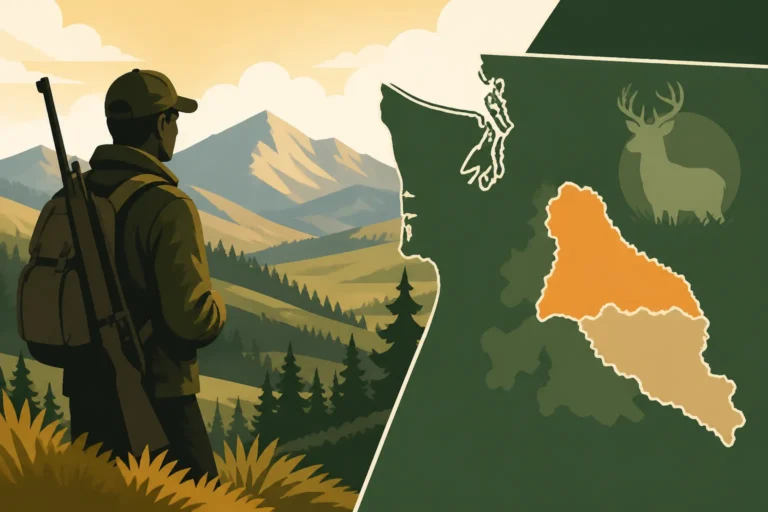
Hunting whitetail deer in the Cheney area of Washington can feel like a puzzle, especially with the mix of private agricultural land, small timber patches, and limited public access. Many hunters get frustrated just trying to figure out where they can even set foot, let alone find a mature buck. This guide is here to unravel that mystery, offering practical advice and strategies to help you successfully navigate the unique landscape of Cheney Country for whitetails, focusing on how to gain access and where these elusive deer tend to hide.
Understanding the Unique Challenges of Cheney Country Whitetails
The rolling hills, wheat fields, and scattered timber blocks around Cheney, Washington, present a very different hunting landscape than the dense forests of the west side or the vast mountains to the north. While whitetails thrive in this mosaic habitat, finding a place to hunt them legally and effectively is often the biggest hurdle. It’s not about finding if the deer are there; it’s about finding where you’re allowed to go.
The Landscape of Fragmentation and Agriculture
Cheney Country is a patchwork quilt of private ownership. You’ll see vast expanses of agricultural fields—wheat, barley, hay—interspersed with smaller woodlots, riparian corridors along creek bottoms, and residential areas that are constantly expanding. This fragmented habitat means deer populations are often localized, benefiting from the plentiful food sources in the fields and using the small pockets of cover for bedding and security. Unlike big blocks of public land, these whitetails often live right alongside human activity, making them wary and accustomed to navigating fences and roads.
This pattern of ownership creates a unique challenge. You might spot a beautiful buck feeding in a field from a public road, only to realize the entire area is private land with no discernible access points. It’s a common frustration that can make you feel like you're constantly on the outside looking in. Understanding this landscape is the first step; accepting that it requires a different approach than typical public land hunts is the second.
Why Access is the Primary Hurdle
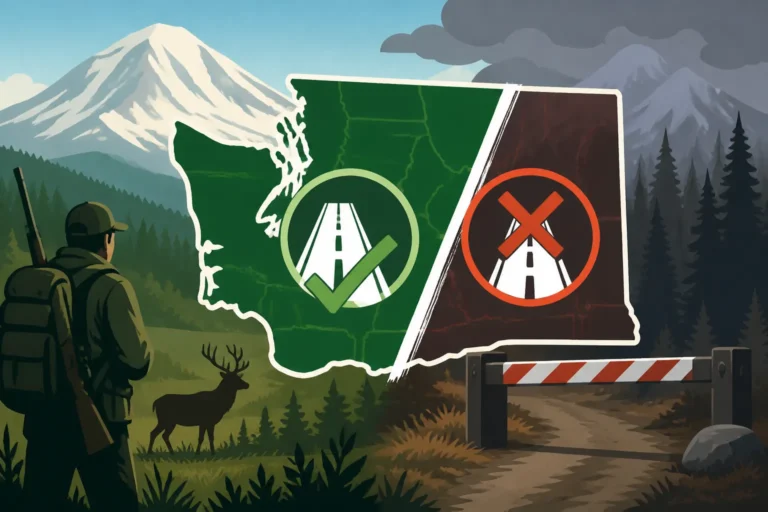
For many hunters, the thought of knocking on doors or navigating land ownership maps is more daunting than the hunt itself. In Cheney, however, securing access to private land is often the only way to consistently hunt whitetails. Public land in the immediate vicinity is often limited to small parcels, WDFW wildlife areas further afield, or lands that see heavy pressure. Relying solely on these spots can lead to crowded conditions and educated deer.
The whitetails here don’t care about property lines; they use the best cover and food available, which is often on private property. Without a solid plan for gaining permission, you might spend more time driving and less time hunting. This reality means you have to shift your mindset from simply scouting deer sign to scouting for landowner contacts and access opportunities.
Navigating Public and Private Land Access around Cheney
Securing a place to hunt in Cheney Country requires diligence, respect, and often, a good dose of persistence. You’ll need to understand the nuances of public access and, more importantly, how to respectfully approach private landowners.
Limited Public Land Opportunities
While vast national forests are a staple for elk and mule deer hunting in other parts of Washington, the immediate Cheney area offers comparatively fewer large blocks of public land suitable for whitetail hunting. You might find small sections of state land (DNR) or Bureau of Land Management (BLM) property, but these are often isolated and might not hold consistent deer. They also tend to get hit hard by other hunters, especially during opening weekend.
Your best bet for public land in the broader region would be specific WDFW Wildlife Areas a bit further out, but even these can be popular. Always check the current regulations for any specific area, as rules can change. Be prepared for company if you choose a public land option. Tools like E-Scouting a Washington GMU From Home can help you identify these pockets, but ground-truthing is essential.
The Cornerstone: Gaining Private Land Permission
This is where the rubber meets the road for Cheney whitetails. Gaining written permission on private land is not just a nice-to-have; it's practically a necessity for a successful and less crowded hunt. Landowners often have specific rules, and respecting those rules is paramount. Remember, you're asking for a privilege, not asserting a right.
Start early, well before the season. Introduce yourself, be polite, and have a clear, concise request. Offer to help with chores, share some of the meat, or even assist with predator control. A common frustration is getting told "no" repeatedly, but a few "yeses" can make all the difference. Always be prepared with a physical permission slip for them to sign, clearly stating the dates, species, and hunters involved. This protects both you and the landowner. For more guidance on this process, consider reading Getting Written Permission on Private Land.
Leveraging Washington's Access Programs
Washington offers several programs designed to connect hunters with private landowners, and these can be goldmines in areas like Cheney.
- Feel Free to Hunt Properties: These are lands where landowners have enrolled their property with WDFW, opening them to public hunting without prior permission. You simply follow the general rules posted. This can be a fantastic opportunity, though these properties can also see pressure. It's always a good idea to scout these areas ahead of time. Learn more about how these programs work by checking out Feel Free to Hunt Properties Explained.
- Hunt by Written Permission: Some lands require you to obtain a signed written permission form, often available from the WDFW website or the landowner directly, before hunting. These are still considered "access programs" because the landowner has indicated a willingness to allow hunting under specific conditions.
- Register to Hunt Properties: These properties might require you to register online or by phone before your hunt, allowing WDFW and the landowner to manage hunter numbers and gather data.
Always check the WDFW website for the most up-to-date lists and maps of these enrolled properties. This is where digital mapping tools become invaluable. onX Hunt, for example, is incredibly powerful for seeing property boundaries and identifying potential access points or enrolled lands. It can save you hours of driving and frustration by showing you exactly who owns what parcel, which is critical in a checkerboard landscape like Cheney.
Here's a quick comparison of the primary access considerations:
| Feature | Public Land (General) | Private Land (Permission) | WDFW Access Programs (e.g., Feel Free to Hunt) |
|---|---|---|---|
| Availability | Limited, often scattered small parcels near Cheney. | Requires direct contact, variable willingness. | Specific enrolled properties, listed by WDFW. |
| Hunter Pressure | High, especially during opening days. | Generally lower, can be exclusive. | Moderate to high, depending on program type and location. |
| Regulations | Statewide and GMU-specific rules apply. | Landowner rules plus statewide regulations. | Program-specific rules plus statewide regulations. |
| Flexibility | Limited to designated public areas. | High, if a good relationship is established. | Moderate, adhere to posted program guidelines. |
| Scouting | Essential to find deer sign and avoid crowds. | Must do both deer scouting and landowner contact scouting. | Essential to verify conditions and deer presence. |
| Tools Needed | WDFW maps, GPS, Downloading Offline Maps for Washington. | onX Hunt, polite demeanor, clear communication. | WDFW website, onX Hunt for boundaries. |
Key Strategies for Finding Whitetail Deer in the Cheney Area
Once you’ve got your access sorted, the next step is actually finding those elusive Cheney whitetails. Their behavior in this mixed agricultural and timber environment is often different from what you might expect in more wilderness-heavy zones.
Understanding Whitetail Behavior in Fragmented Habitat
Whitetails are masters of adapting to their environment, and in Cheney Country, that means using every available piece of cover to their advantage. They will feed heavily in agricultural fields at dawn and dusk, then retreat to the nearest timber stringer, brushy creek bottom, or even dense draw for bedding during the day. Their home ranges can be surprisingly small in areas with abundant food and cover.
Look for transition zones: the edges where timber meets wheat fields, the dense brush along a creek, or even a small, overlooked patch of woods near an old farmstead. These are prime locations. Whitetails here often become almost nocturnal if pressure is high, so understanding their movement patterns between bedding and feeding is crucial. Pay attention to how they use topography to stay hidden, even subtle dips and rises can offer significant concealment.
Scouting for Success: More Than Just Deer Sign
Successful whitetail hunting in Cheney goes beyond just finding tracks or rubs. You need to understand the flow of the land and how deer move through it. This means extensive scouting, both physically and through digital tools.
Physically, walk the edges of fields, check creek bottoms for trails, and look for rubs and scrapes in the small woodlots. These animals are creatures of habit, and their travel corridors will often be well-defined. Note pinch points, funnels, and natural barriers like fences or roads that can dictate deer movement. When scouting, also be mindful of your scent and disturbance, as these deer are often more sensitive to human presence than their backcountry cousins.
Digitally, onX Hunt can be an absolute game-changer. Use it to identify those small timber pockets, creek lines, and property boundaries. It allows you to visualize the landscape and pinpoint potential bedding areas adjacent to feeding grounds before you even step foot on the property. This type of detailed mapping can help you devise a solid plan for your hunt, maximizing your time in areas with high potential. Using Trail Cameras to Find Washington Bulls might be about elk, but the principles of placement for game movement apply directly to whitetails too!
Timing Your Hunt: The Washington Whitetail Rut
Knowing when to be in the woods is just as important as knowing where. The whitetail rut in Washington, particularly in areas like Cheney, generally kicks into gear in November. This is when bucks are most active during daylight hours, cruising for does and often letting their guard down.
Leading up to the peak rut, you’ll see increased rubbing and scraping activity, indicating bucks are becoming more territorial and searching. During the peak, focus on areas where does congregate – those prime feeding fields or secure bedding areas. A buck might follow a hot doe anywhere, even across open ground or through areas they normally avoid during daylight. Understanding Whitetail Rut Timing in Washington is key to intercepting these active bucks. Later in the season, after the main rut, deer will often revert to more predictable feeding patterns to regain lost calories, making food sources even more critical.
Essential Gear and Planning for a Cheney Whitetail Hunt
Even though Cheney might not feel like deep wilderness, proper gear and careful planning are still critical for a successful and safe hunt. The weather can change quickly, and quiet movement is always a priority.
Weapon Choice and Local Regulations
For most general whitetail seasons in Cheney, you'll likely be using a modern firearm, but it's crucial to confirm the specific GMU regulations in the Washington Big Game Hunting Seasons and Regulations pamphlet. Some units or areas might have restrictions, such as shotgun-only zones or specific firearm restriction areas near populated places. Always know your unit boundaries and any local ordinances.
Regardless of your weapon, ensure it's sighted in perfectly and you're proficient with it. Shots can range from close quarters in brushy draws to longer distances across open fields. Rifle Setup for Washington Elk and Deer offers good general advice on setting up your rifle, which can be easily adapted for whitetail. If you’re considering an alternative season, remember Why a Muzzleloader Tag Limits Your Seasons or Choosing Archery Over Modern Firearm may introduce additional gear requirements and season complexities.
Stealth, Scent, and Suitable Apparel
Whitetails, especially those living close to humans, have an incredibly keen sense of smell and are masters of disappearing silently. Your gear and approach need to reflect this.
- Stealth: Wear quiet clothing. Think fleece or soft shell fabrics that won't rustle loudly when you walk through brush. Pay attention to your movements; slow and deliberate is better than fast and noisy.
- Scent Control: This cannot be emphasized enough. Use scent-free detergents for your hunting clothes, shower with scent-free soap, and use scent elimination sprays. Wind direction is your most important tool; always try to hunt with the wind in your favor.
- Apparel: Even in the milder eastern Washington climate, temperatures can swing dramatically. Layers are key. A good base layer, insulating mid-layers, and a quiet, waterproof outer shell will keep you comfortable. Consider the advice in Layering for Wet Cold Weather for general Washington hunting conditions. Sturdy, waterproof boots are also a must for trekking through potentially wet fields or creek bottoms.
Pre-Season Planning and Tools
Effective planning saves time and reduces stress once the season arrives. Start by studying the Washington Department of Fish and Wildlife (WDFW) regulations pamphlet for your chosen GMU. Understand the legal shooting hours, bag limits, and antler point restrictions if any apply.
Utilize digital mapping tools like onX Hunt or even GoHunt to understand land ownership and topographical features. Download offline maps to your phone, as cell service can be spotty in some rural areas. Downloading Offline Maps for Washington is a vital step for any hunter. Share your hunt plan with someone back home, including your specific location and expected return time. Finally, don't forget to understand and fulfill your Washington Harvest Reporting Requirements after your hunt, successful or not. It's a critical part of wildlife management.
The Cheney area can be an incredibly rewarding place to hunt whitetails if you put in the effort to gain access and understand the local deer behavior. It might require more interaction with landowners than you're used to, but the rewards—a freezer full of venison and the satisfaction of a challenging hunt—are well worth it. Good luck out there!
Disclaimer
This article is for general informational purposes only and does not constitute professional advice. Laws, prices and regulations vary by location and change over time. Consult a qualified professional for guidance on your specific situation.