Beezley Unit in the Columbia Basin
One of the biggest hurdles for Washington hunters, especially those looking at areas less frequently discussed, is truly understanding the nuances of a specific Game Management Unit (GMU). It's not enough to just know the boundaries; you need to grasp the terrain, the typical game behavior, and the access challenges. This guide is dedicated to shedding light on the Beezley Unit (GMU 300) in the Columbia Basin, helping you prepare for a successful and informed hunt in this unique Eastern Washington landscape.
Understanding the Beezley Unit's Unique Landscape
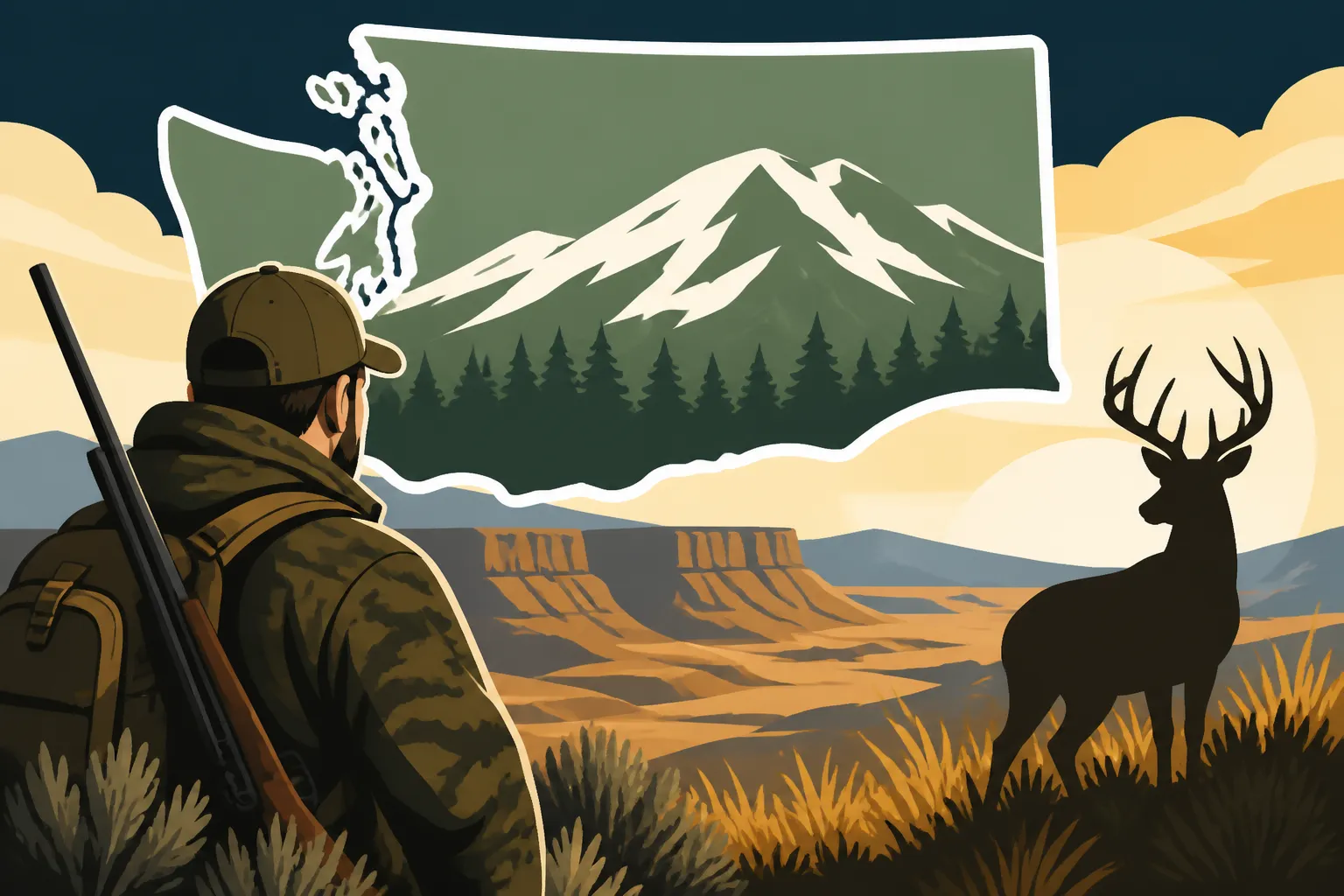
The Beezley Unit, officially GMU 300, is a distinct corner of Washington's vast hunting grounds, primarily known for its Columbia Basin characteristics. This isn't your typical dense timber or rain-soaked westside forest; Beezley offers a much more open, often rugged, high desert experience. Hunters coming from other parts of the state might find the landscape a stark contrast, demanding different scouting methods and hunting strategies.
This unit sits firmly in the rain shadow of the Cascade Mountains, meaning it receives significantly less precipitation than its western counterparts. This dry climate shapes everything from the vegetation to the behavior of the game animals. Understanding these fundamental environmental factors is the first step in unlocking the Beezley Unit's potential.
Geographical Boundaries and Key Features
GMU 300, the Beezley Unit, is situated in Grant County, right in the heart of the Columbia Basin. Its boundaries are quite defined, which helps with navigation and pre-hunt scouting. Generally, it's bordered by Highway 2 on the north, the Columbia River on the west, and State Route 17 and portions of Highway 28 on its east and south. This creates a relatively self-contained area, though game can certainly move across these man-made lines.
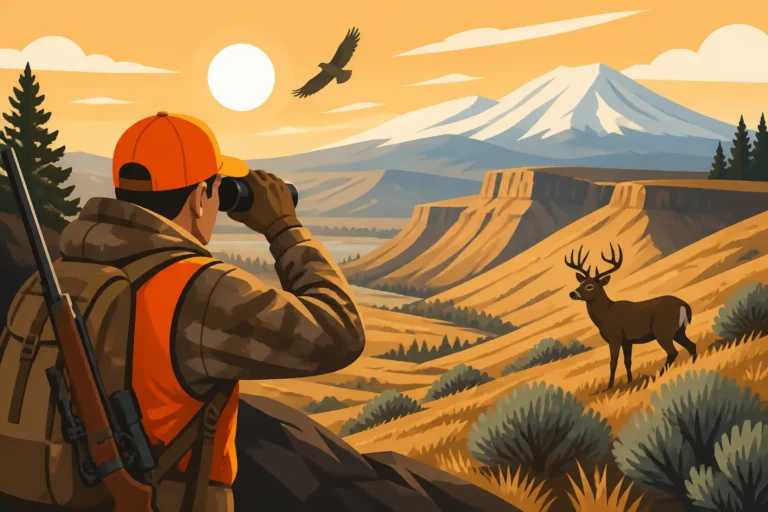
Within these borders, you'll encounter a fascinating mix of agricultural lands, particularly vast tracts of irrigated wheat and other crops, interspersed with dryland sagebrush steppe and basalt coulees. These coulees, formed by ancient floods, are deep, often rocky canyons that carve through the landscape, providing critical cover and travel corridors for wildlife. The contrast between the flat, open agricultural fields and the rugged, broken coulee country is a defining feature of the Beezley Unit. Hunters who learn to effectively use these geological features for cover and to find game often have the most success.
Climate and Vegetation
The climate in the Beezley Unit is characteristic of the Columbia Basin: hot, dry summers and cold winters, often with minimal snowpack compared to mountain units. This aridity profoundly influences the vegetation. You won't find towering firs or lush undergrowth here. Instead, the landscape is dominated by various species of sagebrush, bunchgrasses, and bitterbrush in the upland areas, particularly in the coulees and on uncultivated ground. The edges of agricultural fields, especially those planted in wheat or alfalfa, become crucial feeding areas for deer and other game.
During the archery and early modern firearm seasons, the lack of heavy canopy cover means hunters are often exposed to direct sunlight and can experience significant heat, even into early fall. Later seasons might bring frosty mornings and occasional snow, but sustained, deep snow is less common than in the higher elevations. This sparse vegetation, while challenging for concealment, also means that effective glassing techniques, as described in Glassing Sage and Wheat Edges for Washington Mule Deer, become paramount. Understanding the vegetation patterns—where the sagebrush is thickest, which coulees hold water, and where the most appealing agricultural edges are—is key to finding where animals will be feeding and bedding throughout the different seasons.
Game Species and Hunting Opportunities in Beezley
The Beezley Unit offers a range of hunting opportunities, but it's primarily known for its deer hunting. While you might not find the sheer numbers seen in some other units, the challenge of hunting this open, rolling country appeals to many. The species available reflect the habitat, with a strong presence of mule deer and, in certain areas, whitetails, along with a good selection of upland birds.
Before heading out, it's absolutely crucial to check the current Washington Big Game Pamphlet for Beezley (GMU 300) to understand specific season dates, weapon restrictions, and bag limits. These can change year to year, and staying informed is a non-negotiable part of ethical and legal hunting.
Mule Deer and Whitetail Prospects
The Beezley Unit is primarily mule deer country. These majestic deer thrive in the sagebrush steppe and the broken coulee terrain, using the contours of the land and the sparse brush for cover. Hunters pursuing mule deer here often spend a lot of time glassing, slowly picking apart the landscape for the tell-tale shape of an antler or the flick of an ear. Mule deer in Beezley tend to be spread out, and finding them often involves covering a lot of ground, either on foot or by strategically driving and glassing, a technique similar to Glassing Breaks at First Light.
While mule deer are the stars, whitetail deer can also be found, particularly in areas closer to the Columbia River and around the more heavily vegetated draws that might offer a bit more concealment. Distinguishing between Telling a Whitetail From a Mule Deer in the field is critical, as antler restrictions or tag types might differ. Whitetails here often stick to thicker pockets of cover, making them harder to spot from a distance and requiring more still-hunting or methodical pushing of small timber blocks or heavy brush. The Beezley Unit can be tough hunting, but it does produce some quality bucks for dedicated hunters who learn its secrets.
Upland Birds and Other Opportunities
Beyond big game, the Beezley Unit offers solid opportunities for upland bird hunting. Ring-necked pheasants are often released in specific areas, and wild populations can be found around agricultural fields and riparian zones. Chukar partridge, with their distinctive calls and fast flight, thrive in the steep, rocky coulees, providing a physically demanding but rewarding hunt. You might also encounter California quail in suitable brushy habitats.
For upland bird hunters, the Beezley Unit provides a great way to extend your time in the field after deer season, or to combine a bird hunt with a deer scout. The same coulees that hold deer often hold chukar, making for a multi-species scouting trip. As with deer, access to private agricultural lands is often necessary for the best bird hunting, so securing permission beforehand is highly recommended. Chukar Country Fitness and Footwear is a good read if you plan on chasing these tough birds.
Here's a quick comparison of the deer species you might encounter in Beezley:
| Feature | Mule Deer | Whitetail Deer |
|---|---|---|
| Typical Habitat | Open sagebrush steppe, basalt coulees, dry hills | Thicker riparian zones, dense brush, agricultural edges |
| Antler Shape | Bifurcated (forks and re-forks) | Tines branch off a main beam |
| Tail | Rope-like, white with a black tip | Broad, brown on top, white underneath ("flag") |
| Ears | Very large, "mule-like" | Moderately sized |
| Travel Pattern | Often bounds away, covers open ground | Flags tail, often sneaks or bursts from cover |
| Primary Food | Browse (sagebrush, bitterbrush), forbs | Forbs, agricultural crops, browse |
Access and Navigation Challenges
Access is often the make-or-break factor for hunting success in any Washington GMU, and the Beezley Unit is no exception. With a mix of public and private lands, understanding where you can legally hunt and how to navigate those areas is paramount. Many of the most productive areas may be on private land, requiring diligence in securing permission.
Ignoring access rules can quickly turn a hopeful hunt into a frustrating, or even legally problematic, experience. Always err on the side of caution when in doubt about land ownership or access rights. Tools like onX Hunt can be incredibly helpful for deciphering property boundaries in real-time.
Public Versus Private Land Navigation
The Beezley Unit has a mosaic of land ownership. While there are public lands managed by various agencies, a significant portion of the GMU is privately owned, often by large agricultural operations. Hunters need to be acutely aware of property boundaries. Trying to figure this out on the fly can be chaotic. This is where modern mapping applications really shine. Using an app like onX Hunt, you can clearly see property lines, landowner names, and often even public/private land distinctions right on your phone, even when offline. This dramatically reduces the risk of accidental trespass.
For public land access, much of it consists of parcels managed by the Bureau of Land Management (BLM) and some Washington Department of Fish and Wildlife (WDFW) lands. These areas are typically open to hunting, but road access can be limited or specific. Many WDFW Wildlife Area Parking Permits are required on certain WDFW lands, so check regulations beforehand. Additionally, some private landowners participate in programs like Washington's Register to Hunt Properties or Washington Hunt by Written Permission Lands, which can open up additional opportunities if you do your homework and follow the specific rules. It's a proactive approach that often pays dividends.
Road Access and Restrictions
The Beezley Unit is crisscrossed by a network of county roads and smaller private farm roads. While county roads typically offer public access, many of the smaller tracks leading into prime hunting areas might be private, gated, or subject to seasonal closures. Washington Green Dot Road Systems are not as prevalent in this open country as they are in some of the timbered units, but knowing the difference between a main county road and a private access road is still critical.
Off-road travel is generally prohibited across much of the unit to protect sensitive habitats and private property. Stick to established roads and trails. During wet periods, some dirt roads can become impassable, even with a 4×4, so always check local conditions and be prepared to hike in. Many hunters find that parking their vehicle at a legal access point and hiking into coulees or along public land boundaries is the most effective way to hunt, especially when trying to avoid pressured areas. Pay attention to signs, and if a road is gated or marked "Private," respect that boundary.
Essential Gear and Tactics for the Beezley Unit
Hunting the Beezley Unit requires a specific mindset and gear setup tailored to its open, dry conditions. What works in dense western Washington timber won't necessarily be optimal here. The focus shifts from navigating thick cover to covering vast distances with your eyes, enduring exposed conditions, and having the right tools for potential long shots.
Remember, preparation is key. Don't wait until opening day to discover your boots aren't up to the task or your optics aren't powerful enough. Test your gear, practice your skills, and mentally prepare for the unique demands of this Eastern Washington landscape.
Optics and Long-Range Considerations
Given the open nature of the Beezley Unit, high-quality optics are non-negotiable. Forget the idea of walking up on deer in thick brush; here, you'll be spotting them from a distance, often across coulees or expansive sage flats. A good pair of 10×42 binoculars is a bare minimum, but many hunters find a When 15×56 Binoculars Beat a Spotter in this terrain due to their ability to resolve details at greater distances. A spotting scope on a sturdy tripod is also incredibly valuable for confirming antlers, judging size, and planning stalks without spooking game. Tripods and Binocular Adapters are crucial for stable glassing sessions that can last for hours.
Since you'll likely be spotting game at long distances, understanding effective rangefinding and being proficient with your rifle at extended ranges is paramount. A Rangefinder Angle Compensation feature is useful, as many shots might be across or down into coulees. While ethical shot distance is always personal, practice at 300, 400, and even 500 yards is advisable if you intend to hunt this country effectively. Riflescopes for Washington Timber and Open Country that offer clear glass and reliable turrets are ideal for making precise adjustments if a shot beyond your zero range presents itself. Companies like GoHunt provide valuable resources and unit breakdowns that often discuss the typical shot distances encountered in units like Beezley, further informing your gear choices.
Footwear and Hydration
The Beezley Unit's terrain, while often open, can be surprisingly rough on your feet. You'll encounter rocky coulees, steep slopes, and uneven ground covered in loose sagebrush and cheatgrass. This demands sturdy, supportive hiking boots, preferably with good ankle support. Waterproofing is less critical than on the westside, but durability and comfort for long miles are paramount. Boots for Washington's Eastside Rock and Westside Mud need to stand up to abrasive terrain.
Hydration is another critical concern. In early seasons, temperatures can soar, and water sources are scarce to nonexistent in many areas. Pack more water than you think you'll need. A hydration bladder in your pack, supplemented with extra bottles, is a smart strategy. Don't underestimate the dehydrating effects of sun and exertion in this dry climate. Electrolyte supplements can also be beneficial. A smaller Pack Volume for a Day Hunt is usually sufficient, but ensure it can comfortably carry your water, optics, and any layers you might shed as the day warms up.
Disclaimer
This article is for general informational purposes only and does not constitute professional advice. Laws, prices and regulations vary by location and change over time. Consult a qualified professional for guidance on your specific situation.