Game Bags for Warm-Weather Hunts
You've just dropped that magnificent bull elk or sizable deer on a beautiful, clear Washington day, maybe in early September or a warm October. The adrenaline is pumping, but then you feel the sun on your neck, notice the lack of a breeze, and a cold dread starts to mix with your excitement: It's warm. Every hunter knows that sickening feeling of meat potentially spoiling, and it's a very real concern here in Washington where early seasons can surprise us with heat. This guide is all about tackling that challenge head-on, specifically focusing on how the right game bags and smart field tactics can save your hard-earned harvest from the heat.
The Frustration of Warm Weather Hunts
There’s nothing quite like the relief and immense satisfaction of a successful hunt. But in Washington, especially during those early archery seasons or even an unseasonably warm rifle opener, that triumph can quickly turn to anxiety. We’ve all been there, standing over a downed animal, mentally calculating the hours it will take to get it out, and watching the thermometer climb. It’s a race against the clock, and heat is arguably the biggest adversary to delicious wild game.
Why Warm Weather Is a Meat Hunter's Nightmare
Warm temperatures are not just uncomfortable for us; they are a prime breeding ground for bacteria that will quickly degrade and spoil meat. The moment an animal is down, its internal temperature is high, often around 100 degrees Fahrenheit or more. Our primary goal as ethical hunters is to get that core temperature down as quickly as possible. When the ambient air temperature is in the 50s, 60s, or even 70s, it's a massive challenge. Blood, moisture, and warmth create the perfect environment for spoilage. Flies, hornets, and other insects also become an immediate nuisance, laying eggs that can quickly turn into maggots, further contaminating the meat. Imagine dragging a quarter through the dust and dirt, only to arrive back at the truck to find it's already starting to feel slimy. It's truly heartbreaking.
Leaving the hide on might seem like a protective measure, but it actually insulates the carcass, trapping heat and accelerating spoilage. Similarly, gutting and then trying to drag a whole carcass often leads to more bruising and internal heat retention, especially if it’s a big animal like a Roosevelt elk. The longer the meat remains warm, the more lactic acid builds up, leading to a tougher, less flavorful product. This isn't just about losing some flavor; it's about potentially losing the entire harvest if not managed properly. The frustration comes from knowing you did the hard work, but nature, in its warm glory, might undo it all.
Common Misconceptions About Cooling Meat
One of the biggest misconceptions I hear from newer hunters, or those primarily used to cold-weather hunts, is that "it'll be fine for a few hours." While a few hours in freezing temperatures might indeed be fine, a few hours in 60-degree weather is a vastly different story. The rate of bacterial growth increases exponentially with temperature. You simply don't have the luxury of time. Another common mistake is thinking that simply hanging the animal will cool it down. Hanging helps, yes, but only if there's sufficient airflow and the ambient temperature is low enough. If it's a still, warm day in the timber, just hanging a gutted carcass might not do enough, fast enough, especially for thick-muscled animals.
Some folks also believe that if they just get it to the truck, their cooler filled with ice will instantly solve the problem. While ice is crucial, putting hot meat directly into a cooler with ice without proper prior cooling and ventilation can actually create a steamy, moist environment inside the cooler, accelerating bacterial growth on the surface of the meat before the cold can penetrate. The goal isn't just "cold"; it's "cold and dry." This is where game bags become indispensable. They are not just for transport; they are a critical part of the initial cooling strategy. Without them, you're leaving a lot to chance, and in warm weather, chance often isn't on your side.
Understanding Game Bag Materials and Types
When you're trying to keep wild game meat pristine in warm weather, the game bag isn't just a simple sack; it's a crucial piece of gear that directly impacts the quality of your harvest. There's a surprising amount of thought that goes into their design, and choosing the right material can make all the difference between perfectly cooled meat and a heart-wrenching loss.
Synthetic Bags: Breathability and Durability
Synthetic game bags have really risen in popularity, and for good reason. They are typically made from materials like nylon or various blends of polyester, often with a fine mesh weave. The primary advantage of these materials is their incredible strength-to-weight ratio. They can handle the weight and rough edges of bone-in quarters without tearing, which is a huge plus when you're navigating rough Washington terrain, whether it's the basalt breaks of eastern Washington or the dense brush of the coast.
What makes them truly excel in warm weather is their breathability. Unlike canvas or thick cotton, synthetic bags allow air to circulate freely around the meat. This airflow is absolutely essential for dissipating heat and creating a "cooling effect" through evaporation, similar to how sweating cools your body. The fine mesh also acts as an excellent barrier against flies, yellow jackets, and other insects that are eager to lay eggs on exposed meat. Many synthetic bags are also designed to be reusable; they clean up relatively easily with a rinse and can be packed down small for future hunts. Brands like TAG Bags or Argali make fantastic examples of these, offering both protection and ventilation for your hard-earned game meat.
Cotton and Muslin Bags: The Traditional Choice
Before the advent of specialized synthetic materials, cotton and muslin bags were the standard, and they still have their place, especially for hunters who prefer a more traditional approach or are on a tighter budget. These bags are generally made from a coarser weave of natural fibers, which offers a degree of breathability. They are often quite absorbent, which can be a double-edged sword: they soak up excess moisture and blood, but if they get wet from rain or dew, they can stay wet and become heavy, potentially holding moisture against the meat rather than wicking it away.
While they do offer protection from flies and dirt, their durability is generally lower than synthetic alternatives. A sharp bone end or a snag on a branch can easily tear through a cotton bag, especially under the weight of a large quarter. They are usually designed for single-use or limited reuse, as blood can stain them deeply and make them harder to sanitize thoroughly for future use. However, for a quick, one-time use on a smaller animal or in situations where the carry-out is short and the conditions aren't overly harsh, a good, heavy-duty muslin bag can still serve its purpose. They are readily available and often less expensive, making them an accessible option for many hunters.
Specialized Bags for Specific Cuts
Beyond the general-purpose quarter bags, there are also specialized game bags designed for different cuts or stages of meat handling. You'll find smaller bags, often called "critter bags," perfect for deboned backstraps, tenderloins, or trim meat from deer or even smaller game like a Washington black bear. These are invaluable because they keep these high-value cuts separate and clean, preventing them from getting mixed with dirt or hair during packing.
Some companies also offer special "skull cap" bags or bags specifically designed for antlers, ensuring that these trophies are protected during transport without needing to wrap them in plastic. While not directly for meat preservation, these show the breadth of thoughtful design in the game bag market. The key takeaway here is that for warm weather, any bag you choose should prioritize breathability, protection from insects, and durability. Using a variety of bags – large ones for quarters, smaller ones for deboned meat – allows you to maximize airflow and keep everything pristine, especially important when you’re dealing with a large animal like an elk and need to separate all the different pieces. It's smart to have a mix ready in your pack.
| Game Bag Type | Material | Key Advantages (Warm Weather) | Key Disadvantages | Ideal Use Case |
|---|---|---|---|---|
| Synthetic | Nylon, Polyester | High breathability, durable, reusable, excellent insect barrier, lightweight | Higher initial cost | All big game, especially multi-day or warm weather hunts |
| Cotton/Muslin | Cotton | Breathable (to a degree), absorbent, lower cost, traditional | Less durable, heavier when wet, harder to clean, can retain moisture if soaked | Smaller game, short hauls, budget-conscious, single-use |
| Specialty | Various (mesh, solid) | Specific protection for deboned meat, skull caps, etc. | Not for large quarters, often smaller capacity | De-boned meat, tenderloins, odd cuts, trophies |
Essential Features for Warm-Weather Game Bags
When you're hunting in Washington and the mercury is climbing, your game bags aren't just something to throw meat into; they're a critical tool in preventing spoilage. Thinking about what really makes a game bag effective in warmer temperatures boils down to a few key features that directly combat the challenges posed by heat and insects.
Maximum Airflow and Heat Dissipation
This is probably the single most important feature for a warm-weather game bag. The entire goal is to get the internal temperature of the meat down as quickly as possible. Trapping heat is the enemy. A good game bag will have a weave or material that allows for maximum air circulation around the entire surface of the meat. This airflow enables evaporative cooling, where moisture on the surface of the meat evaporates, drawing heat away with it. Think of it like a swamp cooler for your meat. If the bag is too tightly woven or made of a non-breathable material, it acts like an insulator, holding the heat in.
The best synthetic game bags are designed specifically for this purpose, featuring a porous, open-weave construction that lets air pass through freely while still being dense enough to keep bugs out. This is crucial whether you're hanging quarters from a tree limb or laying them out on pine needles. The more exposed surface area to circulating air, the better. When you're packing meat out, even inside your pack, good airflow within the bag helps prevent a localized hot spot and allows any residual heat to dissipate through the pack material itself. Consider the options available and prioritize breathability above almost all else when the forecast is warm.
Insect and Dirt Protection
While cooling is paramount, protecting the meat from external contaminants is also incredibly important. Warm weather brings out the flies, yellow jackets, and other unwelcome guests that are all too happy to lay eggs on exposed meat. A fine mesh game bag acts as an impenetrable barrier against these insects, preventing maggot infestation, which can quickly ruin a whole quarter. This isn't just about aesthetics; fly eggs and larvae can introduce bacteria that accelerate spoilage and render the meat unusable.
Beyond insects, a good game bag also protects your meat from dirt, leaves, pine needles, and other debris as you're handling it and packing it out. Imagine trying to keep deboned meat clean without a bag while you're working on the ground in the dense forest or a dusty clearcut. It's nearly impossible. The bag creates a clean, protective layer, ensuring that when you get your meat home, it's as clean as possible, minimizing the amount of trim work needed and preserving more of your valuable harvest. This dual protection – from both airborne and ground-level contaminants – makes game bags indispensable.
Strength and Tear Resistance
Let's be real: packing out an elk quarter, especially a front shoulder, is brutal work. The meat is heavy, often still dripping blood, and the bone ends are sharp. You're maneuvering through thick brush, over downed logs, and across rocky terrain. A flimsy game bag won't cut it. You need a bag that can withstand significant weight and abrasion without tearing, ripping, or having seams burst. This is where durable synthetic materials really shine.
Look for bags with reinforced seams and a material that has a good tensile strength. You don't want to be halfway out of the backcountry, already exhausted, only to have a game bag give way, spilling your hard-earned meat onto the dirty trail. The best bags will hold up to being stuffed, stretched, and even briefly dragged (though you should always try to avoid direct dragging). Investing in high-quality, tear-resistant game bags is like an insurance policy for your meat. It's one less thing to worry about when you're focusing on the grueling task of packing out, especially if you're attempting something like Quartering and Packing an Elk Solo. The last thing you need is a gear failure when you're miles deep.
Field Tactics: Using Game Bags Effectively in the Heat
Having the right game bags is only half the battle; knowing how to use them strategically in warm conditions is the other. Your actions immediately after the kill are paramount to meat quality, and every minute counts when the sun is beating down. These tactics are designed to maximize the cooling potential of your bags and mitigate the risks of spoilage.
Rapid Field Dressing and Quartering
The absolute first step, and most critical, is to get that animal field dressed as quickly as possible. This removes the entrails, which are a massive source of internal heat and bacteria. For large animals like elk, or even a big mule deer, in warm weather, I'm a huge proponent of immediately going to the gutless method. This technique, where you essentially skin and quarter the animal without opening the body cavity, allows you to get meat off the bone and into game bags much faster than traditional gutting and splitting. Every minute you save means less time for heat to soak into the muscle tissue.
Once the animal is opened (or you've started the gutless method), immediately get air to the meat. Cut away as much hide as you can around the quarters. For a large animal, don't just put one quarter in a bag; separate the hams, shoulders, backstraps, tenderloins, and even neck meat into individual game bags. This maximizes surface area for cooling. As you pull each piece, ensure it goes directly into a clean, breathable game bag. Do not let meat sit exposed to flies or dirt. This rapid action, combined with proper game bagging, is the foundation for preserving your harvest when temperatures are high, helping you achieve a Getting a Carcass Cooled Fast scenario.
Elevating and Shading Your Meat
Once your meat is in the game bags, your next priority is to get it off the ground, into the shade, and allow for maximum airflow. The ground is often much warmer than the air, and it can actually re-heat meat or prevent cooling. If you're in the deep timber of western Washington, look for a sturdy tree limb. Even a small elevation off the ground, like placing it on logs or rocks, can make a difference. The ideal scenario is to hang quarters from branches, allowing air to circulate all the way around them.
Find the densest shade you can. If you're in open country, like parts of eastern Washington, you might need to get creative. Use a space blanket (reflective side out, away from the meat) to create a makeshift shade canopy, or lay tree branches over the bagged meat. Even a tarp can provide shade, but be careful not to wrap the meat directly in it, as that will restrict airflow. In a pinch, if you have to leave meat for a short period, spreading it out in the shade and ensuring air can get all around the bags is key. Remember, direct sunlight will rapidly warm the meat and invite more flies. Every little bit of shade and elevation helps in that critical initial cooling phase.
The Importance of Air Circulation
We've talked about it a lot, but seriously, airflow is your best friend when it comes to warm-weather meat care. Once your meat is bagged and shaded, don't stack the bags on top of each other. Lay them out, giving each bag as much individual space as possible. If you're hanging multiple quarters, try to spread them out on different branches so they aren't touching. The more surface area of the bagged meat that is exposed to circulating air, the faster it will cool.
In an ideal world, you'd have a gentle breeze constantly moving past your hung quarters. If you're in a still, warm draw, you might even consider creating a very gentle draft with a small, battery-operated fan if you're at a base camp and truly desperate, although that's a rare luxury in the field. The key is to avoid stagnant air. This is why a brand like GoHunt, which often emphasizes robust gear and smart field strategies, will always highlight the critical role of proper ventilation for game bags. Their detailed guides and gear reviews always lean into solutions that facilitate this crucial process. Maximizing airflow helps to wick away moisture and heat, creating a dry, cool surface that inhibits bacterial growth. Don't underestimate its power – it's often more important than just "cold."
Post-Hunt Care and Storage
Congratulations, you've successfully field dressed, bagged, and initially cooled your game. The hard work is far from over, however. Getting that precious meat from the field to a refrigerator or processor without compromising its quality is the next critical phase, especially when dealing with lingering warm weather.
Keeping Meat Cool During Transport
Once you've packed your game out of the field, whether that's in a sturdy frame pack or straight into your vehicle, the cooling process must continue. The back of a pickup truck, even under a tonneau cover, can become incredibly hot, especially if it's sitting in direct sunlight. Never, ever just throw bagged meat into the bed of a truck and assume it'll be fine for a long drive.
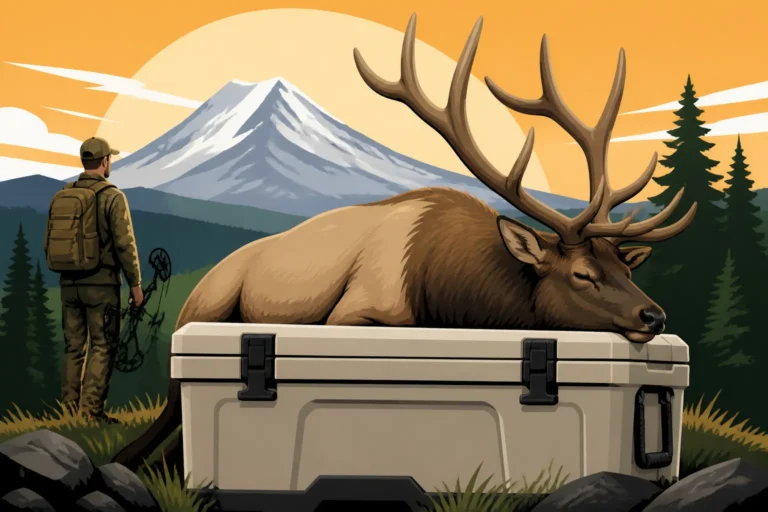
The ideal solution is to transfer your bagged meat into high-quality coolers filled with ice. But there's a trick to it: don't just dump hot meat on ice. Ensure the meat has had some time to air-cool, even if it's just for an hour, before going into the cooler. For extended transport, such as a long drive back from eastern Washington to the coast, layer your bagged meat with ice, ensuring the meat bags don't sit directly in melted ice water. Place a layer of ice on the bottom, then a layer of bagged meat, then another layer of ice. Some hunters even use frozen water bottles or milk jugs, which prevents direct contact with water and helps the ice last longer. This can be critical when thinking about Cooler Size for a Bull Elk or a large deer, ensuring you have enough space and ice to properly layer. The goal is to keep the meat cold and dry for the entire journey.
Cleaning and Reusing Your Game Bags
High-quality game bags, especially those made from synthetic materials, are an investment you'll want to protect by cleaning and reusing them. This not only saves you money but also ensures you have reliable gear for future hunts. The cleaning process is straightforward but important.
As soon as you've unloaded your meat, take your game bags and rinse them thoroughly with cold water. This initial rinse will remove most of the blood and hair. Avoid hot water at this stage, as it can "cook" the blood into the fibers, making it harder to remove stains. After the initial rinse, soak the bags in a tub or large sink with a mild detergent, preferably one without strong scents or UV brighteners that could alert animals on future hunts. Some hunters use a bit of OxiClean or a similar non-chlorine bleach to help with stubborn stains and disinfection. Gently scrub them, paying attention to any areas with dried blood. Once clean, rinse them thoroughly again to remove all soap residue. Finally, hang them to air dry completely. Make sure they are bone-dry before storing them away to prevent mildew and odors. Storing them in a breathable bag, like a mesh laundry bag, rather than a sealed plastic container, will also help keep them fresh for your next Washington adventure.
What to Avoid: Common Mistakes That Spoil Meat
When the excitement of a successful hunt is high and the clock is ticking against warm temperatures, it's easy to make mistakes that can cost you your hard-earned meat. Understanding these pitfalls is just as important as knowing the right steps to take.
Plastic Tarps and Non-Breathable Materials
This is perhaps the biggest and most common mistake I see, especially with newer hunters. You've got your quarters off the animal, but you don't have enough game bags, or maybe you ran out. So, you grab that handy plastic tarp or a contractor bag, wrap the meat up tight, and figure it's protected. While it certainly protects from dirt, it's an absolute death sentence for your meat in warm weather. Plastic is non-breathable. When you wrap warm meat in plastic, you are essentially creating a sterile, anaerobic environment where heat and moisture are trapped. This is a perfect incubator for bacteria.
The outside of the meat might feel cool, but inside that plastic, the heat is retained, and moisture cannot escape. This leads to what's often called "bone sour" or a generally slimy, spoiled surface on the meat. The same goes for thick, non-breathable canvas that doesn't allow air to pass through. Always prioritize breathability. If you absolutely must use a plastic tarp for a very short period (e.g., to quickly drag a whole, gutted carcass a few yards), make sure it's removed immediately once you get to your quartering spot, and get that meat into proper game bags as fast as humanly possible. Think of plastic as the enemy of cooling, not a friend.
Waiting Too Long to Act
In the moment, after taking an animal, there's a natural urge to celebrate, take photos, or just sit and admire your trophy. While those moments are important, in warm weather, they need to be condensed. Hesitation is a meat spoilage factor. Every minute that carcass is lying there, internal heat is building, and bacteria are starting to multiply. This is especially true for large animals like elk, which hold a tremendous amount of heat. You need to start the field dressing or gutless method immediately.
Delaying the process by even an hour or two on a 70-degree day can have a significant impact on the quality and longevity of your meat. Think of it as a ticking clock. The sooner you get the hide off, the guts out, and the meat broken down into manageable, bag-friendly pieces, the better. This proactive approach includes having all your gear – knives, sharpeners, and especially game bags – readily accessible in your pack. There's no time for fumbling. You want to be able to jump into action, following best practices like those for Field Dressing in Warm Early-Season Weather, to ensure that delicious wild game makes it to your freezer, not the trash.
Disclaimer
This article is for general informational purposes only and does not constitute professional advice. Laws, prices and regulations vary by location and change over time. Consult a qualified professional for guidance on your specific situation.