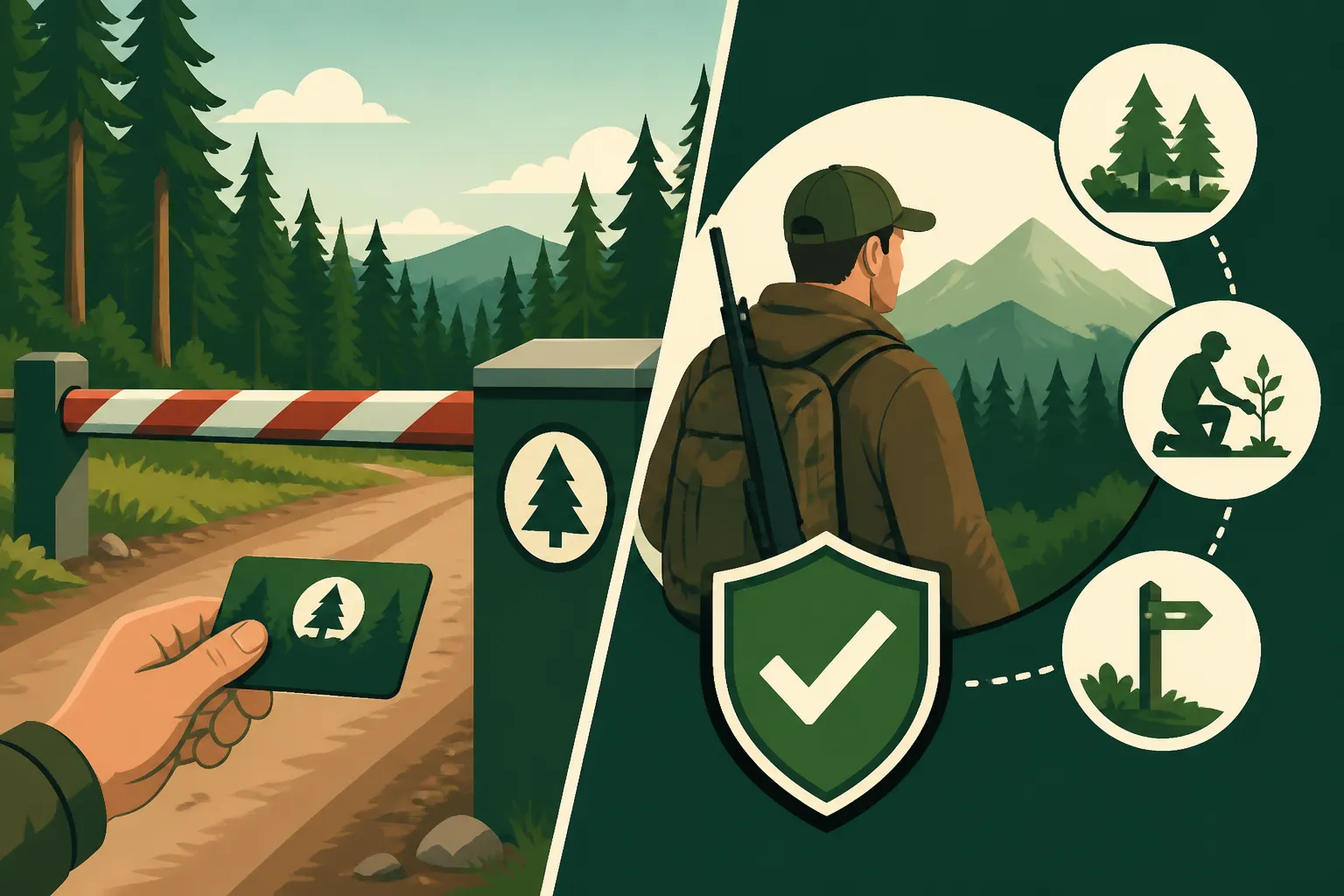
Why Washington Timber Lands Charge Access Fees
It's no secret that a good chunk of prime hunting ground in Washington, especially here on the west side, is managed by timber companies. For years, many of us grew up just driving onto these lands, hitting the logging roads, and chasing deer or elk. But lately, it seems like more and more gates are locked, and if you want to get in, you've got to pay. This shift can be incredibly frustrating, leaving many hunters scratching their heads and wondering why these timber lands are suddenly charging access fees. This guide is here to unravel that mystery, diving deep into the complex reasons behind these charges and helping you understand the landscape of hunting access in Washington.
The Complex Landscape of Washington's Timber Industry
The idea of paying to hunt on what feels like "public-access timber land" can be a tough pill to swallow for many hunters. It often feels like a tradition is being chipped away, leaving us with fewer options and lighter wallets. But to really understand why timber companies in Washington have moved towards charging access fees, we need to peel back the layers and look at the historical context and the profound changes this industry has undergone. It's not just about locking gates; it's about a fundamental shift in how these lands are viewed and managed.
Historical Context of Timber Ownership
For generations, many timber companies operated with a largely open-door policy, especially on their vast tracts of land that were actively being logged. Back in the day, the primary focus was on timber production, and recreation was often seen as a secondary, almost passive, use of the land. Hunters, hikers, and anglers might have driven in, parked, and ventured out, often without much formal oversight. The sheer scale of these operations, coupled with different economic realities, meant that the costs associated with recreational access – things like road maintenance, managing litter, or potential liability – were either absorbed or simply not as significant a concern. Many of us remember those days fondly, exploring a new clearcut every season or chasing elk through dense reprod that was always changing. That sense of freedom was a hallmark of hunting in places like the Willapa Hills or the Coweeman unit.
The Shift from Logging to Recreation Management
Over the last few decades, the timber industry has faced immense pressure. Changes in logging practices, environmental regulations, global markets, and even changing public perception have all played a part. This isn't your grandad's timber company anymore. As profit margins from timber harvests became tighter, companies began looking for ways to diversify revenue streams and maximize the value of their land holdings. Recreation, which was once a sideline, started to be seen as a legitimate, albeit complex, source of income. This shift wasn't sudden; it was a gradual evolution. For many companies, managing recreation became a dedicated department, requiring staff, resources, and a new way of thinking about their land. It moved from an informal allowance to a formal, managed service, and with that management comes cost. It's a tricky balance for them, managing sustainable forestry while also trying to accommodate a growing public interest in outdoor recreation. Washington DNR Land Open to Hunting provides a good comparison for how public lands manage this balance differently.
Diverse Ownership Models
It's also important to remember that not all "timber land" is created equal. Washington's landscape features a mosaic of ownership:
- Public Lands: Like National Forests (Colville, Okanogan-Wenatchee, Gifford Pinchot, Olympic National Forest) and lands managed by the Department of Natural Resources (DNR). These lands are generally open to public access, though often with specific rules, green dot road systems, or seasonal closures. While you might need a Discover Pass for parking on DNR lands, it's not an access fee to the land itself.
- Large Industrial Timber Companies: These are the big players like Weyerhaeuser and Hancock Forest Management. These companies own vast tracts, often for investment purposes, and are the primary entities charging access fees through various permit systems. Their land is privately held, even if it feels wild and expansive.
- Smaller Private Timber Holders: There are also countless smaller private landowners who might own a few hundred or a few thousand acres. Their access policies vary widely, from strictly no trespassing to allowing access by written permission. Sometimes, these smaller parcels are key to accessing larger blocks of public land, making their access policies incredibly important to hunters.
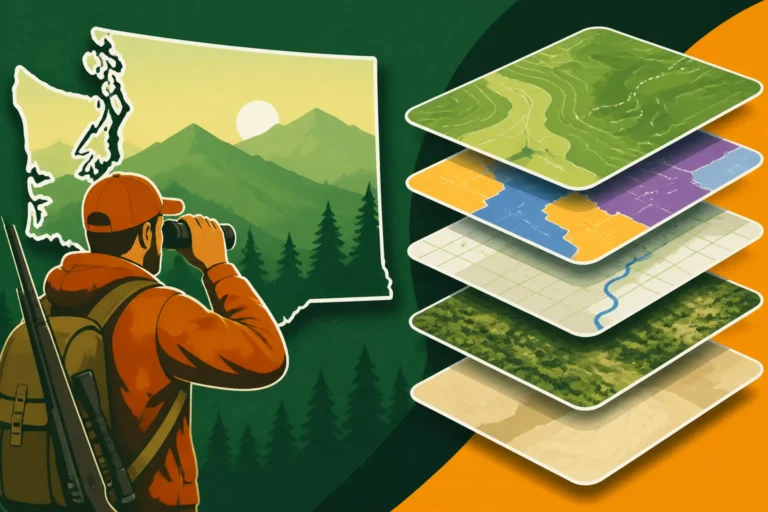
Understanding this patchwork of ownership is crucial when you're scouting a new area or trying to figure out if that gate up the logging road is actually stopping you from hunting public land. Often, an app like onX Hunt can be a lifesaver in quickly identifying land ownership boundaries, which helps clear up a lot of the initial confusion about whether you're looking at private timber with a fee, or a piece of public ground.
Economic Realities Driving Access Fees
When we see a gate with a "Permit Required" sign, it's easy to feel like timber companies are just trying to squeeze more money out of hunters. And while generating revenue is certainly a factor, it's rarely the only factor. These companies operate in a complex economic environment, and access fees are often a response to very real costs and risks associated with managing vast tracts of land, not just a simple cash grab. It’s the business side of things, and like any business, they have expenses they need to cover.
Costs of Land Management and Maintenance
Managing thousands, sometimes hundreds of thousands, of acres of timber land is an incredibly expensive undertaking. It's not just about planting trees and cutting them down.
- Road Systems: Timber companies maintain extensive networks of logging roads, often hundreds of miles within a single operational area. These roads are vital for their forestry operations, allowing access for planting, thinning, harvesting, and fire suppression. However, they require constant grading, culvert maintenance, bridge repairs, and brush clearing to remain passable. Recreational users, especially hunters with larger vehicles or those driving in wet conditions, contribute to the wear and tear on these roads. The cost of materials, heavy equipment, and labor adds up quickly.
- Infrastructure Beyond Roads: Beyond roads, there are bridges, gates, signage, and sometimes even small facilities or campgrounds that require upkeep. Companies might also invest in wildlife habitat improvements, stream protection, or invasive species control. These are all operational costs that need to be accounted for.
- Staffing: Managing access isn't passive. It requires personnel to issue permits, patrol properties, respond to incidents, and maintain relationships with the public. This administrative and field presence comes with salaries, benefits, and equipment costs.
When you look at the sheer scale of these expenses, a modest access fee starts to look less like pure profit and more like a contribution to the operational costs that keep these lands accessible at all. It's similar to how state parks might charge a fee for camping or day use to help maintain their facilities, just on a much larger scale.
Protecting Timber Investments and Future Harvests
A standing forest, or a newly planted clearcut, represents a significant long-term investment for a timber company. This isn't just raw land; it's their future income, sometimes decades down the line.
- Forest Health and Security: Unauthorized access, vandalism, or even accidental damage can jeopardize these investments. Fires started by careless campers, illegal dumping, or damage to young trees can all result in substantial financial losses. Permitting systems allow companies to track who is on their land, which acts as a deterrent for illegal activities and helps in accountability.
- Controlling Operations: For safety and operational efficiency, timber companies need to control access to areas where active logging, road building, or reforestation is taking place. Heavy equipment, falling trees, and unstable terrain are dangerous. Fees and managed access help ensure that recreational users are not inadvertently putting themselves or company employees at risk, and they don't interfere with time-sensitive operations. A hunter unexpectedly driving into an active logging zone is a serious safety hazard, and the permit system allows companies to communicate these dangers and restrict access when necessary. This protects both the public and the company's assets and workers.
Managing Risk and Liability
In today's litigious society, liability is a huge concern for any landowner, especially those with vast properties open to the public.
- Accidents and Injuries: When hunters, hikers, or others are on private land, there's always a risk of accidents – falls, vehicle mishaps, or even conflicts with active operations. Timber companies face potential legal claims if someone is injured on their property, even if they've signed a waiver. This risk is amplified when access is unregulated.
- Insurance Costs: To mitigate these risks, timber companies carry extensive insurance policies. The premiums for these policies can be astronomical, especially for lands where the public is allowed to recreate. By implementing a formal access program with permits, companies can demonstrate a level of control and management that might help reduce their insurance burden, or at least justify the cost. The fee you pay isn't just for the dirt you walk on; it's also a tiny fraction of the cost of mitigating the risk that comes with allowing you on that property. It's a pragmatic business decision to protect themselves from potentially devastating lawsuits.
Hunter and Public Impact on Timber Lands
It's easy to focus on what the timber companies are doing, but we also need to look in the mirror. Hunters and other public users, through sheer volume and sometimes through negligence, do create significant impacts on these private lands. These impacts translate directly into costs for the landowners, and these costs are part of what those access fees help to cover. It's not always intentional, but our presence leaves a footprint, and managing that footprint isn't free.
Infrastructure Wear and Tear
Imagine a remote logging road, built for heavy timber trucks, now seeing dozens or even hundreds of passenger vehicles and pickups during hunting season.
- Road Degradation: While logging trucks are heavy, they are operated by professional drivers often on a schedule, and the roads are maintained for their specific use. Recreational vehicles, especially during wet Washington winters and falls, can cause significant damage. Ruts form, washouts occur, and culverts can become clogged or broken. These aren't just minor inconvenances; they can disrupt future logging operations and necessitate costly repairs. The more people driving on these roads, the more often they need grading and maintenance.
- Gate Damage and Vandalism: Unfortunately, gates meant to manage access are sometimes vandalized or illegally breached. This forces companies to repair or replace expensive infrastructure. When a gate is cut open to gain unauthorized entry, it's not just a minor annoyance; it's a security breach and a financial loss. This kind of behavior by a few individuals can quickly lead to stricter rules for everyone, and it definitely contributes to the perceived need for controlled, fee-based access. Roads Closed to Motor Vehicles in a Washington Unit often face similar challenges, even on public land.
Waste Management and Environmental Concerns
This is perhaps one of the most visible and frustrating issues for both landowners and responsible recreationists.
- Litter and Dumping: It's a sad reality that some people treat these beautiful natural spaces as their personal dumping grounds. Everything from fast-food wrappers and empty shell casings to household garbage, old tires, and even appliances get left behind. Cleaning up this refuse is a massive, ongoing expense for timber companies. It requires staff time, vehicles, and proper disposal methods, all of which cost money. This isn't just an aesthetic problem; discarded items can pollute streams, harm wildlife, and create safety hazards.
- Human Waste and Camp Impact: While often less visible, human waste, toilet paper, and improperly managed campfires are serious environmental concerns, especially as more people seek out remote camping spots. Fires, in particular, pose an existential threat to timber companies, as a single wildfire can wipe out decades of growth and millions of dollars in investment. The potential for a catastrophic fire outbreak, particularly during Washington's dry late summers, is a constant worry, and even small, unattended campfires contribute to this risk. Fire Restrictions During Dry Hunting Seasons are often in place for good reason.
Increased Administrative Burden
Managing public access, even with a fee, isn't a hands-off operation. It requires substantial administrative effort.
- Permit Sales and Oversight: Setting up and managing a permit system – whether online or in person – involves administrative staff, database management, customer service, and financial reconciliation. This isn't just a one-time setup; it's an ongoing process. Companies like Weyerhaeuser or Hancock, which offer various access programs, have dedicated teams to handle these logistics.
- Enforcement and Monitoring: Patrols are often necessary to ensure permit compliance, address rule violations, and respond to incidents. This means hiring security personnel or contracting with local law enforcement, which adds direct costs. The more active recreational use an area sees, the more robust this enforcement needs to be to prevent unauthorized access and mitigate issues. These costs are directly tied to the volume of public use, and without a fee, there's no direct mechanism to offset them.
How Timber Companies Administer Access
So, if these fees are a necessity for timber companies, how do they actually go about collecting them and managing access? It's not always a simple process, and different companies employ different strategies. Understanding these approaches can help hunters navigate the system and identify opportunities, rather than just hitting a locked gate and giving up.
Permit Systems and Their Variations
The most common method timber companies use to manage access is through various permit systems. These aren't all uniform; they can differ significantly from one company to the next, and even within the same company over time.
- Weyerhaeuser Permits: Weyerhaeuser, one of the largest private timberland owners in Washington, has a well-established recreational permit system. They offer various permit types, often sold through a lottery system or on a first-come, first-served basis for specific areas. These permits might be for a full season, a specific month, or even just a day. They often come with rules about vehicle use, camping, and what activities are allowed. The demand for these permits can be very high, especially for coveted areas, and hunters often need to be prepared for the Weyerhaeuser Permit Draw Timing in Washington.
- Hancock Forest Management Permits: Hancock also manages significant land in Washington and has its own permit system, often focusing on walk-in access behind gates, or specific vehicle access permits for designated areas. Like Weyerhaeuser, their system involves paying a fee for the privilege of entry, and these permits come with strict rules designed to protect their property and ensure safety.
- Other Private Timber Companies: Smaller timber companies might have less formalized systems, sometimes relying on direct contact, written permission, or local agents. It's always best to research the specific company and their policies before planning a hunt on their land. The key takeaway is that these permits are a formal contract, granting you permission under certain conditions, and failure to abide by them can result in loss of access or even legal repercussions.
The Role of Technology in Access Management
In an age of digital maps and GPS, timber companies are also leveraging technology to administer and manage their land access programs more efficiently. This isn't just for hunters, but it directly impacts us.
- Online Sales and Information: Most large timber companies now manage their permit sales and information dissemination through online portals. This allows them to reach a broader audience, streamline the application process, and provide real-time updates on closures, fire restrictions, or operational activities. This shift from paper permits and local offices has made access more convenient in some ways, but it also requires hunters to be comfortable with online transactions.
- Mapping and Enforcement: Companies use sophisticated Geographic Information Systems (GIS) to map their properties, designate access routes, and delineate permitted areas. This data is sometimes shared with mapping platforms, which helps hunters accurately understand boundaries. For their own enforcement, these detailed maps are crucial for ground crews to verify permits and ensure compliance. Tools like onX Hunt are invaluable for hunters, as they integrate land ownership data, often including private timber boundaries, helping you identify where you are and whose land you're on, even showing you Finding Property Lines on Washington Public Land that might abut timber company ground.
Balancing Revenue with Hunter Opportunity
This is a delicate tightrope walk for timber companies. On one hand, they need to cover their costs and generate revenue. On the other, they often recognize the public's interest in recreation and the desire for hunting access.
- Tiered Access and Pricing: Many companies offer different tiers of access – from basic walk-in day permits to more expensive, exclusive hunting permits for specific seasons or areas. This allows them to maximize revenue from those willing to pay more for premium access while still offering some level of opportunity for others. The goal isn't necessarily to shut everyone out, but to manage and monetize the demand.
- Community Relations: Maintaining good relationships with local communities and the hunting public is important for timber companies. While fees might be unpopular, a well-managed permit system, clear communication, and visible maintenance efforts can help offset some of that negativity. Some companies also engage in local partnerships or provide educational opportunities. It's about finding a sustainable model that allows for both timber production and some level of public recreational use.
| Land Type | Common Access Cost | Typical Management | Benefits for Hunter | Potential Drawbacks |
|---|---|---|---|---|
| National Forest (USFS) | Free (or Northwest Forest Pass for parking) | Federal agencies | Vast, diverse habitat, often remote | Remote, rugged, can be crowded |
| DNR Lands (WA) | Free (Discover Pass for parking) | State agency | Good local access, often near towns | Limited camping, specific rules |
| Private Timber (Fee) | Daily/Seasonal Permit Fee | Private companies | Controlled access, fewer hunters, managed roads | Cost, limited permits, specific rules |
| Private Timber (Free) | Varies (often by permission) | Private landowners | Less crowded, potential for quality hunting | Hard to find, highly restricted |
| WDFW Programs | Free (with hunting license) | State wildlife agency | Specific hunting opportunities, managed habitat | Often reservation/sign-up required |
Navigating Access and Finding Opportunities
Okay, so we understand why timber lands charge fees. But that doesn't make finding a place to hunt any easier. The good news is that even with these changes, there are still ample opportunities in Washington. It just requires a bit more research, planning, and sometimes, a willingness to adapt your strategies. You can't just assume an old logging road is open anymore; you've got to do your homework.
Understanding Different Permit Types and Costs
The first step in navigating timber land access is to clearly understand the specific permit options available for the area you're interested in. Don't assume all permits are the same.
- Seasonal vs. Daily vs. Walk-In: Some companies offer full-season vehicle permits, allowing you to drive designated roads throughout the hunting season. Others might offer shorter-term daily or weekly permits. Increasingly, "walk-in" permits are becoming common, where you can park at a designated spot and access the land on foot behind a locked gate. These walk-in permits are often cheaper, or sometimes even free, but they demand a different kind of hunt, requiring more physical effort and careful planning for Packing an Elk Out of Washington's Backcountry.
- Lottery vs. First-Come, First-Served: For highly sought-after areas or specific high-quality hunts, permits might be allocated through a lottery system (e.g., Weyerhaeuser Permit Draw Timing in Washington). For other areas, it could be a first-come, first-served system, meaning you need to be online and ready to purchase when they go on sale. Knowing the application windows and purchasing deadlines is critical.
- Checking Company Websites: The best source of up-to-date information on permit types, costs, and availability is always the timber company's official website. These sites will lay out the rules, boundaries, and purchasing procedures. Don't rely on outdated information or hearsay; verify directly.
Alternative Public and Private Access Programs
While private timber lands with fees are a significant piece of the puzzle, they're not the only option. Washington offers several alternative programs that can provide excellent hunting opportunities.
- WDFW Programs: The Washington Department of Fish and Wildlife (WDFW) manages a variety of programs designed to enhance public access for hunting. These include:
- Feel Free to Hunt Properties: These are private lands where the landowner has agreed to allow public hunting without requiring prior permission, though specific rules often apply.
- Hunt by Reservation Lands: For some properties, you need to reserve a specific date and time to hunt through the WDFW's online system. This helps manage hunter density and provides a higher-quality experience.
- Register to Hunt Properties: Similar to reservation lands, but you register your intent to hunt rather than reserving a specific slot, often allowing for flexible access within a set period.
- Written Permission Lands: WDFW also provides contact information for landowners willing to grant access by written permission. This usually involves a personal request to the landowner, which can lead to exclusive access. You can find more details on these programs by looking into Washington Private Lands Access Programs.
- National Forests and DNR Lands: Don't forget the vast amounts of federally and state-managed public lands. While some areas are remote and rugged, others are quite accessible. These lands offer diverse hunting experiences, from high-country mule deer in the Okanogan to Roosevelt elk in the Gifford Pinchot. Using resources like the WDFW's hunt planner or apps that show land ownership are key for identifying these areas.
Tools for Locating Accessible Timber Land
In today's hunting world, digital mapping tools are no longer a luxury; they're an absolute necessity for anyone serious about finding game and legal access.
- onX Hunt: This app has revolutionized how many of us scout and hunt. Its strength lies in its detailed land ownership layers, which clearly delineate public land from private timber holdings, and often even identifies the specific timber company. This is invaluable for seeing exactly where a permit boundary lies, or if that parcel you're looking at is actually Weyerhaeuser or DNR. With onX Hunt, you can download maps for offline use, mark waypoints, and track your movements, ensuring you stay on legal ground and within your permitted area. It can show you precisely Timber Company Permits in Western Washington and where they apply.
- GoHunt: While primarily known for its draw odds and strategy tools for Western states, GoHunt also offers robust mapping features that can assist in identifying potential hunting areas, including those on private timber land. Its focus on detailed unit information and access considerations makes it a powerful planning tool, especially when combined with other resources.
- WDFW Hunt Planner: The WDFW website hosts an interactive hunt planner map that overlays GMU boundaries, land ownership, and specific hunting regulations. It's an excellent free resource for identifying both public and WDFW-managed access properties. Getting familiar with this tool is a crucial first step for any Washington hunter.
By combining these digital tools with thorough research into timber company policies and WDFW access programs, you can significantly increase your chances of finding productive hunting ground in Washington, even in an era of increasing access fees. It takes more work than it used to, but the opportunities are still out there for those willing to put in the effort.
Disclaimer
This article is for general informational purposes only and does not constitute professional advice. Laws, prices and regulations vary by location and change over time. Consult a qualified professional for guidance on your specific situation.