Yakima Training Center Access
Many Washington hunters dream of accessing the vast, game-rich lands of the Yakima Training Center (YTC), but the unique regulations and military operational demands often leave them confused and intimidated. It’s a completely different ballgame than hunting state or national forest lands, and showing up unprepared can mean a wasted trip or even serious trouble. This guide will walk you through everything you need to know to successfully navigate the access, permitting, and hunting regulations for big game within the Yakima Training Center, helping you understand how to plan and execute a productive hunt in this challenging yet rewarding area.
Understanding the Yakima Training Center and Its Unique Status
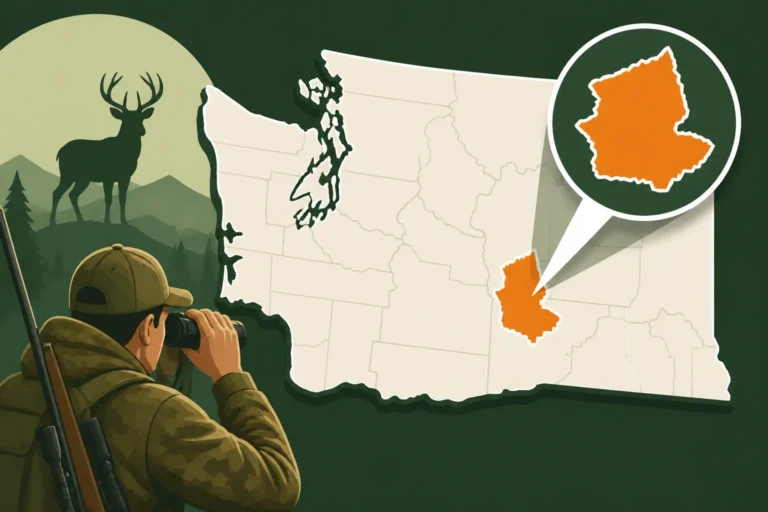
The Yakima Training Center (YTC) is not your typical public hunting land. It's a massive, federally owned military installation, primarily used for training U.S. Army soldiers. While it offers incredible hunting opportunities for elk, mule deer, and various upland birds, its military mission always takes precedence. This means access is heavily regulated, often restricted, and can change on a dime due to training exercises. It's a place where you need to be constantly aware, informed, and incredibly flexible with your plans.
What Makes YTC Different from Other Public Lands?
Imagine planning a hunt where the ground you scouted last week could be closed tomorrow because a tank battalion is moving through. That's the reality of YTC. Unlike a national forest where you might encounter a logging operation or a trail closure, YTC is an active military zone. This means there are inherent dangers like unexploded ordnance (UXO), active firing ranges, and troop movements. For hunters, this translates into a highly structured access system, requiring specific permits, mandatory briefings, and strict adherence to designated hunting zones and schedules. You can't just wander in with your Discover Pass; it requires dedicated effort to understand and comply with their system. The military's primary mission of training soldiers for national defense will always dictate when and where hunters are allowed on the property, making it distinct from any other public land in Washington.
Overview of Huntable Species within YTC
Despite its primary function as a training ground, YTC harbors a thriving population of big game, making it a highly sought-after hunting destination. The vast, arid landscape, characterized by rolling hills, sagebrush flats, and interspersed coulees, provides excellent habitat for both Rocky Mountain elk and mule deer. These herds benefit from limited public pressure compared to general season units, and the diverse forage makes for healthy animals. Hunters also pursue upland birds such as chukar, gray partridge, and quail, which flourish in the same dry, rocky terrain. Predator calling for coyotes is also popular, offering opportunities outside the main big game seasons. However, the focus for many is on the impressive elk and mule deer hunting opportunities that YTC provides, often with higher success rates for those drawn than in comparable general season areas due to controlled access and herd management.
The Role of WDFW and JBM-T in Management
Access and hunting regulations at YTC are a joint effort between the Washington Department of Fish and Wildlife (WDFW) and the Joint Base Lewis-McChord (JBLM) – Yakima Training Center command. WDFW sets the hunting seasons, bag limits, and general regulations for game species in GMUs that overlap with YTC, just as they do across the state. However, JBLM-YTC dictates when and where hunters can physically access the land, and under what specific safety protocols. They manage the internal permit system, road access, safety briefings, and daily operational closures. This means that while you need a valid Washington hunting license and appropriate tag from WDFW, you also need to acquire a separate permit and follow specific rules set by YTC. Hunters must regularly check the YTC's often-updated website or dedicated phone lines for real-time access information. It’s a dual system where you essentially need permission from both the state wildlife agency and the military base to hunt successfully and legally.
Navigating the Application and Permit Process
Successfully hunting at the Yakima Training Center hinges entirely on understanding and correctly navigating their specific application and permit process. This isn't just about drawing a tag; it's about getting permission to step foot on active military land, which has its own unique set of hoops to jump through. Missing a deadline or overlooking a detail can mean you miss out on a hunt altogether.
The Online Application System and Key Deadlines
To hunt big game at YTC, you’ll typically be applying for a specific special permit hunt managed by WDFW, often referred to as Yakima Training Center Hunting Permits. These special permits are drawn through WDFW's standard special hunt application process, which usually has an application window from late April to late May. If you're successful in drawing one of these coveted permits, that's just the first step. You then need to register with the YTC’s range control office or their designated online system. This involves creating an account, acknowledging safety rules, and often registering your vehicle and weapon details. These YTC-specific steps usually have their own deadlines, which are distinct from the WDFW draw period. It's absolutely crucial to monitor the YTC's official hunting website and any communications they send out if you've drawn a permit, as these internal deadlines are rigid and non-negotiable. Don't assume that having a WDFW tag automatically grants you access; YTC has the final say.
Required Documents and Fees
When applying for special permits through WDFW, you'll pay standard application fees and, if drawn, the cost of your Washington big game tag. However, once you've secured a WDFW permit for a YTC hunt, there are additional requirements specific to the Training Center itself. You'll need a valid state hunting license, your WDFW tag, and often proof of hunter education. Beyond that, YTC typically requires you to register yourself, and sometimes any accompanying non-hunting partners, through their system. This might involve a small administrative fee specific to the base. You'll also need valid government-issued identification, such as a driver's license. Before your hunt, ensure all necessary waivers are signed electronically or in person, and be prepared to show all your documents at a check-in station. Failure to have any of these documents could result in denied access, so it's best to assemble a physical and digital folder with everything you need well in advance.
Understanding Hunt Draw Odds and Quotas
Hunting at YTC is highly regulated, and access is tightly controlled, often to manage herd populations and minimize conflict with military operations. This means that the number of permits issued for YTC hunts is generally quite low, making draw odds challenging. WDFW and YTC work together to set quotas for different species and weapon types, ensuring a sustainable harvest while prioritizing the safety of hunters and military personnel. For example, some years might offer only a handful of branch-antlered bull elk permits, while others might have slightly more cow elk permits to help manage herd numbers. Because of these low numbers, drawing a YTC permit can take many years of applying, similar to other quality special hunts across Washington. Tools like GoHunt often provide analytics on draw odds, helping hunters strategize which YTC permits to apply for based on historical data. Many hunters apply consistently year after year, hoping to eventually get lucky and experience the unique hunting opportunity YTC provides.
| Aspect | General Washington Public Land (e.g., National Forest) | Yakima Training Center (YTC) |
|---|---|---|
| Primary Purpose | Recreation, resource management | Military training |
| Access Control | Generally open, few checkpoints | Heavily regulated, check-in/out mandatory |
| Permit Requirements | State hunting license & tag | State hunting license & tag + YTC-specific permit/registration |
| Application Process | WDFW for tags/special permits | WDFW for special permits, then YTC for access permits |
| Closure Likelihood | Low, usually due to fire or severe weather | High, due to military operations (can be sudden) |
| Hazards | Natural hazards (weather, terrain) | Natural hazards + unexploded ordnance, active ranges, troop movements |
| Scouting | Generally unrestricted pre-season | Very limited or no pre-season access, E-scouting crucial |
| Safety Briefings | Not typically required | Mandatory prior to entry |
| Communication | WDFW regulations pamphlet, website | WDFW + YTC specific website/phone lines for daily updates |
Planning Your Hunt in YTC
Once you've navigated the complex permit process and secured your coveted YTC access, the real planning begins. This isn't a hunt you can wing. Due to the unique environment and regulations of a military training ground, meticulous preparation is essential for both success and safety.
Interpreting the YTC Hunting Map and Zone System
The Yakima Training Center is divided into various zones, and only certain ones are open to hunting at any given time, or for specific species. These zones are meticulously outlined on YTC-specific maps, which you'll typically receive upon registration or find on their official website. Understanding these maps is paramount. They often denote areas that are permanently closed (due to UXO, sensitive military infrastructure, or safety buffer zones), areas temporarily closed for training, and areas open for hunting. You might find zones designated for archery only, or specific vehicle access routes. It's not uncommon for zones to open or close on a daily basis, so staying updated on their website or phone line is a critical part of your hunt plan. Mapping applications like onX Hunt can be incredibly useful here. Many YTC hunters download the official YTC maps and overlay them onto their onX Hunt app, allowing them to precisely track their location relative to open hunt units, restricted areas, and known hazards, even when out of cell service. This allows for real-time navigation and ensures you stay within legal hunting boundaries.
Scouting Strategies for YTC
Traditional pre-season scouting, where you walk the land weeks or months before the opener, is almost impossible at YTC due to the restricted access. This means you need to become an expert at E-scouting. Spend countless hours poring over satellite imagery on your computer. Look for features that attract game: water sources, north-facing slopes with residual cover, draws and coulees that provide thermal protection, and saddles or ridges that act as travel corridors. Pay attention to how the land funnels animals. Identify potential bedding areas, feeding zones, and escape routes.
Given the limited ground-level intel, supplementing your E-scouting with historical data from sources like GoHunt can provide insights into past harvest locations or animal movements. When you finally get on the ground, your E-scouting efforts will allow you to quickly identify promising areas and reduce wasted time. Even then, your first day or two on a YTC hunt will often involve a lot of "scouting while hunting," learning the nuances of the terrain and how animals use it in real-time. Knowing your E-Scouting Washington GMUs Before the Draw skills will pay dividends here.
Accommodations and Logistics
Unlike hunting a national forest where you can set up a dispersed camp almost anywhere legal, camping options within YTC are usually very limited or entirely prohibited. Most hunters find lodging in nearby towns like Yakima, Ellensburg, or smaller communities surrounding the base. Be prepared for early morning drives to the check-in station and late evening drives back to your lodging.
Vehicle access within YTC is also highly regulated. You'll typically be restricted to designated roads, often marked by the familiar "Green Dot" system, but with additional YTC-specific rules. Some areas may be walk-in only behind designated gates. Plan for sturdy vehicles with good ground clearance, and always carry a spare tire and repair kit, as help can be a long way off. Ensure you have enough fuel for the day, as there are no services once inside the perimeter. Remember, YTC is vast, so planning your daily logistics, including food, water, and emergency supplies, is just as critical as your hunting strategy.
Safety Regulations and Restrictions
Hunting on active military land comes with a heightened sense of responsibility for safety. The rules at Yakima Training Center are not suggestions; they are mandates designed to protect you, military personnel, and the sensitive environment. Violations can lead to severe penalties, including fines, loss of hunting privileges, and even criminal charges.
Mandatory Safety Briefings and Check-In Procedures
Before you are allowed to enter any huntable area of YTC, attendance at a mandatory safety briefing is typically required. These briefings cover critical information: current operational closures, designated safe zones, specific weapon and ammunition restrictions, and procedures for reporting unexploded ordnance (UXO). They often include videos or presentations highlighting the dangers of UXO and the absolute necessity of staying on marked roads and trails in certain areas. Following the briefing, you'll go through a check-in procedure, which may involve registering your vehicle, confirming your permits, and receiving a map or further instructions. Each day you intend to hunt, you’ll likely need to call a specific YTC range control number or use an online system to verify that the areas you plan to hunt are open and safe. Skipping these steps, even accidentally, can lead to serious consequences, so make it a top priority for every hunt day.
Firearm and Ammunition Restrictions
YTC often has very specific rules regarding firearms and ammunition that can differ from general WDFW regulations. For big game, standard legal hunting calibers generally apply, but there might be restrictions on magazine capacity. More significantly, YTC might mandate the use of non-lead ammunition, particularly for rifle hunting. This is often to protect wildlife from lead exposure and to reduce potential conflicts with UXO cleanup efforts. It's crucial to verify these specific requirements well in advance of your hunt. For muzzleloader hunters, there might be specific rules about powder type or projectile construction. Archery hunters will still need to adhere to Washington Archery Equipment Rules and broadhead requirements. Always double-check the current YTC hunting pamphlet or website for the most up-to-date information on permissible weapons and ammunition, as these rules can change from year to year. Do not assume your typical hunting setup will be compliant.
Restricted Areas, Unexploded Ordnance, and Other Hazards
The most critical safety concern within YTC is the presence of unexploded ordnance (UXO). These are bombs, shells, grenades, or other munitions that failed to detonate upon impact and can be extremely dangerous, even decades later. Because of this, staying on marked roads and trails in certain zones is not just a recommendation—it's a strict requirement. If you encounter anything that looks like military debris, do not touch it. Mark its location, leave the area, and immediately report it to YTC range control.
Beyond UXO, be aware of active firing ranges. These areas are strictly off-limits and often clearly marked. You might also encounter military personnel and vehicles conducting training exercises. Always yield to military operations and maintain a respectful distance. The terrain itself can also be a hazard: steep, rocky coulees, rattlesnakes, and rapidly changing weather conditions are all factors to consider. Always inform someone outside the area of your hunting plan, including your intended route and expected return time. This is especially important if you are solo hunting, or if your group plans to split up. Leaving a Trip Plan at Home is a good idea for any remote hunt, but it's essential when hunting in a place like YTC.
Maximizing Your Success on YTC
Drawing a special permit for the Yakima Training Center is a significant achievement. To make the most of this unique opportunity, you need to combine sound hunting tactics with a deep understanding of YTC's specific environment and regulations. This isn't just about finding animals; it's about finding them efficiently and safely within the confines of military operations.
Adapting Hunting Tactics to YTC Terrain and Pressure
The terrain at YTC is predominantly open, rolling sagebrush and grasslands, punctuated by steep, rocky coulees and draws. This open nature makes glassing a primary hunting tactic, similar to Glassing Eastern Washington Breaks for Mule Deer. Invest in quality binoculars and a spotting scope, and spend hours patiently scanning the hillsides at first and last light. Animals will often be visible from a distance, but closing the gap can be challenging due to the sparse cover.
Elk and mule deer in YTC are often accustomed to the sounds of military activity, which can make them less skittish than animals on heavily hunted public lands. However, they are still wild animals and will react to human pressure. Because of the limited human access, they might also hold in unexpected places, sometimes in small pockets of cover right off main roads. Consider tactics like still-hunting through draws or using elevation to your advantage. If you've drawn an elk tag, your Washington Elk Hunting Tactics by Weapon Season will need to be adapted to the open, arid conditions rather than dense timber. Being flexible and observing how the animals react to military and hunting pressure will be key.
Essential Gear for a YTC Hunt
Given the vast, open, and potentially rugged terrain of YTC, your gear choices are crucial. Start with high-quality optics – 10x binoculars are a minimum, but 15x binoculars on a tripod or a good spotting scope will significantly increase your ability to locate animals at a distance. A reliable rangefinder with angle compensation is also vital for accurate shots in the rolling hills.
For navigation, a GPS unit or a smartphone app like onX Hunt with downloaded offline maps is non-negotiable, as cell service can be spotty. Overlaying the YTC-specific hunting zone maps onto your navigation tool will ensure you stay within legal areas. Communication is also key; consider carrying a satellite messenger for emergencies, especially if hunting solo, as cell service can be unreliable in many parts of the base.
Beyond that, sturdy Boots and Packs for Washington Backcountry are essential for traversing the often-rocky and steep terrain. Given the potential for warm, dry weather during early seasons, quality game bags and a plan for rapid meat cooling are also critical. Always carry plenty of water, as natural sources are few and far between.
Post-Harvest Procedures and Check-Out
Once you've successfully harvested an animal at YTC, the process isn't over. You'll need to adhere to both WDFW harvest reporting requirements and YTC's specific check-out procedures. For WDFW, this means promptly reporting your harvest online or by phone, as detailed in Washington Harvest Reporting Requirements. This is a legal obligation for all Washington hunters.
For YTC, you'll typically be required to check out at a designated station or through their online/phone system, reporting your harvest details and confirming your departure from the base. They may also have specific rules for transporting game, sometimes requiring the carcass to be tagged in a certain way or presented for inspection. It’s important to familiarize yourself with these procedures before you hunt, so you're not scrambling when the adrenaline of a successful harvest kicks in. Knowing what's expected of you after the shot ensures a smooth and legal end to your unique YTC hunting experience.
Disclaimer
This article is for general informational purposes only and does not constitute professional advice. Laws, prices and regulations vary by location and change over time. Consult a qualified professional for guidance on your specific situation.