Roads Closed to Motor Vehicles in a Washington Unit
Few things are more frustrating for a Washington hunter than meticulously planning a hunt, driving for hours into a promising General Management Unit (GMU), only to find a gate across the very road you intended to use, or a "Road Closed to Motor Vehicles" sign that wasn't there last year. It throws a wrench into your plans, forces a sudden recalculation, and can even ruin a day if you're not prepared. This guide is here to unravel the complexities of vehicle closures in Washington's hunting units, helping you understand why they exist, how to identify them, and how to successfully hunt beyond them.
Understanding Why Roads Are Closed in Washington Units
Road closures to motor vehicles in Washington's vast public and private timberlands aren't put in place just to make your life harder. They are actually a crucial component of wildlife management, habitat protection, and ensuring a quality hunting experience for everyone. It’s easy to feel a pang of annoyance when you encounter a locked gate or a berm, but understanding the reasoning behind these closures can help you appreciate their long-term benefits.
Protecting Wildlife Habitat and Minimizing Disturbance
One of the primary reasons for closing roads is to create sanctuary areas for wildlife. Imagine a bull elk, trying to rest and conserve energy during the rut, constantly being pushed by vehicles driving deep into its core habitat. It's a never-ending stressor. By closing off certain roads, land managers create vast tracts of roadless or limited-access country where elk, deer, bears, and other animals can live without constant human disturbance. This is especially vital during sensitive periods like spring calving and fawning, when young animals are particularly vulnerable, or in late fall when animals are trying to put on weight for winter. Reduced vehicle traffic also helps preserve delicate ecosystems, allowing native vegetation to recover and preventing the spread of invasive species often carried in on vehicle tires. In some areas, particularly in Eastern Washington, closures are specifically implemented to protect critical winter ranges, ensuring deer and elk can access vital food sources without being pushed out by vehicles during harsh conditions. Washington Winter Range Closures are a prime example of this type of habitat protection.
Reducing Resource Damage and Erosion
Vehicles, especially heavy-duty trucks and ATVs, can cause significant damage to roads and the surrounding environment, particularly in Washington's often wet and mountainous terrain. Constant traffic can lead to deep ruts, washouts, and accelerated erosion, especially on steep grades or in areas with unstable soils. This not only makes the roads impassable but also degrades water quality by sending sediment into streams and rivers, harming fish populations. The cost of maintaining these roads, many of which were built for timber extraction and not long-term public access, is immense. Closing them to vehicles can significantly reduce maintenance burdens, allowing land management agencies to focus their limited resources on other critical conservation efforts. It also helps to prevent illegal dumping and off-road travel that can scar the landscape and create long-lasting environmental damage.
Enhancing Hunter Experience and Fair Chase
For many, the appeal of hunting lies in the challenge, the immersion in nature, and the pursuit of game on its terms. Roads closed to motor vehicles contribute significantly to this ideal of "fair chase." When everyone can drive right to the best spots, it creates immense pressure on animals and can diminish the sense of accomplishment. By requiring hunters to walk, closed roads create a more equitable playing field and reward those willing to put in the physical effort. These areas often hold more mature animals and provide a more authentic, backcountry hunting experience. While it requires more effort to pack in and out, the reward is often a higher quality hunt, with less competition and a greater chance of encountering undisturbed game. This is particularly true for species like Roosevelt elk in the dense timber of Western Washington, where Still-Hunting Blacktails in Wet Washington Brush or tracking a bull far from a road can be the key to success.
Identifying Motorized Vehicle Closures Before You Go
Successfully navigating Washington's hunting units means doing your homework before you ever leave the driveway. Relying solely on past experience or outdated maps can lead to wasted time, frustration, and even potential legal trouble. There are several reliable methods for identifying motorized vehicle closures.
Decoding Washington's Green Dot Road System
One of the most common and organized systems for regulating vehicle access in Washington is the Green Dot Road System. You'll find this primarily on DNR (Department of Natural Resources) and some private timberlands, especially in Western Washington. These are roads where access is restricted to foot and horse traffic only, though sometimes bicycles are allowed. The name comes from the green dots often painted on trees at junctions or on the ground, indicating an open route. However, a gate or a physical barrier with no green dot often means a closed road. It’s crucial to understand that the absence of a green dot doesn't automatically mean open access. Instead, it signifies either a closed road or a private road requiring specific permission. Always look for current maps and signage, as the system can change. For a deeper dive, check out What a Green Dot Road Means in Washington.
Utilizing Maps and Digital Resources
In this day and age, technology is your best friend when it comes to understanding road closures. Forget those dusty old paper maps that haven't been updated in years.
The Washington Department of Fish and Wildlife (WDFW) provides excellent online GMU (Game Management Unit) maps that often indicate road closures, seasonal restrictions, and different land ownership. However, these are general and can sometimes be out of date.
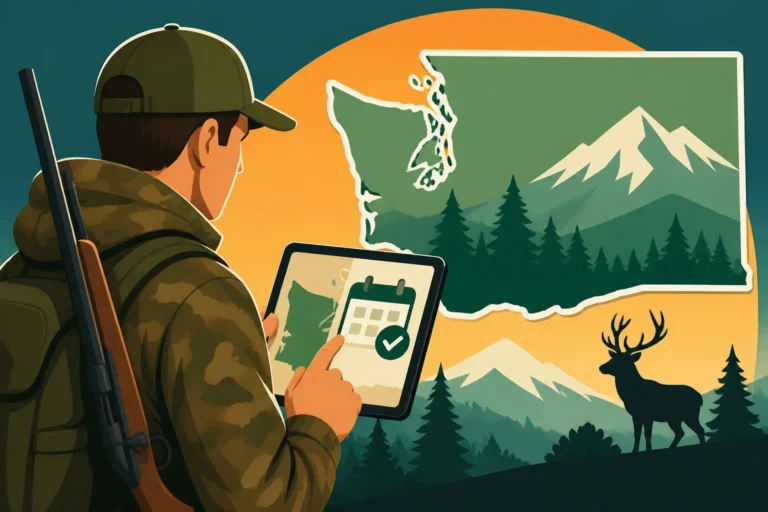
This is where powerful digital tools like onX Hunt and GoHunt become indispensable. These apps layer various land ownerships (public, private timber, WDFW wildlife areas), road systems, and often show access restrictions directly on your phone or tablet. They are regularly updated, making them far more reliable than static paper maps. With these tools, you can zoom in on your target GMU, identify potential access points, and see exactly where roads are designated as closed to vehicles. You can even download maps for offline use, which is critical in areas with no cell service. Before any hunt, I spend hours E-Scouting Washington GMUs Before the Draw using these apps, marking potential walk-in access points and identifying closed road networks. It's a small investment that saves countless hours and prevents unexpected surprises in the field. Also, check out onX Layers for Washington Land Status for more details on leveraging these tools.
| Method | Description | Pros | Cons |
|---|---|---|---|
| Green Dot System | Physical green paint on trees/roads, specific to DNR lands | Clear physical markers in the field | Not all closed roads are Green Dot; system can be complex |
| WDFW GMU Maps | Online maps showing general access and boundaries | Official source for GMU info; free to access | May not be updated frequently; less detail on specific gates |
| Digital Mapping Apps | (e.g., onX Hunt, GoHunt) Layered land ownership, road data | Highly detailed, frequently updated; offline capability | Subscription required; relies on battery life |
| Forest Service Maps | Detailed maps for National Forests | Good for Forest Service specific roads | Often outdated; requires cross-referencing with other sources |
| Private Timber Websites | Company-specific maps and permit info (e.g., Weyerhaeuser) | Essential for private timber access | Requires knowing which company owns the land; often permit-based |
| On-the-Ground Signage | Physical signs, gates, berms | Definitive in the moment; impossible to miss if you're there | Only discoverable once you've driven to the location; can be vague |
On-the-Ground Signage and Physical Barriers
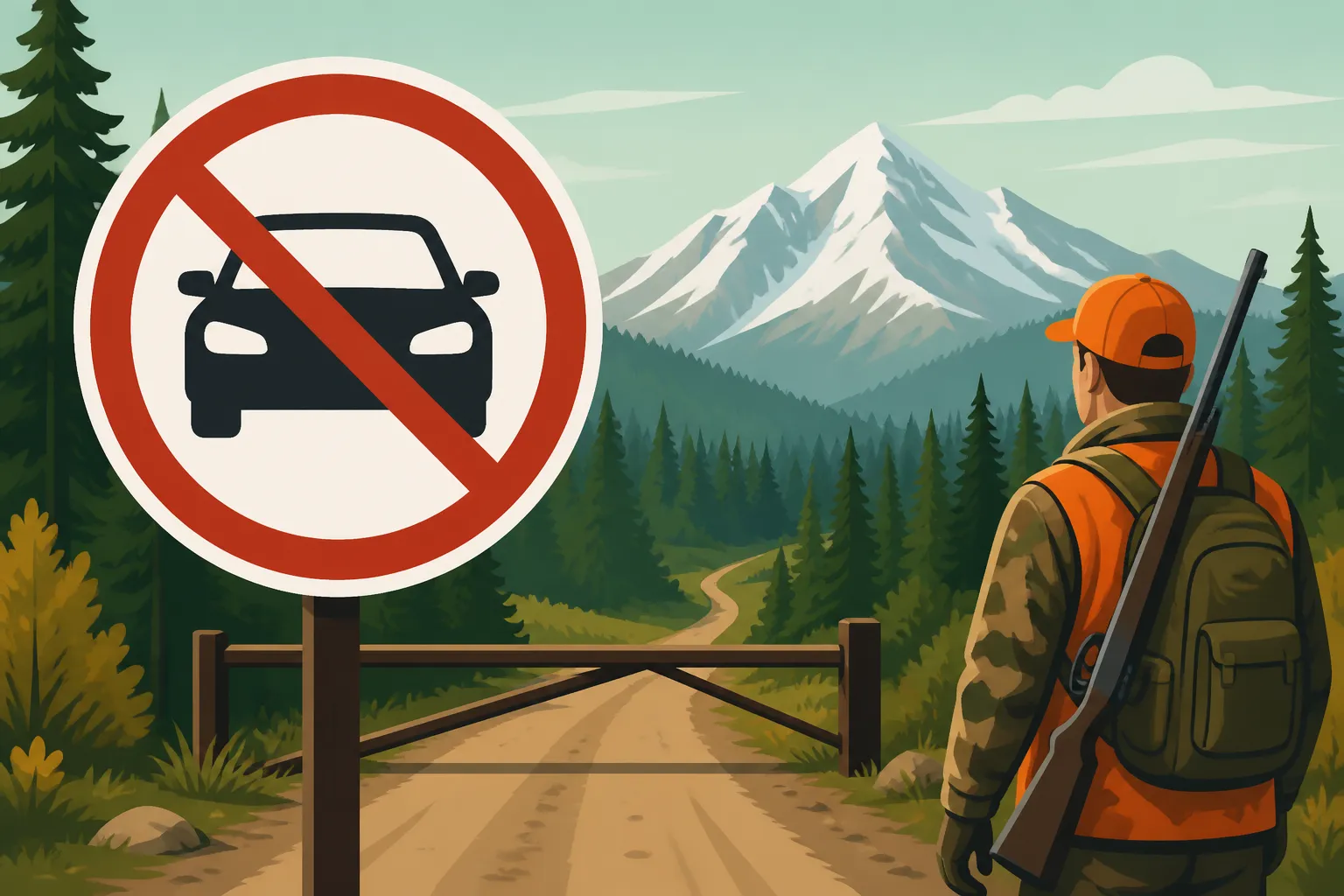
Despite all the digital planning, the final word often comes from what you see when you arrive. Physical signs, gates, cables, and earthen berms are the ultimate indicators of a closed road. Sometimes, you'll encounter a simple, clear sign stating "Road Closed to Motorized Vehicles." Other times, it might be a locked gate across a logging road with smaller, less obvious signs, or even just a dirt berm blocking vehicle access entirely. It's vital to respect these physical barriers. Never assume an open gate means you can drive through; always double-check with your maps and regulations. Washington DNR Road Gate Closures are common, and these aren't just suggestions; they are enforceable closures. Disregarding them can lead to serious penalties. If you're unsure, assume it's closed and be prepared to proceed on foot. It’s always better to walk a bit farther than to risk a hefty fine or damaging the landscape.
Navigating and Hunting Beyond Closed Roads
Once you've identified those pesky closed roads, the real hunting begins. Instead of viewing them as barriers, think of them as gateways to less pressured, more productive hunting grounds. Hunting beyond a closed road often requires a different mindset and a more robust approach.
Planning for Walk-In Access
The first and most important step is to prepare your body and your gear for serious foot travel. Depending on the terrain and how far you plan to go, this could mean miles of walking uphill with a heavy pack. Physical fitness is paramount; regular exercise, especially hikes with a loaded pack, will pay dividends. You’ll need robust, comfortable boots that are broken in and suitable for the varied terrain of Washington—whether it's the slick, mossy rocks of the west side or the loose scree of the east. Boots and Packs for Washington Backcountry are essential considerations. Your pack itself needs to be capable of carrying not just your day's essentials, but also a significant load of meat should you be successful. Think about a pack with a good frame and comfortable suspension, designed for hauling heavy quarters out of challenging country. Don't forget ample water, high-energy snacks, and emergency supplies.
Strategic Hunting Tactics in Restricted Areas
Hunting behind closed roads means leaving the road hunter mentality behind. Animals in these areas are generally less wary and less pressured, but that doesn't mean they'll walk right up to you. Instead, you'll often find them utilizing terrain features and cover that offers security from human disturbance. Tactics like Still-Hunting Blacktails in Wet Washington Brush become incredibly effective, as you move slowly and deliberately, taking advantage of the quiet conditions. Glassing secluded basins, timber pockets, and north-facing slopes from a strategic vantage point can reveal animals that rarely show themselves near open roads. Focus on areas a mile or more beyond the gate, as this is where many hunters stop, creating a buffer. Because these areas are less pressured, animals may hold tight, allowing you to get closer if you move quietly and pay attention to wind direction. Be prepared for a long day and know your route back. Remember, if you kill an animal deep in, you'll have to Packing an Elk Out of Washington's Backcountry, potentially in multiple trips.
Safety and Preparedness for Deeper Penetration
Venturing deep into roadless country significantly increases the need for self-sufficiency and robust safety protocols. Cell service is often non-existent, so relying on your phone for navigation or emergencies is a risky gamble. Always carry a dedicated GPS unit or a fully charged phone with offline maps downloaded (like those from onX Hunt). A satellite messenger device (like a Garmin inReach or a Zoleo) is an excellent investment for communicating with loved ones and summoning help in an emergency, even when out of cell range. A comprehensive First Aid Kit for a Remote Hunt is non-negotiable, and knowing how to use its contents could be life-saving. Tell someone exactly where you are going and when you expect to return. Solo Hunting Safety Precautions become even more critical when you're far from any vehicle access. Carry fire-starting tools, extra layers of clothing, and enough food and water for an extra day, just in case.
Consequences of Violating Road Closures
It might seem tempting to try and bypass a closed gate or drive down a road that "looks" open, especially if you're in a hurry or convinced that "no one will ever know." But the reality is, violating motorized vehicle closures carries significant risks and has far-reaching consequences, both legally and ethically.
Fines, Penalties, and Loss of Privilege
Let's be clear: driving on a closed road is a violation, and law enforcement officers from WDFW, the Forest Service, DNR, or county sheriffs do patrol these areas. The penalties for such infractions can be severe. You could be looking at hefty fines that run into hundreds or even thousands of dollars. Beyond that, your vehicle could be impounded, leaving you stranded deep in the backcountry. Even more serious for a hunter, a conviction for violating access restrictions could result in the loss of your hunting privileges for a period of time, or even permanently in extreme cases. These aren't minor parking tickets; they're serious offenses against wildlife and public land management. It's simply not worth the risk.
Ethical and Conservation Implications
Beyond the legal ramifications, there's a significant ethical component to respecting road closures. When hunters disregard these rules, it undermines the very trust that allows us access to public lands. It feeds into negative stereotypes about hunters and can provide ammunition for those who advocate for further restrictions on hunting and public access. Every time a hunter drives past a gate or leaves deep ruts on a closed road, it jeopardizes access for everyone else. It can also reverse the conservation gains that the closures were designed to achieve, disturbing wildlife, contributing to erosion, and degrading habitats. We, as hunters, are stewards of the land and its wildlife. Our actions reflect on the entire hunting community, and upholding ethical standards is crucial for the future of our outdoor traditions.
Checking for Current Information and Avoiding Assumptions
The most effective way to avoid penalties and uphold ethical hunting practices is to stay informed and never make assumptions. Road conditions and access rules can change rapidly due to weather (like snow, heavy rain, or fires), timber operations, or wildlife management decisions. Just because a road was open last year doesn't mean it's open this year. Always refer to the most current resources available: WDFW regulations pamphlets, Forest Service Motor Vehicle Use Maps (MVUMs), DNR online maps, and commercial apps like onX Hunt. Before any hunt, make it a habit to check for current Washington Fire Closures Before You Go or Washington Winter Range Closures That End Late Hunts as these can dramatically alter access. Taking the time to verify road status is a small effort that prevents big headaches and helps ensure a responsible and successful hunt for everyone.
Disclaimer
This article is for general informational purposes only and does not constitute professional advice. Laws, prices and regulations vary by location and change over time. Consult a qualified professional for guidance on your specific situation.