Washington Military Land Hunting Permits
For many Washington hunters, the idea of pursuing game on military lands feels like navigating a maze blindfolded. You hear whispers of great opportunities, perhaps even less hunting pressure, but the thought of complicated permits, ever-changing access, and strict regulations can be enough to make you throw your hands up and head to the familiar national forest. But what if I told you that with a bit of patience and understanding, these unique areas could unlock some truly incredible hunting experiences? This guide will cut through the confusion, helping you understand how to successfully pursue game on Washington's military installations.
Understanding Washington's Military Hunting Landscape
It's easy to write off military bases as impenetrable fortresses, off-limits to the average hunter. And, to be fair, they are primarily military installations, with hunting being a secondary privilege. This distinction is crucial to remember. Their core mission isn't recreation; it's training and national security. This reality dictates everything about how hunting access is managed, and it’s often the root of the frustrations many of us feel. However, embracing this understanding is the first step toward unlocking some genuinely rewarding hunting.
Why Military Lands Offer Unique Opportunities
The very restrictions that make military lands seem daunting are often what create their unique appeal for hunters. Because access is controlled and often limited, many of these areas experience significantly less hunting pressure than your average national forest or state land. This lower pressure can lead to healthier game populations, less skittish animals, and potentially, better odds for a successful harvest. Think about it: while hundreds of hunters might flock to a popular public land unit on opening day, only a fraction of that number might gain access to a specific training area on a base.
Furthermore, military lands often encompass large tracts of diverse habitat, ranging from vast sagebrush expanses in Eastern Washington to dense, wet timber on the Westside. These areas are managed, albeit not solely for wildlife, and often provide excellent forage and cover. For instance, the sheer size of some of these installations means animals have undisturbed sanctuaries where they can mature, leading to some impressive trophy potential that can be harder to find elsewhere. It's a trade-off: the hoops you jump through often lead to a more pristine hunting environment.
Key Military Installations with Hunting Access
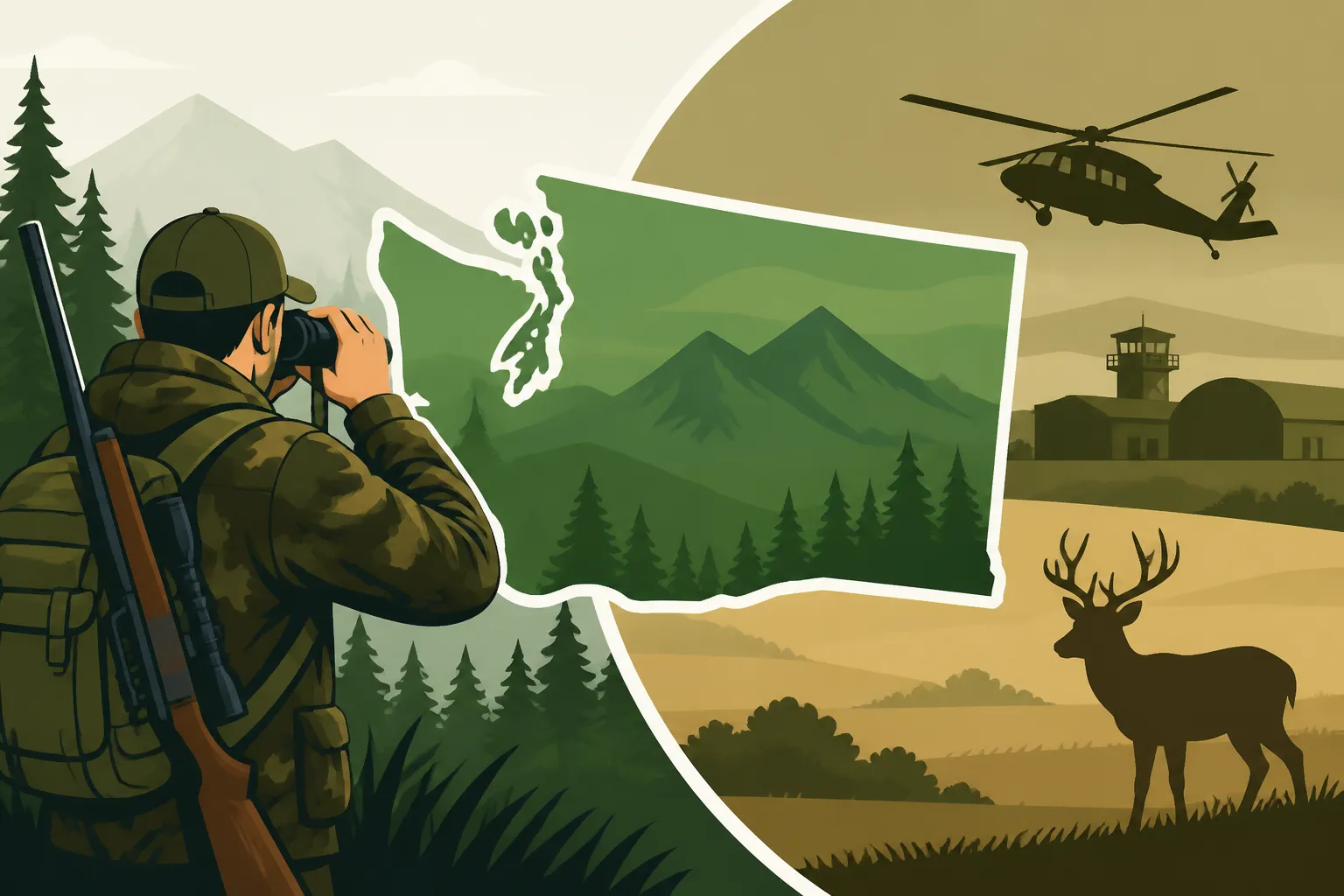
When we talk about hunting on military lands in Washington, two names generally rise to the top: the Yakima Training Center (YTC) and Joint Base Lewis-McChord (JBLM). These are the giants, offering the most substantial and consistent (though still variable) big game hunting opportunities. Each has its own distinct environment, game species, and, critically, its own set of rules and access procedures. It’s absolutely vital not to assume that what works for one will work for the other.
While there might be smaller, more localized opportunities on other military facilities like Fairchild Air Force Base, these are typically focused on small game or specific, very limited draws, and they don't offer the extensive big game potential of YTC or JBLM. For the purposes of planning a significant deer or elk hunt, these two major installations are where your focus needs to be. Understanding their individual systems is the key to turning potential frustration into a successful adventure.
Navigating the Yakima Training Center (YTC) for Hunters
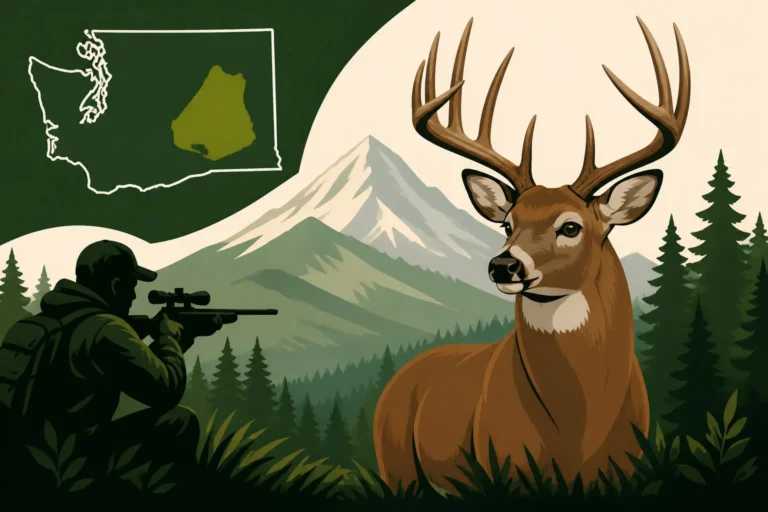
The Yakima Training Center (YTC) is a vast expanse of high desert terrain in Central Washington, primarily used for large-scale military exercises. For hunters, it offers a truly unique experience, feeling more akin to wide-open Western states than much of green Washington. It's known for its Rocky Mountain elk and mule deer populations, but accessing it requires diligent preparation and constant vigilance. It’s not a place you just show up to with your tag.
The YTC Access Permit System
Gaining access to hunt at YTC involves a multi-step process that can initially feel overwhelming, but it’s manageable once you understand the system. First and foremost, you'll need to register through their specific online portal. This isn't just a quick sign-up; it typically involves completing a mandatory online safety briefing and quiz. You'll need to demonstrate an understanding of their rules, which cover everything from restricted areas and unexploded ordnance (UXO) safety to specific vehicle regulations and reporting requirements. This permit is separate from your state hunting license and tags; it’s an access permit issued by the military.
The real challenge, and often the source of hunter frustration, is the dynamic nature of access. YTC's primary mission is military training, and hunting is always secondary. This means that training exercises can, and often do, lead to last-minute area closures. Hunters are typically required to check the YTC range status hotline or website daily, sometimes even hourly, right up until their planned hunt. Imagine driving for hours, only to find out an area has just closed due to unforeseen training. It happens, and you need to be prepared for that kind of flexibility. You can find more specific details on their system by looking into Yakima Training Center Access.
Hunting Opportunities and Species at YTC
The YTC is a prime location for pursuing Rocky Mountain elk and mule deer. The vast, open landscape, punctuated by sagebrush, canyons, and scattered timber patches, makes it excellent glassing country, especially for mule deer. Elk herds move through these expanses, often utilizing the draws and slightly higher elevations for cover. You'll likely encounter more open-country hunting scenarios here than in many other Washington units, making your optics a critical tool for success.
However, hunting at YTC comes with very specific challenges. Beyond the access issues, you are hunting in an active military training area. This means you must be acutely aware of your surroundings, constantly checking for military vehicle traffic, and never deviating from designated open hunting areas. The danger of unexploded ordnance is very real in certain zones, making it imperative to stick to roads and trails when instructed and never touch anything that looks out of place. This isn't your typical walk in the woods; it requires a heightened level of situational awareness and strict adherence to every single posted rule for your safety and the safety of military personnel.
Hunting on Joint Base Lewis-McChord (JBLM)
Joint Base Lewis-McChord (JBLM) presents a completely different hunting environment compared to the arid expanses of YTC. Located in Western Washington, JBLM offers hunting opportunities for Columbian blacktail deer and Roosevelt elk within a landscape dominated by dense timber, brush, and rolling hills. The challenges here aren't just about military operations but also about navigating thick cover and urban proximity.
JBLM's iSportsman System and Entry Requirements
Similar to YTC, JBLM utilizes an online system, specifically iSportsman, to manage hunter access. Your first step will be to register on this platform, which typically involves creating a profile, reading through all the regulations, and often completing a mandatory safety briefing that focuses on the unique aspects of hunting on an active military base in a more populated region. This briefing covers specific weapon restrictions, rules about entering and exiting the base, and game retrieval protocols.
The iSportsman system is also how you'll check for open hunting areas and range status. While YTC might have large closures, JBLM's system often breaks down available hunting areas into smaller, more granular zones, which can open or close independently based on training schedules. You'll typically need to "check in" to your chosen area through the iSportsman platform before entering and "check out" when you leave. This real-time management is critical, as areas can close with little notice. Pay very close attention to designated entry and exit points, as they are often strictly enforced, and unauthorized entry can lead to severe penalties. For a deep dive into the specifics, check out JBLM Hunting Access Rules.
Game Species and Challenges at JBLM
JBLM is known for its blacktail deer and, to a lesser extent, Roosevelt elk. Hunting here is a classic Western Washington timber grind. Expect to still-hunt through dense reprod and dark timber, or to find vantage points overlooking clearcuts. The blacktail deer on JBLM can grow quite large, and the relatively lower hunting pressure in some zones can lead to good opportunities. Roosevelt elk are present but are generally fewer in number and often more elusive due to the thick cover.
The challenges at JBLM are distinct. You're hunting in close proximity to a major urban area, which can mean more noise from traffic and even base activities. Access days can be limited, especially during peak training periods, forcing hunters to be flexible with their schedules. Vehicle access within hunting zones is often highly restricted, meaning you should anticipate doing a lot of walking or even packing in on foot. Furthermore, you'll need to be hyper-aware of your surroundings, not just for military operations, but also for property lines and adjacent civilian areas. Retrieving game can be complicated if an animal crosses into a restricted zone or off-base private property, requiring coordination with base personnel or landowners.
General Rules and Best Practices for Military Land Hunting
Hunting on Washington's military installations is a privilege that comes with significant responsibility. These aren't your typical public lands; the rules are often more stringent and the stakes higher, both for your safety and the continuity of military operations. Adhering to these guidelines isn't just about staying legal; it's about ensuring these opportunities remain available for all of us.
Essential Gear and Safety Considerations
When heading out to a military base for a hunt, certain gear and safety practices are absolutely non-negotiable. First, hunter orange is almost universally required for safety on active training grounds. Make sure you and your entire party are wearing sufficient visible clothing. Beyond that, a reliable GPS unit or a smartphone with robust offline mapping capabilities is paramount. Apps like onX Hunt are invaluable for clearly defining military boundaries, internal restricted zones, and ensuring you don't inadvertently wander into a closed area. Knowing exactly where you are at all times is not just helpful; it's a critical safety measure. Downloading Offline Maps for Washington can literally save your hunt, or more importantly, keep you safe.
Safety briefings are not just a formality; they convey critical information, especially concerning unexploded ordnance (UXO) on places like YTC. You will be explicitly taught to "Reduce, Retreat, Report" – meaning you reduce your time near anything suspicious, retreat from the area, and report it immediately to base authorities. Never, ever touch anything that looks like an old piece of metal, a flare, or any military refuse. Beyond UXO, always be aware of active training, vehicle movements, and noise. Your primary concern should always be your safety and the safety of others on the base. Be sure to review Washington's Legal Equipment Rules by Weapon as military installations might have additional restrictions on firearms or bows beyond state regulations.
Planning Your Hunt and Maximizing Success
The most important aspect of planning a military land hunt is flexibility. As discussed, access can change at a moment's notice due to military operations. Always have a backup plan. This might mean having an alternative public land unit scouted out, perhaps even one of Washington Wildlife Area Rules properties, or being prepared to hunt a different zone on the same base if your primary target area closes. Check the base's specific access hotline or website religiously, from the day you plan to leave until you're safely off the property.
Effective e-scouting is also critical for success. Use tools like onX Hunt or GoHunt to analyze terrain, locate potential game habitat, identify boundaries, and mark likely access points well in advance. While physical scouting might be limited or restricted, you can still gain a significant advantage from studying maps and satellite imagery. Look for features like water sources, thermal cover, and natural travel corridors. Even when you can't be there in person, a detailed Washington GMU Map for Washington and a good understanding of the land can dramatically improve your chances.
Here's a quick comparison of the two primary military hunting opportunities in Washington:
| Feature | Yakima Training Center (YTC) | Joint Base Lewis-McChord (JBLM) |
|---|---|---|
| Location | Central/Eastern Washington (Yakima area) | Western Washington (Olympia/Tacoma area) |
| Primary Species | Rocky Mountain Elk, Mule Deer | Columbian Blacktail Deer, Roosevelt Elk |
| Landscape | Arid high desert, sagebrush, canyons, scattered timber | Dense timber, brush, rolling hills, some clearcuts |
| Access System | Online portal, mandatory safety briefing/quiz, phone/web check for open areas | iSportsman system, online registration, check-in/check-out |
| Key Challenges | Last-minute closures, UXO, military traffic, open terrain | Limited access days, dense cover, urban proximity, vehicle restrictions |
| Required Gear | Hunter orange, GPS/mapping app, long-range optics | Hunter orange, GPS/mapping app, sturdy boots, rain gear |
| General Env. | Wide-open, expansive, often dusty | Wet, brushy, often quiet apart from training |
The Hunter's Mindset: Patience and Preparedness
Hunting on military lands isn't just about knowing the rules and having the right gear; it's also about adopting a particular mindset. These hunts demand a higher level of patience, adaptability, and respect than many other hunting experiences. If you go into it expecting a seamless, easy process, you're likely to be disappointed. But if you embrace the unique challenges, the rewards can be truly exceptional.
Dealing with Unpredictable Access
Let's be real: having a hunt canceled at the last minute because of military training can be incredibly frustrating. You’ve taken time off work, driven hours, and poured over maps, only to be turned away or have your access revoked mid-hunt. It feels unfair, but it's part of the deal. The key is to validate that frustration, acknowledge it, and then move past it. Getting angry or arguing with base personnel won't change the training schedule, and it certainly won't get you access.
Instead, cultivate a resilient mindset. Think of these hunts as "bonus opportunities" rather than guaranteed events. Always have a Plan B (or C, or D!). This might involve thoroughly scouting other public lands beforehand, like national forests or DNR lands as discussed in Public Land Hunting in Washington: Forest, DNR and BLM, so you can pivot quickly if military access falls through. The ability to adapt and roll with the punches is a hallmark of a successful military land hunter. It also makes those days when everything does align and you get to hunt even more special.
Respecting the Mission and the Environment
At the end of the day, military installations exist to train service members and protect our nation. Hunting is a privilege extended to the public, not an inherent right on these specific properties. This means that military operations will always take precedence, and our behavior as hunters reflects directly on the continued availability of these opportunities. Adhere to every single rule, even if it seems inconvenient. This includes vehicle speed limits, designated parking areas, and strict adherence to hunting boundaries.
Leaving no trace is also paramount. Pack out everything you pack in, and then some. If you are successful in harvesting an animal, ensure you perform proper field dressing and meat care, whether that's using Field Dressing in Warm Early-Season Weather techniques or quartering the animal efficiently. Respecting the military's mission, their property, and the wildlife means maintaining impeccable ethical standards. By being responsible, patient, and prepared, you help ensure that these unique Washington hunting permits remain an option for yourself and future generations of hunters.
Disclaimer
This article is for general informational purposes only and does not constitute professional advice. Laws, prices and regulations vary by location and change over time. Consult a qualified professional for guidance on your specific situation.