JBLM Hunting Access Rules
Hunting on military installations like Joint Base Lewis-McChord (JBLM) can feel like navigating a maze blindfolded. You know there are deer and elk on those lands, but getting in, understanding the rules, and knowing where you can actually hunt can be incredibly frustrating and confusing. It's a completely different ballgame than heading into a national forest or state land. This guide is going to walk you through the ins and outs of hunting access on JBLM, helping you understand the permit system, specific regulations, and how to successfully plan your hunt on these unique and often challenging grounds.
Understanding JBLM's Unique Hunting Landscape
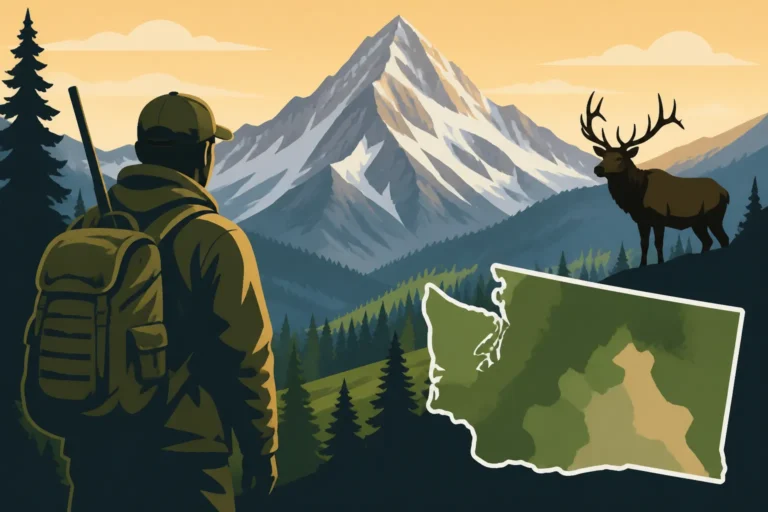
When you look at a map of Western Washington, JBLM stands out as a significant block of green, a vast expanse of land that whispers promises of undisturbed wildlife. But unlike national forests or state DNR lands, this isn't simply "public land" in the traditional sense. It's an active military base, first and foremost, and that reality dictates everything about hunting access. Many hunters, myself included, have spent countless hours staring at boundary lines on a map, wondering if it's even worth the headache to try and get in. I'm here to tell you, it can be, but you have to understand the foundational differences.
The Double-Layered Challenge: Military Operations and Wildlife Management
Imagine trying to manage wildlife while simultaneously running large-scale military training exercises. That's the daily reality for the wildlife managers at JBLM. Their primary mission is supporting the military, meaning hunting opportunities are secondary and highly conditional. This isn't just about preserving wildlife; it's about ensuring soldier safety, managing ordnance, and protecting critical infrastructure. What this means for you, the hunter, is that areas can open and close with very little notice, sometimes even mid-hunt, due to range use, troop movements, or other operational requirements. It's not personal; it's just the nature of the beast. This constant fluctuation is one of the biggest frustrations for hunters used to more predictable access. You can't just drive up and walk in; there's a bureaucratic but necessary layer of permission.
Designated Hunting Areas and Their Fluctuating Availability
JBLM does have designated hunting areas, often referred to as "training areas," "impact areas," or simply by their numerical designations. However, these are rarely static. A prime elk bedding ground one day could be an active artillery range the next. The system they use to manage this is designed for safety and efficiency, but it requires diligent monitoring from the hunter. You can't just assume an area will be open because it was open last year, or even last week. It’s a dynamic environment, constantly shifting based on military needs. This is why tools like onX Hunt can be incredibly useful, but even those need to be cross-referenced daily with JBLM's specific access portals, which we'll discuss shortly. Forget what you know about Public Land Hunting in Washington: Forest, DNR and BLM; this is a whole different ball game with layers of complexity.
Navigating the JBLM Permit System
The permit system at JBLM is probably the biggest hurdle for new hunters. It's not an over-the-counter tag you buy at a sporting goods store. It's a multi-step process that demands attention to detail and proactive engagement. Many hunters give up before they even start, intimidated by the forms and requirements. Don't be that hunter! With a clear understanding, it's manageable.
The Online Process: Registration and Permit Acquisition
First things first, you'll need to register with JBLM's iSportsman system. This is an online portal that serves as your gateway to all hunting and fishing activities on the base. It's where you'll find information, apply for permits, and check daily access. Think of it as your digital hunter's pass for JBLM. The process typically involves creating an account, providing identification details, and sometimes completing a safety briefing or questionnaire. Once registered, you'll apply for specific hunting permits. These aren't the same as your state WDFW tags; they are JBLM-specific permits that grant you the privilege to hunt on their land for the species you hold a valid state tag for. You'll need your valid Washington hunting license and appropriate species tags (like a deer or elk tag) before you can get a JBLM permit. The system is designed to streamline Washington Military Land Hunting Permits across the base, but it's crucial to follow each step precisely.
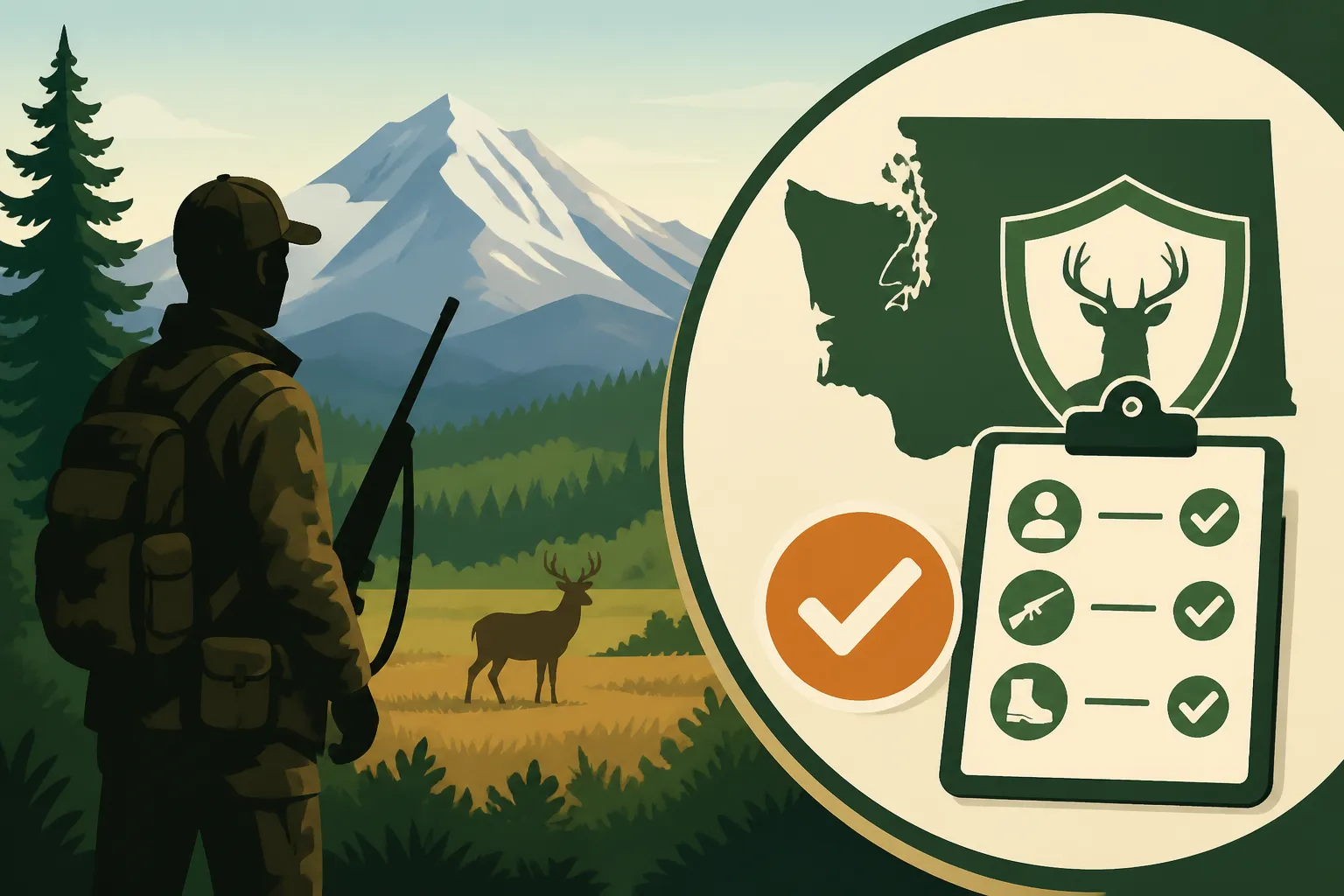
Here’s a simplified breakdown of the general steps involved:
| Step | Description | Key Action |
|---|---|---|
| 1. Register for iSportsman | Create an account on JBLM's specific iSportsman portal. This is mandatory for all users. | Provide personal info, complete online safety brief. |
| 2. Obtain State Hunting License | Ensure you have a current Washington State hunting license and the appropriate species tags (e.g., deer, elk). | Purchase via WDFW or authorized vendor. |
| 3. Acquire JBLM Hunting Permit | Apply for a JBLM hunting permit through iSportsman. This permit grants land access for hunting. | Select species, pay any required JBLM fees. |
| 4. Check Daily Access | Before each hunt, check the iSportsman website for real-time area closures/openings. | Check online or call the provided hotline. |
| 5. Check-In/Check-Out | Follow specific check-in and check-out procedures for the area you are hunting. | Use phone, app, or designated kiosks. |
| 6. Harvest Report | Report any harvest (even if it's zero) to both WDFW and JBLM's iSportsman system. | Submit online to WDFW and iSportsman within required timelines. |
Understanding Daily Access Procedures and Check-Ins
This is perhaps the most critical part of hunting on JBLM: the daily access protocol. You can't just decide to go hunting; you must check the current status of all training areas before you leave home, and then again when you arrive, if possible. JBLM uses a color-coded system or specific area numbers to denote what's open, restricted, or completely closed. These updates are posted daily, sometimes hourly, on their iSportsman portal or through a dedicated phone line.
Once you know an area is open and you intend to hunt there, you'll have to "check-in" to that specific area through the iSportsman system (often via phone or a mobile app) before you step foot out of your vehicle. This is vital for accountability and safety; it lets the base know who is where, which is especially important if there's an emergency or if an area needs to be closed suddenly. Think of it like Getting Written Permission Before Opening Day, but for a massive piece of land that's actively used by the military. Forgetting to check in, or entering a closed area, can lead to immediate expulsion, fines, and potentially losing all your hunting privileges on JBLM for good. And when your hunt is done, you must remember to check out. It's a non-negotiable step that ensures everyone's safety.
Critical Rules and Regulations for JBLM Hunters
Beyond the permit system, JBLM has a host of specific rules and regulations that are unique to military installations. Ignoring these rules isn't just a minor infraction; it can have serious consequences, up to and including federal charges in some cases. It's crucial to approach hunting here with a heightened sense of responsibility and respect for military operations.
Weapon Restrictions and Safety Zones
JBLM often has very specific rules about what weapons are allowed and where. For instance, some areas might be rifle-restricted, permitting only shotguns or archery equipment. Always double-check the specific regulations for the training area you intend to hunt. These rules might change, so what was permitted last year might not be this year. Moreover, there are often designated "safety zones" or "no-go" areas around buildings, roads, or active ranges that are strictly off-limits to hunters, regardless of weapon type. These zones are usually clearly marked on JBLM's maps and within the iSportsman system. Violating these could put you in a dangerous situation and is taken very seriously. It’s a good idea to review Washington's Legal Equipment Rules by Weapon and then cross-reference with JBLM's specific nuances. Understanding Washington Firearm Restriction Areas on base is absolutely paramount.
Vehicle Access and Off-Limit Areas
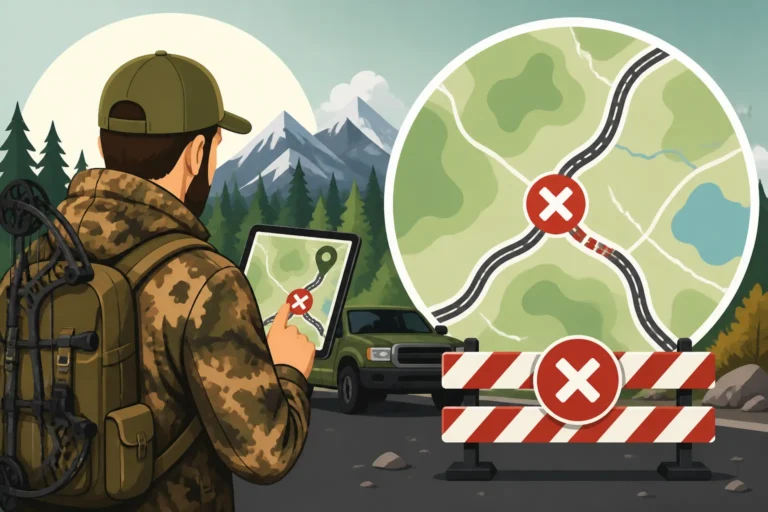
Just because an area is open to hunting doesn't mean you can drive your truck wherever you want. JBLM has very strict rules about vehicle access. Many areas will require you to park in designated spots and proceed on foot. Road closures are common, often due to military traffic, environmental concerns, or safety. Pay close attention to gates and signage. If a gate is closed and locked, or if there's a sign saying "Authorized Vehicles Only," respect it. Attempting to bypass these restrictions or drive off-road can result in significant penalties. You might find yourself having to walk much further than you anticipated to get to your hunting spot, which is why Packing an Elk Out of Washington's Backcountry often starts much deeper than you might think on these lands. Consider using tools like GoHunt to get a general overview of the area, but always rely on JBLM's official maps for definitive access points and restrictions.
Harvest Reporting and Ethical Conduct
Just like with WDFW, you are required to report your harvest to JBLM's iSportsman system, in addition to your state Washington Harvest Reporting Requirements. Even if you don't harvest an animal, many military installations require you to check out of the system, indicating "no harvest." This data is vital for JBLM's wildlife managers to understand population trends and set future hunting quotas. Beyond reporting, ethical conduct is non-negotiable. This means respecting private property boundaries (even within the base), picking up all your trash, and leaving no trace. Remember, you are a guest on federal property. Any behavior that reflects poorly on the hunting community could jeopardize future hunting opportunities for everyone. This includes respecting all state hunting laws, such as bag limits and season dates, which apply concurrently with JBLM's specific rules.
Maximizing Your Chances on JBLM
Hunting on JBLM might seem like a lot of hoops to jump through, but for those willing to put in the effort, it can offer some incredible opportunities. Because of the limited and controlled access, some areas hold healthy populations of deer and elk that see less pressure than other public lands. Success often comes down to preparation, flexibility, and a deep understanding of the unique environment.
Pre-Scouting and Understanding the Terrain
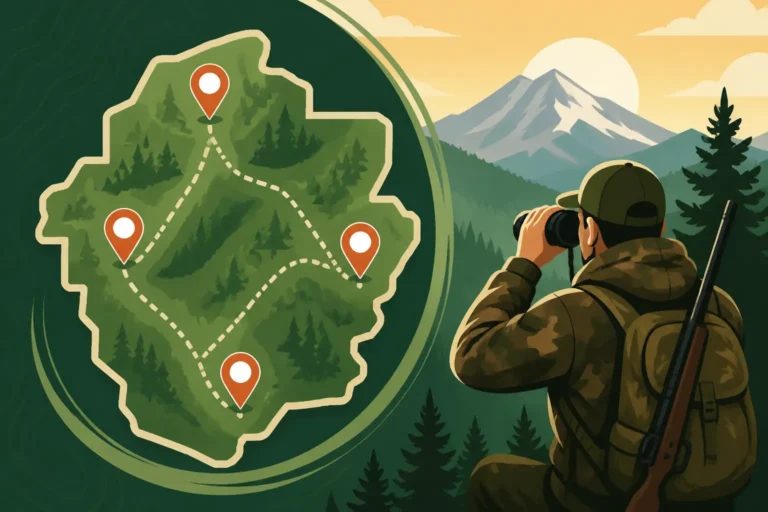
Given the dynamic nature of JBLM, pre-season scouting can be a challenge. You can't just walk onto a closed training area to scout whenever you please. This makes satellite imagery and digital mapping tools your best friends. Use onX Hunt or other robust mapping applications to study topography, locate potential bedding areas, water sources, and travel corridors. Look for older clearcuts, timber fringes, and natural funnels that might hold game. Pay attention to the boundaries of the open hunting zones and note any adjacent off-limits areas. Because access changes daily, understanding the landscape from a bird's-eye view can help you quickly adapt when a new area opens up. This is a critical step, similar to E-Scouting Washington GMUs Before the Draw, but with the added layer of military use.
When an area is open and you've checked in, dedicate time to understanding the micro-terrain. Look for historical game trails, rubs, and scat. Since vehicle access is limited, you'll likely be doing a lot of walking, so knowing the lay of the land will save you energy and time. Often, the areas further from vehicle access points will hold more undisturbed animals.
Staying Flexible and Adaptable
This is perhaps the single most important piece of advice for hunting on JBLM. Because areas can close at a moment's notice, you need to be prepared to shift your plans. Don't put all your eggs in one basket. Have several backup areas in mind that you've researched and are prepared to hunt. Check the iSportsman system right before you head out, and if your primary area is closed, move immediately to your backup.
It’s also wise to consider the timing. Weekends often see more hunter pressure, and military operations can be more varied. Weekdays, especially early mornings, might offer better opportunities and fewer closures. Be ready for the possibility of a hunt being cut short. I've had days where I checked in, walked for miles, only to get a notification on my phone that the area was closing in an hour. It's frustrating, but it's part of the deal. Those who embrace this flexibility are the ones who ultimately find success.
Leveraging Technology for Planning and Navigation
Beyond just scouting, technology is indispensable for hunting JBLM. Your phone, with a reliable mapping app, will be your primary navigation tool. Make sure to download offline maps for any areas you might hunt, as cell service can be spotty or non-existent in some parts of the base. Mark key features like parking areas, trails, water sources, and especially the boundaries of hunting areas and restricted zones. This will help you stay compliant and safe.
A good GPS unit can also serve as a reliable backup to your phone. These tools allow you to track your movements, mark important waypoints, and navigate back to your vehicle, especially crucial if you're Packing Meat Out After Dark. While JBLM provides maps on its iSportsman portal, integrating those boundaries and information into your personal mapping software can give you a significant advantage. Using a satellite messenger or two-way radio is also a smart move, especially if you're hunting solo, as it allows you to communicate even without cell service and provides an added layer of safety. Always be sure to follow JBLM's specific rules regarding communication devices if any are in place.
Disclaimer
This article is for general informational purposes only and does not constitute professional advice. Laws, prices and regulations vary by location and change over time. Consult a qualified professional for guidance on your specific situation.