Getting Written Permission Before Opening Day
There's nothing quite like the sight of untouched land, bristling with potential, right next to crowded public access areas. You know, those private parcels that seem to hold the ghosts of big bucks and bulls, but feel utterly out of reach? It's a frustrating reality for many Washington hunters, wondering how to legally step foot on that promising ground. This guide is all about demystifying that process, walking you through the practical steps to secure written permission for private land hunting before opening day, so you can hunt with confidence and increase your chances of success.
Understanding Washington's Private Land Access Landscape
Navigating the patchwork of public and private land in Washington can feel like a game of hopscotch, especially when you’re scouting for big game. While we often focus on the vastness of our national forests and state lands, ignoring private property opportunities means missing out on some incredible, often less pressured, hunting experiences. The key, of course, is doing it the right way – legally and respectfully.
Why Written Permission is Crucial Beyond Just Being Legal
Let's be blunt: attempting to hunt private land without explicit permission is not just illegal, it's a surefire way to damage the reputation of all hunters and potentially face serious legal consequences. In Washington, trespass laws are clear, and ignorance is rarely an excuse. Getting written permission isn't just about avoiding a ticket; it's about building trust and ensuring peace of mind for both you and the landowner. Imagine the relief of knowing you're completely legitimate, no lingering doubts about whether you should be there. This also sets clear expectations: a written agreement can outline specific access points, permitted areas, and any unique rules the landowner has, preventing misunderstandings down the road that could ruin future opportunities for everyone. It's about respect, plain and simple, and it forms the foundation of a potentially rewarding relationship.
Types of Private Land You Might Encounter
Washington is a diverse state, and so is its private land. You'll find everything from sprawling agricultural fields, hay meadows, and timber plots to smaller, isolated homesteads with wooded draws that could be prime blacktail habitat. Large timber companies like Weyerhaeuser or Hancock manage vast tracts of land, often requiring specific permits and sometimes charging access fees, which is a different beast entirely from obtaining permission from a private individual. Understanding these distinctions is important. While WDFW does offer programs like Washington Private Lands Access Programs, such as "Hunt by Reservation" or "Register to Hunt," where they facilitate access on certain private properties, this guide focuses on direct landowner contact. The direct approach, while requiring more initiative from you, often opens doors to properties that aren't enrolled in any public access program, giving you a truly unique opportunity.
Researching and Identifying Potential Private Properties
The first step in securing permission isn't knocking on doors; it's doing your homework. You need to identify who owns the land and what makes it desirable for hunting. This investigative phase is where modern tools really shine, saving you countless hours of driving around aimlessly.
Utilizing Digital Mapping Tools for Landowner Information
In this day and age, mapping apps are a hunter's best friend. Tools like onX Hunt, BaseMap, or the mapping features within platforms like GoHunt are absolute game-changers. These apps allow you to view property boundaries overlaid with aerial imagery and topographic maps. Crucially, many of them also provide landowner information, including names and sometimes even contact details. You can be sitting at home, zooming in on potential hunting hotspots, seeing exactly where public land ends and private land begins. This helps you identify parcels that are adjacent to known public game corridors, or isolated pockets that might serve as natural refuges for pressured animals. Leveraging OnX Layers for Washington Land Status can reveal a wealth of information about a parcel's ownership and characteristics, making your scouting efforts far more efficient.
Identifying Promising Properties Based on Habitat and Proximity
Once you've got your digital maps open, what should you be looking for? Think like a deer or an elk. Animals need food, water, and cover. Private properties that offer any of these in conjunction with light pressure are gold. Look for:
- Agricultural fields: These are food magnets, especially for deer, often bordering timber or brushy areas.
- Secluded woodlots or draws: These provide excellent cover, especially if they are difficult for the landowner to access or are surrounded by open fields.
- Natural travel corridors: Think saddles, creek bottoms, or fence lines that connect larger blocks of timber or public land.
- Water sources: Even small ponds or seasonal creeks can be crucial in dry Eastern Washington units.
Properties near major highways or towns might seem unlikely, but smaller, ignored pockets of cover can often hold animals year-round, especially if they feel unmolested. Proximity to public land is also a huge factor; if a private parcel sits between two chunks of crowded public land, it's likely serving as a sanctuary for animals pressured during the season. Consider integrating this scouting with your broader strategy for E-Scouting Washington GMUs Before the Draw to maximize your overall research efficiency.
Respecting Posted Signs and Boundaries
This might seem obvious, but it bears repeating: if a property is posted with "No Trespassing" signs, those signs mean exactly what they say. Do not assume any access, even if you see deer tracks or what looks like an old logging road. This is precisely why obtaining permission before opening day is so critical. Trying to "wing it" on the morning of the season can lead to confrontation, legal trouble, and a ruined hunt. Always be absolutely sure of property lines and respect them. Even if you're granted permission, clarify the exact boundaries you are allowed to access. A good rule of thumb is to treat every piece of land as private until you have definitive proof (and permission) otherwise.
Crafting Your Approach: The Art of Asking for Permission
Once you've identified a promising property and its owner, the real work begins: asking for permission. This isn't just a transaction; it's about making a positive impression and building rapport. Remember, you're asking for a privilege, not asserting a right.
Initial Contact Strategies: The Right Way to Reach Out
Timing and presentation are everything. Avoid showing up unannounced right before the season, or during typical dinner hours. A weekday afternoon or early evening is generally best.
- In-person: This is often the most effective, as it allows for direct communication and helps build trust. Dress neatly, introduce yourself politely, and state your purpose clearly. Have your hunting license and hunter education card ready, even if they don't ask for them.
- Phone call: If an in-person visit isn't feasible, a polite phone call is the next best option. Again, be concise and respectful of their time.
- Mail: As a last resort, a well-written letter can work, but it lacks the personal touch.
When you make contact, be prepared with a brief, honest "elevator pitch." Explain who you are, that you're a responsible hunter with a valid Washington Big Game Licence and Tag Costs, and why you're interested in their property (e.g., "I've noticed some deer sign near your back forty and was hoping to ask about hunting opportunities"). Offer to meet at their convenience. Remember, a landowner's primary concern is usually their property's safety and security, so address those unspoken worries upfront. You might even mention your commitment to reporting any suspicious activity or violations you observe, like how to handle Reporting Poaching in Washington.
What to Include in Your Permission Request
Whether verbal or leading to a written agreement, your request should cover several key points to reassure the landowner and clarify expectations:
- Your Credentials: Provide your full name, contact information, and mention that you are a licensed hunter with a valid hunter education certificate.
- Specifics of Your Hunt: Clearly state what species you plan to hunt, the dates or season you're interested in, and your chosen weapon (e.g., archery, modern firearm, muzzleloader). For example, if you have a Washington Multi-Season Deer and Elk Tags, be clear about which season you'd be using.
- Assurances of Respect: Crucially, promise to:
- Respect all property boundaries.
- Close all gates.
- Pack out all trash, leaving no trace.
- Park only in designated areas.
- Avoid driving on wet fields or sensitive areas.
- Abide by any specific rules they might have (e.g., no hunting near livestock or buildings).
- Offer to share any observations you make, such as signs of Elk Hoof Disease Symptoms or suspicious activity.
- Offer of Help: Sometimes, offering to help with a small chore (mending a fence, clearing brush) can go a long way. Or, if you're successful, offering to share some of the game meat can be a thoughtful gesture.
The Importance of a Formal Written Agreement
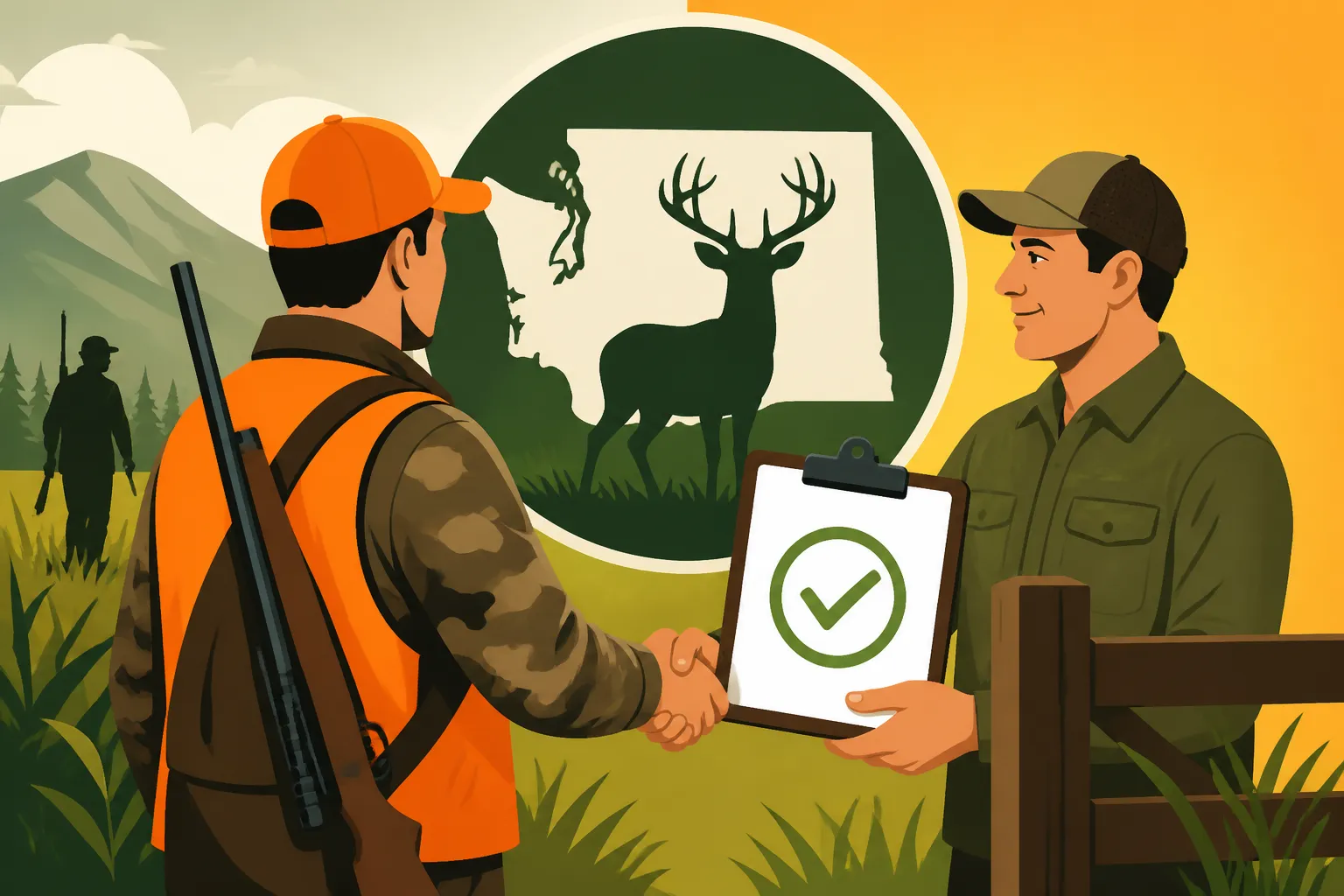
Even if you shake hands, a written permission slip is paramount. It protects both you and the landowner by documenting the terms of your access. It leaves no room for ambiguity and can be shown to game wardens or other individuals if questions arise. A good written agreement should include:
| Item | Details to Include |
|---|---|
| Hunter's Information | Full Name, Address, Phone Number, Hunting License Number, Vehicle Make/Model/License Plate |
| Landowner's Information | Full Name, Address, Phone Number |
| Property Description | Parcel Number, Address, or clear description of the land (e.g., "North 40 acres of tax lot 1234") |
| Permission Granted For | Species (Deer, Elk, Bear, etc.), Weapon Type (Archery, Rifle, Muzzleloader) |
| Dates of Access | Specific dates or range (e.g., "October 1-14, 2024," or "Throughout the 2024 General Deer Season") |
| Specific Rules/Conditions | e.g., "No hunting within 500 feet of buildings," "Access only from Smith Road gate," "No driving on fields" |
| Signatures | Hunter's Signature, Landowner's Signature |
| Date Signed | When the agreement was made |
| Emergency Contact | Optional, but useful for both parties |
Always carry this written permission with you while on the property. It’s your golden ticket and your legal defense. In addition, if you're thinking about deploying tools like Using Trail Cameras to Find Washington Bulls on their property, make sure that's explicitly included in your written agreement.
Building Relationships and Being a Responsible Guest
Getting permission is just the beginning. Maintaining that permission, and potentially gaining it again in future seasons, hinges entirely on your actions as a guest. Think long-term.
Going Above and Beyond: Being a Great Hunting Guest
This is where you solidify your reputation as a responsible, trustworthy hunter.
- Follow the Rules Exactly: If they said no driving on wet fields, don't. If they said close all gates, make sure they latch. No exceptions.
- Leave No Trace: Pack out everything you pack in, and then some. Pick up any litter you find. Leave the property cleaner than you found it.
- Communicate: If your plans change, let them know. If you see something concerning (e.g., other trespassers, downed fences, signs of Washington Cougar Population and Density that might impact their livestock), report it to them.
- Show Appreciation: A simple thank you note after the season, a small gift (like a gift card to a local store, or some processing from your harvest if you're successful), or offering to help with chores can reinforce the positive experience for the landowner. Being a good steward of their land is key.
Remember that the success of the Getting Written Permission Before Opening Day strategy rests on your integrity and respect. You're not just representing yourself, but the entire hunting community.
Handling Rejection Gracefully
Not every landowner will say yes, and that’s okay. There are countless reasons someone might decline your request—they might already have hunters, have had bad experiences in the past, or simply not want anyone on their property.
- Don't Take It Personally: Their refusal is rarely about you specifically.
- Be Polite and Thank Them: Always respond with grace and express gratitude for their time and consideration. "I understand completely, thank you so much for your time anyway." This leaves a positive impression, and who knows, circumstances might change next year.
- Don't Pester or Argue: A landowner's "no" is final. Pushing further will only confirm their decision and create a negative experience.
The key is to move on and focus your efforts on other promising properties. The more requests you make, the higher your chances of success.
Long-Term Benefits of Responsible Private Land Hunting
The effort you put into securing and maintaining private land access can pay dividends for years to come.
- Renewed Permission: A positive experience almost always leads to an invitation back, sometimes with even more liberal terms.
- Exclusive Access: Many private properties offer hunting opportunities far from the crowds, providing a peaceful and often more successful hunt.
- New Friendships: Some of the most rewarding parts of hunting come from the relationships you build, and becoming a trusted guest can forge lasting friendships.
- Positive Image for Hunters: Every time you act responsibly on private land, you help combat negative stereotypes about hunters and potentially open doors for others in the future.
- Expanded Knowledge: You'll gain a deeper understanding of local wildlife patterns, especially in areas like those described in Blacktail Deer Hunting in Western Washington Timber or Glassing Eastern Washington Breaks for Mule Deer, by having consistent access to specific parcels.
By putting in the effort, being respectful, and demonstrating responsibility, you unlock a world of hunting opportunities that many hunters only dream about.
Disclaimer
The information provided in this guide is for informational purposes only and does not constitute legal advice. Hunters are responsible for knowing and adhering to all current Washington Department of Fish and Wildlife regulations, landowner rules, and local laws. Always verify current regulations and property access requirements before hunting.