Camping Limits on Washington National Forest
There's nothing quite like the dream of a true backcountry hunt in Washington, pitching a tent under a canopy of old-growth fir, or parking your rig by a bubbling creek on National Forest land. But the reality can quickly become a headache: navigating the labyrinth of rules, knowing where you can legally stay, and avoiding fines can feel more complex than finding a wise old bull. This guide is here to untangle the nuances of camping limits on Washington National Forest land, helping you set up your home away from home without a hitch.
Understanding Dispersed Camping on National Forests
The allure of escaping crowded campgrounds and finding your own slice of wilderness is a huge part of hunting in Washington. National Forests are incredible resources, offering vast expanses for recreation, including plenty of spots where you can pitch a tent or park your RV outside of designated sites. But this freedom comes with responsibility and a clear set of guidelines.
What Exactly is Dispersed Camping?
When we talk about dispersed camping, we're talking about camping outside of developed campgrounds. There are no picnic tables, no fire rings (unless you build your own in a safe, legal manner), and no vault toilets. You won't find water hookups or garbage services. It's truly primitive camping, often just pulling off a forest road into a suitable flat spot. This type of camping is a fantastic way to immerse yourself in the natural environment, giving you a quiet, private base camp for your hunting adventures. It means you can often get closer to your hunting grounds, save money on fees, and experience a level of solitude that's hard to find in a regular campground. However, it also means you're entirely self-sufficient, and all the responsibilities of minimizing your impact fall squarely on your shoulders.
Choosing a good dispersed campsite involves a bit of scouting. Look for existing clearings or pull-outs that show signs of previous use to avoid creating new impacts. Aim to be at least 100-200 feet away from any water source like a stream, lake, or wetland, to protect water quality and riparian habitats. You also want to consider things like level ground for comfortable sleeping, natural shelter from wind or rain, and proximity to your planned hunting routes. Often, the best spots are just far enough off the main forest roads to offer privacy but are still accessible.
General Rules and Time Limits
The most fundamental rule for dispersed camping on National Forests is the stay limit. Generally, you're allowed to camp in one location for a maximum of 14 days within any 30-day period. This isn't just about a single spot; it's about a geographical area. So, you can't just move your camp 50 feet down the road and call it a new site after 14 days. The idea is to prevent long-term residency and ensure that everyone has an opportunity to enjoy these public lands. After you've hit that 14-day mark in a particular area, you'll need to move at least a certain distance away – often 5-10 miles – to a new area before you can restart the clock.
This rule is really important, especially for those longer, multi-week hunts or for anyone planning to return to the same general area multiple times in a season. The Forest Service isn't trying to be difficult; they're trying to prevent resource damage, excessive human waste accumulation, and the creation of de facto permanent settlements that can occur if people overstay their welcome. It helps keep the land wild and accessible for everyone. Always remember, dispersed camping is a privilege, not a right, and adhering to these limits is key to keeping it available for hunters and other outdoor enthusiasts.
Designated Campsites vs. Dispersed Areas
It's crucial to understand the difference between designated campgrounds and dispersed camping areas because the rules can vary significantly. Designated campgrounds are those managed sites with numbered spots, often a host, amenities like vault toilets, potable water, and sometimes even picnic tables and paved pads. These sites typically require a fee and are subject to specific rules about quiet hours, generator use, and vehicle length. They're great for convenience and when you need a few more comforts, but they don't offer the same solitude as dispersed camping.
Dispersed camping, on the other hand, means you are completely off the grid. You are responsible for everything, from packing out all your trash (and I mean all of it, including food scraps) to properly managing human waste. There are no fees for dispersed camping in most National Forest areas, which is a huge draw for hunters on a budget. However, because these areas are undeveloped, they are more fragile. The "Leave No Trace" principles are paramount here. Understanding whether you're in a designated campground, a general forest area open to dispersed camping, or a specially restricted zone (like wilderness areas or sensitive riparian zones) is the first step to being a responsible forest user. If you're planning on Backcountry Camps in Washington Wilderness, know that these areas often have even stricter regulations regarding campfires and group size.
Specific Regulations and Restrictions You Need to Know
While the general 14-day rule applies widely, local National Forest districts in Washington often have additional restrictions that are absolutely critical to know. These aren't just minor suggestions; they're enforceable rules designed to protect resources and public safety, and ignorance is no excuse when a Forest Service ranger pulls up to your camp.
Fire Restrictions and Campfire Permits
This is perhaps one of the biggest headaches for Washington hunters, especially during the dry late summer and early fall seasons. Fire restrictions can change rapidly based on weather conditions, drought levels, and current wildfire activity. What was legal yesterday might be illegal today. You simply cannot assume you'll be able to have a campfire. Often, during peak fire season, even dispersed campfires are completely banned. Sometimes, only campfires in designated metal rings in developed campgrounds are allowed, or only propane stoves are permitted. This often leads to frustrating last-minute changes to your hunt plan.
Always, and I mean always, check with the local National Forest ranger district you plan to hunt in just before your trip. Their websites or a quick phone call can provide the most current fire danger levels and restrictions. Some areas may require a free campfire permit even when fires are allowed. These permits usually involve reviewing basic fire safety rules. Ignoring fire restrictions can lead to hefty fines, or worse, accidentally starting a wildfire that devastates thousands of acres and impacts hunting for years to come. Be prepared to cook on a small propane stove or eat cold meals if a fire ban is in place; it's a small price to pay for protecting our forests.
Vehicle Access and Road Rules
Getting to your desired dispersed campsite often involves navigating a network of forest roads. Not all roads are created equal, and some might be seasonally closed, permanently decommissioned, or have specific restrictions. Many National Forests in Washington utilize "Green Dot" road systems, particularly important for hunting access. These systems designate which roads are open to motorized vehicles and which are closed to protect wildlife habitat, prevent erosion, or ensure public safety. Washington Green Dot Road Systems can be complex, and understanding the maps is crucial before you head out.
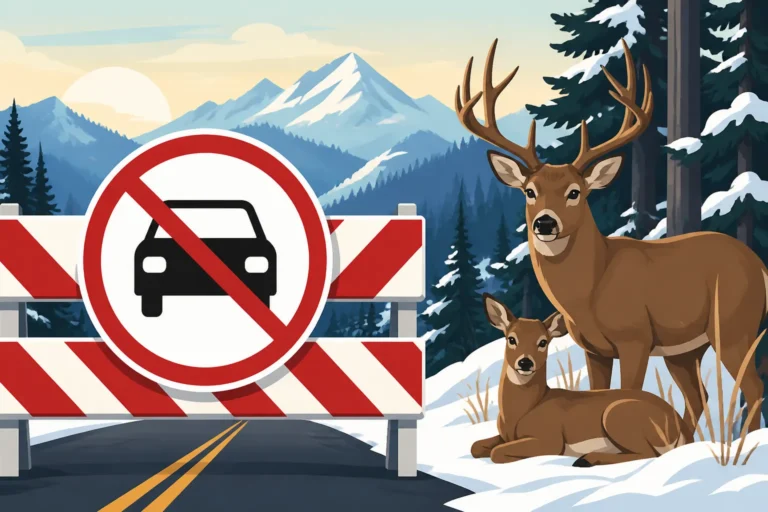
In many areas, cross-country travel by vehicle is strictly prohibited. You must stay on established roads. Pulling off the road to camp is usually permitted if there's enough space and it doesn't block traffic, damage vegetation, or impede water flow. However, some areas might have specific "no vehicle beyond this point" signs or physical barriers. Be mindful of sensitive areas, like meadows, stream banks, or recently rehabilitated sites, and never drive or park on them. Respecting these rules is vital for preventing habitat degradation and ensuring future access for everyone. If you're considering Motorhome Access on Forest Roads, make sure your rig can handle potentially rough, unpaved terrain and that the roads you plan to use are open and wide enough.
Waste Management and Leave No Trace
This is where the rubber meets the road for responsible dispersed camping. The core principle is simple: pack out everything you pack in. This includes all trash – food wrappers, cans, bottles, even biodegradable items like apple cores and banana peels, which take a long time to decompose and attract wildlife. But it goes beyond just trash. Human waste is a significant concern. Away from vault toilets, you'll need to dig a "cathole" 6-8 inches deep and at least 200 feet from water, trails, and campsites. Bury your waste, and pack out your toilet paper. Seriously.
Another aspect of waste management is dishwater. Don't pour it directly into streams or lakes. Disperse it away from water sources so the soil can filter it. Use biodegradable soap sparingly, if at all. For hunters, this also extends to gut piles. While often left in the field, consider placing them away from trails, roads, and water sources. The goal is to leave your campsite and the surrounding area looking like you were never there. This includes dismantling any temporary fire rings you might have built (if fires were permitted), scattering rocks, and ensuring the area is clean. Following these principles ensures these beautiful hunting grounds remain pristine for future generations.
Finding and Accessing Legal Camping Spots
Knowing the rules is one thing, but actually finding a good, legal spot when you're out there is another challenge entirely. The vastness of Washington's National Forests can be overwhelming, but with the right tools and a little legwork, you can pinpoint excellent dispersed camping locations.
Utilizing Maps and Digital Tools
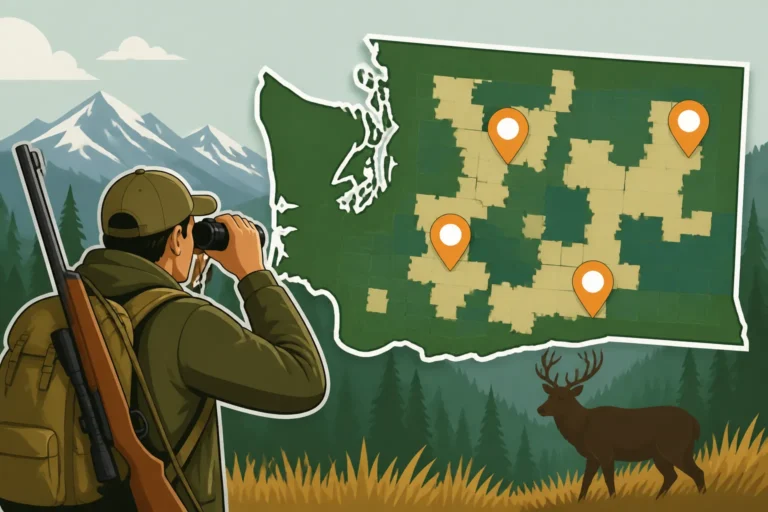
In today's world, digital mapping tools are an absolute game-changer for hunters looking for dispersed camping. Gone are the days of relying solely on paper maps, though a good physical map is still a critical backup. Applications like onX Hunt are incredibly powerful for identifying land ownership, which is paramount when trying to distinguish National Forest land from private timber holdings or state land. With onX Hunt, you can clearly see the boundaries of the various National Forests across Washington, along with the extensive network of forest roads, including those all-important Green Dot roads. This allows you to scout potential pull-offs, secluded clearings, and areas that might offer a little more privacy, all from your couch or truck cab.
Many hunters also rely on platforms like GoHunt for their mapping and scouting features, especially when it comes to overlaying habitat data or known game concentrations with land ownership. These tools can help you identify areas that are both prime hunting ground and legal for dispersed camping. Remember to download your maps for offline use before you head into the backcountry, as cell service is often non-existent in these remote areas. Beyond commercial apps, the WDFW website offers WDFW Hunt Planner Map Layers for Washington that can be invaluable for cross-referencing GMU boundaries and public access points. Taking the time to digitally scout potential camp locations can save you hours of driving around aimlessly once you're on the ground, making your hunt more efficient and enjoyable.
Checking Local Ranger District Rules
As mentioned earlier, the general rules for dispersed camping on National Forests are a baseline, but local ranger districts often have specific, hyper-local regulations that override or add to those general guidelines. For example, some districts might have tighter restrictions on vehicle access in certain sensitive areas, or they might limit camping to specific designated dispersed sites rather than allowing it anywhere within a general forest area. A few districts might even have specific closure orders in place due to timber operations, wildlife management, or habitat restoration efforts.
Before you even leave home, make it a point to visit the website of the specific National Forest you plan to visit (e.g., Okanogan-Wenatchee National Forest, Gifford Pinchot National Forest, Colville National Forest, or Olympic National Forest). Look for sections on "Recreation," "Camping," or "Alerts & Notices." Better yet, call the ranger station directly during business hours. Speaking with a real person can clarify any ambiguities and give you the most up-to-date information on fire restrictions, road closures, and any unique camping rules for their particular district. This small step can save you a lot of grief and ensure you're in compliance, which is especially important if you're exploring less-traveled areas or hunting during a busy season when rangers are out patrolling.
Considerations for Wilderness Areas
Washington is blessed with stunning wilderness areas within its National Forests, offering unparalleled opportunities for solitude and truly wild hunting experiences. However, wilderness areas have their own set of rules, which are often much stricter than general National Forest regulations. By definition, wilderness areas are managed to preserve their natural character, meaning motorized vehicles and mechanized equipment are generally prohibited. This includes mountain bikes, ATVs, and even things like game carts in some places. If you plan to haul out an animal, be prepared for Packing an Elk Out of Washington's Backcountry on your own two feet or with pack animals.
Camping in wilderness areas often requires a backcountry permit, although these are typically free. Group size limits are also common to minimize impact; check out Wilderness Group Size Limits in Washington for details. Campfire restrictions can be more stringent, with some wilderness areas banning fires altogether in certain zones or above a specific elevation. You might also be required to use a bear-resistant food container in certain wilderness areas to protect wildlife and prevent habituation. Always check the specific wilderness area regulations with the managing ranger district before planning a trip, as these rules are designed to protect the very wildness that draws us there. You'll find that places like the Pasayten Wilderness or the Alpine Lakes Wilderness are incredible, but they demand a different level of preparation and adherence to specific rules.
Staying Safe and Respectful While Dispersed Camping
Dispersed camping puts you directly into the wild, which is fantastic for hunting but also means you need to be prepared for self-reliance and unexpected challenges. Beyond legalities, safety and respect for the environment and other users are paramount.
Wildlife Encounters and Food Storage
When you're camping in Washington's National Forests, you're in wildlife country. This means encounters with various animals, including bears, cougars, coyotes, and smaller critters like raccoons and rodents, are a distinct possibility. Proper food storage isn't just a suggestion; it's a critical safety measure for both you and the animals. Leaving food, scented items (like toiletries), or even trash unsecured can attract wildlife to your campsite, leading to property damage, habituation, and potentially dangerous encounters. A fed bear is often a dead bear, as habituated animals can become a danger to humans and are often euthanized.
Always store food and scented items in a bear-resistant container, a bear bag hung properly from a tree (at least 10 feet up and 4 feet from the trunk), or in a locked vehicle out of sight. Never keep food inside your tent. Cook and eat away from your sleeping area to minimize odors. Clean up all food scraps immediately and pack out everything. Even seemingly innocent birdseed or pet food can attract unwanted guests. If you encounter wildlife, give them space, never feed them, and make noise to let them know you're there. Understanding Bear Diet Through the Washington Seasons can help you anticipate where bears might be foraging.
Water Sourcing and Purification
Unlike a developed campground, dispersed camping means there's no potable water tap. You'll need to source and purify all your drinking water. Washington National Forests are often rich with streams and springs, but even crystal-clear mountain water can harbor giardia, cryptosporidium, and other pathogens that will ruin your hunt (and your digestive system). Never drink untreated water directly from a source.
Always carry a reliable water filter, purifier, or purification tablets. Boiling water is also an effective method. Plan your camp near a water source, but remember the "Leave No Trace" rule of camping at least 200 feet away from it. When collecting water, try to do so upstream from any potential human or animal activity. If you're hunting in a drier area, consider packing in all the water you'll need, especially for a short trip, or research potential water sources carefully using maps before you go. Having a backup method for water purification, like a small bottle of iodine tablets, is always a smart move.
Being a Good Steward and Neighbor
Ultimately, dispersed camping on Washington's National Forests is a privilege that comes with the responsibility of being a good steward of the land and a considerate neighbor to other outdoor enthusiasts. This means more than just following the rules; it's about embodying the spirit of conservation and respect. Keep your noise levels down, especially during prime hunting hours or late at night. If another camp is nearby, try to maintain a respectful distance. Avoid cutting down live trees for firewood; instead, collect dead and downed wood that fits easily into your fire pit (if fires are allowed).
Leave your campsite cleaner than you found it, even if that means packing out a few pieces of trash left by less responsible users. Practice Solo Hunting Safety Precautions by letting someone know your trip plan, and be prepared for emergencies, as help might be hours away. The future of access to these incredible public lands for hunting and recreation depends on all of us doing our part. By adhering to regulations, practicing Leave No Trace principles, and showing respect for the environment and others, we ensure that Washington's National Forests remain a wild and accessible haven for generations of hunters to come.
Here's a quick overview of some common dispersed camping rules on Washington National Forest land:
| Rule Category | General Guideline | Key Considerations |
|---|---|---|
| Stay Limit | 14 days in any 30-day period | Applies to a general geographical area; must move 5-10 miles away to restart. |
| Distance from Water | Camp at least 100-200 feet from streams, lakes, or springs | Protects water quality and riparian habitats; important for Water Sourcing and Purification. |
| Fire Restrictions | Check local ranger district for current fire danger/bans; permits may be required. | Can change daily; always be prepared for no campfires; use existing fire rings if possible. |
| Vehicle Access | Stay on established roads; no cross-country driving. | Follow Green Dot system; avoid blocking roads or damaging vegetation. |
| Human Waste | Dig catholes 6-8 inches deep, 200 feet from water/trails; pack out toilet paper. | Essential for hygiene and environmental protection. |
| Trash | Pack out ALL trash, including food scraps. | Leave No Trace principle; prevents wildlife habituation. |
| Food Storage | Store food in bear-resistant containers, hung bags, or locked vehicles. | Deters wildlife; prevents dangerous encounters. |
| Wilderness Areas | Stricter rules; no mechanized transport; often require permits; group size limits. | Research specific wilderness area regulations (e.g., Washington Wilderness Rules on Motorized Carts). |
| Campsite Location | Use existing clearings; avoid creating new impacts; camp on durable surfaces. | Minimizes environmental damage. |
Disclaimer
This article is for general informational purposes only and does not constitute professional advice. Laws, prices and regulations vary by location and change over time. Consult a qualified professional for guidance on your specific situation.