North Cascades Park Hunting Rules
It's incredibly frustrating when you're trying to figure out where you can legally hunt in Washington, especially when looking at a map and seeing these massive federal land designations like the North Cascades. There's a lot of confusion around what a "National Park" means versus a "National Forest," and that distinction is absolutely critical for us hunters. This guide is here to clear up any misunderstandings about hunting specifically within North Cascades National Park and, more importantly, to show you the abundant opportunities that exist in the surrounding public lands.
The Fundamental Rule: National Parks and Hunting
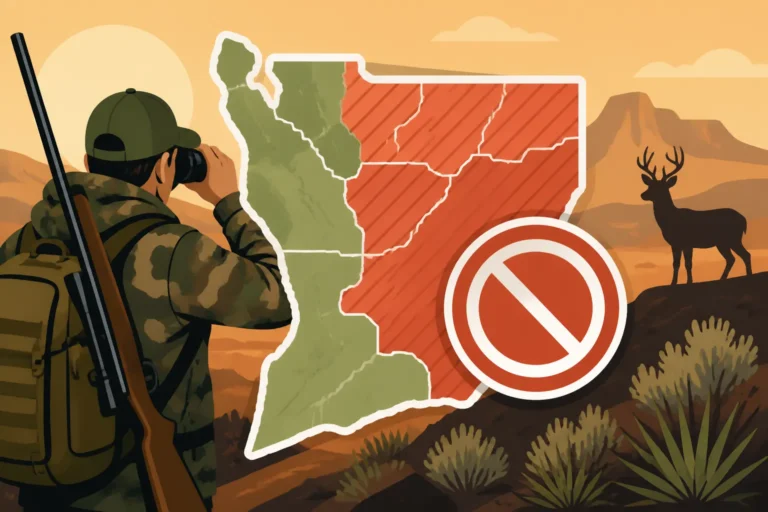
Let's cut right to the chase because this is where a lot of well-meaning hunters can get into trouble. When you see "National Park" on a map, it generally means hunting is off-limits. This isn't just a suggestion; it's a hard and fast rule in the vast majority of cases across the United States. The North Cascades National Park Complex is no exception to this rule.
Understanding National Park Designations
The federal government manages various types of public lands, and while many are open to hunting, National Parks are distinct. Think of it this way: National Parks, like Yellowstone, Yosemite, or our very own North Cascades, are typically designated for the preservation of pristine natural landscapes, ecosystems, and historical sites, with an emphasis on visitor recreation and observation of nature. Their primary mission is conservation in its strictest sense, often limiting human impact to non-consumptive activities. This contrasts sharply with other federal designations that often allow for multiple uses, including hunting, timber harvest, and grazing.
This fundamental difference is often lost on folks just looking at a map that shows vast green spaces. It's easy to assume "public land equals hunting," but with National Parks, that's just not the case. It's a source of confusion that I see trip up many hunters, especially those new to a region or to public land hunting in general.
Why Hunting is Generally Prohibited in National Parks
The prohibition of hunting within National Parks stems from their founding principles. The idea is to create sanctuaries where wildlife can thrive undisturbed by hunting pressure, allowing visitors to experience nature in its "wild" state. While this intention is noble, it can create interesting challenges at the boundaries, where animals, especially large game like elk and deer, don't recognize our human-drawn lines. They might spend their summer in the safety of a park and then migrate out to adjacent lands once hunting seasons open or when winter weather pushes them.
Historically, this approach has sometimes led to overpopulation issues within parks, impacting vegetation and even the health of the herds themselves. However, the management philosophy largely remains one of non-intervention when it comes to hunting. So, while you might see a trophy bull elk just inside the North Cascades National Park boundary, resist the urge to pursue it; those lines are legally binding.
North Cascades National Park Complex Specifics
The North Cascades National Park Complex is indeed one of those places where hunting is explicitly prohibited. This complex includes North Cascades National Park, Ross Lake National Recreation Area, and Lake Chelan National Recreation Area. While National Recreation Areas can sometimes allow hunting, specific regulations vary, and for the North Cascades Complex, the blanket rule of no hunting applies to all three units. This means no big game, no small game, no waterfowl. It's a wildlife viewing and non-consumptive recreation zone through and through. So, while you can hike, fish, and camp, leave your hunting gear at home if your plan is to enter the park boundaries.
Where You Can Hunt Around the North Cascades
Alright, so the National Park is out. Don't despair! The good news is that the North Cascades are surrounded by truly vast and spectacular public lands where hunting is not only allowed but thrives. These areas offer some incredible opportunities for deer, elk, bear, and cougar, and they're exactly where you should be focusing your scouting and hunting efforts.
Surrounding National Forests
The majority of the land surrounding the North Cascades National Park Complex falls under the jurisdiction of two massive and hunter-friendly National Forests: the Okanogan-Wenatchee National Forest to the east and the Mount Baker-Snoqualmie National Forest to the west. These are multi-use lands, meaning hunting is a celebrated and deeply ingrained part of their management.
These National Forests offer everything a hunter could dream of: rugged mountains, dense timber, high alpine basins, and vast roadless areas. Okanogan-Wenatchee Forest Access can be found through numerous forest service roads, offering both drive-in and hike-in opportunities. The same goes for the Mount Baker-Snoqualmie side, though access can be more challenging due to steeper terrain and heavier vegetation. You'll find a mix of general season units and special permit areas within these forests, offering chances at Rocky Mountain elk on the east side and robust populations of blacktail deer and black bear on both sides.
Washington State Lands and Other Public Access Points
Beyond the federal National Forests, Washington also boasts a significant amount of state-managed land where hunting is permitted. The Department of Natural Resources (DNR) manages extensive forest lands, particularly in Western Washington, which often provide excellent hunting opportunities. These lands are managed for various purposes, including timber production, but public recreation, including hunting, is a key component. You might encounter DNR lands interspersed with National Forest sections or even adjacent to the park boundaries.
Furthermore, the Washington Department of Fish and Wildlife (WDFW) manages numerous Wildlife Areas across the state, specifically for wildlife habitat and public recreation. While not as prevalent directly adjacent to the immediate North Cascades National Park boundary as the National Forests, they are important components of Washington's public land hunting landscape. Always check specific WDFW regulations for any given Wildlife Area, as some may have unique rules or access points. You can find more information on Washington DNR Land Open to Hunting and how to access it.
Navigating Boundaries: The Critical Role of Maps
Given the patchwork nature of land ownership and management in this region, having reliable mapping tools is absolutely non-negotiable. This is where modern GPS applications truly shine. Tools like onX Hunt or GoHunt are invaluable for distinguishing between National Park lands (where hunting is illegal) and adjacent National Forests or State lands (where it's permitted).
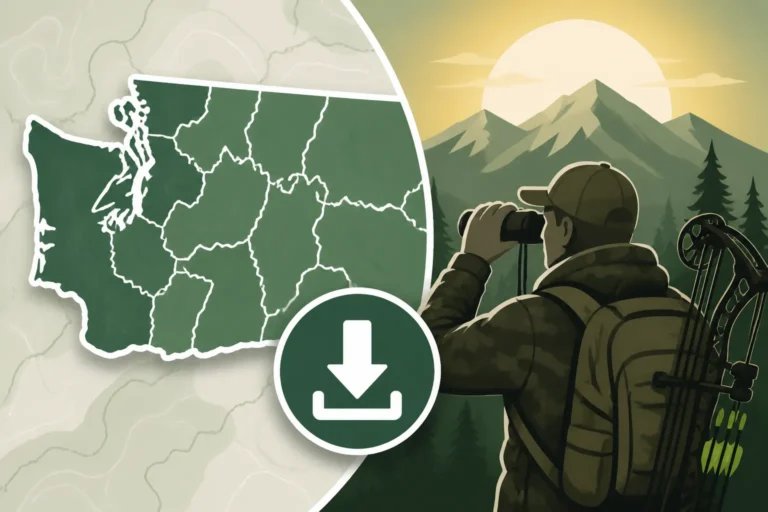
These apps use different color-coding for land ownership, making it crystal clear where you can and cannot legally be with a weapon. I can't tell you how many times I've used onX Hunt to verify a boundary, especially when I'm deep in the timber and my sense of direction is getting fuzzy. It's a small investment that can save you a massive headache, or worse, a costly citation. Always download your maps for offline use before heading into the mountains, as cell service is predictably spotty, if not non-existent, in much of the North Cascades region. Downloading Offline Maps for Washington is a crucial step in your planning process.
Practical Advice for Hunting Adjacent to the Park
Now that we've established where you can hunt, let's talk about how to approach hunting in the areas bordering the North Cascades National Park. This isn't your average flatland hunt; this is rugged, beautiful, and often challenging terrain that demands careful planning and respect for the rules.
Species Available and Seasons
The areas around the North Cascades offer diverse hunting opportunities. For deer, you'll primarily find Columbian blacktail deer on the west side of the Cascades (Mount Baker-Snoqualmie National Forest) and mule deer on the east side (Okanogan-Wenatchee National Forest). Both offer challenging hunts in steep, timbered country. Columbian Blacktail Deer in Western Washington and Mule Deer of Eastern Washington are abundant in these adjacent forest lands.
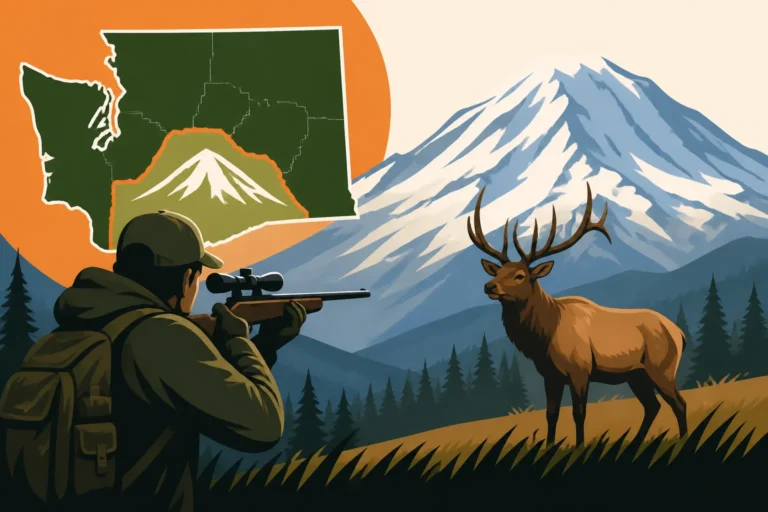
Elk are also present, with Roosevelt elk on the west side and Rocky Mountain elk on the east. The elk populations in the North Cascades region tend to be more scattered and lower density than in some of Washington's other strongholds, but they are there for the dedicated hunter. Washington Elk Herds and Where They Live delves deeper into where these majestic animals can be found.
Black bears are very common throughout the entire North Cascades region, on both sides of the crest. They thrive in the diverse habitats of the National Forests, especially during berry season in late summer and early fall. Bear hunting offers a great opportunity to extend your time in the mountains. Washington Black Bear Season Dates will give you an idea of when to plan your trip.
Finally, cougars roam these mountains, following their prey. While a challenging hunt, they are a viable target in the National Forests surrounding the park. Washington Cougar Season and Harvest Guidelines provides critical information if you're pursuing these elusive predators.
Access and Permitting for Nearby Areas
Accessing the National Forests and DNR lands around the North Cascades typically involves a combination of paved highways that turn into gravel forest roads. Many of these forest roads are part of Washington's "Green Dot" system, which designates roads open to motorized vehicles versus those that are closed to protect wildlife or maintain road integrity. Always check the current Green Dot maps for the GMU you plan to hunt.
Some private timber companies, like Weyerhaeuser or Hancock Forest Management, own large tracts of land interspersed with or adjacent to federal and state holdings. While some of these might offer walk-in access behind gates, many require permits for motorized entry or even foot access during hunting season. Always check with the specific timber company if their lands are part of your hunt plan. You will also need a Washington Discover Pass for parking at many state recreation sites, including some DNR lands. It's always best practice to confirm any permit requirements before you go.
Respecting the Boundary: Avoiding Accidental Trespass
This point cannot be stressed enough: know where the North Cascades National Park boundary is, and stay out of it with your hunting equipment. Accidental trespass can lead to severe penalties, including fines, confiscation of gear, and loss of hunting privileges.
Even if an animal you've shot crosses into the park boundary, your options become extremely limited. In most cases, you cannot pursue it. You'd have to contact the Park Service, and the outcome is rarely in the hunter's favor. The best defense is a good offense: maintain a healthy buffer zone around the park boundary. Use your mapping apps like onX Hunt to mark the park boundary clearly on your device and give it a wide berth. When Finding Property Lines on Washington Public Land, be extra diligent around these sensitive areas.
Planning Your Hunt in the North Cascades Region
Effective planning is the cornerstone of any successful and legal hunt, especially when dealing with complex land designations like those found around the North Cascades. Don't just show up and hope for the best; put in the work beforehand.
Scouting and E-Scouting the Permissible Zones
Before you ever set foot in the field, spend significant time e-scouting. This involves using satellite imagery and mapping software like onX Hunt or GoHunt from the comfort of your home. Look for old logging roads, clearcuts of varying ages, natural funnels, potential bedding areas, water sources, and areas with different timber densities. The North Cascades region is rugged, so identifying potential routes and escape avenues for game is crucial.
Once you've identified promising areas, try to do some boots-on-the-ground scouting before the season opens. This will confirm what you saw on the map, help you understand the terrain better, and potentially locate fresh sign. Pay attention to how game moves in relation to the park boundary. Animals often learn where they are safe, so areas just outside the park line can be hot spots, especially early in the season before heavy hunting pressure pushes them deeper into the National Forest. Don't underestimate the value of E-Scouting Washington GMUs Before the Draw as a critical first step.
Gear Considerations for Mountainous Terrain
Hunting the areas surrounding the North Cascades National Park means hunting in genuine mountain country. This demands appropriate gear. Expect steep climbs, potentially dense brush, and rapidly changing weather conditions. Your footwear is paramount; invest in high-quality, broken-in mountain boots with good ankle support. Layers are crucial for dealing with temperature swings and the inevitable rain, especially on the west side.
A reliable pack, preferably one with a frame for hauling meat, is essential, as you'll likely be packing out game in difficult terrain. Bring plenty of water or a reliable water filter. And, of course, your chosen weapon must comply with Washington's Legal Equipment Rules by Weapon. Don't skimp on quality optics either; binoculars and a spotting scope can be incredibly useful for picking apart distant hillsides.
Wildlife Behavior Near Park Boundaries
Animals don't read maps, but they do learn quickly where hunting pressure is present and where it is absent. As such, wildlife near park boundaries often exhibit different behavior than those deep in actively hunted areas. It's common for elk and deer to "stage" just inside the park boundary during hunting season, only venturing out into accessible areas under the cover of darkness or during periods of minimal human activity.
This means hunters focusing on areas adjacent to the park should be prepared to hunt early, late, and possibly aggressively. Animals might move just at first light or last light across the boundary. Understanding these movement patterns is key. Look for trails that lead directly to or from the park edge. Patience, observation, and a willingness to put in the miles can pay off significantly in these transition zones.
| Land Designation Type | Hunting Allowed? | Primary Purpose | Common Locations Near North Cascades |
|---|---|---|---|
| National Park | No | Preservation, Conservation, Non-Consumptive Rec. | North Cascades National Park Complex |
| National Forest | Yes | Multiple Use (Timber, Grazing, Recreation, Hunting) | Okanogan-Wenatchee, Mount Baker-Snoqualmie National Forests |
| Washington DNR Land | Yes | Timber Production, Recreation, Public Access | Various state lands interspersed with federal |
| Washington Wildlife Area | Yes | Wildlife Habitat, Public Recreation | Less common directly bordering, but throughout WA |
| Private Timber Land | Varies | Timber Production (Permits often required) | Interspersed throughout National Forests |
Disclaimer
This article is for general informational purposes only and does not constitute professional advice. Laws, prices and regulations vary by location and change over time. Consult a qualified professional for guidance on your specific situation.