Tribal Reservation Boundaries in Washington
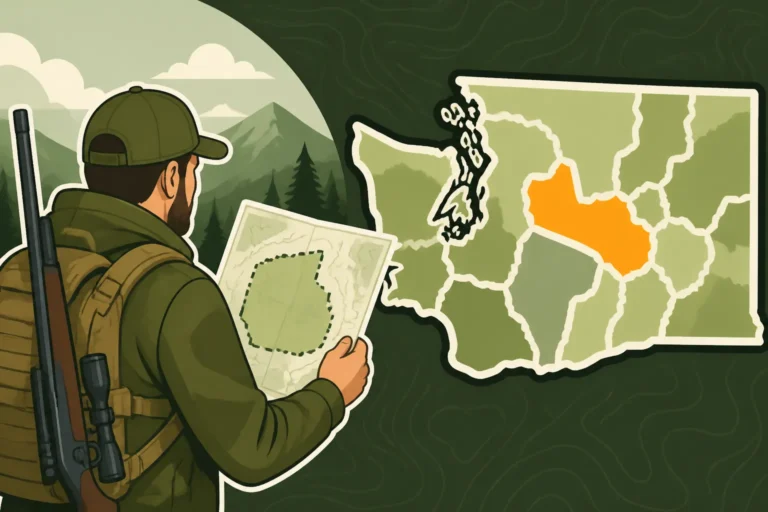
It's easy to get turned around when you're thinking about hunting in Washington, especially when the lines blur between state, federal, and private lands. But when tribal reservation boundaries enter the picture, a whole new layer of complexity can pop up, leaving many hunters scratching their heads about where they can legally step and what rules apply. This guide is here to untangle that knot, offering clear, actionable insights into understanding and respecting tribal lands while pursuing your passion for hunting in the Evergreen State.
Understanding Tribal Sovereignty and Hunting Rights in Washington
Navigating the landscape of hunting in Washington requires more than just knowing your GMU boundaries or checking the latest WDFW pamphlet. A significant, and often misunderstood, aspect of land ownership in our state involves tribal reservations. These aren't just patches of land; they represent distinct sovereign nations with their own laws, traditions, and rights that profoundly impact hunting access and regulations.
The Basics of Tribal Land Status
When you hear the term "Indian Country," it refers to a complex legal and geographical reality. These are not simply public lands where you can wander with a Discover Pass, nor are they typical private parcels you might approach for permission. Tribal lands are sovereign territories, established through treaties and federal law, and governed by the respective tribal nations. This means that within these boundaries, tribal governments often have jurisdiction over hunting and fishing regulations, especially concerning their own tribal members. For non-tribal members, this can create a mosaic of rules. You can't just assume state game laws automatically apply, even if you're standing within the geographical limits of what might look like a single Washington GMU. The key takeaway here is that tribal lands are fundamentally different, and treating them as such is the first step toward responsible hunting. Disrespecting these boundaries isn't just a legal issue; it's a profound ethical one that impacts relations with our tribal neighbors.
Different Types of Tribal Land Ownership
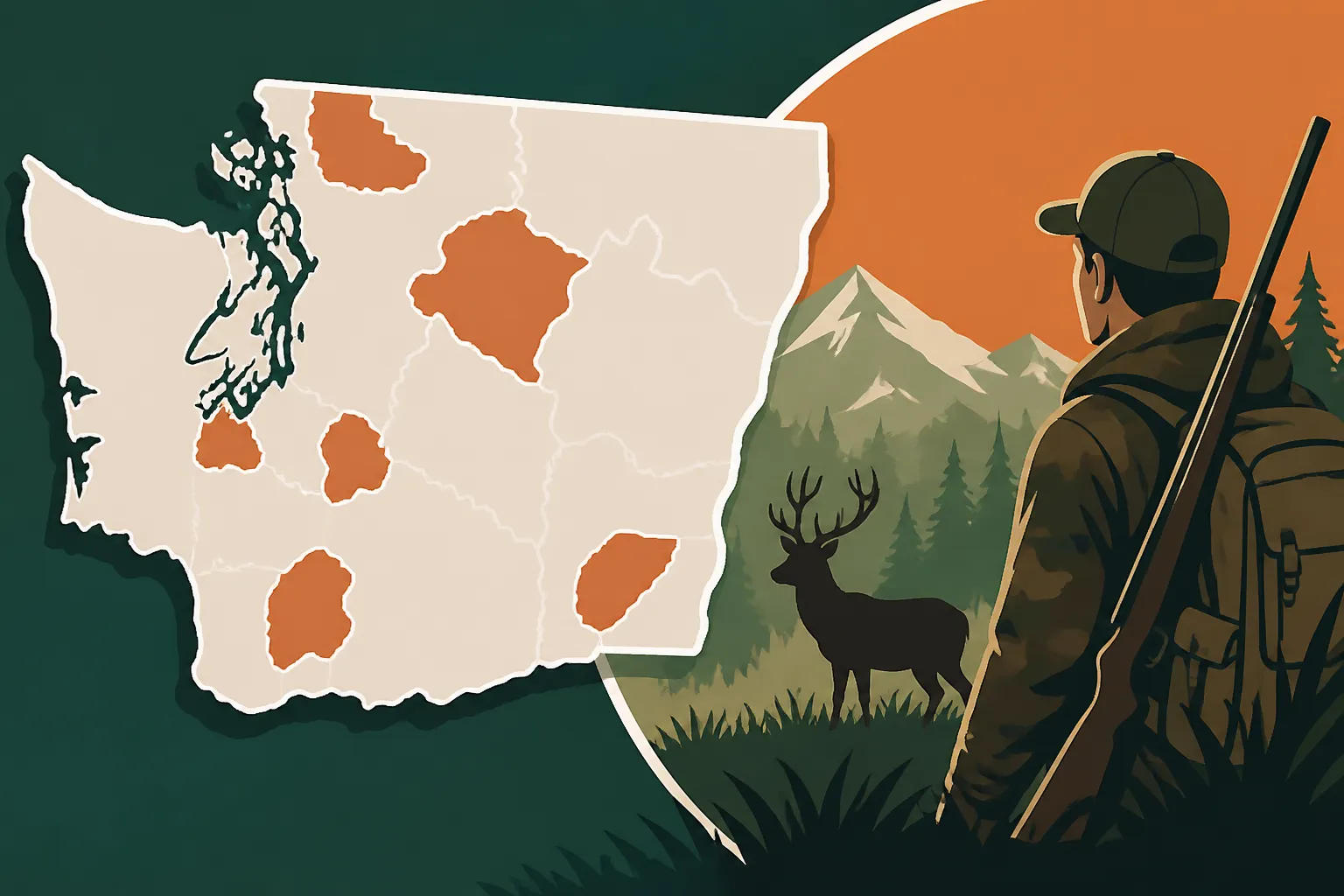
To really understand how tribal reservation boundaries affect hunting, you need to grasp that not all land within a reservation is owned and managed identically. It's often not one monolithic block of tribal property. Instead, many reservations in Washington, due to historical policies like the Dawes Act, can be a complex "checkerboard" of ownership.
Firstly, you have lands held in trust by the federal government for the benefit of the tribe or individual tribal members. These are often considered "tribal trust lands" and are unequivocally under tribal jurisdiction for hunting. Then there are "allotted lands," which are parcels owned by individual tribal members, again often held in trust. Thirdly, and this is where it gets particularly tricky for non-tribal hunters, many reservations contain what are known as "fee simple lands." These are lands within the exterior boundaries of a reservation that are privately owned by non-tribal individuals or entities, or even by the state or federal government.
Imagine driving through a reservation and seeing a mix of tribal housing, a private ranch owned by a non-tribal family, and perhaps a small state park—all nestled within those official reservation lines. Each of these parcels might fall under different jurisdictional rules for hunting. This checkerboard pattern means that even if you're inside a reservation boundary, you might actually be on private land belonging to a non-tribal member or even a piece of state or national forest land. Tools like onX Hunt are absolutely invaluable here, as they often clearly delineate these different ownership types, helping you avoid accidental trespass. Without this granular understanding, it's easy to mistakenly assume all land within a reservation's outer boundary is off-limits or, conversely, that it's open for state-regulated hunting, leading to potential legal trouble and ethical missteps.
Navigating Hunting Regulations on and Around Reservations
The question of "whose rules apply?" is probably the biggest source of confusion when hunting near or on tribal lands in Washington. It's not always a straightforward answer, and a lack of understanding can quickly turn an exciting hunting trip into a frustrating, and potentially costly, encounter.
When State Laws Apply and When They Don't
For non-tribal members hunting in Washington, state hunting laws apply to all non-tribal lands, whether those are state, federal, or privately owned, even if those lands are geographically located within the exterior boundaries of an Indian Reservation. This is a critical distinction. So, if there's a section of national forest land or a private parcel owned by a non-tribal individual inside a reservation, and you're not a tribal member, you must adhere to Washington State hunting regulations, obtain a Washington hunting license, and have the appropriate tag.
However, here's the rub: for tribal members, their hunting rights on their reservation lands are often governed by their tribal codes and treaties, not by WDFW regulations. They might have different seasons, bag limits, or weapon restrictions, and they typically do not need state licenses or tags to hunt on tribal lands. This dual system can be confusing if you don't know the specific land ownership. Imagine planning an elk hunt in an area that straddles a reservation boundary. You need to know that a bull taken on state-managed land within the reservation's perimeter would be subject to state rules, while a bull taken by a tribal member on adjacent tribal trust land might be subject to entirely different rules. This is why simply glancing at a map isn't enough; you need to understand the underlying jurisdictional framework. It's not just about a property line; it's about sovereignty.
Accessing Non-Tribal Land Within Reservation Boundaries
So, you've done your research and identified a piece of state forest land or a private timber company parcel that lies within the exterior boundary of a tribal reservation. You're a non-tribal member and you want to hunt there. Can you? The short answer is: possibly, but with extreme caution and thorough verification.
First, you absolutely must confirm the specific land ownership. This is where modern mapping applications become an indispensable part of your E-Scouting Washington GMUs Before the Draw process. Tools like onX Hunt or even services like GoHunt offer detailed land ownership layers that can show you, in real-time, whether that patch of timber is tribal trust land, private non-tribal land, WDFW property, or US Forest Service land. Without this, you're flying blind.
If the land is indeed non-tribal public land (like a section of National Forest), then standard public land access rules for non-tribal hunters apply. You'd follow WDFW regulations for that specific GMU. However, even on public lands within reservations, there can be unique access restrictions or culturally sensitive areas. Always check with the relevant land management agency (e.g., Forest Service) for any additional local regulations. If the land is private non-tribal property (fee simple land), then you absolutely need to secure explicit, written permission from the landowner, just as you would for any other private land in Washington. Hunting on these parcels without permission is trespassing, regardless of whether it's inside or outside a reservation. It's also vital to ensure that your access to this non-tribal land doesn't require crossing tribal trust lands without permission. This often happens; a public road might lead you into a private parcel, but to get to that road, you might inadvertently drive across tribal ground. Always clarify your route.
Practical Steps for Hunting Near Tribal Lands
Hunting in Washington is an incredible experience, but it comes with a responsibility to understand and respect all land designations, especially tribal reservation boundaries. Taking proactive steps can prevent headaches, fines, and serious ethical missteps.
Researching Before Your Hunt
The single most important thing you can do when planning a hunt that might even remotely involve tribal lands is research, research, research. Don't rely on assumptions or old anecdotes. Start with the official WDFW hunting regulations pamphlet, available online and at license vendors. This document outlines GMU boundaries and often provides general information about specific closures or restrictions that might be related to tribal lands, though it primarily focuses on state regulations.
Next, identify the specific tribal nation associated with the reservation you'll be near. Many tribes have their own websites, and some even have dedicated fish and wildlife or natural resources departments. While these sites are primarily for their tribal members, they might contain public advisories, information about tribal-specific seasons, or contact information for their law enforcement or game wardens. A quick call to their natural resources department, explaining you're a non-tribal hunter wanting to understand the boundaries and ensure you don't inadvertently trespass, can save you a world of trouble. This proactive approach shows respect and a genuine desire to hunt ethically. For example, if you're looking at the Colville Reservation, you'd want to search for the Confederated Tribes of the Colville Reservation's fish and wildlife rules. Checking resources like the Washington Big Game Pamphlet Release is your first official step.
Essential Mapping Tools and Resources
In today's hunting world, digital mapping tools are no longer a luxury; they're an absolute necessity, especially when dealing with complex land ownership like tribal reservation boundaries. This is where brands like onX Hunt truly shine. Using onX Hunt, you can overlay various land ownership layers directly on your satellite imagery or topographical maps. This allows you to visually distinguish between tribal trust lands, private lands (and often who owns them), WDFW land, Forest Service, and BLM land.
Imagine you're targeting a specific ridge for Glassing Eastern Washington Breaks for Mule Deer. With onX Hunt, you can clearly see if that ridge, or the access road leading to it, falls within a tribal boundary. Not only does it show the lines, but it often identifies the specific tribe. This visual clarity is crucial for knowing exactly where state regulations apply and where they do not. GoHunt is another excellent resource, offering detailed unit profiles and mapping capabilities that integrate land ownership data. These apps allow you to mark waypoints, track your movement, and most importantly, download offline maps so you're not reliant on cell service—a common issue in Washington's backcountry. You can also utilize Downloading Offline Maps for Washington directly on your phone, providing a critical backup when you're deep in the woods. Always have your phone charged and consider a portable power bank, as these apps can drain battery life quickly.
| Land Type Within/Near Reservations | Typical Rules for Non-Tribal Hunters (with State License/Tag) | Key Action for Hunters |
|---|---|---|
| Tribal Trust Land | NOT Permitted (Unless specific tribal permit allows for non-tribal, which is rare) | STAY OFF |
| Allotted Land (Individual Tribal Member) | NOT Permitted (Unless specific tribal permit allows for non-tribal, which is rare) | STAY OFF |
| Fee Simple Private Land (Non-Tribal Owner) | Permitted with Written Landowner Permission | GET PERMISSION |
| State Land (WDFW, DNR) | Permitted with State License/Tag, follow WDFW rules | VERIFY ACCESS |
| Federal Land (USFS, BLM) | Permitted with State License/Tag, follow WDFW & agency rules | VERIFY ACCESS |
Respecting Boundaries and Avoiding Trespass
Respect is the cornerstone of ethical hunting, and nowhere is it more important than when dealing with tribal lands. Accidental trespass can lead to serious consequences, including fines, confiscation of game, and even criminal charges, not to mention damaging the reputation of all hunters. Beyond the legal ramifications, it demonstrates a profound lack of respect for tribal sovereignty and cultural heritage.
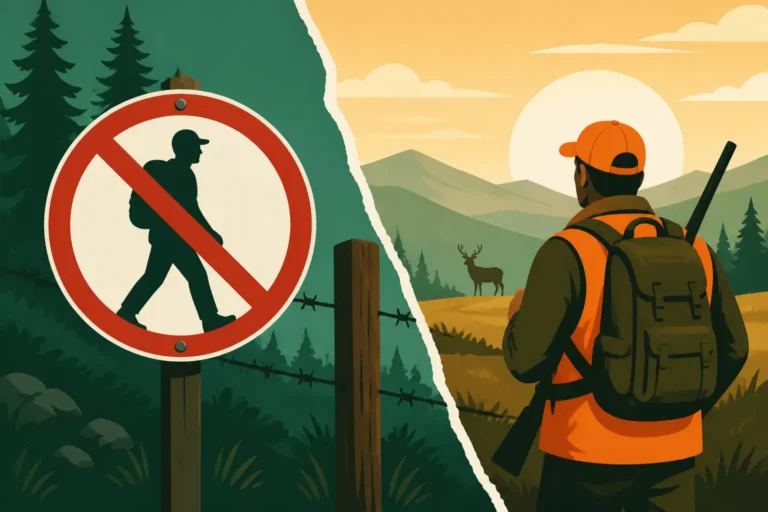
Always double-check your position using your mapping app before you step foot out of your vehicle, especially if you're in an area you're not intimately familiar with. If a boundary line is close, err on the side of caution. Give yourself a buffer. If you're on a road and see "No Trespassing" signs that you suspect belong to tribal lands, heed them. Do not assume that just because a gate is open or a sign is faded, you have permission. If you're unsure, turn around or find another access point. It's far better to lose an hour of hunting time than to face the repercussions of trespassing.
Remember, tribal lands are living, breathing communities. They are not just "hunting grounds." Be mindful of residences, cultural sites, and traditional use areas. If you encounter tribal members, be courteous and respectful. A simple "hello" and a genuine acknowledgment of their land can go a long way. Understanding and adhering to the guidelines in this article will not only help you stay legal but also ensure that you're hunting in a manner that upholds the integrity of our outdoor traditions and fosters positive relationships with all landowners in Washington. Always consider the potential impact of your actions and remember the importance of Getting Written Permission on Private Land for any non-public land within or near reservation boundaries.
Disclaimer
This article is for general informational purposes only and does not constitute professional advice. Laws, prices and regulations vary by location and change over time. Consult a qualified professional for guidance on your specific situation.