Hunting Near a Washington Reservation Line
One of the most anxiety-inducing scenarios for a Washington hunter is navigating the complex patchwork of land ownership, especially when it comes to the borders of tribal reservations. It's easy to get turned around, and nobody wants to inadvertently trespass or, worse, violate tribal hunting regulations. This guide is here to demystify hunting near reservation lines in Washington, helping you understand the rules, identify boundaries, and ensure your hunt is both legal and respectful.
Understanding Tribal Sovereignty and Hunting Rights
Hunting in Washington isn't just about understanding state regulations; it's also about recognizing the sovereign rights of tribal nations. Many treaties signed long ago reserved specific hunting and fishing rights for tribes within their traditional territories, and these rights are paramount. Ignoring or misunderstanding them can lead to serious legal consequences and a profound disrespect for indigenous culture and law.
Historical Context and Treaties
For centuries, the indigenous peoples of what is now Washington State have hunted and fished these lands. When treaties were negotiated with the U.S. government, many tribes explicitly reserved their rights to continue these practices, often in exchange for ceding vast territories. These treaties are not relics of the past; they are living documents that affirm tribal sovereignty and resource management today. For instance, tribes like the Yakama Nation, Spokane Tribe, Colville Confederated Tribes, and others have deeply rooted traditions and carefully managed wildlife resources within their lands, often guided by conservation principles that predate modern wildlife management. It’s a rich history that impacts every hunter who steps foot near these areas. You might be hunting in a state-managed GMU, but if that unit abuts a reservation, you’re essentially at the doorstep of a separate, sovereign jurisdiction with its own rules.
This historical context is crucial because it informs the current legal landscape. The Washington Department of Fish and Wildlife (WDFW) manages hunting on state and federal lands, but tribal governments manage hunting within their reservation boundaries. These are distinct legal frameworks. For example, a particular species might have a liberal bag limit on state land, but a much stricter limit or even a closed season on an adjacent reservation. Or, methods of take that are perfectly legal for you might be prohibited for tribal members, or vice-versa, depending on their specific cultural practices and inherent rights. This duality means a simple glance at the WDFW pamphlet isn't enough when you're close to a reservation. You need to be doubly diligent.
Washington State vs. Tribal Regulations
The fundamental difference to grasp is that Washington State laws apply to state and federal lands, while tribal laws apply within reservation boundaries. This isn't just about trespass; it's about potentially different seasons, bag limits, weapon restrictions, and even eligible species. For example, if you're hunting deer in a General Management Unit (GMU) that shares a boundary with the Colville Reservation, the minute you step across that line, you are subject to Colville tribal hunting regulations, not WDFW's. This could mean your Washington deer tag is invalid, or the deer you just harvested is out of season according to tribal law.
It’s not just a matter of legal jurisdiction; it's also about conservation philosophies. Many tribes have their own wildlife management departments, conducting surveys, setting seasons, and issuing permits that are entirely separate from state processes. They may prioritize different aspects of wildlife health or cultural harvest. Always remember that hunting on a reservation without proper tribal permits is considered poaching by tribal law enforcement and can result in severe penalties, including fines, confiscation of equipment, and even jail time. It’s not simply a WDFW violation; it’s a federal issue often involving tribal courts. To avoid any confusion, it’s best to understand Washington Tribal Land Boundaries before you even plan your trip.
Identifying Reservation Boundaries
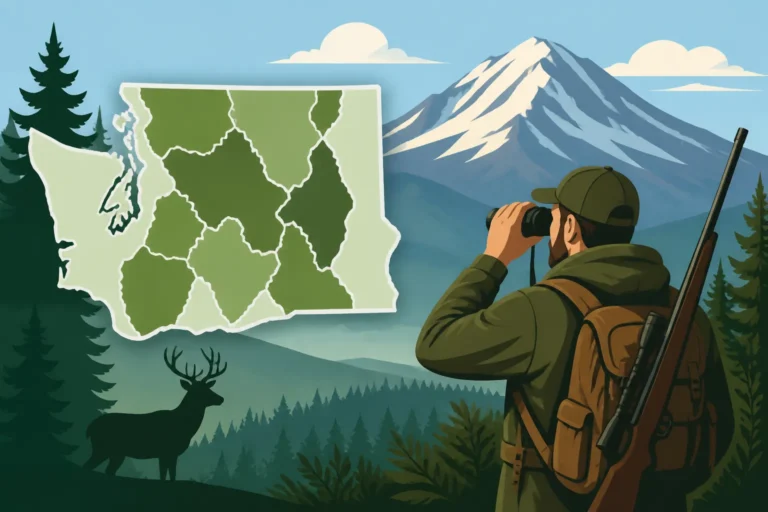
The most critical step to avoid issues is knowing exactly where these lines are. In rugged, forested, or expansive agricultural areas, these boundaries aren't always clear-cut on the ground. relying solely on physical markers can be a recipe for disaster.
Digital Mapping Tools for Precision
In the modern hunting world, digital mapping tools are your absolute best friend, especially when hunting near complex land ownership. Apps like onX Hunt have revolutionized how hunters understand land boundaries. These platforms overlay property lines, including tribal reservation boundaries, directly onto satellite imagery and topographic maps. This means you can see, in real-time, exactly where you are relative to these critical lines. Before you even leave home, you should be using these tools to identify the exact perimeter of the reservation in your chosen hunting area.
I always recommend doing a thorough E-scouting session. Zoom in, trace the boundaries, and mark waypoints at critical junctures. Download offline maps for your hunting area, because cell service is notoriously unreliable in many prime hunting spots. Don't just look at the main access points; investigate every nook and cranny where you might inadvertently cross over. GoHunt also provides valuable insights into hunting units and can often complement the detailed mapping provided by onX. Using these tools for E-Scouting Washington GMUs Before the Draw can save you a lot of headache in the field. When you're out there, keep your phone or GPS device handy and check your position frequently, especially when tracking game or moving through thick cover. A few steps can quickly take you from legal ground to tribal land, and ignorance is rarely an acceptable defense.
Physical Boundary Markers and Signs
While digital maps are indispensable, never rely solely on them. Always corroborate what you see on your screen with physical markers on the ground where possible. Reservation boundaries, especially in well-managed areas, are often marked with signage. You might see signs that explicitly state "Tribal Land," "No Trespassing," or "Hunting by Permit Only." Sometimes, the transition is indicated by changes in fencing, road quality, or even different timber management practices.
However, these signs can be sporadic, faded, or completely absent in remote or less-trafficked areas. Heavy snow, wind, or even vandalism can obscure them. This is why a multi-pronged approach is essential. Use your digital maps to get the lay of the land, then actively look for any physical indicators when you're in the field. If you encounter a boundary sign, take a mental note, or even better, mark it on your GPS. If you’re ever in doubt, err on the side of caution. It's far better to back out and verify your location than to push forward and risk a violation. Knowing Finding Property Lines on Washington Public Land is an invaluable skill everywhere, but particularly vital near reservations.
Navigating Access and Potential Overlap
Even with the best maps and intentions, the reality of hunting in broken topography can make these boundaries tricky. Understanding the implications of accidental trespass and how to proactively seek permission are paramount.
Accidental Trespass and Its Consequences
Picture this: you've been still-hunting for hours in dense Western Washington timber, perhaps near the Chehalis Reservation. You're focused on a fresh deer track, and the next thing you know, you're on a road you don't recognize, seeing a sign that clearly states "Chehalis Tribal Land – No Unauthorized Access." It's an easy mistake to make, especially when chasing game. Accidental trespass is still trespass, and tribal law enforcement, like any other law enforcement, has a duty to enforce their laws.
The consequences can range from a warning and being escorted off the property to citations, significant fines, and confiscation of your weapon, vehicle, or even your harvested game. Repeat offenses, or those involving a harvested animal, are taken much more seriously and can lead to federal charges. Moreover, such incidents damage the relationship between hunters and tribal communities. This isn't just about legality; it's about maintaining respect and ensuring access for everyone in the long run. Familiarize yourself with Trespass Law on Posted Washington Land which applies broadly, but understand that tribal lands have their own specific legal framework.
Seeking Permission and Understanding Protocols
For those interested in hunting on tribal lands, the process is usually specific and requires proactive engagement with the tribal government. You cannot simply use your state tag. Many tribes issue their own hunting permits, sometimes for a fee, and often with very specific rules, seasons, and eligible species that differ from WDFW regulations. These permits are typically obtained directly from the tribal fish and wildlife or natural resources department.
Don't just show up and expect to buy a permit on the spot, especially for big game. Research well in advance. Some tribes may have limited non-member hunting opportunities, or they might be reserved only for tribal members. The best first step is to visit the specific tribe's official website or call their natural resources department to inquire about their hunting regulations and permit application process. Be polite, respectful, and clear about your intentions. Remember, these are sovereign nations, and their rules are just as valid as Washington State's. This is similar to Getting Written Permission on Private Land, but with an added layer of sovereign jurisdiction.
Best Practices for Ethical Hunting Near Reservations
Hunting near tribal lands isn't just about following rules; it's about embodying a spirit of respect and understanding. Being a responsible hunter goes beyond avoiding fines; it means being a good neighbor and ambassador for the hunting community.
Respecting Cultural Heritage
Indigenous peoples have a deep, spiritual connection to the land and its wildlife, often extending back thousands of years. Their hunting traditions are not just recreational; they are fundamental to their cultural identity, sustenance, and ceremonial practices. When you hunt near a reservation, you are on the fringes of this rich heritage. This means being mindful of your actions, your noise levels, and your impact on the landscape. Avoid leaving trash, damaging property, or disturbing cultural sites if you happen to encounter them.
This respect also extends to the wildlife. Tribal nations often have their own sustainable management practices, focusing on the long-term health of the herds and the ecosystem. Your behavior as an outsider can impact their efforts. For example, if you push an elk herd off state land and onto a reservation, you could be impacting tribal hunters' opportunities or conservation goals. Always be aware of your surroundings and remember the broader context of the land you're enjoying.
Communication and Due Diligence
Before you head out, do your homework. This means not just identifying the boundaries on your onX Hunt app, but also checking the WDFW hunting regulations pamphlet for any specific notes or warnings about tribal land boundaries in your chosen GMU. It's rare, but sometimes special regulations or agreements between WDFW and tribes might apply to certain border areas. The Washington Big Game Pamphlet Release is your first resource.
If you have any specific concerns or questions about a particular boundary, don't hesitate to reach out to the relevant tribal natural resources department. A phone call in advance can clear up immense confusion and demonstrate your respect. Similarly, if you encounter tribal members hunting on their lands, extend courtesy and respect. A friendly nod or a wave goes a long way. This spirit of cooperation and mutual respect is what truly safeguards access for future generations and fosters positive relationships.
Here's a quick reference table for key distinctions:
| Feature | Washington State Lands (WDFW) | Tribal Reservation Lands (Tribal Government) |
|---|---|---|
| Governing Authority | Washington Department of Fish and Wildlife (WDFW) | Sovereign Tribal Fish & Wildlife Department |
| Licenses/Permits | State hunting license and species tags | Tribal hunting permits, separate from state |
| Regulations | WDFW Hunting & Fishing Regulations pamphlet | Specific Tribal regulations, often online or by call |
| Boundary Identification | Green Dot Roads, WDFW signage, digital maps | Digital maps, specific tribal signs, changes in land use |
| Enforcement | WDFW Enforcement, local law enforcement | Tribal law enforcement, potentially federal agencies |
| Consequences of Violation | State fines, license revocation, equipment seizure | Tribal fines, federal charges, equipment seizure, jail |
By being informed, proactive, and respectful, you can enjoy hunting in Washington's incredible landscapes while also honoring the sovereignty and traditions of its tribal nations.
Disclaimer
This article is for general informational purposes only and does not constitute professional advice. Laws, prices and regulations vary by location and change over time. Consult a qualified professional for guidance on your specific situation.