Washington Winter Range Closure Dates
It's incredibly frustrating to spend weeks scouting a prime hunting area in Washington, only to discover right before opening day that your chosen spot is suddenly off-limits. Or worse, you arrive with your gear packed, ready to hit the trail, and a "CLOSED" sign slaps you in the face. This guide is all about navigating those often-confusing winter range closure dates in Washington, helping you understand why they happen, when they impact your hunts, and how to stay informed so you're never caught off guard.
Why Washington Has Winter Range Closures
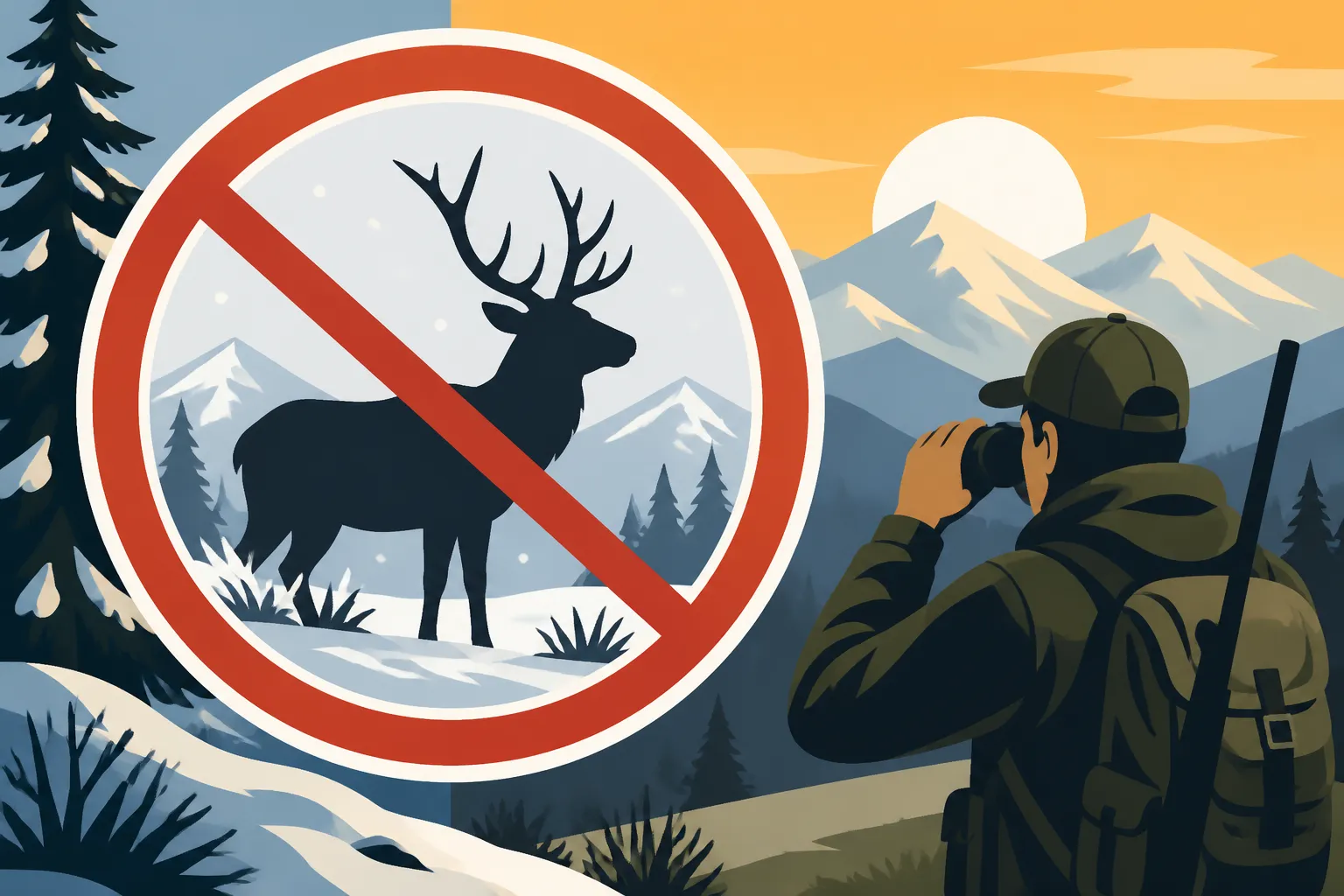
You might wonder why certain areas, especially in the higher elevations or specific critical wintering grounds, are suddenly locked down when the snow starts to fall. It's not just to make your hunting life harder, believe me. These closures are a crucial wildlife management tool, designed to protect our precious deer and elk populations when they are most vulnerable.
Protecting Vulnerable Wildlife
Think about it: when winter hits hard in Washington, especially east of the Cascades, deep snow covers food sources and freezing temperatures sap energy. Deer and elk, particularly the young, old, or those in poorer condition, are already teetering on the edge of survival. When they're pushed to lower elevations, often onto limited winter ranges, they're under immense stress. Any additional disturbance, whether it's from hunters, snowmobilers, or even just hikers, forces them to use up critical fat reserves. Imagine having to sprint away from perceived threats when you're already starving and freezing – it's a death sentence for many. These closures give them a sanctuary, a place where they can conserve energy and survive the harsh conditions without constant human pressure. It’s about ensuring there's a healthy herd to hunt in future seasons.
Habitat Preservation and Regeneration
It's not just about giving the animals peace and quiet; it's also about protecting the very ground they rely on. Winter ranges often have specific, delicate vegetation that provides essential forage during lean times. Heavy human traffic, especially with vehicles or even foot traffic compacting snow, can damage these critical plant communities. This damage can reduce future food availability, making it harder for the deer and elk to recover. By closing these areas, land managers allow the vegetation to remain undisturbed, regenerate, and be there for the wildlife year after year. It's a long-term investment in the health of the habitat, which directly supports larger, healthier game populations in the long run.
Reducing Human-Wildlife Conflict
Let's be real, winter brings wildlife closer to human-populated areas. Deer and elk, desperate for food, might move into agricultural fields, private properties, or even suburban fringes. Closures in designated winter ranges help keep these animals in more remote, designated areas, reducing instances of crop damage, vehicle collisions, and other undesirable interactions. It's a balancing act: we want healthy wildlife populations, but we also need to minimize the negative impacts on landowners and public safety. These closures, especially in transitional zones between summer and winter ranges, play a significant role in managing these potential conflicts before they escalate. It’s a way to keep both people and wildlife safer during the toughest months.
Understanding Washington's Winter Range Closure Dates
The phrase "winter range closure dates" sounds like a simple, fixed calendar event, right? Oh, if only it were that easy! In Washington, it's far more nuanced, varying greatly depending on the specific location and the severity of the season.
Varying Dates by GMU and Specific Area
One of the biggest headaches for Washington hunters is that there isn't a single, statewide winter range closure date. It's a patchwork quilt of regulations. Each Game Management Unit (GMU), or even specific areas within a GMU, can have its own designated closure periods. For instance, a critical mule deer wintering ground in a unit like the Colockum might close much earlier and stay closed longer than a less critical area in, say, the Blue Mountains. This variation is usually tied to the specific needs of the local wildlife populations and the historical patterns of snow accumulation and spring green-up in that particular region. Some areas might have fixed calendar dates, like "December 1st to April 30th," while others might be more flexible, based on observed snow depth or wildlife movement. This means you can't just assume what applies to one area will apply to another, even if they're relatively close. It demands a hyper-local approach to planning.
Identifying Closed Areas on Maps
This is where your mapping tools become absolutely indispensable. Gone are the days of just relying on a paper map from the local ranger station (though those are still useful for general orientation!). Modern tools like onX Hunt are invaluable here. They often have specific layers that show WDFW or Forest Service winter range closures, depicted with clear boundaries and sometimes even the dates of restriction. You can pull up your planned hunting unit, toggle on these layers, and immediately see if your favorite drainage or ridge is going to be closed. Similarly, GoHunt can provide similar mapping features and crucial data points. Many a hunting plan has been saved (or completely re-routed) by checking these maps well in advance. Don't just look for general GMU boundaries; zoom in and look for those specific "no access" polygons that indicate a winter range closure. This is also where you'll often find specific road closures, which often go hand-in-hand with winter range protections. Downloading Washington GMU Maps and understanding onX Layers for Washington Land Status can really help here.
Temporary and Emergency Closures
Adding another layer of complexity are the temporary and emergency closures. While many winter ranges have established annual dates, severe weather events can trigger unforeseen changes. A sudden, heavy snowfall in late fall, or an unseasonably cold snap that locks up the ground, might lead to an earlier than anticipated closure. Conversely, a mild winter might see some areas open a bit later into the spring. These emergency closures are often put in place to react to immediate threats to wildlife survival. For example, if a significant number of deer or elk are observed struggling in a particular area due to extreme cold and starvation, managers might enact an immediate closure to give them a fighting chance. These types of closures are typically announced through official WDFW press releases, Forest Service alerts, or by visible signage at access points. It's crucial to understand that even if you've checked the annual pamphlet, you need to stay current on these last-minute changes, especially if you're hunting late in the season. Checking Washington Road Closures Before You Go should be a regular part of your pre-hunt routine.
Impact on Hunters and Access Strategies
Winter range closures, while essential for wildlife, can throw a real wrench into your hunting plans. It forces you to think differently about scouting, timing, and even your go-to hunting spots. But with a bit of foresight, you can adapt and still have a successful, ethical hunt.
Planning Your Hunt Around Closures
The first step in dealing with winter range closures is knowing they exist for your target area. This requires proactive planning, often months before the season even opens. When you're poring over the WDFW hunting regulations pamphlet or using your digital maps, pay close attention to the fine print for specific GMUs. Look for mention of "motorized vehicle restrictions," "seasonal road closures," or "winter range access limitations." If your preferred hunting spot falls within a commonly closed winter range, you need to develop alternative plans. This might mean shifting your hunting dates earlier in the season before closures typically take effect, or scouting completely different areas that remain open. For example, if you typically hunt a high-elevation basin for mule deer in late November, and that basin is known to close on December 1st, you might need to focus your efforts on the early rifle season or consider different units entirely. It's about being flexible and having a Plan B, or even a Plan C. Understanding Washington General Season Versus Special Permit Hunts can also inform your choices.
Alternative Hunting Areas
When your favorite spot is locked down, it's time to explore new territory. This is where a good understanding of Washington's diverse landscape really pays off. If the high country is closed, consider shifting your focus to lower-elevation public lands, such as state Department of Natural Resources (DNR) lands or areas within national forests that aren't designated as critical winter range. Sometimes, these lower areas, especially those with good thermal cover and south-facing slopes, will hold animals that have been pushed down by the snow. It's an opportunity to discover new hunting grounds and broaden your skills. You might find success in timbered canyons or brushy draws that you previously overlooked. For those willing to put in the legwork, exploring Washington Public Land Hunting: Forest, DNR and BLM can reveal overlooked opportunities. Don't be afraid to leave your comfort zone; sometimes, closures can lead to discovering even better spots.
Scouting and E-Scouting Considerations
Closures fundamentally change how you approach scouting. If you know a crucial piece of winter range will be closed during your hunt, you need to focus your pre-season scouting on the transitional areas just outside those boundaries. Where do the animals funnel out of the winter range? What escape routes do they take? Where do they feed and bed once they've been pushed down by snow? Using satellite imagery tools like onX Hunt or the web-based mapping on GoHunt can help you identify these transition zones, pinch points, and lower-elevation food sources from home. Look for south-facing slopes that melt out faster, benches with good cover, or areas adjacent to private lands where animals might seek refuge. You're essentially trying to predict their movement patterns based on the likely snow line and access restrictions. This e-scouting can save you countless miles of wasted boot leather and help you pinpoint productive areas that are still legally accessible.
Finding Current Closure Information
Knowing where to look for accurate, up-to-the-minute information on winter range closures is half the battle. Relying on outdated information can lead to a wasted trip or, worse, inadvertently violating regulations.
WDFW Resources
The Washington Department of Fish and Wildlife (WDFW) is your primary source for official hunting regulations, including information on winter range closures. Their annual hunting pamphlets are a must-read, detailing season dates, weapon restrictions, and often, general winter range closure periods for specific GMUs. However, remember these pamphlets are printed once a year, so always cross-reference with their website. The WDFW website often has dedicated sections for road closures, emergency regulation changes, and specific winter range restrictions, updated more frequently. Look for maps and announcements under the "Hunting & Fishing" or "Wildlife Areas" sections. Signing up for WDFW email alerts can also be a game-changer, as these often notify hunters of last-minute changes or emergency closures. The Washington Big Game Pamphlet Release is a critical date for every hunter.
Forest Service and DNR Websites
Many of Washington's prime hunting areas fall within National Forests or state Department of Natural Resources (DNR) lands. These agencies also manage significant road systems and critical habitats. Therefore, their websites are equally important resources for closure information. For National Forests (like Okanogan-Wenatchee, Gifford Pinchot, or Colville), visit the specific forest's website. They will have sections dedicated to "Road Conditions," "Alerts & Notices," or "Recreation Closures" where you can find details on gate closures, snow depths, and designated winter non-motorized areas. Similarly, the Washington DNR website has maps and updates regarding access to their lands, including any seasonal closures. Often, winter range closures involve specific roads or motorized access points, so checking these land management agencies' sites is crucial to understanding exactly how you can (or cannot) access an area. A good starting point is researching Washington DNR Land Open to Hunting for your intended GMU.
Checking Local Signage and Alerts
Finally, don't underestimate the importance of local, on-the-ground information. Even with all the online research, signage at trailheads, forest access roads, and popular entry points can provide the most current information. Always keep an eye out for "Area Closed," "Road Closed," or "Winter Range Boundary" signs. These signs are there for a reason and are legally binding. Furthermore, talking to local residents, forest rangers, or other hunters can sometimes provide invaluable intel on current conditions and unannounced changes. Sometimes, a temporary closure might be implemented faster than it can be updated online. Always respect these physical postings. The table below summarizes key sources for closure information:
| Information Source | Type of Information Provided | Frequency of Updates | Best Use Case |
|---|---|---|---|
| WDFW Hunting Pamphlet | General season dates, GMU regulations, broad closure periods | Annually (July/August release) | Initial planning and understanding legal framework |
| WDFW Website (alerts) | Emergency closures, late-breaking changes, specific GMU maps | Daily/Weekly as needed | Verifying current status before and during a hunt |
| Forest Service Websites | Road conditions, specific forest closures, snow depths | Weekly/Bi-weekly in season | Access planning for National Forest lands |
| Washington DNR Websites | DNR land access, road closures, property-specific rules | Weekly/Bi-weekly in season | Access planning for State DNR lands |
| onX Hunt / GoHunt | Digital map layers for closures, private/public land status | Frequently updated | E-scouting, real-time navigation, avoiding trespass |
| Local Signage | On-the-ground current status, emergency closures | As conditions change | Final verification at access points |
Ultimately, being a responsible hunter in Washington means staying informed about winter range closures. It's about respecting the wildlife, the land, and the regulations that ensure healthy populations for future generations to enjoy. Don't let a closure surprise ruin your hunt; let it empower you to find new adventures and become an even more knowledgeable outdoorsperson.
Disclaimer
This article is for general informational purposes only and does not constitute professional advice. Laws, prices and regulations vary by location and change over time. Consult a qualified professional for guidance on your specific situation.