Muzzleloader Gear for Washington Seasons
Navigating the world of muzzleloader hunting in Washington can feel like a labyrinth, especially with our state's unique regulations and incredibly diverse terrain, ranging from the soaking wet rainforests of the Olympic Peninsula to the dry, cold, sagebrush flats of Eastern Washington. It’s not just about having a muzzleloader; it's about having the right muzzleloader and the right supporting gear tailored to your specific hunt and the often-challenging conditions you'll face. This comprehensive guide is here to cut through the confusion, helping you equip yourself properly so you can focus on the hunt, not on gear malfunctions or regulatory mishaps.
Understanding Washington's Muzzleloader Regulations
Before you even think about what kind of muzzleloader you'll carry into the Washington woods, you absolutely must wrap your head around our state's specific regulations. These rules are not just suggestions; they are strictly enforced and exist for a reason, often to maintain fair chase principles or manage specific seasons. Ignoring them could cost you your harvest, your license, or worse. The Washington Department of Fish and Wildlife (WDFW) sets out clear guidelines, and they are critical to your success and legal compliance.
Washington's Equipment Rules for Muzzleloaders
Let's be clear: Washington has some distinct regulations that differ from other states, especially regarding optics and ignition systems. You can’t just grab any muzzleloader off the shelf and expect it to be legal for a special muzzleloader season. Our state aims to provide a distinct challenge for muzzleloader hunters, often limiting technology to create a more traditional hunting experience. This means careful attention to detail when purchasing or modifying your setup.
For instance, Washington's Muzzleloader Equipment Rules state explicitly what is allowed. Generally, during a dedicated muzzleloader season, you’re limited to open sights or a peep sight. Scopes are typically prohibited for big game muzzleloader hunts in Washington, which is a big deal for many hunters used to modern optics. This means practicing with your chosen sighting system is paramount, often at shorter, more realistic ranges. Also, you'll need to use a single projectile loaded from the muzzle, and specific ignition types are mandated, usually percussion caps or flintlock mechanisms. Understanding these nuances before you buy or sight in your rifle is crucial to avoiding disappointment in the field.
Legal Caliber and Projectile Requirements
Beyond the sighting system, the actual firepower of your muzzleloader is also regulated. Washington sets minimum caliber requirements for big game, which means you can’t just go out with a .32 caliber squirrel rifle for elk. For deer and elk, you’ll need a minimum of a .45 caliber muzzleloader. This rule ensures that your projectile carries sufficient energy to humanely harvest larger game animals.
When it comes to projectiles, the rules are also specific. You must load a single projectile from the muzzle. This generally means traditional lead balls, conical bullets, or saboted bullets are all fair game, as long as they meet the caliber requirement. However, understanding your projectile is more than just legality; it's about performance. A heavy, large-diameter conical bullet might be perfect for dense timber elk, offering tremendous knockdown power at closer ranges, while a lighter, faster sabot might be more accurate for longer shots on a mule deer in open country. Always double-check the current WDFW regulations for any changes to caliber or projectile rules, as these can be updated periodically.
Choosing Your Muzzleloader: Type, Caliber, and Ignition
The heart of your muzzleloader setup is, of course, the rifle itself. With several types available, each offering its own blend of tradition, performance, and quirks, making the right choice for Washington's diverse hunting opportunities requires some thought. Are you leaning into the deep tradition of a flintlock, or are you seeking the reliability of a modern inline? Your choice will dictate not only your hunting style but also the gear you’ll need to support it.
Traditional vs. Inline Muzzleloaders
When you walk into a sporting goods store or browse online, you'll quickly notice a divide: traditional and inline muzzleloaders. Traditional muzzleloaders, often cap and ball revolvers or flintlocks, offer a connection to hunting history. Flintlocks, with their distinctive flash-in-the-pan ignition, are a testament to patience and skill. Percussion cap rifles, while a step more modern, still require external caps and often feature exposed hammers and classic rifle aesthetics. These guns demand a certain level of commitment to their maintenance and loading process, but they offer immense satisfaction when a hunt comes together. They are often less forgiving in wet weather, requiring meticulous care to prevent misfires.
Inline muzzleloaders, on the other hand, are the modern workhorses of the black powder world. Their ignition system is inline with the powder charge, typically using a 209 shotshell primer for reliability and weather resistance. This design often allows for faster loading, easier cleaning, and significantly better accuracy out of the box, pushing the effective range further than most traditional designs. Brands like Thompson/Center, CVA, and Traditions offer a wide range of inline options. While they might not carry the same historical charm, their performance and reliability, especially in Washington's often miserable weather, make them a popular choice for many hunters. They simplify the process, allowing newer hunters to focus more on hunting skills and less on the intricacies of their firearm.
Ignition Systems and Their Impact
The ignition system of your muzzleloader is arguably the most critical component, especially in Washington. We've already touched on it, but it bears repeating: Muzzleloader Ignition Types Washington Allows are specific. Flintlocks use a piece of flint striking a frizzen to create a spark, igniting powder in a pan, which then flashes through a touch-hole to the main charge. It's primitive, beautiful, and absolutely vulnerable to rain and humidity. Carrying dry priming powder and keeping the pan covered are constant concerns.
Percussion caps are more reliable. These small caps, containing a primer compound, are placed on a nipple at the breech. The hammer strikes the cap, igniting the powder. They are less sensitive to light rain but can still struggle in a downpour if not protected. Inlines, with their sealed 209 primers, offer the most weather resistance. The primer is encased, protecting it from moisture, making them a top choice for a late-season deer hunt in a soaking Western Washington forest. When choosing, consider not just legality, but also the typical weather conditions of your preferred hunting grounds and your tolerance for potential misfires due to moisture.
Barrel Twist Rates and Projectile Compatibility
Beyond the rifle type and ignition, the barrel's twist rate is a crucial, though often overlooked, factor in accuracy. The twist rate refers to how many inches of barrel it takes for the rifling to make one complete revolution (e.g., 1:28" means one twist per 28 inches). This rate is designed to stabilize specific projectile types and weights.
Traditional muzzleloaders often have slower twist rates (e.g., 1:60" or 1:70"), which are ideal for stabilizing round balls or shorter, heavier conical bullets. Trying to shoot a modern, aerodynamic sabot from a slow-twist barrel will often result in poor accuracy. Conversely, most modern inline muzzleloaders feature faster twist rates (e.g., 1:28" or 1:32"), perfectly suited for stabilizing longer, lighter saboted bullets and modern conical designs. If you plan to shoot sabots, ensure your barrel has a faster twist rate. If you prefer heavier, full-bore conicals, a slightly slower twist might give better results. Matching your projectile to your barrel's twist rate is fundamental to achieving consistent accuracy, especially when you're trying to make a clean shot on a Washington elk.
Projectiles, Powder, and Primers: The Ammunition Puzzle
Once you've settled on your muzzleloader, the next big hurdle is choosing the right "ammunition" – which, in this case, means meticulously selecting your projectiles, powder, and primers. Unlike cartridge firearms where you buy a complete round, muzzleloading requires you to assemble these components yourself. Each choice impacts accuracy, power, and reliability in the field, and a poor combination can turn a promising hunt into a frustrating lesson. This is where understanding how these elements interact truly pays off.
Selecting the Right Projectile for Washington Game
As we touched on, Washington mandates a minimum .45 caliber for big game. But within that, you have a plethora of options: patched round balls, full-bore conicals, and saboted bullets. Each has its strengths and weaknesses. Patched round balls are traditional and very accurate at closer ranges with the right load, often preferred for deer in timber, but lack the kinetic energy and ballistic coefficient for larger animals or longer shots.
Full-bore conicals, like the Hornady Great Plains or Thompson/Center Maxi-Ball, offer a substantial increase in weight and frontal area over round balls. They deliver excellent penetration and terminal performance on larger animals like elk, especially at moderate ranges. They're often a great choice for hunters who want to avoid plastic sabots but need more power than a round ball. However, they require careful sizing to your bore and can be less accurate than sabots at longer distances. Saboted bullets, on the other hand, encapsulate a smaller, often jacketed bullet (like a .40 or .44 caliber pistol bullet) in a plastic sabot that engages the rifling. These can be incredibly accurate and offer superior ballistic performance, making them popular for mule deer in Eastern Washington's open country or for hunters seeking extended range. Brands like Barnes Expander MZ or Hornady SST-ML offer excellent saboted options. Just remember to check your twist rate for optimal sabot performance.
Understanding Black Powder and Substitutes
The propellant you choose is just as critical as your projectile. Traditionally, true black powder (like Goex or Schuetzen) was the only option. It's potent and consistent, but it's also corrosive, requires rigorous cleaning, and is sensitive to moisture. It also produces a prodigious amount of smoke, which can obscure your view for a follow-up shot. True black powder comes in different granulations (Fg, FFg, FFFg, FFFFg), with FFFg typically used for rifles.
However, most modern muzzleloader hunters, especially in Washington, opt for black powder substitutes. These are less corrosive, produce less smoke, and are often less sensitive to moisture, making them far more convenient for field use. Popular brands include Hodgdon Triple Seven, Pyrodex, and IMR White Hots. Each has slightly different burning characteristics and cleaning requirements, so it’s wise to experiment to find what performs best in your rifle. Triple Seven, for example, is often praised for its consistency and clean burn. Pyrodex is a traditional favorite, but it's still quite corrosive and needs immediate cleaning. Modern pellets, like those from Hodgdon or IMR, offer even more convenience, providing pre-measured charges that simplify loading, which can be a huge advantage when reloading in the field. Always consult your muzzleloader's manual for recommended powder types and maximum loads, and never mix different types of powder.
Primers: The Spark of Success
Finally, you need the primer, which ignites your powder charge. For traditional percussion cap rifles, you’ll typically use either #10 or #11 percussion caps, sometimes magnum versions for better reliability in cold or wet weather. Flintlocks require a fine priming powder in the pan.
For modern inline muzzleloaders, the 209 shotshell primer is the standard. These are highly reliable and offer excellent ignition, even in challenging conditions. Some companies offer "muzzleloader specific" 209 primers (e.g., CCI Muzzleloader Primers or Winchester W209 shotshell primers), which are slightly less potent than standard shotshell primers. This reduced power is designed to prevent bullet jump before the main charge fully ignites, a common issue with super-hot shotshell primers and lighter loads. Experiment with a few brands to see which offers the most consistent ignition and best accuracy in your specific rifle. Just remember, keeping your primers dry is non-negotiable for a successful hunt.
| Component | Traditional Muzzleloaders (Flintlock/Percussion) | Inline Muzzleloaders (209 Primer) |
|---|---|---|
| Projectiles | Patched Round Balls, Heavy Conical Bullets | Saboted Bullets, Modern Conicals |
| Powder | True Black Powder (FFg, FFFg), Pyrodex | Black Powder Substitutes (Triple Seven, Pyrodex, Pellets) |
| Ignition | Flint & Pan Powder, #10/#11 Percussion Caps | 209 Shotshell Primers (standard or muzzleloader specific) |
| Twist Rate | Slower (1:48" – 1:70") | Faster (1:28" – 1:32") |
| Weather Reliability | Low to Moderate | High |
| Cleaning | Frequent & Thorough (Corrosive Powder) | Moderate (Less Corrosive Substitutes) |
Optics and Sighting Systems for Washington Muzzleloading
When it comes to sighting in your muzzleloader for Washington, it’s not just about what helps you see the target; it’s about what’s legal and what’s practical for the specific conditions you’ll encounter. Unlike modern centerfire rifles that often sport powerful variable optics, muzzleloader hunting in Washington generally restricts you to simpler, more traditional sighting systems during dedicated seasons. This limitation requires a different approach to practice and target acquisition, emphasizing fundamental marksmanship over advanced optical features.
Open Sights and Peep Sights
For most dedicated muzzleloader seasons in Washington, you'll be relying on open sights or peep sights. Open sights consist of a front blade or bead and a rear notch. They are basic, durable, and effective at closer ranges, typically out to 75-100 yards, which is often the reality in the dense timber of Western Washington or when still-hunting a clearcut. The challenge with open sights is precise aiming, especially in low light or on smaller targets at distance. Practice is key to quickly acquiring a sight picture and ensuring consistent shot placement. You'll need to learn to align three points: the rear sight, the front sight, and the target, which can be difficult under pressure.
Peep sights offer a significant advantage over open sights for many hunters. They consist of a small aperture (the "peep") at the rear and a front post. Your eye naturally centers the front post in the peep hole, simplifying the aiming process to just two points: the front sight and the target. This makes them faster to acquire, often more accurate, and much better in low light conditions than traditional open sights. Many traditional-style muzzleloaders can be fitted with a peep sight, which can greatly improve your practical accuracy without violating Washington's scope restrictions. Consider models from companies like Williams or Lyman. They can transform your shooting confidence, especially on longer shots in open areas or when light starts to fade during a crucial evening hunt.
Why Washington Restricts Muzzleloader Scopes
It can be frustrating for hunters accustomed to modern firearms to learn that Why Washington Restricts Muzzleloader Scopes during most muzzleloader-only seasons. The primary reason often cited by wildlife agencies, including WDFW, is to maintain the primitive nature of the hunt and to level the playing field, making it a distinct challenge from modern firearm seasons. The idea is to embrace the historical limitations of these firearms, which inherently limit effective range and require greater hunting skill to get closer to game.
This restriction means your focus shifts dramatically. Instead of relying on magnification to identify and place a shot on a distant animal, you become a better stalker, a more patient observer, and a master of your surroundings. You need to close the distance, understand wind, and truly gauge range with your naked eye, or with a basic rangefinder (which is usually legal). This limitation forces hunters to hone skills that are perhaps overlooked in modern hunting, leading to a more profound connection with the traditions of the hunt. It's a mindset shift, but one that can lead to incredibly rewarding experiences.
Essential Accessories for Muzzleloader Hunters
A muzzleloader rifle itself is only one piece of the puzzle; a successful hunt in Washington, especially with the unique demands of black powder, hinges on a host of essential accessories. These aren't just niceties; they are critical tools for safe operation, reliable ignition, field repairs, and efficient loading. Neglecting these can turn a minor issue into a hunt-ending catastrophe, particularly when you’re miles deep in Washington’s backcountry or facing inclement weather.
Loading and Cleaning Tools
Muzzleloading requires a specific set of tools just to get your shot off and then to maintain your rifle. A sturdy loading rod is paramount. While most muzzleloaders come with one, an aftermarket, heavier-duty rod (often made of fiberglass or aluminum) is invaluable, especially if you’re using tight-fitting projectiles or need to seat a bullet from an awkward position. Having an extra range rod or sectional cleaning rod in your pack can be a lifesaver if your primary rod breaks or gets stuck.
You’ll also need a bullet starter (a short rod with a handle) to get your projectile squarely into the muzzle and past the initial rifling without damaging it. Nipple wrenches are essential for percussion caps, allowing you to remove and clean the nipple, which can get fouled with powder residue. Small brass or plastic powder measures are critical for precise and consistent powder charges, directly impacting accuracy. For cleaning in the field or back at camp, you'll need patches, a bore brush, a cleaning jag, and cleaning solvent, preferably one designed for black powder or substitutes. Don't forget a small rag or two. Cleaning a Muzzleloader in Camp is a skill you'll need, especially after a long, wet hunt where corrosion can quickly set in.
Carrying and Protecting Your Muzzleloader
Washington weather is notoriously unpredictable, so protecting your muzzleloader from the elements is non-negotiable. A good quality, padded rifle sling will make carrying your often-heavier muzzleloader much more comfortable, especially during long stalks or hikes into remote areas. For actual protection, consider a soft rifle case that can be easily strapped to a pack or carried by hand to and from your vehicle.
More importantly, in the field, you need to keep your muzzleloader dry. A common and effective method is using a "muzzle condom" – a simple piece of latex or plastic that covers the muzzle, preventing rain, snow, or debris from entering the barrel. For the breech and action, especially with percussion caps or flintlocks, a small piece of inner tube or a specialized action cover can keep crucial components dry. Keeping a Muzzleloader Dry in Washington Rain is perhaps one of the most vital aspects of gear preparation. A waterproof gun bag or even a garbage bag can provide quick protection during heavy downpours or when crossing a stream, ensuring your shot isn't compromised by moisture.
Field Repair and Emergency Gear
Things can and do go wrong in the field, and with a muzzleloader, minor issues can quickly escalate. A small, comprehensive field repair kit is a wise investment. This should include spare nipples, an extra flint for flintlocks, a few extra percussion caps or 209 primers (stored in a waterproof container), and a multi-tool with screwdrivers to tighten loose screws or make minor adjustments. A small bottle of bore oil can help prevent rust if your rifle gets soaked.
Beyond rifle-specific items, never head into Washington’s wild places without general emergency gear. A first-aid kit, fire-starting materials (waterproof matches, lighter, fire starter), a headlamp or flashlight, navigation tools (GPS device with downloaded maps, compass, map – perhaps utilizing a digital mapping system like GoHunt for detailed GMU overlays), and emergency shelter are all non-negotiables. A fully charged power bank for your phone or GPS is also a smart addition. When you're dealing with a single-shot firearm and potentially challenging conditions, being self-reliant is key.
Staying Dry and Prepared in Washington's Diverse Weather
Hunting in Washington means embracing the elements, and often, those elements are wet and cold. From the relentless drizzle of the Olympic rainforest to the bitter, damp cold of the Eastside's late-season hunts, your personal gear for staying dry and comfortable is just as critical as your rifle and ammo. Hypothermia is a real threat, and miserable hunters rarely make good shots or stay in the field long enough for success.
Effective Rain Gear and Layering Systems
Forget those cheap plastic ponchos; they won't cut it for serious hunting in Washington. You need durable, waterproof, and breathable rain gear. Look for jackets and pants made from Gore-Tex, eVent, or similar high-quality membrane fabrics. Pay attention to features like full-zip legs on pants for easy on/off over boots, pit zips on jackets for ventilation, and an adjustable hood that allows for full visibility. While quietness is important, in a downpour, the sound of rain might mask any fabric noise, so prioritize waterproof integrity above all else. Brands like Sitka, Kuiu, or even solid outdoor brands like Marmot or Outdoor Research make gear that can stand up to Washington's abuse.
Underneath your rain gear, a proper layering system is crucial. Start with a moisture-wicking base layer (merino wool or synthetic, never cotton) to pull sweat away from your body. Next, an insulating mid-layer (fleece or puff jacket) provides warmth. Finally, your outer rain shell protects from the elements. This system allows you to adapt to changing temperatures and activity levels. Layering for Wet Cold Weather isn't just a comfort thing; it's a safety measure, ensuring you can regulate your body temperature and avoid dangerous drops in core warmth, especially if you get wet and the temperature drops.
Boots for Washington's Terrain
Your feet are your foundation in the field, and poor footwear can quickly ruin a hunt. Washington's terrain demands robust boots. On the west side, you'll encounter thick mud, slippery moss, and constant moisture. Here, you need waterproof boots with aggressive traction and good ankle support, often with a taller shaft to keep water out. Full leather boots, properly treated and maintained, or high-quality synthetic boots with Gore-Tex liners are excellent choices.
For Eastern Washington's steep, rocky, and often frozen terrain, durability and rigidity become paramount. Boots with a stiffer sole offer better support and protection from sharp rocks, essential when navigating scree slopes or scrambling over downed timber. Insulation levels will vary depending on the season you're hunting; late-season hunts demand more insulation. Regardless of where you hunt, make sure your boots are well-broken in before opening day. Blisters are debilitating, and you don’t want to be limping miles into a Colockum GMU or a Blue Mountains Elk Herd hunt. Always wear good quality wool or synthetic socks, and consider carrying a spare pair to change into if your feet get wet.
Field Care and Maintenance for Muzzleloaders
The moment of truth – taking an animal – isn't the end of the hunt, especially when you're using a muzzleloader. Proper field care of your firearm and meat handling are critical to a successful and ethical harvest. Muzzleloaders, particularly traditional ones using corrosive black powder, demand immediate attention to prevent rust and maintain their functionality. And getting that hard-earned meat off the mountain swiftly and safely is always the ultimate goal.
Immediate Muzzleloader Cleaning and Care in the Field
After firing, especially with true black powder, residue immediately starts to corrode the barrel. Even with substitutes, moisture and fouling can cause problems. As soon as you can safely do so after a shot, and definitely once you’re back at camp or your vehicle, perform some basic field cleaning. A quick swab down the barrel with a patch soaked in a water-based cleaner (like plain water with a little dish soap, or a dedicated black powder solvent) followed by a dry patch and then an oiled patch, can prevent significant rust. Cleaning a Muzzleloader in Camp becomes a routine ritual. Pay close attention to the breech area, the nipple, and around the firing pin.
If you’re hunting in persistent rain, it’s not just post-shot care that matters; it’s preventative measures throughout the day. Regularly wipe down the external surfaces of your rifle with an oily rag. Ensure your muzzle is capped, and if using a percussion or flintlock, protect the ignition area. Even if you don’t fire, a wet day can invite rust. The goal is to get all moisture and corrosive fouling out of the barrel and off the metal surfaces as quickly as possible. This is especially true for late-season hunts where temperatures hover around freezing, and moisture can be pervasive.
Getting Your Game Out and Processed
Successfully taking an animal with a muzzleloader means you’ve already faced one significant challenge; now comes another: getting it off the mountain. This part of the hunt is universal, regardless of weapon, but planning for it is key. You'll need game bags (synthetic ones are best, as they are breathable and won’t rot) to protect the meat from flies and dirt. A sharp knife, bone saw, and perhaps a replaceable blade knife are essential for field dressing or quartering.
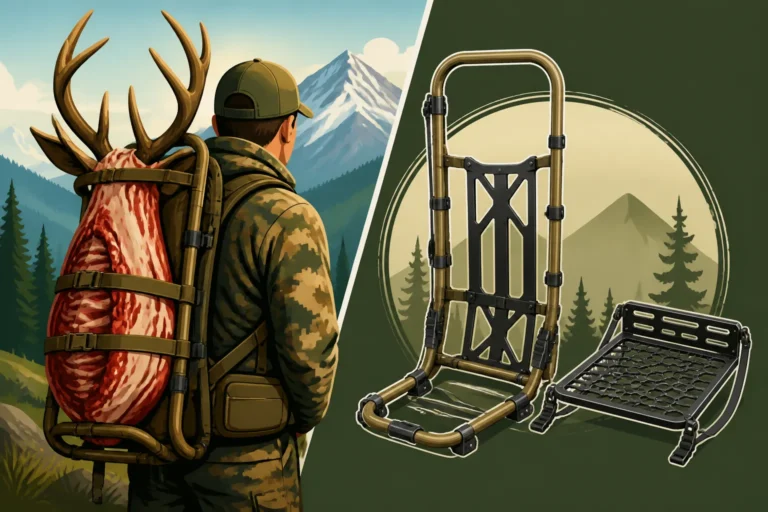
If you're hunting in warmer early-season weather, cooling the meat quickly is paramount. Field Dressing in Warm Early-Season Weather means getting the hide off and the carcass opened up as fast as possible to dissipate body heat. Consider the "gutless method" for larger animals like elk, which allows you to quarter the animal and pack it out without removing the entrails, potentially saving weight and time in the field. A sturdy pack frame is invaluable for hauling heavy quarters, especially out of steep, rugged Washington terrain. Planning your route, knowing your physical limits, and having a game plan for extraction are just as important as shot placement.
Budgeting for Your Washington Muzzleloader Setup
Let's be real, hunting can be an expensive hobby, and a muzzleloader setup is no exception. While you might save a bit compared to some high-end centerfire rifles, there are still significant costs involved. However, you don't need to break the bank to get effective, reliable gear. With careful planning and smart choices, you can put together a formidable Washington muzzleloader setup without emptying your wallet.
Cost-Effective Muzzleloader Options
The good news is that there are many quality muzzleloaders available at various price points. You don't necessarily need the most expensive model to be successful. Entry-level inline muzzleloaders from brands like CVA (Durasight, Optima V2) or Traditions (Pursuit, Vortek) offer excellent accuracy and reliability for a reasonable cost. These often come as packages, sometimes including a basic scope (which you might remove for Washington's specific seasons). Look for sales at your local sporting goods store or online retailers. Sometimes, even used muzzleloaders in good condition can be a fantastic deal, but always have a knowledgeable gunsmith check them out before you buy.
Traditional muzzleloaders can also be quite affordable, especially if you start with a simple percussion cap rifle. Flintlocks tend to be more specialized and can command higher prices. Remember, the investment is not just in the rifle but in your ability to shoot it. A less expensive, well-practiced rifle will always outperform a high-end rifle that collects dust in the safe. Focus your budget on the rifle, quality sights, and plenty of practice ammunition.
Prioritizing Essential Gear Over Luxuries
When you’re building your gear list, it's easy to get caught up in the latest gadgets. But for muzzleloader hunting in Washington, especially if you’re on a budget, prioritize the essentials. Your rifle, legal sights, reliable powder and projectiles, and good rain gear should be at the top of your list. These are the components that directly contribute to your ability to hunt safely and effectively.
Things like premium optics (which are often restricted anyway), fancy range bags, or specialized cleaning tools can wait. Instead, invest in solid boots that fit well, quality base layers, and a dependable pack. These items improve your comfort and endurance, which are priceless in Washington's challenging environment. Consider borrowing or renting certain items, like a heavy-duty pack frame, if you only plan to use it once or twice. Many seasoned hunters have spare gear they might lend to a newcomer. Also, remember that useful tools like a detailed topographical map, easily accessed through services like GoHunt for specific GMUs, are an investment in your knowledge, not just another piece of gear. GoHunt's mapping layers can help you identify public land, winter range closures, and potential access points, saving you valuable time and effort during scouting and hunting.
Disclaimer
This article is for general informational purposes only and does not constitute professional advice. Laws, prices and regulations vary by location and change over time. Consult a qualified professional for guidance on your specific situation.