Game Bag Fabric and Fly Protection
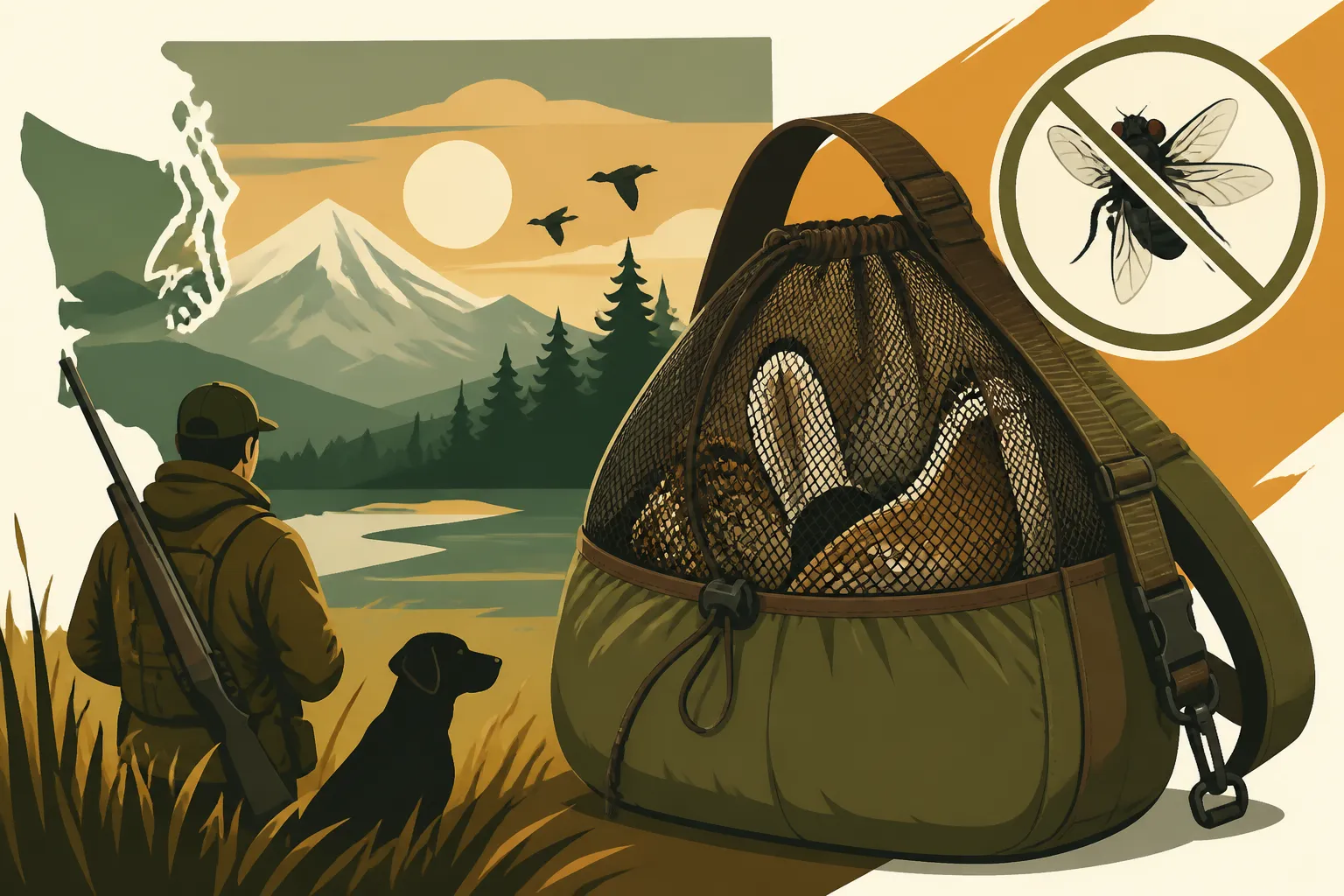
There are few things more deflating than finally getting an animal on the ground after days, maybe weeks, of hard hunting, only to realize that the flies are already swarming, threatening to ruin your hard-earned meat. The thought of all that effort, all that planning, potentially going to waste because of tiny insects is a real punch to the gut. This guide is all about how to combat that nightmare scenario, focusing on game bag fabrics and fly protection so you can bring home clean, wholesome wild game from your next Washington adventure.
Why Game Bags Are Non-Negotiable in Washington
Honestly, if you're hunting anything larger than a squirrel in Washington, especially deer and elk, high-quality game bags aren't just a suggestion—they're an absolute necessity. Whether you're in the humid rainforests of the Olympic Peninsula or the arid sagebrush of Eastern Washington, the threats to your meat are real and relentless. Without proper protection, all your hard work can literally become fly food in a matter of hours.
The Relentless Threat of Flies and Contaminants
Flies are like tiny, buzzing meat saboteurs. They find exposed meat almost instantly, and once they land, they're not just resting; they're laying eggs. Within what feels like minutes on a warm day, those eggs can hatch into maggots, and suddenly, your perfectly good quarter of elk is crawling. Beyond the sheer disgust factor, this introduces bacteria that can spoil the meat rapidly, making it unsafe to eat. Imagine the frustration: you just put in the effort of Quartering and Packing an Elk Solo, and now you're fighting off a maggot invasion.
But it’s not just flies. The backcountry is a dusty, dirty place. You're dragging quarters across the ground, leaning them against trees, or packing them over rough terrain. Bits of dirt, pine needles, leaves, and even hair can stick to the meat, contaminating it. Game bags act as a crucial barrier, keeping these contaminants off the edible portions. Even if you're meticulous about Field Dressing in Warm Early-Season Weather, without bags, that pristine meat is still vulnerable.
Protecting Your Hard-Earned Meat From the Elements
Beyond the biological threats, game bags also offer protection from the physical environment. While they won't make a quarter waterproof, a good quality bag can certainly help deflect light rain and moisture, preventing the meat from getting saturated. In dusty conditions, they keep the grit out. And while no fabric will completely deter a hungry bear or coyote, a properly bagged and hung quarter is far less inviting and harder for smaller scavengers like jays or squirrels to peck at. This is especially vital when you're trying to Get a Carcass Cooled Fast in the field.
Think about those crisp, dry Eastern Washington hunts in the Okanogan, where the dirt can be fine as powder. Or a wet, late-season Blacktail hunt where everything is damp. Game bags provide a layer of defense against whatever Mother Nature throws at your prized game.
Understanding Different Game Bag Fabrics
The world of game bags has evolved beyond grandma's old flour sacks. Today, you've got options, and understanding the differences in fabric can make a huge impact on how well your meat is preserved.
Traditional Cotton Game Bags
For decades, many hunters, including myself, relied on plain old cotton game bags. They were cheap, readily available, and breathable. You could pick them up at almost any hardware store or even make your own from sturdy sheeting. And, for certain situations, they still have a place.
The biggest pro of cotton is its breathability. It allows air to circulate freely around the meat, which is essential for cooling. In dry, cool conditions, cotton can work acceptably by forming a dry crust on the meat's surface, which helps inhibit bacterial growth. However, cotton has some pretty significant downsides. It absorbs moisture like a sponge, becoming heavy and taking forever to dry in damp Washington conditions. Once wet, it loses much of its protective qualities and can even promote bacterial growth if it stays damp against the meat. More importantly, the weave is often too loose to reliably stop tiny biting flies or the smallest maggots from getting through. They might keep out larger flies, but those persistent gnats and blowflies can still find a way in.
Synthetic Blends: The Modern Solution for Breathability and Durability
The modern game bag market is dominated by synthetic fabrics, often blends of nylon, polyester, or proprietary materials. Brands like GoHunt often feature high-performance synthetic options because they understand the demands of serious hunters. These fabrics were designed to overcome the shortcomings of traditional cotton.
The primary advantage of synthetic blends is their superior strength-to-weight ratio. They are incredibly durable, resisting tears and punctures much better than cotton, which is a huge plus when you're navigating brush or sharp rocks. They're also water-resistant (though not waterproof) and dry incredibly quickly, which is a game-changer in Washington's often damp environment. This rapid drying means less chance of mildew or bacterial growth on the bag itself. Critically, these fabrics can be woven much tighter than cotton, creating a finer mesh that significantly improves fly protection while still allowing sufficient airflow for cooling. They shed dirt and hair far more effectively, making them easier to clean after the hunt. If you're using The Gutless Method on an Elk, you'll appreciate how easily these bags slip over the quarters and how well they protect the exposed surfaces.
Specialty Fabrics for Extreme Conditions
Beyond standard synthetic blends, some manufacturers offer specialty fabrics designed for even tougher challenges. These might include fabrics with antimicrobial treatments woven directly into the fibers, which can further inhibit bacterial growth on the meat's surface. Others might feature advanced ventilation designs or even reflective properties to help keep meat cooler in direct sunlight, though this is less common for general purpose bags.
For instance, some bags are designed with a slightly more open weave that prioritizes maximum airflow, which can be useful in very cold, dry conditions where fly pressure is minimal, and rapid cooling is the absolute priority. Conversely, some ultralight options sacrifice a bit of durability for extreme weight savings, catering to hunters who are obsessed with every ounce on a long backpack hunt. These specialized bags, often found through outfitters or online retailers catering to hardcore backcountry hunters, cater to very specific needs and can be an excellent investment for those consistently hunting in extreme environments.
Features That Offer Superior Fly Protection
When you’re staring at a big pile of elk quarters, those flies are just waiting for an opening. The design and features of your game bags are what stand between them and your hard-won meat. It's not just about the material; it's about the meticulous details that create an impenetrable barrier.
Weave Density and Mesh Size
This is perhaps the most crucial factor for fly protection. A cheap, loosely woven bag might stop a house fly, but it won't deter the tiny no-see-ums, biting gnats, or the persistent blowflies that seem to materialize out of thin air. You need a fabric with a tight, fine mesh that physically prevents insects, especially their eggs, from penetrating.
Look for bags with a mesh count or weave so tight that it feels smooth but still allows air to pass through when you hold it up to the light. If you can easily see through it with distinct holes, it's probably not going to cut it against the smallest pests. Many reputable brands specifically market their bags as "bug-proof" or "no-see-um proof," and that's the kind of weave you're after. This tight weave also means better protection against dust, pine needles, and other debris that can adhere to the meat. When you're trying to Get Meat Off the Mountain Before Dark, the last thing you want is to spend precious time picking debris out of the quarters.
Treated Fabrics and Insect Repellency
Some advanced game bags come with fabric treatments designed to offer an extra layer of defense. This can include insect repellents that are embedded in the fabric itself. While not a substitute for a tight weave, these treatments can act as a deterrent, making the bags even less appealing to flies. Think of it as an invisible shield that bugs prefer not to land on.
Another type of treatment involves antimicrobial properties. These don't directly repel flies but inhibit the growth of bacteria and mold on the bag's surface and, by extension, help maintain the cleanliness of the meat. This can be especially valuable in humid conditions or if your meat is going to be in the bags for an extended period before final processing. While they might cost a bit more, these treatments can offer peace of mind, especially when dealing with variables like Field Dressing in Seventy-Degree Heat.
Closure Systems and Secure Sealing
A perfectly woven fabric is useless if the bag can't be securely closed. Most game bags use drawstrings, but not all drawstrings are created equal. You want a robust drawstring that can cinch down tightly, leaving no gaps. Some bags feature cord locks that help keep the drawstring cinched, preventing it from loosening during transport.
For larger quarters or specific cuts, some specialized bags might even incorporate zippered closures. While zippers offer an incredibly secure seal, they also introduce a potential point of failure (a broken zipper in the backcountry is a real headache) and can add weight. For most hunters, a well-designed drawstring with a cord lock is the ideal balance of security, simplicity, and weight. Make sure the bag is long enough that you can tie a knot in the drawstring after cinching, providing that extra layer of security. This is especially important when considering How Many Game Bags an Elk Takes and ensuring each quarter is sealed properly.
Best Practices for Using Game Bags in the Field
Having the right game bags is only half the battle; knowing how to use them effectively in the field is just as important. From initial preparation to transport, every step plays a role in keeping your meat pristine and safe.
Preparing Your Meat Before Bagging
Before a single piece of meat goes into a game bag, it needs to be as clean as possible. This means meticulous field dressing. Remove all viscera, bloodshot meat, hair, and any dirt that might have adhered to the surfaces. If you can, rinse the meat with clean water (potable water, not just a stream if you can help it) and then pat it dry. A dry surface allows for better cooling and inhibits bacterial growth. If rinsing isn't an option, meticulously wipe down the meat with a clean cloth or paper towels. The goal is to get it spotless before you bag it up.
For quarters, ensure that all internal organs, excess fat, and other non-meat components are removed from the body cavity before you start quartering. The less foreign material you have to deal with, the cleaner your meat will be. This initial cleanliness is the foundation of good meat care, and a crucial first step no matter if you're doing a full traditional gut or opting for The Gutless Method on an Elk.
Proper Hanging and Airflow
Once bagged, your meat needs to cool down as quickly as possible. This means getting it off the ground and hanging it in a shady, breezy spot. The ideal setup allows air to circulate completely around each quarter, speeding up the cooling process. Avoid hanging bags directly against tree trunks or rocks, as this impedes airflow and can create warm spots where bacteria can thrive.
If you're hunting in particularly warm weather, spreading out the meat before bagging for a short period to allow for a "crust" to form can be beneficial, but be extremely vigilant for flies during this stage. Once bagged, even a slight breeze can work wonders. In areas like the Okanogan-Wenatchee Forest, where you might find open timber, locating a good hanging tree with shade and airflow is often the first priority after the shot. Remember to always hang your meat high enough that scavengers can't reach it – though in areas with bears, nothing is truly bear-proof.
Storage and Transport Considerations
After field care, it's all about keeping that meat cool and protected until you get it to a processor or your home freezer. In the backcountry, you might be packing meat out for miles. Securing the game bags tightly in your pack frame, perhaps with a sturdy pack from a brand like GoHunt that focuses on robust frames, prevents them from shifting and exposing the meat to further contamination or bruising. For long hauls, consider using dry ice or frozen water bottles placed strategically around the bagged quarters if you can manage it.
| Feature | Traditional Cotton Bags | Synthetic Blends (e.g., Nylon/Polyester) | Specialty Treated Synthetics |
|---|---|---|---|
| Material Cost | Low | Medium | High |
| Durability | Low (prone to tearing, punctures) | High (resists tears, snags) | Very High (often reinforced, highly abrasion-resistant) |
| Fly Protection | Poor to Fair (loose weave allows small insects/eggs) | Excellent (tight weave, prevents most insects/eggs) | Superior (tight weave + insect repellent treatments) |
| Breathability | Excellent | Excellent | Excellent (maintains airflow with treatments) |
| Drying Time | Very Slow (absorbs moisture) | Fast (sheds water, quick-drying) | Fast (often treated to be more water-resistant) |
| Weight (Dry) | Light to Medium | Very Light to Light | Very Light to Light (despite treatments) |
| Weight (Wet) | Very Heavy (retains water) | Light (sheds water quickly) | Light (sheds water quickly) |
| Cleaning Ease | Moderate (stains, absorbs blood) | Easy (sheds dirt, blood washes off) | Very Easy (antimicrobial, stain-resistant) |
| Reusability | Limited (wear/tear, hygiene) | High (durable, easy to clean for multiple seasons) | High (designed for repeated use) |
Once you reach your vehicle, the process continues. Pack the bagged meat into high-quality coolers filled with ice. Make sure the meat doesn't sit directly in melted ice water; use a rack or keep the meat elevated, or even better, put the ice in separate bags. For extended drives, you might need to stop and replenish ice. Getting your meat cooled thoroughly in the field and keeping it cool during transport are critical steps, akin to properly Aging Meat in a Spare Refrigerator once you get home. It’s all part of ensuring you have high-quality table fare.
Ultimately, investing in good game bags and knowing how to use them effectively will dramatically increase your chances of bringing home unspoiled, delicious wild game. Don't let flies or dirt ruin a successful hunt; prepare properly, and you'll enjoy the fruits of your labor for months to come.
Disclaimer
This article is for general informational purposes only and does not constitute professional advice. Laws, prices and regulations vary by location and change over time. Consult a qualified professional for guidance on your specific situation.