Bow Tuning Before the Season
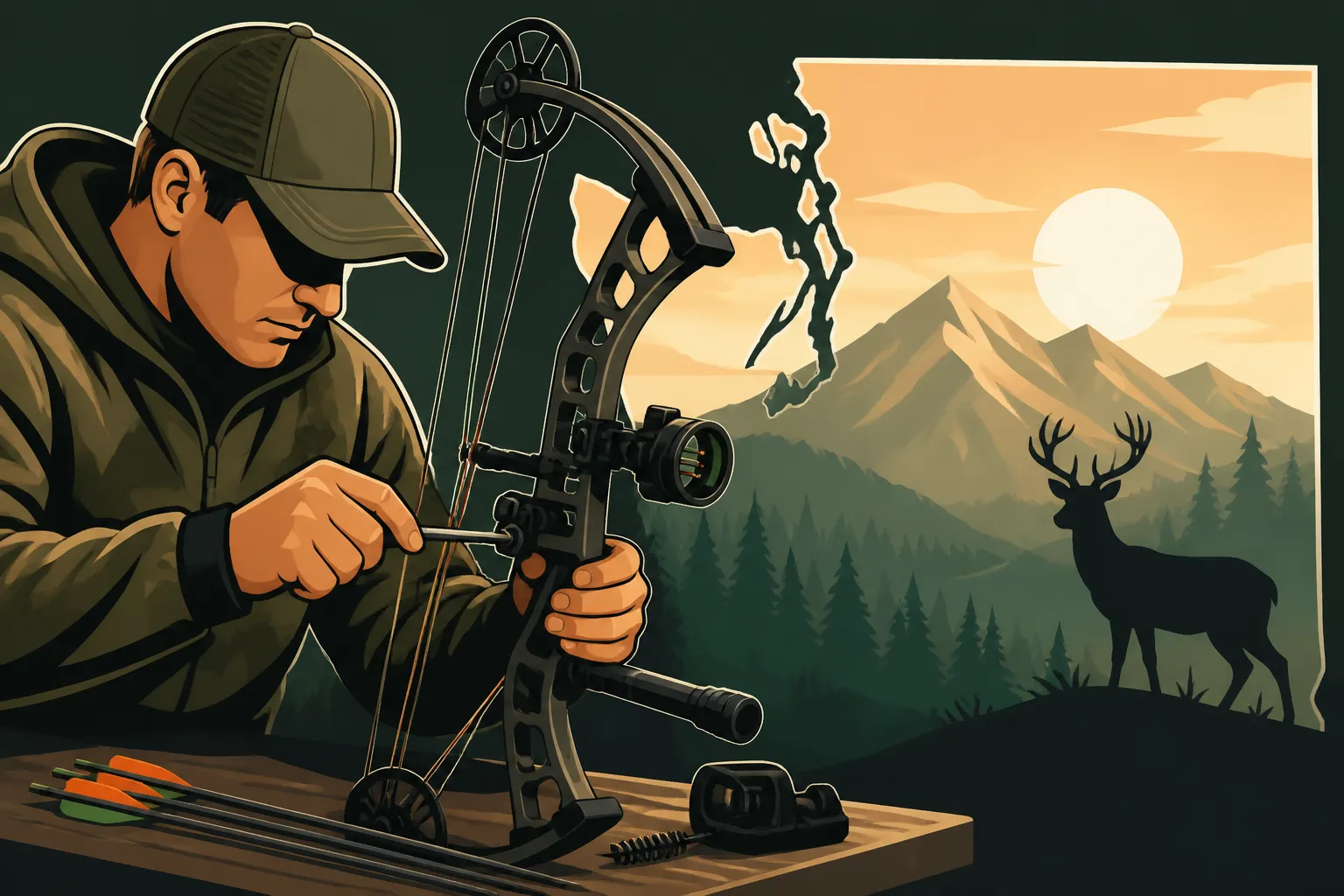
There’s nothing quite as frustrating as stepping out for your highly anticipated Washington hunting season, drawing back on that magnificent bull or buck, releasing what feels like a perfect shot, and then watching your arrow go askew. It’s a gut-wrenching feeling, often stemming from an overlooked or rushed bow tuning process. This guide is here to walk you through the essential steps and deeper insights into bow tuning, ensuring your equipment performs flawlessly when it matters most, allowing you to focus on the hunt itself rather than second-guessing your gear.
Why Bow Tuning is Non-Negotiable for Washington Hunters
Many hunters spend countless hours scouting, practicing their shot, and even e-scouting on platforms like GoHunt, but then skimp on the critical step of tuning their bow. Think of your bow as a finely-tuned instrument; even a slight imperfection in its setup can drastically impact accuracy and kinetic energy delivery downrange. In Washington's diverse and often challenging terrain, from the dense timber of the Olympic Peninsula to the wide-open sagebrush of Eastern Washington, a perfectly tuned bow can mean the difference between a clean harvest and a heartbreaking miss.
The Impact of an Untuned Bow
An untuned bow isn't just about missing the target. It's about inconsistent arrow flight, which can lead to poor penetration, wound loss, and ethical concerns. Imagine spending weeks in the steep, rugged country, navigating blowdowns and heavy rain, finally getting a shot at a trophy Roosevelt Bulls and Why They Bugle Less, only for your arrow to porpoise or kick sideways because of a simple tuning issue. That kind of experience can shake your confidence for seasons to come.
Beyond the immediate shot, a poorly tuned bow can cause excessive wear on your string and cables, create unnecessary noise, and even lead to component failure. When you're miles deep in the backcountry, the last thing you want is a mechanical issue with your primary hunting tool. Proper tuning ensures everything works in harmony, maximizing efficiency and minimizing potential problems in the field.
Confidence in Every Shot
Ultimately, bow tuning builds confidence. When you know your arrows are flying true, your broadheads are hitting exactly where your field points do, and your bow is operating at its peak, you can draw back with absolute certainty. This mental edge is invaluable, especially under the intense pressure of a hunting situation. It allows you to concentrate on your form, your breathing, and the animal, rather than wondering if your equipment is going to let you down. This peace of mind is truly priceless.
Essential Pre-Season Tuning Steps
Before you even think about hitting the range for broadhead practice, there are several foundational tuning steps that need to be addressed. These steps create a baseline for accuracy and ensure your bow is set up correctly from the start. Neglecting any of these can lead to endless frustration later on.
Initial Setup and Inspection
Start by giving your bow a thorough once-over. Check all screws and bolts – sights, rest, quiver, stabilizer – to ensure they are tight and secure. Examine your string and cables for any signs of wear, fraying, or serving separation. A worn string can snap, causing serious injury and definitely ruining your hunt. If you spot any issues, it’s best to get them replaced by a professional now, rather than discovering a problem when you’re facing down an elk.
Next, verify your draw length. An incorrect draw length can severely impact your form and consistency. If you’re unsure, visit a pro shop; they have the tools to measure it precisely. Then, check your peep sight height. When you draw your bow to anchor, your peep should naturally align with your sight housing without having to crane your neck up or down. This can sometimes take a few adjustments, but it’s critical for repeatable accuracy. Finally, check your nocking point. It should be perfectly perpendicular to your arrow rest, or slightly above, depending on your setup. A bow square is your best friend here.
Paper Tuning
Paper tuning is often the first step many archers take, and for good reason. It’s a visual diagnostic tool that helps identify if your arrow is leaving the bow cleanly, without excessive horizontal or vertical tear. You shoot an arrow through a sheet of paper at a close distance, usually 5-10 yards, and the tear pattern indicates what adjustments need to be made to your arrow rest or nocking point. A perfect bullet hole tear means your arrow is flying straight as it leaves the string.
If you see a high tear, your nocking point might be too low, or your rest might be too high. A low tear suggests the opposite. Left or right tears usually mean your arrow rest needs to be moved horizontally, either left or right. It's a methodical process: make a small adjustment, shoot through the paper again, and repeat until you achieve that perfect tear. This step is crucial before moving on to longer distances or broadheads, as it ensures your basic setup is sound.
Bare Shaft Tuning
Once you’ve got a good paper tune, bare shaft tuning takes things a step further. This technique involves shooting fletched arrows alongside unfletched (bare) arrows at a target, typically 20-30 yards. The fletching on a standard arrow acts like a rudder, correcting minor imperfections in flight. A bare shaft, however, has no fletching to guide it, so it will exaggerate any tuning issues. The goal is for your bare shafts to group with your fletched shafts, or at least impact the target in a very similar spot.
If your bare shafts are consistently hitting left or right of your fletched shafts, it indicates a horizontal issue, usually requiring micro-adjustments to your arrow rest. If they're hitting high or low, it points to a vertical issue with your nocking point or rest height. This method can sometimes be more sensitive than paper tuning and really hones in on proper arrow spine and rest alignment. Remember, small adjustments are key here. This also helps to confirm you have the correct Arrow Spine and Front of Center for your setup.
Advanced Tuning for Precision
Once the basics are solid, it's time to refine your tune, especially when you consider the unique demands of hunting in Washington. This is where you move from getting "good enough" to achieving true precision, ensuring your broadheads hit with surgical accuracy.
Broadhead Tuning
This is arguably the most critical step for any bowhunter. The goal of broadhead tuning is simple: get your broadheads to hit in the exact same spot as your field points at all relevant hunting distances. Broadheads, especially fixed-blade designs, have larger surfaces that act like fletchings at the front of the arrow, and any slight deviation in arrow flight or bow tuning will be amplified. If your bow isn't perfectly tuned, that fixed blade will steer the arrow, causing it to impact away from your field points.
Start at close range (20 yards) and shoot several field points, then several broadheads. If they group together, slowly move back to 30, 40, and even 50 yards. If your broadheads are consistently hitting differently than your field points, resist the urge to adjust your sight. Instead, make micro-adjustments to your arrow rest. If broadheads hit left, move your rest slightly left; if they hit right, move it right. This process takes patience and consistency. Some hunters find that minor string twists can also help with fixed-blade broadhead tuning. It’s also a good time to confirm your Broadhead Width Rules in Washington are being met.
Walk-Back Tuning
Walk-back tuning is an excellent way to check your horizontal rest alignment across a range of distances without needing to make many adjustments. Set up a single target bale with a vertical line drawn down the middle. Stand at 10 yards, aim at the top of the line, and shoot an arrow. Then, without changing your sight, walk back to 20 yards, aim at the top of the line, and shoot another arrow. Repeat this process at 30, 40, and 50 yards, always aiming at the top of the line.
If your arrows are all hitting the vertical line, your center shot is good. If they're consistently hitting to the left or right of the line, even though you aimed at the same spot, then your arrow rest needs a small horizontal adjustment. For instance, if all your arrows are hitting progressively left of the line as you walk back, you likely need to move your arrow rest slightly to the right. This method reveals those subtle horizontal inconsistencies that might not be immediately obvious at just one distance. A proper walk-back tune ensures you’re dialed in, whether you’re shooting Shot Placement on a Bull at Twenty Yards or reaching out a bit further.
Here’s a quick overview of common tuning issues and potential fixes:
| Tuning Issue | Primary Indicator | Common Cause(s) | Adjustment Needed (Primary) |
|---|---|---|---|
| High Paper Tear | Arrow nock points up | Nocking point too low, rest too high | Raise nocking point, lower rest |
| Low Paper Tear | Arrow nock points down | Nocking point too high, rest too low | Lower nocking point, raise rest |
| Left Paper Tear | Fletching kicks left | Rest too far right, stiff arrow spine | Move rest left, consider weaker spine |
| Right Paper Tear | Fletching kicks right | Rest too far left, weak arrow spine | Move rest right, consider stiffer spine |
| Bare Shaft Hits Left | Bare shaft groups left of fletched | Rest too far right, stiff arrow spine | Move rest left |
| Bare Shaft Hits Right | Bare shaft groups right of fletched | Rest too far left, weak arrow spine | Move rest right |
| Broadheads Hit Left | Broadhead groups left of field point | Rest too far right | Move rest left |
| Broadheads Hit Right | Broadhead groups right of field point | Rest too far left | Move rest right |
| Inconsistent Groups | Shots spread erratically | Poor form, loose components, damaged arrow | Check form/grip, tighten accessories, inspect arrows |
Maintaining Your Tune Through the Season
Tuning isn’t a one-and-done deal. Your bow is subject to stress, temperature changes, and general wear and tear during a grueling Washington hunting season. Regular checks and maintenance are vital to ensure your tune holds up from the early archery opener to the late-season hunts.
Regular Inspections and Minor Adjustments
Before every hunt, and certainly after any rough handling (like a fall or bumping your bow), perform a quick visual inspection. Check your peep alignment, ensuring it hasn't rotated. Confirm your arrow rest is still secure and hasn't shifted. Give your string and cables a quick look for any new wear. If you notice a change in your groups, even minor, don't hesitate to shoot a few paper tunes or bare shafts to diagnose the issue.
Temperature and humidity fluctuations, common in Washington’s diverse climates, can affect string material, causing a slight stretch or contraction that impacts tune. This is especially true for those hunting the Archery Elk Hunting in Washington's September Season or facing wet conditions when trying to keep a Keeping a Bowstring Dry on the Washington Coast. It's a good idea to shoot a few arrows at various distances with both field points and broadheads a week or two before your season opener, just to confirm everything is still in sync. This proactive approach saves a lot of headaches later on.
The Role of Practice and Consistency
A perfectly tuned bow is only as good as the archer behind it. Consistent practice helps you maintain your form, reinforcing the muscle memory needed for repeatable shots. During practice, pay attention to how your arrows are flying. Are they consistently hitting where you aim? Are broadheads still grouping with field points? Any deviation should prompt a tuning check.
Practicing in hunting-like scenarios is also crucial. Shoot from odd angles, kneeling, sitting, and even wearing your full hunting gear, including your Rain Gear That Survives a Washington Westside Season. The way you hold the bow, your grip pressure, and your anchor point can all subtly affect arrow flight, and these factors can change when you're bundled up or contorted behind a tree. By regularly putting arrows downrange and being attentive to your gear, you can catch minor tuning issues before they become major problems in the field. And remember, platforms like GoHunt can help you research the areas you plan to hunt, so you can tailor your practice to the specific terrain and shot distances you might encounter.
Final Thoughts on Your Bow's Performance
Bow tuning can feel like a chore, an extra step in an already demanding hunting preparation schedule. But honestly, it's one of the most rewarding investments of your time. When you pour hours into scouting, learn how to read the landscape, and practice until your form is second nature, the last thing you want is for your equipment to be the weakest link. A well-tuned bow, like a well-prepared hunter, maximizes your chances for success and ensures you're upholding the highest ethical standards in the field. Whether it's dialing in your Draw Weight for Elk With a Compound Bow or ensuring your Washington Archery Equipment Rules are followed, precision matters. Take the time, be patient, and enjoy the satisfaction of knowing your bow is truly ready for whatever Washington throws your way.
Disclaimer
This article is for general informational purposes only and does not constitute professional advice. Laws, prices and regulations vary by location and change over time. Consult a qualified professional for guidance on your specific situation.