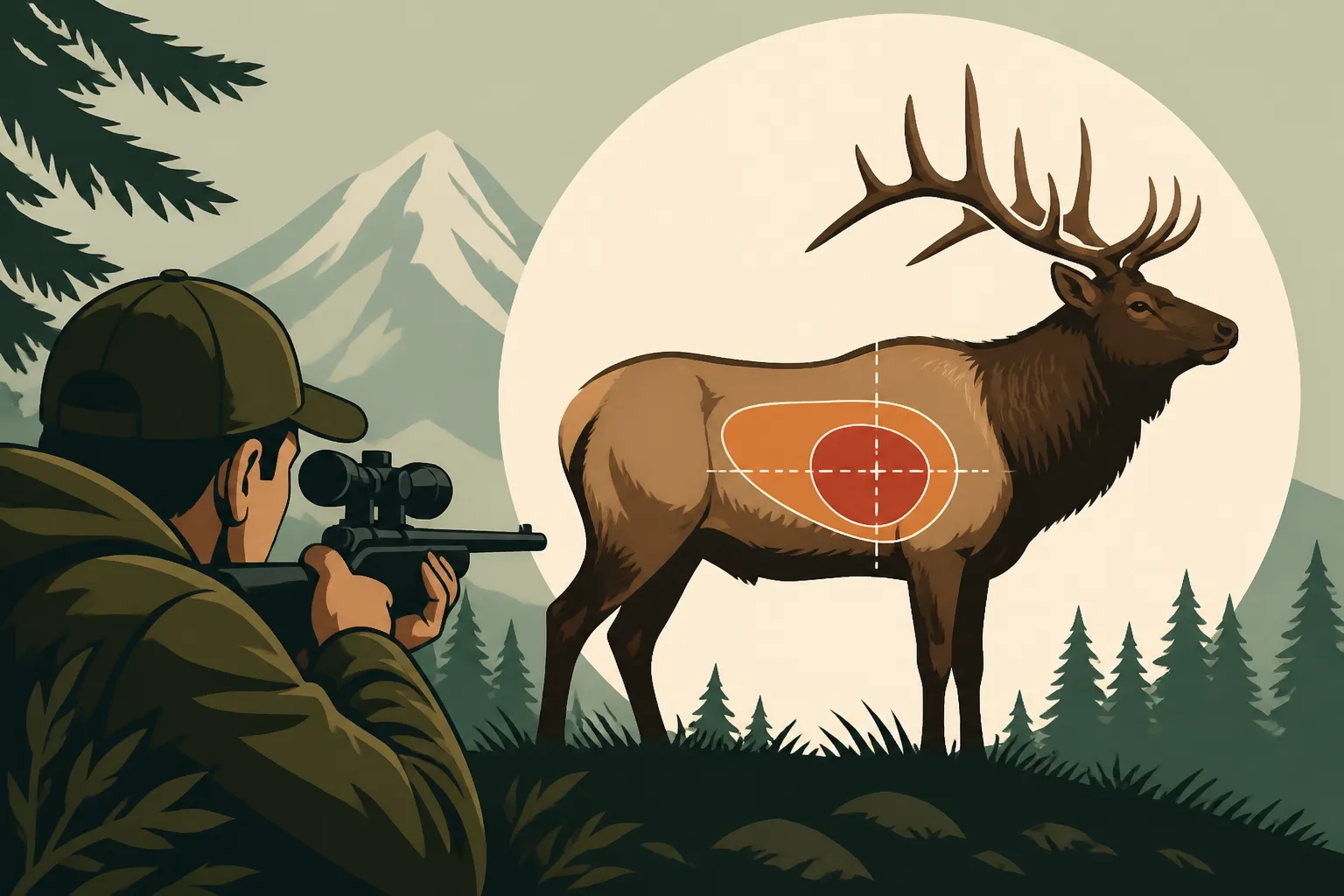
Shot Placement on a Bull at Twenty Yards
That moment when a bull elk steps into your twenty-yard bubble is electric. Your heart hammers against your ribs, adrenaline surges, and suddenly all those hours of practice, scouting, and dreaming boil down to a few precious seconds. But in that intense rush, it’s all too easy to let excitement override sound judgment, leading to a less-than-ideal shot. This guide is here to walk you through the critical elements of shot placement on a bull at twenty yards, helping you make a clean, ethical harvest when it matters most.
The Heart-Pounding Reality of a Twenty-Yard Bull
There’s nothing quite like having a magnificent bull elk, with his massive antlers and raw power, within spitting distance. It’s the dream of every hunter, especially those of us who chase them through Washington's dense timber or open sagebrush. But this proximity brings its own set of unique pressures and considerations.
Why Twenty Yards is a Gift and a Challenge
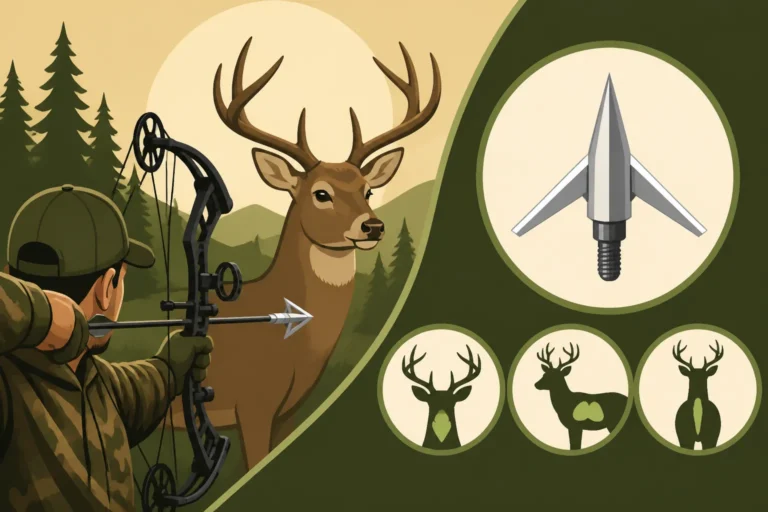
Twenty yards. For an archer, it’s a chip shot, the distance you practice countless times in your backyard. For a muzzleloader hunter, it's a guaranteed hit if you do your part. It sounds easy, right? Yet, this close proximity often presents a profound challenge: managing your own nerves. The sheer size of an elk, combined with the sudden intimacy, can trigger "buck fever" like nothing else. Your mind races, your breathing gets shallow, and that perfectly executed shot can unravel.
At this range, the detail you can see is incredible – the twitch of an ear, the steam from its breath, the texture of its hide. This detail is a gift because it allows for precise aiming. You’re not guessing about antler points or body size like you might at longer distances. You can truly pick a hair to aim at. However, it’s a challenge because every small movement you make feels amplified, and the bull seems to be staring right through you. The window for a shot might be fleeting, especially in thick cover found in places like the Gifford Pinchot National Forest, where elk can materialize and disappear in an instant.
Understanding the Elk's Vitals at Close Range
Before you even think about releasing an arrow or pulling a trigger, you absolutely must have a crystal-clear understanding of elk anatomy. This isn't just knowing "where the lungs are"; it's about visualizing them in three dimensions within that bull's body, accounting for angles, bone, and muscle. At twenty yards, you have the advantage of a large, clear target, but precision is still paramount for a quick, humane harvest.
The primary target is the chest cavity, housing the lungs and heart. This vital zone is surprisingly compact relative to the animal's overall size. An adult bull elk can weigh upwards of 700-900 pounds, but the kill zone is roughly the size of a dinner plate if perfectly broadside. Knowing this helps you focus your aim, even when the animal appears enormous. Think of the chest cavity as a box, and you want your projectile to pass through as much of that box as possible.
Deconstructing Elk Anatomy for Precision Shots
When a bull is standing at twenty yards, you have the luxury of time, even if it feels like none, to really study his posture and pinpoint the exact location of his vitals. This isn't just about general knowledge; it's about seeing the internal structure through the hide.
The Absolute Sweet Spot: Lungs and Heart
The lungs are by far the largest and most forgiving target in the chest cavity. A hit to both lungs typically results in a quick bleed-out and respiratory failure, leading to a humane kill. To visualize this, imagine a line running vertically up the front leg, about a third of the way up the body. Now, imagine another line extending horizontally from the elbow, about a third of the way up the body. The intersection of these lines, and the area just behind them, is where the heart and the bulk of the lungs reside.
The heart is nestled low in the chest, just above the elbow and slightly forward of the diaphragm. A direct heart shot is immediately lethal. However, it’s a smaller target than the lungs, and aiming solely for the heart introduces a higher risk of missing the vitals entirely if your shot is slightly off. The true "sweet spot" is the lung area directly above the heart, extending back through the rib cage. This maximizes your chances of hitting either the heart or, more likely, both lungs, ensuring maximum trauma and a fast track to recovery. Remember, you want two holes – an entry and an exit – for a good blood trail, especially if you're hunting in dense Washington timber.
Navigating the Bone Structure: Shoulder and Ribs
This is where many close-range shots can go wrong. The shoulder blade (scapula) is a significant piece of bone, thick and dense, designed to protect the very vitals you're aiming for. It sits over the front part of the lung and heart area. Hitting this bone, especially with an arrow, can prevent adequate penetration, resulting in a wounded animal and a potentially difficult or impossible recovery. With a modern firearm, it might still penetrate, but could cause significant meat damage and deflect the bullet from its intended path.
When the bull is perfectly broadside, the shoulder blade covers the most forward portion of the vitals. Your aim should be just behind the shoulder, about one-third of the way up the body. This places your shot squarely into the lungs, avoiding the heaviest bone structure. The ribs are also bone, of course, but they are much thinner and designed to flex, making them far less of an impediment to a well-placed projectile than the scapula. They also break easily, allowing your broadhead or bullet to pass through. Understanding the difference between the solid shoulder bone and the more fragile ribs is key to a successful shot. It's not just about hitting the body; it's about hitting the right part of the body. You can use resources like GoHunt's 3D anatomy models to really visualize this and practice virtually.
Less Ideal, But Lethal: Liver and Major Arteries
While the lungs and heart are the primary targets for a fast, ethical kill, other areas, if hit precisely, can also be lethal, albeit often resulting in a longer recovery. The liver sits directly behind the diaphragm and just below the spine, extending a bit further back than the lungs. A liver shot is lethal, but it’s a much slower kill than a lung or heart shot, and the blood trail can often be sparse initially. You might be tracking a wounded animal for a considerable distance, sometimes requiring a multi-day effort to find it, particularly in vast landscapes like those found in the Blue Mountains.
Major arteries, such as the aorta along the spine or the large vessels leading to and from the heart, are also immediately lethal targets. However, they are incredibly small and challenging to hit intentionally. You should never aim for these specific vessels as your primary target. Instead, a broadside or slightly quartering-away shot aimed for the lungs will naturally intersect many of these blood vessels, maximizing hemorrhage and quick expiration. The goal is always to maximize the chance of hitting the largest vital area for the fastest, most humane outcome.
Angles, Ethics, and Making the Moment Count
Having a bull at twenty yards often means you have a bit of time to assess the situation and wait for the perfect shot angle. This patience is crucial and separates successful, ethical hunters from those who regret their decisions.
Broadside: The Gold Standard for Archery and Muzzleloader
The broadside shot is the quintessential ethical shot for a reason: it presents the largest, clearest target of the vitals with minimal bone obstruction. When a bull is standing perfectly perpendicular to you, you have a direct line to both lungs and potentially the heart, all behind the heavy shoulder bone.
Ideal Aim Point: For a broadside shot, aim just behind the front leg, about one-third of the way up the body from the bottom of the chest. This trajectory will typically pass through both lungs. If your arrow or bullet exists on the far side, it creates two holes, ensuring maximum blood loss and a strong blood trail for recovery. This is particularly important when you're dealing with thick vegetation in areas like the Willapa Hills. A double-lung hit is incredibly effective, causing rapid blood loss and collapse. At twenty yards, your margin for error on a broadside shot is at its largest, making it the most confidence-inspiring and ethical option.
Quartering Away: A High-Percentage Opportunity
A slightly quartering-away shot means the elk is angled slightly away from you, with its tail turned further from you than its head. This angle is often considered by many bowhunters to be even better than a perfect broadside. Why? Because it exposes the vitals even more and often allows for a shot that completely avoids the heavy shoulder blade on the near side.
Ideal Aim Point: For a quartering-away shot, aim for the opposite front leg. Imagine your projectile exiting through the crease of the opposite shoulder. This trajectory ensures a long path through the vitals, typically passing through both lungs and often nicking the heart or major blood vessels. If the bull is slightly quartering away, your arrow or bullet will enter behind the near-side shoulder and travel forward through the chest, hitting the maximum amount of lung tissue. This angle greatly increases the chances of a clean pass-through, which is essential for a good blood trail. This is the angle I often wait for, even at close range, when I'm Still-Hunting Blacktails in Wet Washington Brush because it opens up the vitals so beautifully.
Frontal and Quartering To: When to Hold Your Shot
These are the shot angles that often test a hunter's discipline, especially when a bull is standing close and looking right at you. While a frontal or quartering-to shot can be lethal, they are generally considered high-risk, low-reward propositions for most hunters, particularly with archery equipment.
- Frontal Shot: The bull is facing directly towards you. While a shot placed perfectly at the base of the neck, aiming for the vitals, can be immediately fatal, it is an incredibly small target. The sternum (breastbone) is a heavy, thick bone shield directly in front of the heart and lungs. Penetrating this bone, especially with a broadhead, is extremely difficult and often results in shallow penetration or deflection. The risk of wounding the animal without lethal penetration is very high. Unless you are an expert marksman with a powerful firearm and have an intimate understanding of this specific shot, it's almost always best to wait for the bull to turn.
- Quartering To Shot: The bull is angled towards you, with its head turned further from you than its tail. This presents a similar problem to the frontal shot, as the near-side shoulder blade and dense muscle mass cover a significant portion of the vitals. Your projectile would have to pass through a substantial amount of bone and muscle before reaching the lungs or heart. The chances of hitting the stomach or guts, resulting in a prolonged, agonizing death for the animal and a heartbreaking recovery for you, are significantly increased.
The Ethical Imperative: At twenty yards, you are close enough to truly observe the animal. Use this proximity to your advantage by waiting for the ideal broadside or quartering-away shot. Resist the urge to take a risky shot just because the bull is close. A true hunter prioritizes a clean, ethical kill above all else. Patience is a virtue, and it's far better to let a bull walk away unscathed than to take a questionable shot that leaves it wounded. Often, if you remain still, a bull will eventually move to offer a better angle. This is where your skills in Bugling and Cow Calling in Washington's Archery Elk Season can come in handy – a soft cow call might just be enough to get him to turn.
Here's a quick reference table for common shot angles at 20 yards:
| Shot Angle | Best Weapon Type | Aim Point | Risk/Reward | Ethical Rating | Recovery Potential |
|---|---|---|---|---|---|
| Broadside | Archery/Firearm | Behind front leg, 1/3 up chest | Low Risk/High Reward | Excellent | High, clear blood trail |
| Quartering Away | Archery/Firearm | Aim for opposite front leg crease | Low Risk/High Reward | Excellent | High, clear blood trail |
| Slightly Quartering To | Firearm (Heavy Caliber) | Avoid if possible; aim for vitals behind shoulder | Medium Risk/Medium Reward | Good (with caution) | Moderate, potential for meat damage |
| Hard Quartering To | Avoid | N/A (wait for better angle) | High Risk/Low Reward | Poor | Low, difficult blood trail |
| Frontal | Firearm (Heavy Caliber) | Avoid if possible; center mass of chest | High Risk/Low Reward | Poor | Low, difficult blood trail |
After the Shot: Responsibility and Recovery
Taking the shot is only half the battle. What you do immediately after, and in the hours that follow, is just as critical for a successful and ethical recovery. Even with a perfect shot at twenty yards, an elk can cover significant ground before expiring.
Observing the Reaction and Waiting It Out
The immediate reaction of the bull after the shot can provide vital clues about the shot placement. Did it kick, buck, run hard, or just stand there for a moment before bolting? A bull that’s hit well, particularly in the lungs, will often hunch up, take a few wobbly steps, and then run hard before crashing. A gut-shot animal might run a shorter distance, then slow down, walking or stopping frequently, often looking back at its side. If you see it stumble and then sprint away, pay close attention to the direction it takes.
Regardless of the initial reaction, the golden rule after any shot on an elk is to wait. Do not immediately pursue. Your adrenaline will be pumping, and the urge to chase might be overwhelming, but resisting this urge is crucial.
- For a suspected good hit (lungs/heart): Wait at least 30-60 minutes, especially if you’re using archery equipment. This allows the animal to bleed out and lie down, preventing it from running further.
- For a suspected marginal hit (liver/gut): Wait much longer – 4-6 hours, or even overnight if conditions allow (cool weather, no predators). Pressuring a marginally hit animal will almost certainly push it further, making recovery incredibly difficult.
While you wait, replay the shot in your mind. Mark the exact spot where the elk was standing when you shot it, and note its initial direction of travel. This is where tools like GoHunt or your onX Hunt app come in handy, allowing you to drop a pin precisely and begin formulating your recovery strategy. This waiting period is agonizing, but it is an essential part of ethical hunting.
Initiating a Diligent Blood Trail
Once you’ve given the animal enough time, it’s time to start the recovery process. This means meticulously Blood Trailing in Salal and Devil's Club or any other Washington terrain. Start at the exact spot where the bull was standing. Look for blood, hair, bone fragments, or disturbed earth. The type and color of blood can tell you a lot:
- Bright pink, frothy blood: Indicates a lung hit. This is excellent news, signaling a lethal hit.
- Dark red blood: Often indicates a muscle hit or liver hit. If it's very dark and thick, it could be a liver hit.
- Green or brown matter, often with foul odor: Indicates a gut shot. This is a tough scenario, requiring immense patience.
Follow the blood trail slowly and deliberately. If you lose the trail, spread out and search in ever-widening circles from the last confirmed blood spot. Don’t rush. If you’re hunting with a partner, communicate constantly, and designate one person as the primary tracker to maintain focus. Look for broken branches, disturbed leaves, or tracks in addition to blood. Elk can travel surprising distances, even with a lethal wound. Having a detailed map of the area, perhaps studied via GoHunt's mapping tools, can also help you predict likely travel routes, such as towards water or dense cover. This recovery effort is a testament to your commitment to the animal and the hunt. When you find your bull, the immense effort and ethical approach will make the harvest that much more meaningful.
Disclaimer
Hunting is an inherently dangerous activity. This article provides general information and recommendations but cannot account for all variables or individual circumstances. Always prioritize safety, adhere to all local, state, and federal hunting regulations, and consider seeking professional guidance and training before participating in hunting activities. The author and publisher are not responsible for any incidents or injuries that may occur as a result of applying the information presented herein.