Archery Elk Hunting in Washington’s September Season
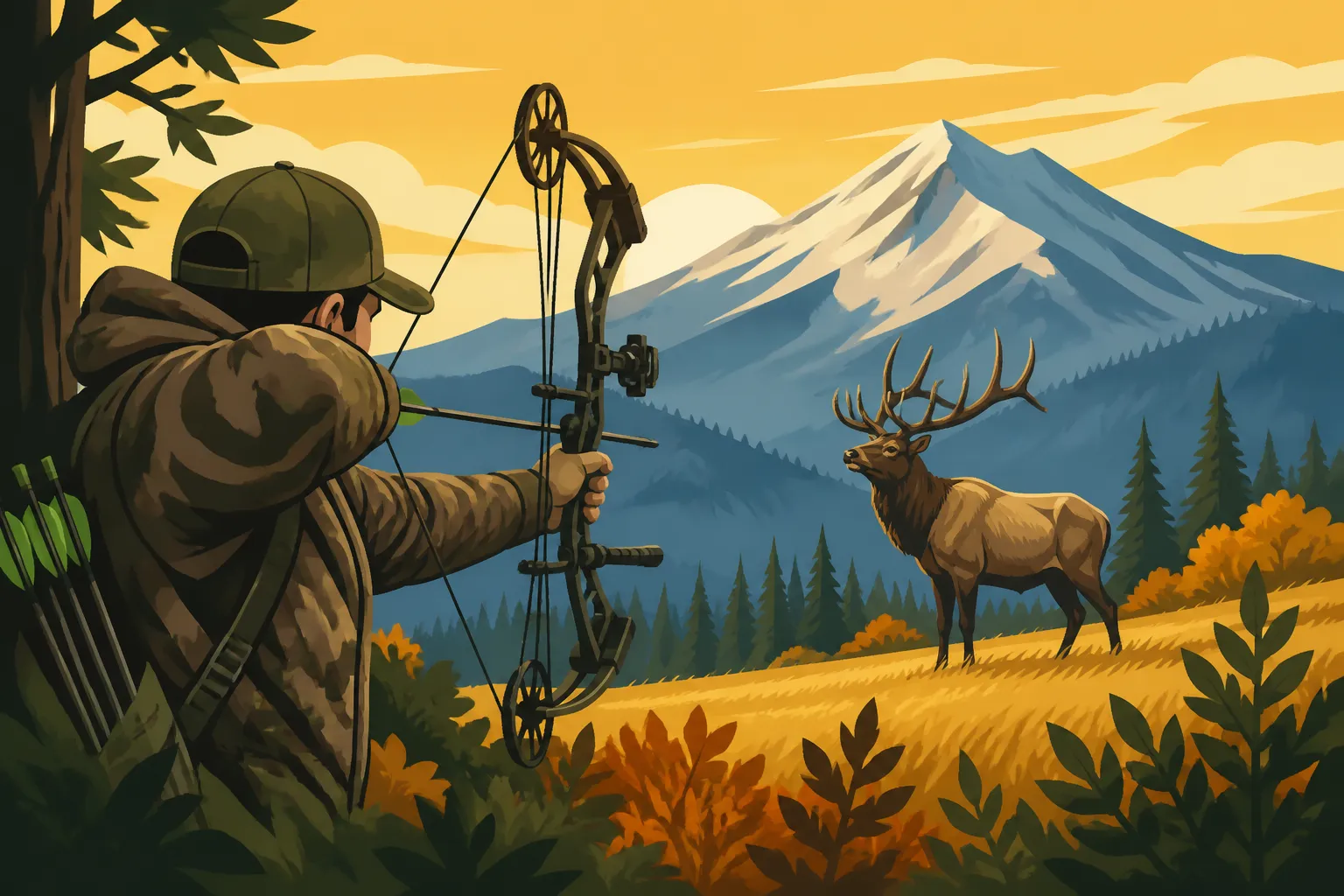
The crisp air of a September morning, the bugle of an elk echoing through the timber, and the almost unbearable tension of drawing back your bowstring on a bull you’ve pursued for days – this is the dream for many Washington archery hunters. But the reality often involves relentless rain, steep terrain, tricky winds, and elk that seem to vanish into thin air. This guide is dedicated to navigating the unique challenges and incredible rewards of archery elk hunting in Washington's early season, helping you put together a solid plan for success.
Understanding Washington's September Archery Season
Washington's archery elk season in September is a time of incredible opportunity, but it also demands a deep understanding of the regulations, the specific units, and the subtle differences between hunting the east and west sides of the state. It’s not just about showing up with a bow; it’s about preparation and strategic thinking before you even set foot in the woods.
Key Dates and Regulations
The September archery season is often one of the earliest opportunities to chase elk in Washington, typically opening in early September and running for several weeks. These dates are absolutely crucial and can shift slightly year-to-year, so always double-check the current Washington Fish and Wildlife (WDFW) hunting pamphlet. You’ll need a valid Washington hunting license and an elk tag specific to your chosen weapon (archery) and the general area (Eastside or Westside). Misreading a date or a specific unit boundary can quickly turn an exciting hunt into a costly mistake, so pay close attention to the details.
Beyond the season dates, understanding legal shooting hours, the definition of a legal bull (some units are spike-only or have minimum point restrictions), and any specific weapon restrictions for your Game Management Unit (GMU) is paramount. For instance, while you’re carrying a bow, you still need to be aware of any areas that might be designated as Washington Firearm Restriction Areas if you plan on carrying a sidearm for protection. It’s not just about what you can do, but what’s explicitly prohibited in certain zones. Always remember that the responsibility for knowing and following the law falls squarely on the hunter.
General Season Versus Special Permit Hunts
Many archery elk hunters will be participating in the general season, which offers over-the-counter tags for specific GMUs, either Eastside or Westside. These are often accessible hunts on public lands, but they can also see significant hunting pressure, especially during opening weekend. Success in general season archery often comes down to scouting diligently, getting off the beaten path, and being persistent when other hunters might give up. These hunts are a fantastic way to learn the ropes and enjoy the raw challenge of archery hunting.
However, Washington also offers special permit hunts, which are highly coveted tags drawn through an application process. These hunts can offer longer seasons, earlier dates, or access to units with higher bull-to-cow ratios and older-age-class bulls. The odds of drawing a special permit can be incredibly low, especially for the premium units, but the potential reward often makes the application fee worthwhile. Understanding the differences between Washington General Season Versus Special Permit Hunts is key to planning your hunting strategy, whether you're focusing on general season success or trying to stack the odds in your favor with a limited-entry tag.
Eastside Versus Westside Considerations
Washington is essentially split down the middle by the Cascade Mountain Range, creating two distinct hunting environments that profoundly impact archery elk hunting. The "Eastside" generally refers to the dryer, more open country east of the Cascades, characterized by vast tracts of Ponderosa pine, sagebrush flats, and steep, broken canyons. Here, glassing plays a much larger role, and long-range shooting opportunities are more common for rifle hunters, but for archers, it means closing the distance through stealth in open areas. The Rocky Mountain Elk East of the Washington Cascades are often found in these areas, and their behavior is heavily influenced by the more arid conditions.
Conversely, the "Westside" encompasses the lush, dense rainforests and steep, timbered mountains of Western Washington. This is the domain of the Roosevelt Elk of Western Washington, known for their incredible size and tendency to inhabit the thickest, nastiest cover imaginable. Hunting here is often an intimate, up-close affair, demanding extreme stealth, patience, and a willingness to navigate incredibly dense vegetation. Rain is almost a given, even in September, making gear choices and staying dry paramount. Each region demands a different set of tactics, from scouting to calling, and understanding these fundamental differences is crucial for any archery hunter in Washington.
Elk Behavior in Early September
September is a dynamic month for elk. It's the cusp of the rut, a time of transition where bulls are shedding their velvet, rejoining cows, and starting to establish dominance. Understanding these shifts in behavior is paramount for an archery hunter, as their patterns dictate your approach.
Pre-Rut to Early Rut Dynamics
At the very beginning of September, especially in units with later rutting activity, you might encounter bulls that are still in bachelor groups, focused primarily on feeding and regaining strength after shedding velvet. They'll be relatively quiet, not bugling much, and often found in open areas or on the edges of meadows. As the month progresses, and daylight hours shorten, the testosterone levels in bulls surge, initiating the frantic period of the rut. Bulls begin to separate from their bachelor groups, seeking out cows, and their vocalizations pick up dramatically.
The early rut is characterized by an increase in bugling activity as bulls begin to challenge each other and gather their harems. This is the sweet spot for many archery hunters, as bulls are more responsive to calls and more willing to expose themselves as they move between cows or respond to rivals. However, they aren't fully committed yet, meaning they can be a bit more cautious than in the full-blown, chaotic peak of the rut later in the month. Observing these subtle shifts and understanding the local herd's specific timing will dramatically increase your chances of success.
Feeding and Bedding Patterns
In early September, elk are still primarily focused on nutrition, stocking up calories before the energy-intensive rut kicks into full swing. This means they'll often be found in areas with abundant forage, such as high-country meadows, clearcuts with lush regrowth, or irrigated agricultural fields (if you have private land access). They'll typically feed heavily in the evenings and early mornings, often continuing into the cooler parts of the day. As hunters enter the woods, they frequently make the mistake of focusing too much on calling and not enough on simply locating fresh feeding areas.
Once the sun rises and temperatures climb, elk will move to bedding areas – dense thermal cover, north-facing slopes, or thick stands of timber where they can rest, ruminate, and avoid predators. On the Westside, this might be impenetrable stands of second-growth fir, while on the Eastside, it could be the thick timber pockets within steep canyons. Understanding these patterns allows you to position yourself between feeding and bedding areas, anticipating their movements. Learning Where Blacktails Bed in Reprod can offer some transferable insights, as both deer and elk often seek similar types of cover in dense forest.
Water Sources and Wallows
Water is a non-negotiable requirement for all elk, and in early September, especially in dryer Eastside units, water sources can be critical choke points. Elk will visit springs, seeps, creeks, and stock ponds throughout the day, particularly during warmer periods. Identifying these water sources during your scouting efforts, whether physical or using tools like GoHunt satellite imagery, can reveal key travel corridors and congregation areas.
Beyond simply drinking, bulls (and sometimes cows) are drawn to wallows, which are muddy depressions where they roll to cool down, deter insects, and spread their scent. Wallows become increasingly active as the rut approaches, serving as signposts for breeding activity. A fresh, muddy wallow with strong elk scent is a prime location to set up an ambush or to begin calling from. Look for broken branches, rubbed saplings, and fresh tracks around these muddy spots. Often, the bigger the bull, the more he'll utilize and mark these areas, so don't overlook a good wallow – it's often a bulletin board for a mature bull.
Essential Archery Gear and Setup
Archery elk hunting in Washington is demanding on both the hunter and their gear. The rugged terrain, variable weather, and the sheer power of an elk mean that your equipment needs to be in top shape and perfectly suited for the task. Skimping on quality here can literally cost you an animal.
Bows, Arrows, and Broadheads
Your bow is, of course, the heart of your archery setup. For elk, a compound bow with a draw weight that you can comfortably and consistently shoot accurately is essential. While many archers aim for 60-70 pounds, ultimately, smooth execution and tight groups at various ranges are more important than raw poundage. Ensure your bow is perfectly tuned; broadheads should fly identically to field points. This is where Bow Tuning Before the Season really pays off. A poorly tuned bow will amplify any inconsistencies, leading to missed shots or, worse, a wounded animal.
Arrows need to be properly spined for your bow and draw weight, and they must meet Washington's minimum weight requirement (350 grains for big game). Heavier arrows generally carry more kinetic energy and momentum, which is crucial for deep penetration on an animal as tough as an elk. For broadheads, Washington has specific rules, including a minimum cutting width of seven-eighths of an inch. While both fixed-blade and mechanical broadheads are legal, many experienced elk hunters prefer robust fixed-blade heads for their reliability and penetration on tough hide and bone. Regardless of your choice, ensure they are razor-sharp.
Optics and Rangefinders for Archery
Even in the dense timber of Western Washington, good optics are indispensable. A quality pair of 10×42 binoculars is the workhorse for most archery elk hunters. They allow you to pick apart distant hillsides, identify elk sign, and confirm legal antler configurations without spooking game. If you’re hunting more open country on the Eastside, you might even consider a pair of 15×56 binoculars on a tripod for extended glassing sessions. Understanding Choosing Binoculars for Washington Glassing can help you make the right choice for your specific hunting style and terrain.
A reliable rangefinder with angle compensation is absolutely non-negotiable for archery elk hunting. Unlike rifle hunting, where a few yards off might not make a huge difference, precise yardage is critical for accurate arrow placement, especially in steep terrain. Practice ranging objects at various distances and angles, quickly and quietly. Knowing your exact pin gap for different yardages under pressure is a skill that must be honed before the season. Having a quick, clear range can mean the difference between a clean kill and a frustrating miss.
Clothing and Rain Gear for Variable Conditions
Washington weather, especially in September, is notoriously unpredictable. You can start the day in a heavy frost, be sweating in 70-degree sun by midday, and finish with a cold, driving rain. Layering is your best friend. A good base layer that wicks moisture, an insulating mid-layer (fleece or puff jacket), and a bombproof outer shell are essential. On the Westside, specifically, investing in Rain Gear That Survives a Washington Westside Season is not just a comfort choice, it's a safety choice to prevent hypothermia. Look for quiet, durable waterproof-breathable fabrics that won't rustle as you stalk through brush.
Footwear is another critical component. You'll be covering miles of steep, uneven, and often wet terrain. A supportive, waterproof boot with excellent ankle support is a must. Ensure they are well broken in to avoid blisters, which can quickly ruin a hunt. For Westside hunting, gaiters can be incredibly helpful for keeping mud, water, and debris out of your boots. Remember, comfort and protection from the elements directly impact your ability to stay in the field and remain focused, which is key to success on a challenging archery elk hunt.
Scouting and E-Scouting for Archery Elk
Success in Washington archery elk hunting rarely happens by accident. It's the culmination of diligent scouting, both in the field and from your computer. Putting in the pre-season work allows you to understand the terrain, the elk's habits, and where to focus your efforts when the season finally arrives.
Pre-Season Field Scouting Techniques
Nothing beats putting boots on the ground. Ideally, you want to scout your chosen unit several times before the season opens, looking for fresh elk sign: tracks, droppings, rubs, wallows, and active feeding areas. Pay close attention to travel corridors between bedding and feeding areas, especially those offering cover. In September, bulls will be starting to spar and rub, so look for fresh rubs on smaller trees. These are often indicators of resident bulls.
Walk the ridge lines, explore clearcuts, and hike into dark timber. Note areas of heavy use, but also consider where elk might retreat to avoid pressure. During your field scouting, practice moving quietly through the terrain with your bow. Identify potential ambush points, understand the prevailing winds, and visualize how you would approach a calling setup. This hands-on experience, understanding the actual terrain and vegetation, is irreplaceable for your hunting plan. For a deeper dive into this, check out Public Land Scouting in Washington Before Opening Day.
Utilizing Digital Tools Like GoHunt
In today's hunting world, digital scouting tools are incredibly powerful and have revolutionized the way many of us approach pre-season preparation. Platforms like GoHunt, onX Hunt, and others allow you to "e-scout" extensively from home, saving you countless hours and miles. You can analyze satellite imagery to identify potential bedding areas (dark timber, north-facing slopes), feeding areas (clearings, recent burns, riparian zones), and water sources. Layering public land boundaries, roads (especially green dot roads in Washington), and topographical maps allows you to pinpoint access points and visualize elevation changes.
Using GoHunt, for example, you can identify historical elk locations, migration patterns, and even recent harvest data if available for certain units. This allows you to narrow down your focus to high-potential areas before you ever step foot in the woods. You can mark waypoints for potential camp spots, hidden water sources, or escape routes. This digital reconnaissance, combined with your boots-on-the-ground scouting, creates a comprehensive picture, allowing you to formulate a strategic plan long before opening day. Understanding E-Scouting Washington GMUs Before the Draw is a crucial skill for any serious hunter.
Reading Sign and Locating Active Areas
Learning to "read" the woods is a fundamental skill for any elk hunter. Fresh tracks are a clear indicator of recent elk presence. Pay attention to their size (larger tracks for bulls), direction of travel, and how deep they're pressed into the earth. Fresh droppings can tell you how recently elk were in an area and what they're currently eating. Green, soft droppings are very recent, while dry, cracked ones are older.
Rubs on trees indicate where bulls have been stripping velvet or marking territory. Larger, more numerous rubs often signal a mature bull. Wallows, as mentioned, are key indicators of activity, especially if they’re fresh and muddy. Also, listen for distant bugles or cow calls during your scouting trips – these can reveal the general whereabouts of elk and their current vocalization levels. Put all these pieces of the puzzle together, and you start to paint a picture of where elk are living, moving, and where they might be vulnerable to an archery hunter. The more fresh sign you find, the higher your chances of encountering elk during the season.
Calling Strategies for September Bulls
The September rut is prime time for calling, but it's not a free-for-all. Successful calling requires nuance, patience, and a deep understanding of what different elk vocalizations mean and how bulls are likely to respond to them in the early season.
Locating Calls and Aggressive Bugling
In the early weeks of September, before the rut peaks, bulls might not be as vocal as they will be later in the month. However, a well-timed "locator" bugle can often elicit a response. This isn't necessarily a challenge call; it's more of an inquiry, trying to get a bull to reveal his position. A short, sharp bugle from a distant ridge or a strategic location can often get a bull to answer, especially at first light or last light. Once you get a response, you can begin to pinpoint their general location and plan your approach.
As the rut progresses, and if you encounter a bull that's actively bugling, you can start to incorporate more aggressive bugling. This mimics a rival bull, challenging his dominance and attempting to draw him into range. However, caution is advised: an aggressive bugle can also cause a satellite bull to skirt wide or a timid bull to shut up. Always try to assess the bull's temperament from his initial responses. If he's hot and heavy, screaming back at you, a more aggressive approach might be warranted. If he's hesitant, a more subtle, cow-centric strategy might be better. Learning the intricacies of Bugling and Cow Calling in Washington's Archery Elk Season can be incredibly beneficial.
Cow Calls and Decoy Setups
Cow calls are often the most effective and least threatening calls for an archery hunter, especially in the early rut. They appeal to a bull's desire to find cows, rather than challenging his dominance. Soft, intermittent cow and calf calls can pique a bull's interest and draw him in, especially if he's alone or struggling to gather his own harem. A string of nervous cow calls can often mimic a lost cow, making a bull curious enough to investigate.
Combining cow calls with a decoy can be a deadly tactic, particularly for solo hunters or smaller groups. A cow decoy, strategically placed, can draw a bull's attention away from the caller, allowing the shooter to position themselves for a shot. Imagine a bull bugling in the distance; you respond with soft cow calls, and he works his way in, focusing on the decoy while you wait patiently with your bow drawn. The key is setting up so the bull has to come within bow range to investigate the "cow." This requires careful planning of wind, terrain, and shooting lanes.
Silent Approaches and Still-Hunting
Sometimes, the best calling strategy is no calling at all. If you locate elk by sight or hear a distant bugle that seems to be moving away, a silent approach might be your best bet. Still-hunting, moving incredibly slowly and deliberately through the timber, pausing frequently to observe and listen, can be incredibly effective, especially in the dense Westside forests where visibility is limited. This is about slipping into their world undetected.
When still-hunting, pay extreme attention to the wind, your scent, and every single step you take. Break up your outline, use natural cover, and try to move only when the wind is rustling leaves or other sounds can mask your movement. This method is incredibly demanding on patience and focus, but it often yields close-range encounters with unsuspecting elk. It’s also crucial for those times when bulls simply aren't responsive to calls. For tips on stealthy movement, consider looking into Still-Hunting Blacktails in Wet Washington Brush, as many of the principles apply to elk.
Stalking and Shot Opportunities
Getting within bow range of a wary bull elk is one of the most challenging aspects of archery hunting. It requires a delicate balance of stealth, knowledge of the terrain, understanding of elk behavior, and incredible patience. When the moment finally arrives, quick and decisive action is paramount.
Reading Wind and Terrain
The wind is your absolute master when archery hunting. Elk have an incredible sense of smell, and if they catch your scent, the hunt is over. Always, always pay attention to the wind direction and how it swirls through the terrain. Use a wind checker frequently. Thermals will typically rise in the morning and fall in the evening, so understand how this impacts your scent. Approach from downwind, circling wide if necessary, and use terrain features like ridge lines, drainages, or thick timber to mask your approach and keep the wind in your favor.
Terrain features aren't just for cover; they're also for anticipating elk movement. Elk often utilize natural benches, saddles, and game trails. Use elevation changes to your advantage, stalking along a bench just below or above them, or using a ridge to stay out of sight. A good understanding of the local topography from your scouting, combined with real-time wind assessment, will guide your stalk. The challenge is often finding the balance between using terrain for cover and not exposing yourself to changing winds.
Getting Within Bow Range
This is where the rubber meets the road for an archery hunter. "Bow range" is a personal definition, but for elk, most archers consider it 40 yards or less, with many aiming for 20-30 yards for the most ethical shot. This means getting incredibly close, often within earshot of the animal. It requires extreme stealth, slow movements, and patience. Utilize every bit of available cover – rocks, trees, brush. Move only when the elk's head is down feeding, or if they are looking away.
Don't be afraid to take a long time to cover short distances. A 100-yard stalk might take an hour or more. Focus on placing each foot silently, breaking twigs, and avoiding rustling leaves. If the elk senses something is amiss, freeze instantly. Elk often look for movement, so holding still can save a stalk. If you have a partner, using a caller to distract the bull can provide the precious seconds you need to close the last few yards or draw your bow. The goal is to reach a position where you have a clear, ethical shot at the vitals.
Ethical Shot Placement and Follow-Up
Once you're within range, the moment of truth arrives. Ensure you have a clear shooting lane and confirm the yardage with your rangefinder if possible. Wait for the elk to present an ethical shot—typically broadside or quartering away, exposing the lung/heart area. Avoid straight-on or quartering-to shots, as these dramatically reduce your chances of a clean kill. Aim for the "pocket" behind the shoulder, where the arrow will penetrate both lungs and potentially the heart. For more detail, refer to Shot Placement on a Quartering Elk.
After the shot, watch and listen carefully. Note where the arrow hit, the direction the elk ran, and any sounds you hear. If possible, watch until the animal goes down. Unless you see it drop, resist the urge to immediately follow. Give the elk at least 30-60 minutes (or even longer, up to several hours, especially if the hit seems marginal or if it's a gut shot) to lie down and stiffen. This significantly increases your chances of finding a deceased animal, rather than bumping a wounded one and pushing it further. Mark the exact spot of the shot, and the last place you saw the elk, before beginning your careful blood trail.
Meat Care and Pack Out in Warm Weather
Archery season in September can mean surprisingly warm temperatures, especially on the Eastside or during unseasonably dry Westside periods. This adds a critical layer of urgency to meat care. Ensuring your hard-won elk meat doesn't spoil is just as important as the hunt itself.
Field Dressing and Quartering in the Field
Immediately after an elk is down, the clock starts ticking, especially in warm weather. Rapid cooling of the carcass is vital. This begins with field dressing. Remove all the entrails as quickly as possible to allow the body cavity to cool. You want to get that internal heat out of the animal. If you're deep in the backcountry and plan to pack out in quarters, the gutless method is an excellent technique that allows you to break down the animal without having to open the body cavity fully, minimizing mess and preserving more meat.
The goal is to get the animal broken down into manageable pieces – usually four quarters, the backstraps, tenderloins, neck meat, and any other salvageable meat. Hang the quarters in game bags to allow air circulation and protect them from flies and debris. If you're new to this process, practicing The Gutless Method on an Elk or watching videos beforehand can make a huge difference in efficiency under pressure. The faster you can break it down, the faster it will cool.
Cooling Meat Rapidly
Once the elk is quartered and in game bags, the priority shifts to getting the core temperature down. If you're close to camp or a vehicle and have coolers, get the meat into them with ice as soon as possible. But often, in backcountry situations, this isn't an option. Find a shady, breezy spot, preferably near a snowfield if available (though unlikely in September). Hang the meat bags to allow maximum airflow. If it's warm, consider placing the meat directly on a bed of leaves or pine needles on the ground in the coolest, shadiest spot you can find, and covering it lightly with a tarp if needed, just to keep flies off, but allowing air to circulate.
In consistently warm conditions, you may need to make multiple trips to pack out the meat, or even consider a night-time pack out when temperatures are at their lowest. The critical thing is to prevent bacterial growth, which flourishes in warm, moist environments. Never stack meat directly on top of itself without air circulation, as this traps heat. Proper Field Dressing in Warm Early-Season Weather is not merely a formality; it's a crucial step in ensuring your elk becomes delicious table fare.
Packing Logistics for Elk
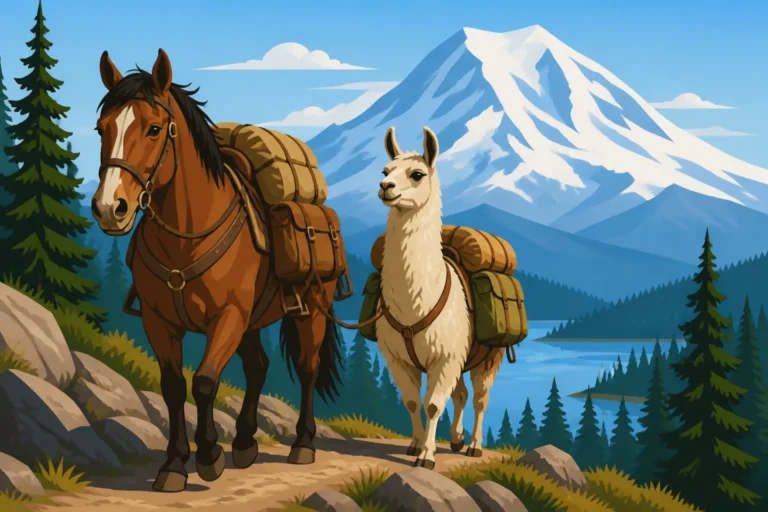
Packing an elk out of the backcountry, especially as a solo hunter or with a small group, is arguably the most physically demanding part of the entire hunt. A mature bull can yield several hundred pounds of meat, bone, and cape. A sturdy frame pack designed for heavy loads is essential. You’ll need to make multiple trips, carefully planning your route, especially if the terrain is steep or thick. Trying to take too much in one trip is a recipe for injury or exhaustion.
Prioritize the best cuts (backstraps, tenderloins, hindquarters) on your first trip if you have to choose, but ultimately, all salvageable meat should be recovered. Utilize the cool morning hours for packing if possible, especially after cooling the meat overnight. Ensure your pack is properly adjusted for the weight, and take frequent breaks. Consider where you parked your vehicle and if there are any road closures that might impact your retrieval route. For hunters with partners, coordinating Quartering and Packing an Elk Solo or as a team can make the difference between a tough but manageable pack-out and a true ordeal.
Overcoming Common Archery Elk Challenges
Archery elk hunting in Washington is a demanding pursuit, and it’s rare for everything to go perfectly. Understanding and preparing for common challenges can help you push through the tough times and ultimately increase your chances of success.
Dealing with Hunting Pressure
Washington's general season archery hunts, especially in easily accessible units, can see significant hunting pressure, particularly on opening weekend. This pressure can make elk wary, cause them to go nocturnal, or push them into the thickest, most inaccessible cover. Don't let this deter you; instead, adapt your strategy. Often, the solution is to simply outwork other hunters.
Be willing to hike further, get into nastier terrain, or hunt during off-peak hours when others are heading back to camp. If you encounter other hunters, be respectful and adjust your plan. Sometimes, fresh pressure can actually push elk your way if you're positioned correctly. Instead of focusing on easily accessible areas, use your scouting and GoHunt maps to identify remote pockets or areas that require extra effort to reach. Elk that have been pressured often "hole up" in these spots, offering opportunities for the persistent hunter.
Navigating Thick Timber and Brush
Western Washington, in particular, is synonymous with dense timber and impenetrable brush like salal and devil's club. Navigating this environment silently with a bow can feel like an impossible task. It’s slow going, it’s noisy, and it’s physically exhausting. This is where patience and meticulous movement come into play. Embrace the slow pace; often, you’re not "walking" through this stuff as much as you are carefully placing each foot, stepping over logs, and easing through thickets.
Utilize game trails whenever possible, as they offer the path of least resistance. When you can’t, pick your steps deliberately, avoiding dry leaves or snapping twigs. Focus on moving only when the wind is rustling, or when the elk's head is down. Your clothing should be durable yet quiet, able to withstand constant snagging without ripping or making excessive noise. Archery practice for Archery Practice for Wet Coastal Conditions also emphasizes the importance of accuracy from awkward positions that are common in dense cover. It’s a grind, but those who endure the brush are often rewarded with close-range encounters.
Mental Fortitude and Persistence
Perhaps the biggest challenge in archery elk hunting isn't physical or equipment-related, but mental. Elk hunting can be incredibly frustrating. You'll have days of hiking miles without seeing a fresh track. You'll have close calls where an elk spooks at the last second. You'll hear bugles that go silent as you approach. It’s easy to get discouraged, question your abilities, and want to give up.
This is where mental toughness and persistence become your greatest assets. Remind yourself why you're out there. Celebrate the small victories – finding fresh sign, making a quiet stalk, hearing a distant bugle. Learn from every mistake and refine your approach. The hunters who ultimately punch their tags are almost always the ones who stick with it, day after day, through the rain, the steep climbs, and the frustrating silences. Believe in your preparation, trust your instincts, and never stop hunting until the season is officially over.
Table: Eastside vs. Westside Archery Elk Hunting in September
| Feature | Eastern Washington (Eastside) | Western Washington (Westside) |
|---|---|---|
| Elk Subspecies | Rocky Mountain Elk | Roosevelt Elk |
| Terrain | Drier, more open, Ponderosa pine, sagebrush, steep canyons | Dense, wet, rainforests, thick timber, steep mountains |
| Primary Method | Glassing, spot & stalk, calling from vantage points | Still-hunting, close-range calling, ambush points |
| Vegetation | More open understory, Ponderosa pine, sage, bitterbrush | Extremely dense brush (salal, devil's club), thick fir |
| Visibility | Generally higher, allows for longer sightlines | Very limited, often less than 50 yards |
| Weather | Can be hot and dry, but cool nights. Less rain. | Often wet, drizzly, foggy. Mild to cool temperatures. |
| Water Sources | Critical focal points, fewer natural sources | Abundant, less of a concentration point |
| Calling Style | Can be aggressive with locator bugles, then subtle cow calls | Often subtle cow/calf calls, more conservative bugles |
| Typical Stalk | Longer, more exposed, using terrain for cover | Shorter, through dense cover, extreme stealth required |
| Pack Out Challenge | Elevation changes, long distances from roads | Dense cover, wet conditions, steep slopes, fewer roads |
| Gear Focus | Durable boots, good optics, layers for temperature swings | Waterproof rain gear, durable quiet clothing, robust boots |
Disclaimer
The information provided in this guide is for general educational purposes only and is not a substitute for official regulations. Hunting regulations, dates, and access rules can change frequently. Always consult the most current Washington Fish and Wildlife (WDFW) hunting pamphlets, regulations, and relevant land management agency rules before planning or undertaking any hunting activity. Ensure you have all required licenses and tags. Hunting carries inherent risks, and safety should always be your top priority.