Gear to Skip on Your First Elk Hunt
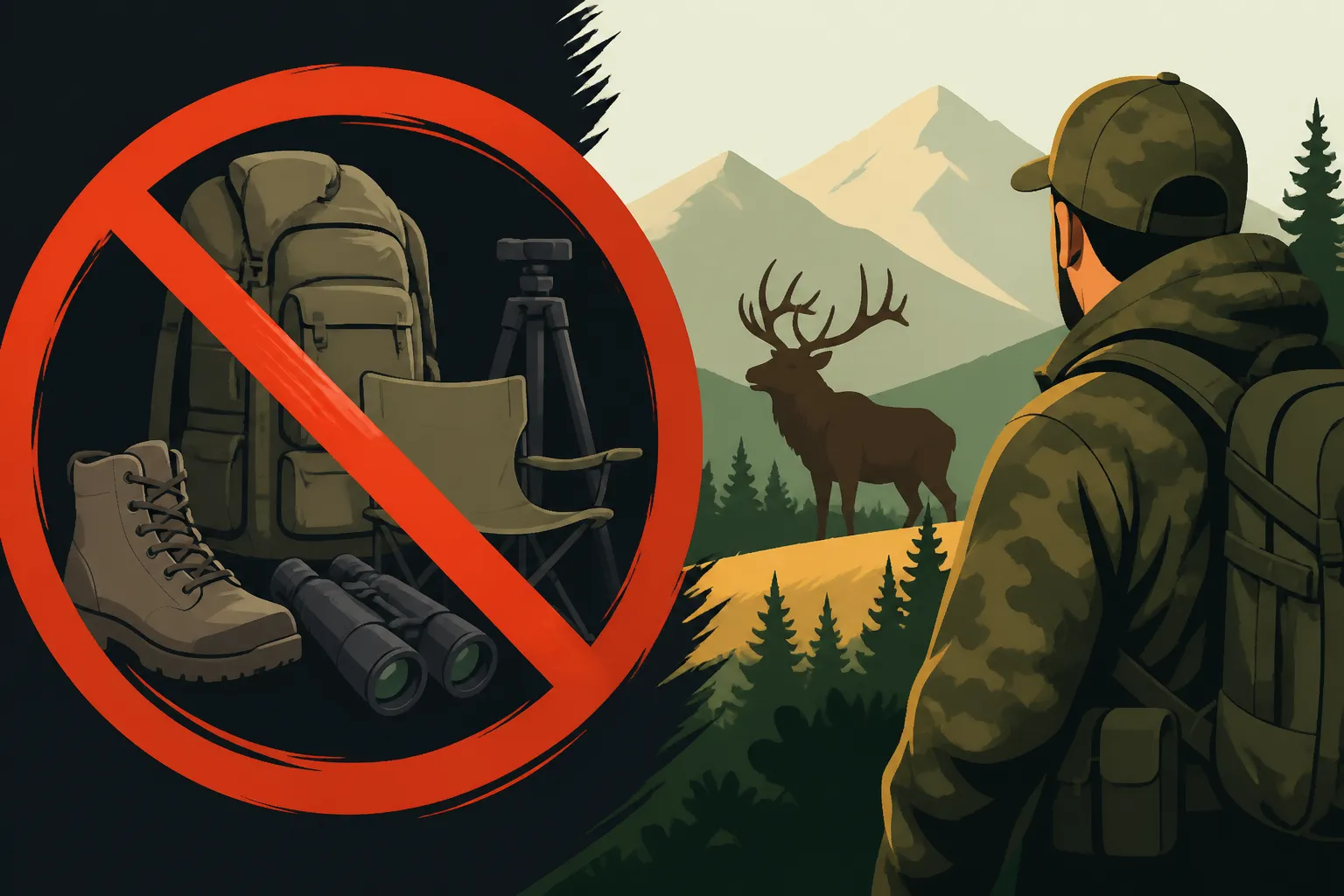
Embarking on your first elk hunt in Washington can feel like preparing for a minor expedition. You scour forums, watch countless videos, and suddenly your online shopping cart is overflowing with every gadget and gizmo imaginable. The truth is, many first-time hunters end up hauling gear they simply don't need, adding unnecessary weight and expense to an already challenging pursuit. This guide is here to help you identify those items you can confidently leave at home, focusing instead on the true essentials that will make your inaugural Washington elk hunt successful and enjoyable.
Overpacking the Wrong Stuff: Common First-Timer Gear Mistakes
It's a natural inclination to want to be prepared for every conceivable scenario, especially when heading into the vastness of Washington's elk country. However, this often leads to a gear closet full of expensive items that see little to no actual use on a real hunt, especially your first one. The goal for a beginner should be efficiency and functionality, not owning the entire catalog.
High-End Optics Overkill
When you read about elk hunting, the emphasis on quality optics is constant, and for good reason. Being able to glass vast landscapes for a flick of an ear or a patch of hide is crucial. However, for your very first elk hunt, especially if you're not planning extended multi-day glassing sessions in open Eastern Washington country, going straight for the top-tier, most expensive binoculars and spotting scopes might be overkill. Many new hunters get caught up in the idea that they need 15×56 binoculars or a 90mm spotting scope right out of the gate.
The reality is that a solid pair of 10×42 binoculars from a reputable mid-range brand will serve you incredibly well for identifying elk at reasonable distances, especially in the thick timber of Western Washington or the rolling hills of the east side where shots might be closer. These smaller, lighter binoculars are much easier to carry all day, quicker to deploy, and less fatiguing to use. Unless you're primarily focused on Glassing Eastern Washington Breaks for Mule Deer or setting up long-range glassing stations, the incremental benefit of top-tier glass doesn't justify the huge cost for a beginner. You're better off putting that money towards better boots or more practical items.
Specialized Calls You Won't Master
Elk calls are undeniably exciting. The thought of bugling back and forth with a bull or enticing a cow with a soft mew is what dreams are made of. This leads many new hunters to buy every type of call available: multiple diaphragm calls, open reed calls, bugles, cow mews, and even electronic calls (though check Electronic Calls and What Washington Allows as regulations vary). The problem? Learning to use these calls effectively takes practice, and often, more practice than a first-time hunter has had before opening day.
Trying to master a dozen different calls in your first season is a recipe for frustration, not success. You'll likely sound unnatural, spooking more elk than you attract. For a first hunt, focus on one or two simple, reliable calls. A basic cow call, either a bite-and-blow or an open reed, and perhaps a simple bugle tube for locator calls, is all you truly need. These are easier to learn and less prone to user error. Concentrate on sounding realistic and understanding when to call and when not to call, rather than having a vast repertoire of poorly executed sounds. There’s a world of difference between owning calls and knowing Cow Calls That Pull a Bull Off His Herd or the Best Bugle Sequence for Early September.
Heavy Camp Luxuries
When you envision a backcountry elk hunt, you might picture a spacious tent, a comfy sleeping pad, and maybe even a portable stove with gourmet meals. While these can be wonderful for established camps or less mobile hunts, for your first foray into Washington's elk woods, especially if you plan to cover ground, anything that isn't absolutely essential for survival and recovery should be left behind. Many hunters arrive with car-camping luxuries packed into their backpacks: extra changes of clothes, massive cook sets, bulky sleeping bags, and elaborate first-aid kits that weigh a ton.
A comfortable camp is nice, but a mobile hunter is often a successful hunter. Your first elk hunt is about learning the ropes, pushing your physical limits, and understanding what you truly need versus what you think you need. Opt for lightweight, packable versions of necessities. A minimalist backpacking tent, a compact sleeping bag appropriate for the expected temperatures, and a simple cooking system are often all you'll need. Every ounce you carry up the mountain is an ounce you have to carry back down, potentially with an elk quarter. Prioritize mobility, and keep Backpack Camps in Washington Wilderness as lean as possible.
When Less is More: Prioritizing Essential Gear for Washington Elk
Instead of focusing on what to skip, let's flip the script and think about what truly matters for your first Washington elk hunt. Investing wisely in a few key categories will pay dividends in comfort, safety, and ultimately, success. These are the workhorses of your kit, the items that will see you through the inevitable challenges of the field.
Focusing on Foundational Clothing and Footwear
Washington weather is famously fickle, especially in the mountains. You can start the day in sunshine, experience rain, hail, or even snow by midday, and finish with a crisp, clear evening. Because of this, your clothing and footwear are not areas to skimp on. Many first-timers pack cotton shirts and jeans, which are disastrous when wet. Cotton absorbs moisture, loses its insulating properties, and can quickly lead to hypothermia in damp, cold conditions.
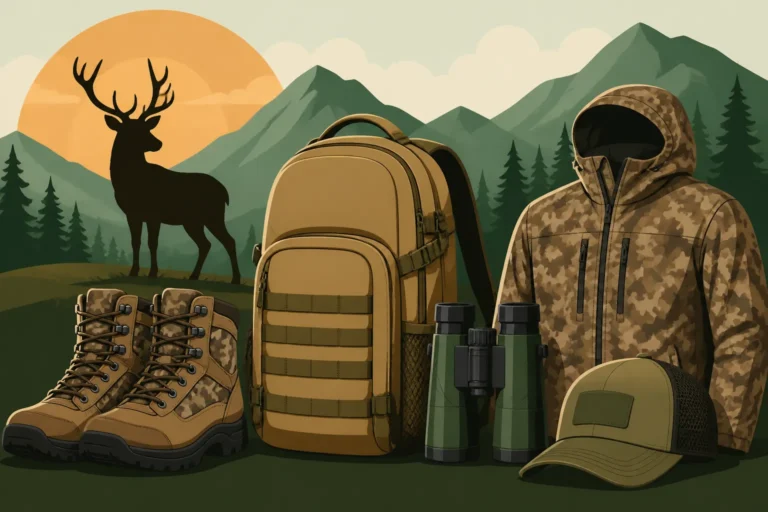
Instead, invest in a quality layering system made of synthetic or merino wool fabrics. This means a good base layer to wick moisture, a mid-layer for insulation, and a reliable, waterproof yet breathable outer shell. Pay close attention to Rain Gear That Survives a Washington Westside Season. For footwear, waterproof, well-fitting hunting boots are non-negotiable. Break them in well before your hunt to avoid blisters, which can quickly derail your efforts. Whether you're navigating the slick, mossy rocks of the Olympics or the dusty, steep hillsides of the Blues, your feet are your primary mode of transportation. Quality boots and gaiters will protect your feet and legs from moisture and abrasive terrain. Don't forget durable socks that manage moisture effectively.
The Right Pack and Meat Care System
You could carry the fanciest rifle and the best optics, but if you can't get your harvest out of the woods, all that effort is for naught. This is where a good pack and a well-thought-out meat care system become absolutely critical, and surprisingly, these are often overlooked by beginners. Many hunters head out with a small daypack, completely unprepared for the reality of packing out hundreds of pounds of meat.
For an elk hunt, you need a pack that is designed to carry heavy, awkward loads. This often means an external frame pack or a robust internal frame pack with a dedicated meat shelf. Don't just look at cubic inches; look at the load-hauling capability and how comfortably it rides with significant weight. Brands like EXO Mountain Gear or Kifaru are popular choices, but even a quality entry-level pack from companies like ALPS OutdoorZ can be a vast improvement over a standard backpacking pack.
Equally important are proper game bags. Skip the cheap pillowcases or tarps; invest in breathable, durable game bags that will protect your meat from flies and debris while allowing it to cool. Add a sharp, reliable knife and a bone saw (or learn The Gutless Method on an Elk) to your kit. These items are the backbone of any successful harvest and will prevent spoilage, ensuring your hard-earned meat makes it to the freezer in prime condition.
Basic Navigation and Safety
In the age of smartphones, it’s easy to assume you’ll always have service and a map at your fingertips. In Washington’s remote hunting units, this is a dangerous assumption. Relying solely on your phone for navigation is a common first-timer mistake. Batteries die, signals disappear, and screens crack. This is why investing in basic, reliable navigation and safety tools is paramount.
A dedicated GPS unit or a robust GPS app like GoHunt, downloaded with offline maps of your hunting area, is essential. Crucially, know how to use it before you step into the woods. Mark your truck, potential water sources, and any key terrain features. Beyond that, carry a physical map and compass and understand how to read them, even if it's just as a backup. Many Washington GMUs, whether you're in the Colville National Forest Hunting in Washington or the Okanogan-Wenatchee Forest Access, will chew up cell service.
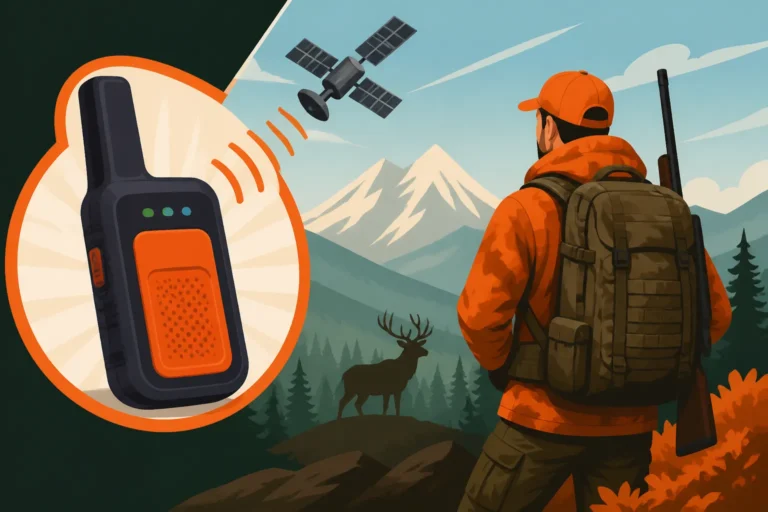
For safety, a basic first-aid kit, a headlamp with extra batteries, fire-starting materials, and a whistle are must-haves. A satellite messenger or two-way radio can be a lifesaver in areas with no cell service, allowing you to communicate in emergencies or just check in with your hunting partners. Leaving a detailed trip plan with someone at home is also a wise practice, ensuring someone knows your whereabouts and when to expect your return.
Renting, Borrowing, or Buying Used: Smart Gear Acquisition Strategies
The financial barrier to entry for elk hunting can be steep. Quality gear is expensive, and accumulating everything you might need can quickly drain your bank account. However, your first elk hunt doesn't need to be an exercise in extreme consumerism. There are smart ways to acquire essential gear without breaking the bank, allowing you to try out the sport before making significant financial commitments.
Leveraging Loaner Programs and Hunter Networks
One of the best ways to get started without a huge upfront investment is to tap into existing resources. Many local hunting clubs, conservation organizations, or even experienced hunter friends are often willing to loan out gear to aspiring new hunters. They understand the cost and want to encourage participation. Don't be shy about asking! You might find a generous mentor who lets you borrow a spare pack, a set of binoculars, or even a weapon. This is an excellent way to try out different brands and styles of gear to see what works for you before committing to a purchase.
Additionally, some outdoor retailers offer rental programs for larger, more expensive items like backpacking tents, high-quality sleeping bags, or even satellite communication devices. While not always specific to hunting, this can be a great way to access top-tier equipment for the duration of your hunt without the purchase price. Think about the big-ticket items you might need for Horse and Llama Packing in Washington versus a solo spike camp – renting can make a lot of sense.
Smart Secondhand Shopping
The used market is a treasure trove for hunters on a budget. Online marketplaces, local sporting goods stores with consignment sections, and dedicated hunting forums often have quality gear for sale. Many experienced hunters upgrade regularly, selling their perfectly functional "old" gear at a fraction of the retail price. You can find excellent deals on everything from sturdy backpacks to high-quality rain gear and even optics.
When buying used, always inspect items thoroughly for damage, wear, and tear. For optics, check the lenses for scratches or fungus. For packs, look at zippers, seams, and buckles. For clothing, ensure zippers work and there are no significant rips. Buying used is a fantastic way to acquire reliable, proven gear without the premium price tag. Just be sure to check any specific regulations if you're considering a used weapon, such as Rifle Setup for Washington Elk and Deer requirements. Many outdoor enthusiasts, including those who use platforms like GoHunt for planning, often list gear they no longer need.
The "Wait and See" Approach for Big Ticket Items
Resist the urge to buy every single piece of gear you think you'll need before your first hunt. Instead, prioritize the absolute essentials that ensure safety, basic comfort, and the ability to pack out an animal. For everything else, take a "wait and see" approach. After your first hunt, you'll have a much clearer understanding of what gear genuinely enhances your experience and what was just dead weight. You'll learn the specific demands of the Washington terrain you hunt, your personal comfort thresholds, and what truly makes a difference.
For instance, you might realize that a simple 10×42 binocular was perfectly adequate for your timber hunt and that a spotting scope would have been cumbersome. Or perhaps you discover that the lightweight backpacking stove you borrowed wasn't quite robust enough for your cooking style. This post-hunt reflection allows you to make informed purchases rather than impulse buys driven by pre-hunt anxiety. Use your first hunt as a learning experience, and let that experience guide your future gear investments.
| Gear Category | Often Skipped for First Hunt? | Why You Might Skip (Initially) | Essential Alternative / Priority |
|---|---|---|---|
| Optics | 15x+ Binoculars, Spotting Scopes | High cost, heavy, steep learning curve for glassing | Quality 10×42 Binos, knowing how to use them |
| Calls | Multiple Specialized Calls | Requires extensive practice, can be counterproductive if misused | 1-2 simple, realistic cow calls, basic locator bugle |
| Camp Luxuries | Large Tent, Heavy Cookware | Adds significant weight, reduces mobility | Lightweight backpacking tent, minimalist cook set |
| Clothing | Cotton Apparel | Poor insulation when wet, slow to dry, dangerous in cold | Layering system (merino/synthetic), waterproof outer shell |
| Footwear | Cheap, Untested Boots | Blisters, wet feet, poor traction | Broken-in, waterproof hunting boots, quality socks |
| Pack System | Small Daypack, Non-Load Bearing | Inadequate for packing out meat, uncomfortable | Load-hauling pack (external/internal frame with meat shelf) |
| Meat Care | Basic Tarps, Dull Knife | Meat spoilage, difficult field dressing | Breathable game bags, sharp knife, bone saw (or gutless) |
| Navigation | Phone-Only reliance | Battery issues, no signal, screen damage | GPS app with offline maps (like GoHunt), physical map/compass |
At the end of the day, your first elk hunt in Washington should be about the experience, the challenge, and the connection to the wild. Don't let gear anxiety or excessive spending overshadow that. Focus on the true essentials, borrow or rent what you can, and learn from every step. Happy hunting!
Disclaimer
This article is for general informational purposes only and does not constitute professional advice. Laws, prices and regulations vary by location and change over time. Consult a qualified professional for guidance on your specific situation.