Cow Calls That Pull a Bull Off His Herd
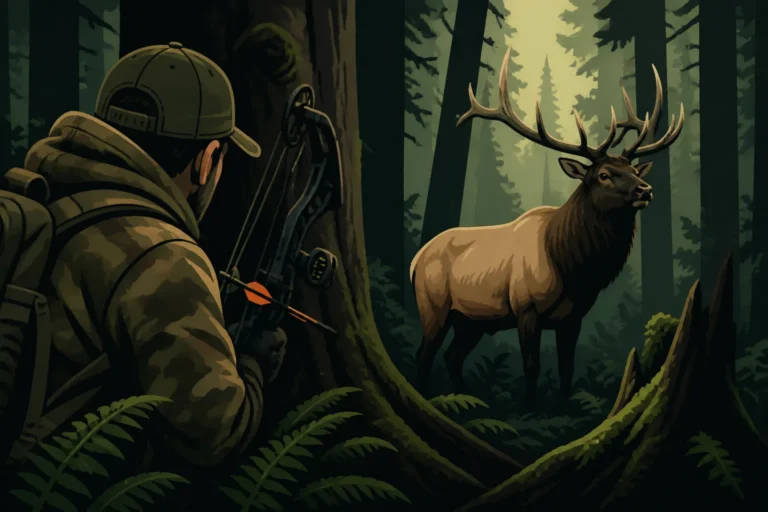
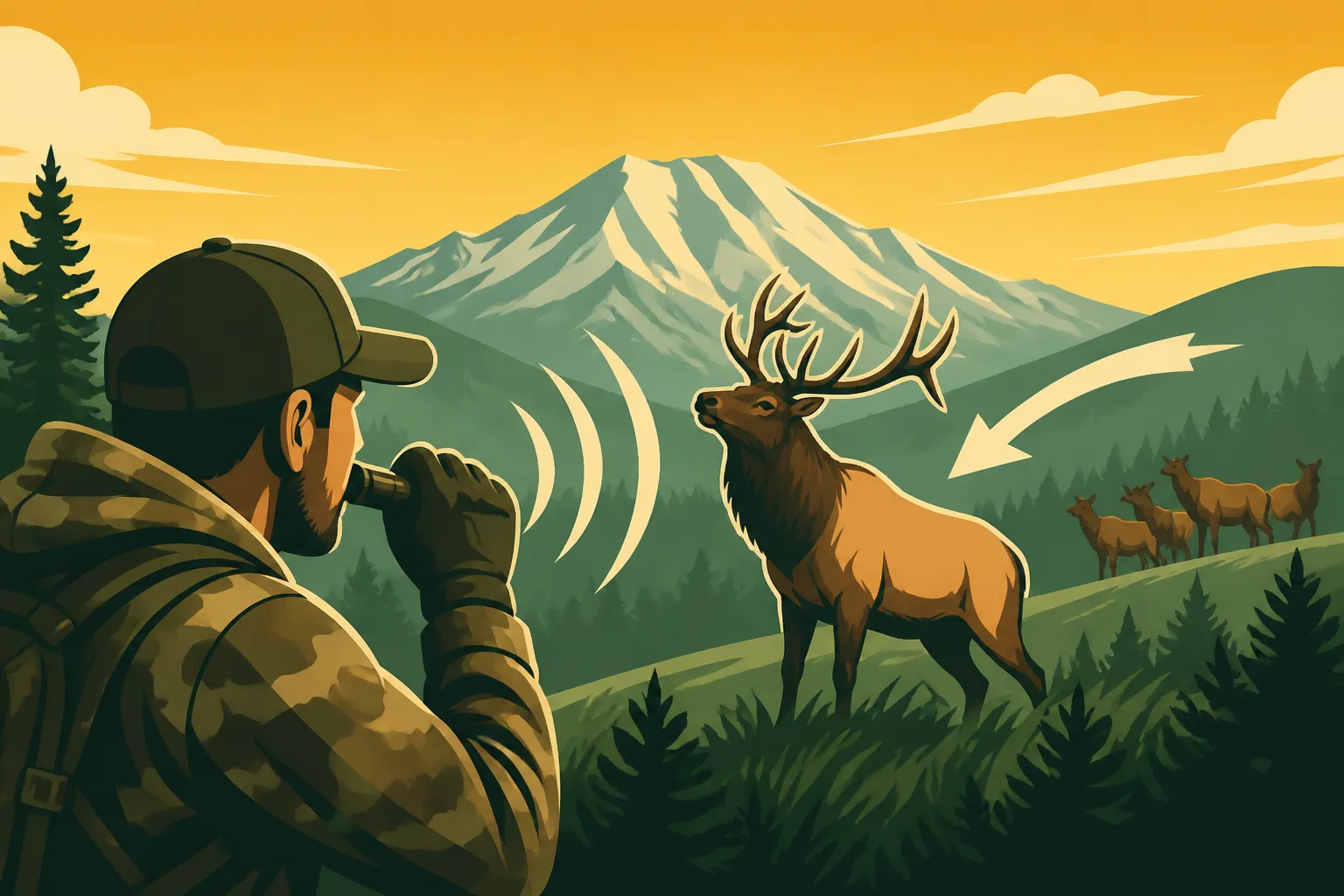
There's nothing quite as frustrating in the elk woods as a bull bugling his head off, clearly interested, but absolutely refusing to leave his cows to come find you. He's within earshot, you can feel the excitement building, but he just won't commit. This guide is all about tackling that specific challenge, helping you fine-tune your cow calls to be the siren song that finally coaxes that bull away from his harem and into your shooting lane here in the diverse landscapes of Washington State.
The Frustration of the Hung-Up Bull: Understanding Why They Stay Put
You've done everything right: located a bull, set up, and started a calling sequence. He's answering, maybe even sounds like he's getting closer, but then… silence, or he just hangs up, bugling occasionally but refusing to advance. It's a classic scenario, and it can drive even the most seasoned hunter absolutely batty. The key to overcoming this isn't just louder calls, it's understanding why he's staying put.
Decoding Herd Dynamics and a Bull's Priorities
A bull’s primary objective during the rut is to breed cows and defend them from rival bulls. His cows are his prize, and he’s invested a lot of energy into gathering and holding them. During the peak of the rut, his focus is almost entirely on his harem. If he has multiple cows in estrus, or soon to be in estrus, leaving them even for a moment poses a risk. Another bull could sneak in, or a hot cow could wander off. This is especially true for the dominant herd bull. He’s the patriarch, and he feels the pressure of maintaining his status. Your cow calls, no matter how enticing, are secondary to the immediate, tangible opportunity he has right in front of him. This deep-seated instinct means you’re fighting against his very nature, particularly with the large, well-established herds like those in the Yakima or Colockum units here in Washington. Sometimes, a bull might push his cows towards the sound of an intruder, hoping to intimidate or gather the new "cow," but he rarely just abandons them.
Reading the Room: When a Bull is Receptive (or Not)
Before you even think about calling a bull off his herd, you need to understand his current "mood." Is he aggressively bugling, constantly herding, and barely taking a breath between challenges? He’s likely locked down with a hot cow and will be very difficult to budge. Conversely, if his bugles are less frequent, sound more like questioning grunts, or he's responding to your calls but not moving, he might be more susceptible to persuasion. A bull that responds with a half-hearted bugle while slowly moving away from you is telling you he’s not interested, or he perceives a threat. Pay close attention to these subtle cues. You might also notice him pushing his cows away from your direction, which is a clear sign he doesn't want them near you. A great way to gather this kind of pre-hunt intelligence is by spending time with tools like E-Scouting Washington GMUs Before the Draw and then verifying on the ground with some strategic Trail Camera Placement on Ridge Saddles to see how bulls are interacting with cows in that specific area before you even begin to hunt.
Crafting the Irresistible Cow Call: Sounds That Spark Curiosity
Making a cow call isn't just about blowing air through a reed. It's about painting a picture in the bull's mind – a picture of an available, perhaps lonely, cow that's worth checking out. You want to sound like a real, living elk, not a frustrated human with a plastic device.
Mastering the Basic Cow Mews and Chirps
The bread and butter of cow calling are the basic mews and chirps. These are the sounds elk make constantly, and they convey a sense of normalcy and presence. A simple "mew" can be a lost cow call, a contact call, or a contentment sound. The key is variety and realism. Practice making short, sweet mews using an open reed call or a diaphragm call. Don't make them too loud or too aggressive initially. Think of a cow searching for her herd or just letting others know she's there. Vary the length and inflection. A soft, pleading lost mew might pique a bull’s interest more than a loud, demanding one, especially if he thinks a cow might be trying to join his herd. Mix in some shorter "chirps" – these are often social calls, indicating a relaxed elk. The goal is to sound like an innocent, available cow, not a challenge. If you're struggling with realism, listen to recordings of actual elk and try to mimic them. Remember, subtlety can be your greatest ally, particularly in areas where elk might be pressured. These calls form the base for many Bugling and Cow Calling in Washington's Archery Elk Season strategies.
Adding Emotion: Estrus Whines and Chatter
Once you've mastered the basics, it's time to add some emotional depth. The estrus whine is arguably the most powerful call for pulling a bull off his cows. This is a longer, more drawn-out mew that typically has a rising and falling inflection, indicating a cow ready to breed. It's a sound that speaks directly to a bull’s strongest instincts. Use it sparingly and strategically. A series of two or three estrus whines, followed by silence, can be incredibly effective. Imagine a bull with his cows, hearing that sound – he knows what it means, and the temptation can be immense. Another effective, though often overlooked, call is "cow chatter" or a series of excited mews and chirps. This can sound like multiple cows interacting, suggesting a new group of elk has arrived. It taps into a bull's possessiveness; he might come to investigate and claim these new arrivals for his herd. But be warned: these are aggressive calls that can also draw in other hunters or unwanted satellite bulls, so always be aware of your surroundings and any other human presence in areas like the Gifford Pinchot National Forest.
Tactical Approaches: Positioning and Patience for Success
It's not just what you call, but how and where you call. Your setup is just as critical as your calling sequence, especially when dealing with a territorial bull already guarding his cows.
The Solo Hunter's Stealthy Strategy
As a solo hunter, you're responsible for both calling and shooting, which adds a layer of complexity. When trying to pull a bull off his herd, your positioning is paramount. You need to sound like you're just out of sight, perhaps over a slight rise or behind a thick stand of timber. This creates curiosity without giving the bull a visual confirmation of danger. Use the wind to your advantage, always keeping it in your face or quartering. Once you make your calls, quickly move silently 30-50 yards back or to the side, maintaining cover. This makes the bull think the "cow" is moving away, often prompting him to advance to cut her off. This technique, often called "calling and moving," can be incredibly effective. However, it requires intense focus and often a painfully slow pace, mimicking the natural movement of an elk. Patience is a solo hunter's best friend. You've got to commit to that spot for a while, letting your calls work, even if it feels like forever. Using a mapping app like GoHunt to understand contour lines and vegetation before you even step foot in the woods can help you identify these ideal calling and moving lanes.
Dynamic Duos: The Power of a Two-Man Setup
For pulling a herd bull, a two-man setup is often the most effective strategy. This involves a caller and a shooter, positioned separately. The caller sets up 50-100 yards behind or to the side of the shooter, drawing the bull's attention. The shooter positions themselves in a likely shooting lane, concealed and ready. The caller's job is to sound like a cow trying to move away from the herd, using those seductive estrus whines and mews. The bull, hearing the "cow" moving, will often try to cut her off, moving past the caller and right into the shooter's lap. This setup minimizes movement by the shooter and allows the caller to be more aggressive with their sounds without immediate risk of being spotted. It’s a classic play that often makes the difference between a bull hanging up and a bull coming to investigate. For a deeper dive into this specific strategy, check out "Two-Man Calling Setups on Elk". This approach, when executed correctly, can be incredibly effective, especially in dense timber where visibility is limited, as is common in Western Washington during Archery Elk Hunting in Washington's September Season.
What to Do When He Won't Budge: Adapting Your Approach
Even with perfect calls and a great setup, some bulls are just plain stubborn. It's not a failure on your part, it's just a reminder that elk are wild animals, and they don't always read the script. But don't despair! There are still tactics you can employ.
Dealing with the "Hang-Up" Bull
The "hang-up" bull is the one who answers every call, gets close, but just won't come into view. He's usually just out of range or behind a thick patch of trees, content to stand there and bugle. This is where patience turns into strategy. First, go silent for a while. Sometimes, the sudden absence of a tempting cow can make him nervous enough to investigate. Wait 10-15 minutes. If he bugles, try a very soft, questioning mew or chirp. If that doesn't work, consider a subtle move. Can you silently stalk 20-30 yards forward, staying in cover, to get a better angle or to make him think the cow moved closer? Or, as mentioned for solo hunters, subtly move away to make him believe the "cow" is leaving his area. Another option is a very soft, almost imperceptible "hoof stomp" or "branch break" noise, mimicking another elk. This might convince him to move a few steps to see what's happening. The key is to be extremely careful; any sudden movement or unnatural sound will blow the whole setup. Understanding "When Bulls Stop Answering in Late Archery" can also provide valuable insights into adapting your calling strategy during different phases of the rut.
Outsmarting Satellite Bulls and Dominant Herds
Sometimes, your calls attract not the herd bull you want, but a younger, less dominant satellite bull. While it's tempting to shoot the satellite, if you're holding out for the big guy, you need to manage the situation. If a satellite bull approaches, try to ignore him initially. Continue calling as if he's not there, hoping the herd bull hears your calls over the satellite's commotion. Sometimes, a subtle grunt from you can push the satellite away, as he perceives a larger bull (you) is already present.
When dealing with the entire herd, which is typically a wall of eyes and ears, it’s incredibly difficult to get the herd bull to step out. One tactic is to bypass the herd bull entirely and try to talk to a cow. If you can get a cow to break away and come investigate your calls, the herd bull will often follow, desperately trying to keep his herd together. Another approach is to sound like a rival bull challenging the herd bull, incorporating some aggressive bugles with your cow calls. This might make the herd bull feel he needs to come over and show you who's boss, potentially giving you a shot. However, aggressive bugling can also cause the entire herd to flee, especially if they are heavily pressured. Use this option with caution. Remember, for those big Roosevelt bulls in Western Washington, they typically "Roosevelt Bulls and Why They Bugle Less", so your cow calling strategy might need to be even more refined.
Here's a quick comparison of common cow calls and their typical effects:
| Call Type | Sound Description | When to Use It | Expected Bull Response | Risk Factor |
|---|---|---|---|---|
| Lost Mew | Soft, pleading, often drawn out | Early in a sequence, to sound curious/vulnerable | Mild curiosity, may move slowly towards sound | Low |
| Contact Chirp | Short, sharp, higher pitched | To indicate presence, social calls | Acknowledge presence, may respond with a mew | Low |
| Estrus Whine | Long, nasally, rising & falling pitch | To convey readiness to breed, highly enticing | Strong curiosity, likely to approach faster | Medium |
| Estrus Chatter | Series of excited mews and chirps | To simulate multiple excited cows | Strong curiosity, protective instinct to gather | Medium |
Bringing a Bull Off His Herd Takes Finesse
Ultimately, pulling a bull off his herd is one of the most challenging, yet rewarding, accomplishments in elk hunting. It demands patience, meticulous observation of elk behavior, and a deep understanding of your calls. It’s a dance of temptation and strategy, requiring you to be both a master mimic and a tactical planner. Don't get discouraged if it doesn't work every time; these are wild animals with their own agendas. But with practice, paying attention to the details, and constantly adapting, you'll find those moments when a bull finally breaks away from his cows, looking for that irresistible sound, and steps into your world. That’s when all the effort truly pays off.
Disclaimer
Hunting is an inherently dangerous activity. Always prioritize safety, understand and follow all Washington Department of Fish and Wildlife regulations, and be prepared for rapidly changing conditions. The information provided here is for educational purposes only and should not replace professional guidance or personal experience.