Electronic Calls and What Washington Allows
It can be incredibly frustrating trying to keep up with all the changing rules and regulations when you're just trying to enjoy a hunt, especially when it comes to technology. Many of us see these slick electronic calls advertised and wonder if they're a legitimate tool for our Washington hunts. This guide is here to clear up the confusion surrounding electronic calls and what exactly Washington state law allows you to use in the field, helping you stay legal and ethical.
The Lure of the Electronic Call and the Washington Hunter's Dilemma
For years, hunters have relied on their voice, mouth calls, or various manual devices to mimic the sounds of game, bringing animals closer. But with the rapid advancements in technology, electronic calls have entered the scene, offering a new dimension to calling. It's a tempting prospect for many, but for Washington hunters, it often comes with a big question mark.
Why Hunters are Drawn to Electronic Calls
Let's be honest, the appeal of electronic calls is pretty strong. For starters, they offer incredible consistency. A hunter might struggle to perfectly replicate a specific bugle or distress call with a mouth reed, but an electronic device can play a flawless sound loop every single time. This consistency removes a huge variable from the calling equation, making it seem like a shortcut to success. You can often choose from a vast library of calls for different species, age classes, and scenarios, all at the touch of a button. Many units come with remote controls, allowing you to place the speaker away from your position, which can be a huge advantage for wary animals. For new hunters, or those still developing their calling skills, an electronic call can feel like a safety net, offering confidence even if their manual calling isn't quite perfected.
The Regulatory Landscape: Why it's Confusing
The biggest headache for hunters, myself included, is often the sheer volume and complexity of regulations. What's legal in one state might be strictly prohibited in another, and even within Washington, rules can vary by species or weapon type. This patchwork of regulations, combined with the constant evolution of hunting gear, makes it tough to know where you stand. You hear stories from friends, read different interpretations online, and suddenly a simple question like "Can I use an e-caller?" turns into an hour-long research project. It’s enough to make you want to throw your hands up! The Washington Department of Fish and Wildlife (WDFW) aims to clarify these rules in their annual hunting pamphlets, but even those can require careful reading and cross-referencing to truly understand the nuances, especially when new technology emerges faster than the rule-making process.
Washington's Rules on Electronic Calls: The Nitty-Gritty Details
So, let's get down to brass tacks: what does Washington actually allow when it comes to electronic calls? It's crucial to understand these distinctions, as violations can lead to hefty fines, loss of hunting privileges, and even confiscation of your gear. Nobody wants that, especially when you're out trying to enjoy the stunning landscapes Washington has to offer.
General Prohibition for Big Game
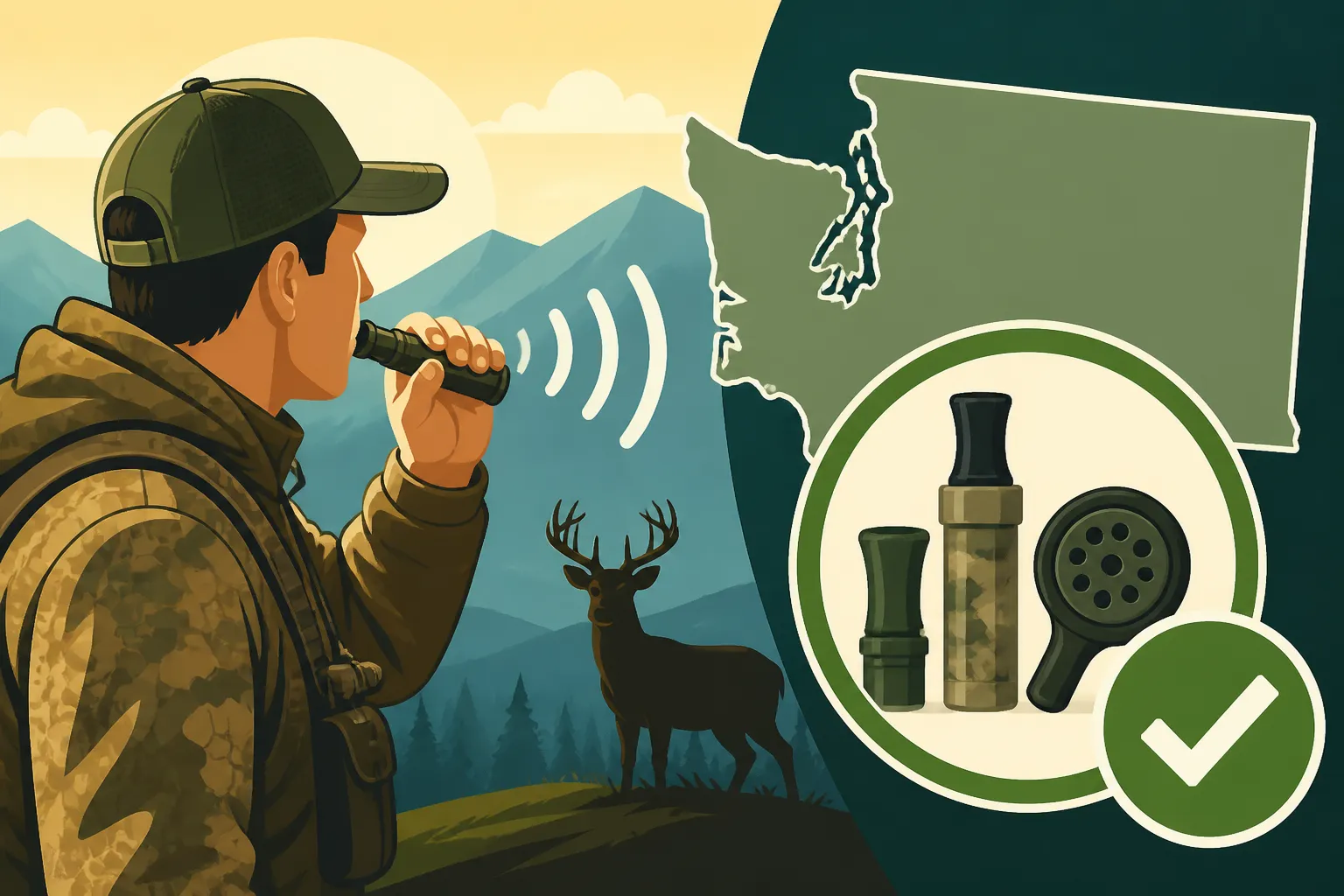
Here's the most important point for many big game hunters: electronic calls are generally prohibited for hunting big game in Washington State. This means you cannot use them to hunt elk, deer (blacktail, mule deer, or whitetail), bear, or cougar. This prohibition is rooted in the "fair chase" principle, which aims to give the animal a reasonable chance of escape and prevent hunters from having an unfair advantage through technological means. The idea is to keep hunting challenging and ethical, relying more on a hunter's skill, woodcraft, and ability to mimic natural sounds, rather than pushing a button. So, that fancy remote-controlled speaker playing a perfect bull bugle? Leave it at home if you're chasing elk. This applies across all weapon seasons – archery, muzzleloader, and modern firearm. If you're planning for your Washington Elk Hunting Tactics by Weapon Season, remember this critical rule.
Exceptions for Certain Species
While big game is largely off-limits, Washington does make exceptions for certain other species. This is where the confusion often comes in, because it's not a blanket ban on all electronic calls. If you're targeting specific predators or furbearers, you might be in luck. Electronic calls are generally legal for hunting coyotes, bobcats, fox, and other unclassified furbearers. This distinction often arises from wildlife management goals, where controlling predator populations can sometimes be a higher priority, and the "fair chase" principle is applied differently. Similarly, for certain migratory game birds, like waterfowl and turkeys, federal and state regulations often allow the use of electronic calls, especially when used for specific purposes like attracting flocks into decoys, though even these can have nuanced rules depending on the species and season. We'll delve deeper into these specific exceptions shortly.
What Constitutes an "Electronic Call"
The definition of an "electronic call" is fairly broad in Washington, and it's important to understand what falls under this umbrella to avoid accidental violations. It's not just about those specialized remote-controlled game callers. An "electronic call" generally refers to any device that projects recorded or electronically synthesized game sounds. This includes:
- Dedicated Electronic Game Calls: These are purpose-built devices, often with remote controls, pre-loaded sound libraries, and powerful speakers, like those made by brands such as Foxpro or Lucky Duck.
- Smartphone Apps or MP3 Players with External Speakers: If you're using an app on your phone that plays a deer bleat or an elk bugle, and you amplify it with an external speaker, that's considered an electronic call. Even if the sound is coming directly from your phone's speaker, it could still be interpreted as an electronic device used to lure game.
- Any other electronic device that emits game sounds: If it's electronic and it's making an animal sound to attract that animal, it's likely covered by the prohibition.
The key is the electronic generation or reproduction of the sound, and its intent to attract game. When in doubt, it’s always best to err on the side of caution or consult the WDFW regulations directly.
Navigating the Rules and Ethical Considerations
Understanding the specific laws is one thing, but knowing how to stay on the right side of those laws, and considering the broader implications, is another entirely. Hunting is as much about ethics and tradition as it is about regulations.
Staying Compliant: How to Be Sure
The absolute best resource for current Washington hunting regulations is always the official WDFW hunting pamphlet for the current year. These are available online on the WDFW website, or at most license vendors. Before any hunt, especially if you're using new gear or targeting a different species, take the time to read the specific sections pertaining to your quarry and chosen method. Don't rely solely on what you think you remember from last year, or what your buddy told you. Regulations can change! For instance, information about Washington's Legal Equipment Rules by Weapon would be found in these pamphlets.
Additionally, many online hunting resources and apps can be incredibly helpful for research and planning. Platforms like GoHunt often compile state-specific regulations and provide user-friendly interfaces to cross-reference rules with GMU boundaries and season dates. Utilizing tools like GoHunt to double-check equipment rules for specific species is a smart move that can prevent headaches in the field. If you have any doubt after reading the pamphlet, contact a WDFW enforcement officer or your local WDFW regional office directly. They are the ultimate authority.
The Ethics of Calling: Traditional vs. Tech
Beyond the letter of the law, there's the spirit of the hunt. Many traditional hunters view the use of electronic calls for big game as crossing an ethical line, feeling it detracts from the "fair chase" principle. They argue that it takes away from the skill involved in learning to replicate animal sounds naturally, reading the wind, and understanding animal behavior to get within range. The satisfaction of calling in a bull elk with a diaphragm call or a fawn with a mouth bleat is immense precisely because it requires practice, patience, and a deep understanding of the animal.
On the other hand, some argue that if it's legal, it's fair. They might point to the fact that other technologies, like powerful optics or advanced firearms, are accepted. This debate often highlights the evolving nature of hunting and the different values hunters place on tradition versus efficiency. Ultimately, even in cases where electronic calls are legal, like for coyotes, individual hunters often make choices based on their own personal ethical code.
Practical Alternatives to Electronic Calls
If you're hunting big game in Washington, or if you simply prefer a more traditional approach, there are plenty of effective alternatives to electronic calls. Mastering manual calls can be incredibly rewarding.
- Mouth Calls: For elk, diaphragm calls are incredibly versatile, allowing you to produce everything from soft cow mews to thunderous bull bugles. For deer, a simple bleat can often pique a buck's curiosity. Learning to use them takes practice, but the payoff is huge. Imagine pulling a bull off his herd with your own voice after mastering Bugling and Cow Calling in Washington's Archery Elk Season!
- Open-Reed and External Reed Calls: These are fantastic for a variety of species, from predator calls that mimic distressed prey to specialized elk and deer calls. They are often easier to learn than diaphragm calls for beginners.
- Natural Sounds and Scouting: Sometimes, the best "call" is no call at all. Learning to recognize and interpret natural sounds, like rubbing trees or splashing in water, can give you clues to animal presence. More importantly, diligent scouting, understanding travel corridors, bedding areas, and feeding zones, will always be more effective than any call, electronic or otherwise. Tools like GoHunt can help you immensely with E-Scouting Washington GMUs Before the Draw, giving you a significant advantage before you even set foot in the field. Being able to read Reading Cougar Sign in the Snow can tell you more than any electronic sound.
Species-Specific Breakdown for Call Use in Washington
Now that we've covered the general rules, let's zoom in on specific species where the regulations on electronic calls can vary, offering a clearer picture for your Washington hunting plans.
Coyotes and Predators: Where Electronic Calls Shine
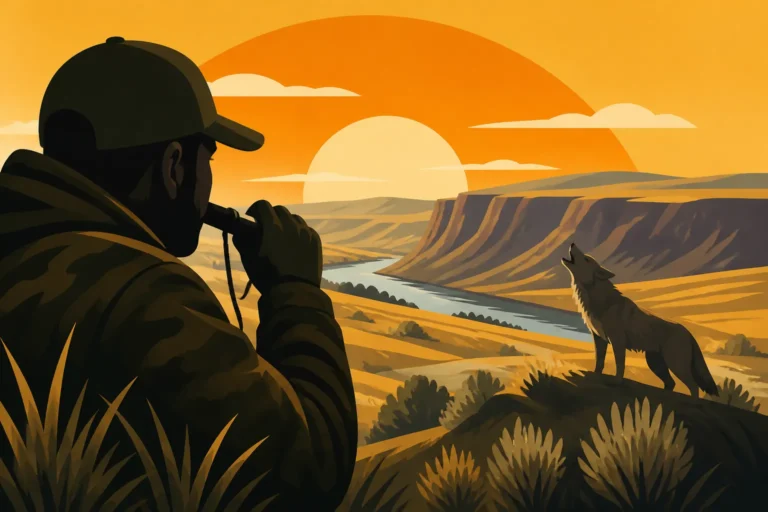
This is the arena where electronic calls truly come into their own in Washington. For coyotes, bobcats, fox, and other furbearers, electronic calls are perfectly legal and highly effective. Predator hunting often involves calling in animals across open landscapes or drawing them out of dense cover, and electronic calls excel at projecting sounds over long distances and creating realistic, consistent distress calls that trigger a predator's hunting instinct.
Many hunters will set up their electronic caller 50-100 yards away from their hiding spot, playing sounds like a "dying rabbit" or a "fawn distress." This draws the coyote's attention away from the hunter, allowing for a better shot opportunity. The vast sound libraries available allow hunters to switch between different prey animals, pup distresses, or even coyote challenges to keep things fresh and respond to how animals are reacting. For anyone interested in Coyote Calling in Open Wheat Country or generally Predator Calling for Coyotes in Eastern Washington, an electronic call can be an invaluable, and legal, tool.
Waterfowl and Upland Birds: Understanding the Nuances
When it comes to birds, the rules get a bit more specific and sometimes involve federal regulations alongside state laws.
- Waterfowl (Ducks and Geese): For migratory waterfowl, electronic calls are generally prohibited under federal law, which Washington adheres to. This means no using recorded duck quacks or goose honks on an electronic device to lure them in. Traditional mouth calls, like those made by RNT or Zink, are the standard and expected method.
- Wild Turkeys: For wild turkeys, electronic calls are also generally prohibited for hunting in Washington. This means you can't use an electronic device to mimic gobblers, hens, or yelps. Just like waterfowl, traditional pot calls, box calls, and diaphragm calls are the legal and accepted methods.
- Upland Birds (Pheasants, Quail, Grouse): For most upland game birds, calling is less common, but if a call were to be used, manual calls imitating natural sounds are the norm. The regulations typically don't address electronic calls specifically for these species because they aren't traditionally hunted with calls, but the spirit of the law would likely prohibit electronic assistance for luring them. Always check the specific species regulations in the WDFW pamphlet.
Big Game: The Strict No-Go Zone
To reiterate and make it crystal clear: electronic calls are NOT allowed for hunting any big game species in Washington State. This includes:
- Elk: Whether you're chasing Roosevelt elk in the dense forests of Western Washington or Rocky Mountain elk on the east side, leave the e-caller at home. You'll need to rely on your traditional bugles and cow calls.
- Deer: Blacktail deer, mule deer, and whitetail deer are all covered under this prohibition. Forget about using electronic grunts, bleats, or snorts.
- Bear and Cougar: These predators, classified as big game in Washington, are also off-limits for electronic calls. Even though electronic calls are legal for coyotes, that legality does not extend to bears or cougars. If you're hunting Washington Bear and Cougar Seasons, you need to stick to traditional calling methods or still-hunting.
This consistent prohibition across all big game species underscores Washington's commitment to maintaining a specific standard of fair chase for its largest and most sought-after animals.
Here's a quick reference table to help visualize the rules:
| Species Category | Electronic Call Legal? | Common Methods Allowed | Notes |
|---|---|---|---|
| Big Game (Elk, Deer, Bear, Cougar) | NO | Manual calls (bugles, bleats, grunts), still-hunting, scouting | Strict fair chase rules apply. |
| Coyotes, Bobcats, Fox (Predators/Furbearers) | YES | Electronic calls, manual calls (distress calls, howls) | Very effective and legal for predator control. |
| Waterfowl (Ducks, Geese) | NO | Manual calls (mouth calls), decoys, dog work | Federal regulations prohibit electronic calls for migratory birds. |
| Wild Turkeys | NO | Manual calls (pot, box, diaphragm calls) | State regulations prohibit electronic calls for turkeys. |
| Upland Birds (Pheasant, Quail, Grouse) | Generally NO | Dog work, flushing, walk-up | Not traditionally called, but electronic calls would likely fall under general prohibitions. |
Remember, this table is a summary. Always consult the current WDFW regulations pamphlet for the most up-to-date and complete information relevant to your hunt, including specifics like Washington Harvest Reporting Requirements and Washington Big Game Licence and Tag Costs. Staying informed is your best defense against unintended violations and ensures a legal and enjoyable hunting experience in Washington.
Disclaimer
Please be aware that hunting regulations, seasons, and legal equipment specifications can change frequently. The information provided in this guide is for general informational purposes only and is based on typical Washington hunting regulations. It is your sole responsibility to review and comply with the most current Washington Department of Fish and Wildlife (WDFW) hunting pamphlets and all applicable federal, state, and local laws before engaging in any hunting activities. Always prioritize safety and ethical hunting practices.