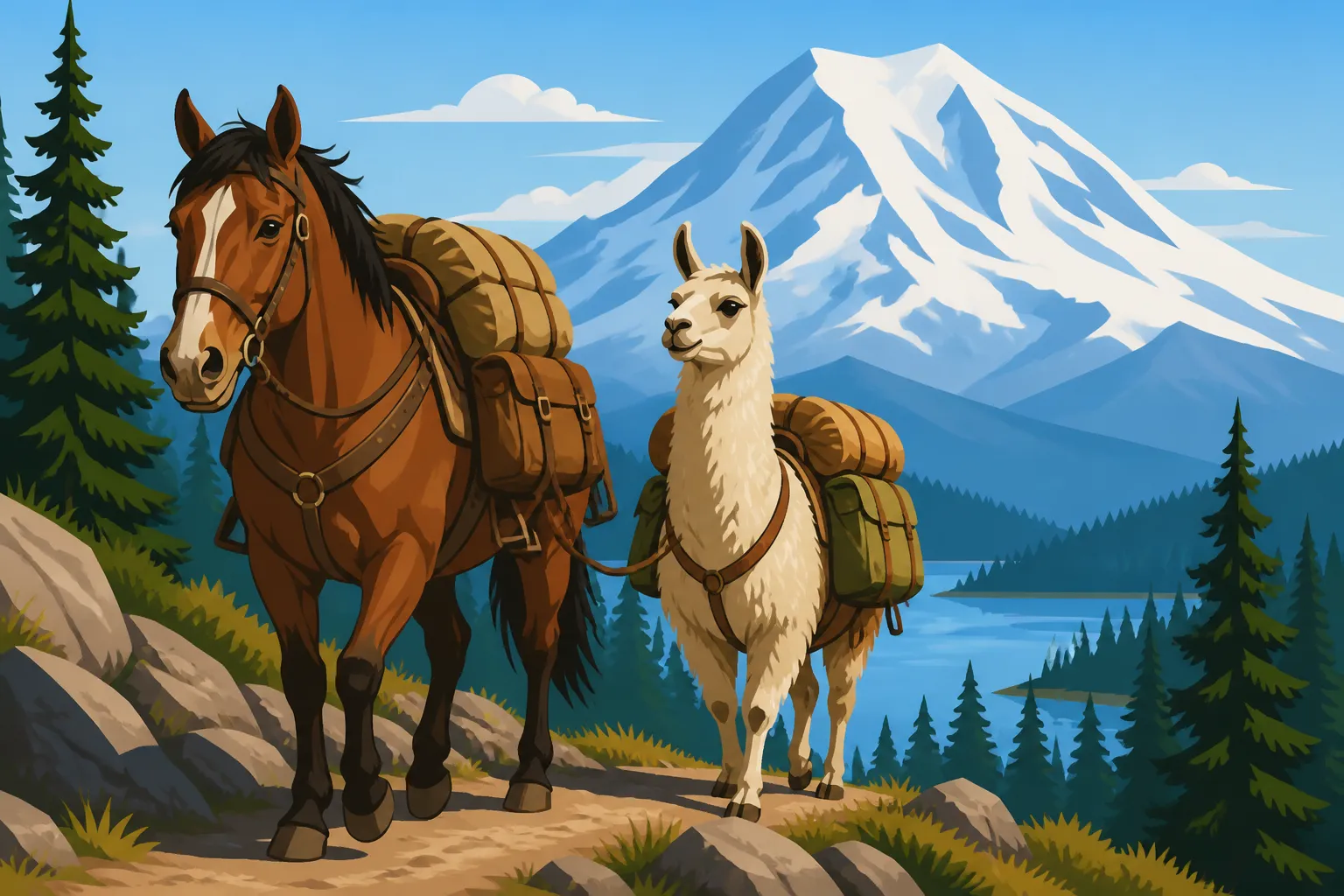
Horse and Llama Packing in Washington
There's nothing quite like the raw, untamed beauty of Washington's backcountry, but anyone who's hauled a heavy pack of meat out of a steep basin knows the struggle is real. The sheer physical toll of navigating rugged, roadless terrain with a quarter of an elk on your back can turn a dream hunt into a grueling test of endurance. This guide is all about how pack animals – horses, mules, and llamas – can be your game-changing partners, helping you push deeper, hunt longer, and pack out your hard-earned harvest with less strain, opening up access to some of Washington's most remote and productive hunting grounds.
Why Consider Stock for Washington Hunts?
Washington's hunting opportunities often lie far from the beaten path, in places where vehicles can't go. This wild, beautiful country offers incredible solitude and excellent animal populations, but it demands a lot from hunters. Pack animals aren't just a luxury; for many, they're the key to unlocking these remote areas and transforming their hunting experience.
The Physical Demands of Washington's Backcountry
Let's be honest, Washington's mountains, especially the Cascades and the Blue Mountains, are not for the faint of heart or weak of back. You're looking at steep, often brushy climbs, long traverses, and frequently, stream crossings or blowdown fields. Imagine the triumph of dropping a bull elk deep in a drainage only to realize you're staring down 5 miles and 3,000 feet of elevation gain to the truck. We've all been there, visualizing the bone-shattering agony of carrying out loads that test every fiber of your being. This isn't just about fitness; it's about time. A single hunter can easily take 4-6 grueling trips to get a bull elk out using the gutless method, often pushing into the dark, exhausted and risking injury. This incredible physical demand limits how far many hunters can realistically go, how much gear they can bring, and how long they can stay comfortably in the field.
Increased Range and Efficiency
This is where pack stock truly shines. With horses, mules, or llamas, you can cover significantly more ground with less personal effort. Instead of slogging for hours with heavy packs, you can ride or lead your animals, conserving your energy for the actual hunting. This allows you to penetrate deeper into wilderness areas, access remote ridges and basins that are too far for day trips, and scout more effectively. For example, if you're trying to find Washington Mule Deer Numbers in Eastern Washington in vast, open country, being able to cover 10-15 miles a day on horseback and set up a comfortable spike camp greatly increases your chances compared to being limited by your own two feet and a heavy pack. They become mobile base camps, allowing you to move with the animals, rather than constantly returning to a trailhead. This efficiency translates directly into more hunting time and less packing agony.
Capacity for Comfort and Meat Hauling
One of the biggest unspoken benefits of using pack animals is the ability to bring more than just the bare essentials. Think about it: a bigger, more comfortable tent, a real sleeping pad, a camp chair, maybe even a better stove. These small comforts make a huge difference, especially on extended hunts in less-than-ideal weather. But beyond creature comforts, the true hero role of pack stock emerges when you finally have an animal down. Instead of agonizing over how many trips an elk takes, you can load entire quarters, bone-in if allowed, onto your animals. A single horse or mule can typically carry 150-200 pounds, while llamas usually manage 60-80 pounds. This means a full elk can often be packed out in 1-2 trips with a small string of animals, drastically reducing the physical strain, preventing meat spoilage in warm weather, and getting you back to camp to celebrate sooner. Imagine the relief of seeing those quarters disappear into the panniers, knowing the toughest part of the pack-out is already handled.
Understanding Washington's Regulations for Pack Stock
Using pack animals in Washington’s diverse landscapes isn't as simple as saddling up and heading out. There are crucial regulations you need to be aware of, especially concerning wilderness areas and the prevention of invasive species. Ignoring these rules can lead to fines, damage to fragile ecosystems, and a ruined hunt.
Wilderness Area Rules and Restrictions
Washington is home to several magnificent wilderness areas, such as the Pasayten, Alpine Lakes, and Wenaha-Tucannon, which offer unparalleled hunting experiences. However, these areas are managed to preserve their wild character, and that means strict rules for pack stock. Generally, you'll find regulations regarding group size, which often includes both people and stock. For instance, in many federal wilderness areas, the maximum group size is limited to 12 people and 12 head of stock combined. The goal is to minimize impact on trails and campsites.
Additionally, regulations often dictate where you can camp with stock, how far you must be from water sources, and how waste is managed. It's essential to understand that motorized carts and other mechanical transport are explicitly banned in these areas, reinforcing the primitive nature of the experience. Before you even think about Backcountry Camps in Washington Wilderness with your stock, consult the specific wilderness area's managing agency (usually the Forest Service) for their detailed regulations. Websites like GoHunt often have excellent resources for researching GMU-specific rules, including wilderness boundaries and associated restrictions.
Certified Weed-Free Feed Requirements
This is a big one, and it's absolutely critical for anyone packing stock into public lands in Washington. The rule is simple: if you're bringing feed for your animals onto federal lands (National Forests, BLM) or even many state lands like DNR properties or state parks, that feed must be certified weed-free. This isn't just a suggestion; it's law in most places, and for good reason. Invasive plant species, like knapweed or cheatgrass, can quickly outcompete native vegetation, destroy wildlife habitat, and degrade range conditions for native ungulates.
The purpose of certified weed-free feed is to prevent the introduction of these harmful seeds. You can usually find weed-free hay or pellets from feed stores that have been inspected and certified by state agencies. Always look for the certification tag or stamp. Trying to save a few bucks by bringing non-certified feed can result in heavy fines and, more importantly, contribute to environmental degradation. It's a small but vital step in being a responsible backcountry user and ensuring these pristine areas remain healthy for future generations of hunters and wildlife. The official Washington Department of Fish and Wildlife (WDFW) website also provides information on Certified Weed-Free Feed Rules to help hunters stay compliant.
Other Public Land Considerations
Beyond wilderness areas, general rules for pack stock on other public lands, such as National Forests outside of designated wilderness, DNR lands, and BLM properties, also apply. While some regulations might be less stringent than in wilderness, the core principles of Leave No Trace (LNT) are always paramount. This means minimizing impact on trails, camping in established areas or on durable surfaces, and properly dispersing or packing out all waste, including manure.
When choosing a campsite, always ensure your stock is tethered appropriately, away from water sources and sensitive vegetation. Picket lines or hobbles are common methods, but ensure they are secure and won't damage trees or other flora. Be mindful of water sources for your animals; some areas may have limited water, requiring you to pack it in or plan your routes carefully. Even on roads within Washington's Green Dot Road Systems, you must be aware of vehicle traffic and give way. Responsible use of pack animals ensures continued access for all, and a little planning goes a long way.
Horses and Mules: The Traditional Workhorses
When most hunters think of pack animals, horses and mules often come to mind first. These majestic and powerful creatures have been carrying hunters and their gear into the backcountry for centuries, and for good reason. They are incredibly capable, but they also come with their own set of considerations.
Pros and Cons of Equine Packing
Horses and mules are undeniably strong. A well-conditioned pack mule can comfortably carry 150-200 pounds over rugged terrain, making quick work of packing out even the largest bull elk. Their stride covers ground efficiently, allowing hunters to access areas far beyond what a backpack hunter could manage in a day. For those who grew up riding, or have extensive experience with equines, the learning curve is less steep, as much of the handling is familiar. They can also provide a comfortable ride, saving your legs for the hunt itself.
However, equine packing is not without its challenges. They require significant feed, often needing specialized weed-free hay or pellets, which means more weight to pack in for longer trips. They need water frequently and can be prone to spooking, especially in unfamiliar or tight terrain, or when encountering unexpected wildlife. Shoeing is a necessity for their hooves in rocky country, adding another layer of maintenance and expense. Transporting horses or mules requires a dedicated truck and trailer, which can be a significant investment and limit access to certain trailheads. Plus, they produce a considerable amount of waste, requiring careful management to adhere to LNT principles.
Training and Conditioning for Mountain Terrain
Having a horse or mule that is simply "broke to ride" is not enough for Washington's backcountry. These animals need to be specifically trained and conditioned for mountain packing. This means they must be accustomed to carrying heavy, oddly shaped panniers, navigating narrow, steep trails, crossing streams, and remaining calm around gunshots or the smell of game. A spooked pack string can quickly turn a successful hunt into a chaotic disaster.
Start their conditioning long before the season. Gradually increase their workload and exposure to terrain similar to what they'll encounter on the hunt. This builds their muscle, stamina, and mental fortitude. Teach them good ground manners, how to stand tied patiently, and to respond reliably to commands. Desensitize them to potential stressors like flapping tarps, rustling game bags, and sudden noises. A well-trained and conditioned animal is not just more efficient; it's a safer partner in the backcountry, ensuring you can focus on the hunt, not constantly managing a nervous animal.
Essential Gear for Horse and Mule Packing
Just like hunters need specialized gear, so do pack animals. The right equipment ensures the animal's comfort, the security of your load, and the safety of the entire trip.
- Pack Saddles and Panniers: These are the backbone of your packing system. Pack saddles are designed specifically for carrying loads, distributing weight evenly. Panniers, which attach to the pack saddle, come in various materials (canvas, synthetic, rigid boxes) and sizes. They need to be durable enough to withstand brush and secure enough to prevent contents from spilling.
- Manties: These canvas covers or heavy tarps are used to wrap and protect loads, then lashed down tightly to the pack saddle. They keep your gear dry and secure, especially meat.
- Lead Ropes, Halters, and Bridles: Essential for controlling and guiding your animals. Pack animals are typically led, not ridden, when carrying loads on difficult trails.
- Hobbles and Picket Lines: Used to contain animals when grazing or resting in camp. Hobbles restrict movement, while picket lines allow limited grazing within a controlled area. Always ensure they are set up to prevent injury to the animal or damage to trees.
- Bells: Attaching a bell to your lead animal helps you keep track of the string, especially in thick timber or low light, and can warn wildlife of your approach.
- Animal First Aid Kit: Accidents happen. A dedicated first aid kit for your stock should include wound care supplies, wraps, pain relievers, and any specific medications your animals might need.
- Feed Bags/Nose Bags: These allow you to feed your animals their weed-free feed efficiently in camp, preventing waste and ensuring they get their nutrition.
- Highlines: A strong rope strung between two trees, allowing you to tie your horses or mules up higher off the ground, preventing them from chewing on brush or getting tangled, and reducing impact on the ground. This is a common and effective method for Highlining Stock at Camp.
Llamas: The Quiet Alternative
While horses and mules are traditional, llamas have steadily gained popularity among backcountry hunters in Washington. These gentle, sure-footed camelids offer a quieter, lower-impact alternative, especially for those new to packing or seeking a different experience.
Why Llamas are Gaining Popularity
Llamas are often referred to as "silent packers" for a reason. They move quietly through the forest, making less noise than hooved animals, which can be a distinct advantage when approaching game. Their soft, padded feet have a significantly lower impact on trails than horses, making them ideal for sensitive areas or for hunters concerned about trail erosion. They also require far less feed and water than equines, often content to browse on native vegetation or small amounts of packed-in pellets, meaning less weight to haul for their sustenance.
Another major draw is their temperament. Llamas are generally calm, curious, and less prone to spooking than horses. They are natural followers, making them easier to lead, even for novices. Their sure-footedness on steep, rocky, or muddy terrain is legendary, allowing them to navigate trails that might challenge even experienced mules. They don't require shoeing, simplifying logistics and reducing costs. Transporting llamas is also easier; a few llamas can fit comfortably in a smaller stock trailer or even a large kennel in the back of a truck, eliminating the need for specialized horse trailers.
Training and Handling Llamas for the Trail
While llamas are generally easy-going, they still benefit immensely from proper training and handling. Unlike horses, you don't ride llamas; you lead them. This requires them to have good ground manners, to walk at your pace, and to be accustomed to a halter and lead rope. They need to be exposed to carrying a pack saddle with varying weights and shapes, and to navigate different types of terrain without hesitation.
One common trait of llamas is their occasional stubbornness. They might "kush" (lie down) if they feel overloaded or tired, which is their way of saying, "I need a break." Understanding and respecting these signals is crucial. Consistent, gentle handling builds trust and ensures they become reliable trail partners. Starting with short conditioning hikes, gradually increasing distance and weight, helps them build stamina and confidence for longer hunting trips.
Llama Specific Gear and Logistics
Llama gear is distinct from equine gear, reflecting their unique anatomy and needs.
- Llama Pack Saddles: These are custom-designed for a llama's back, which is longer and more rounded than a horse's. They typically consist of a lightweight frame with an adjustable rigging system to ensure proper fit and prevent rubs.
- Specialized Panniers: Llama panniers are generally smaller and lighter than those for horses, designed to fit within the llama's carrying capacity (typically 60-80 pounds). They often have multiple compartments to help with weight distribution.
- Halters and Lead Ropes: Standard llama halters are used for leading. A sturdy lead rope is essential for control.
- No Need for Shoes: One of the most significant advantages is that llamas do not require shoes, as their soft, leathery footpads are naturally adapted to rough terrain. This eliminates the cost and maintenance associated with farriers.
- Easier Transport: As mentioned, llamas can be transported in smaller trailers or even well-ventilated truck beds, making them more accessible for hunters without dedicated horse hauling rigs. They are generally quieter and cleaner to transport.
Planning Your Pack Trip in Washington
Embarking on a hunt with pack animals in Washington requires meticulous planning. It's not just about finding game; it's about navigating challenging terrain, managing your stock, and being prepared for anything the backcountry throws at you. A well-planned trip minimizes stress and maximizes your hunting enjoyment and success.
Route Selection and Trail Assessment
Before you ever load your first pannier, you need a solid route plan. This begins with thorough E-Scouting Washington GMUs Before the Draw. Use online mapping tools like GoHunt, Gaia GPS, or onX Hunt to study the terrain. Look for existing trails, old logging roads, and potential game travel corridors. Identify water sources, as your animals will need regular hydration. Pay close attention to elevation changes and potential obstacles like steep rocky sections, dense blowdowns, or major stream crossings that might be challenging for your particular stock.
Consider the time of year. Early season hunts might mean overgrown trails and higher water levels, while late season could bring snow and icy conditions. Always check the current status of trails and roads with the managing agency (e.g., Forest Service, DNR) for closures or reported difficulties. Remember, while stock can handle tough conditions, pushing them beyond their limits or your experience can lead to injury for both animal and handler. A successful trip often hinges on choosing a route that is challenging yet manageable.
Packing Smart: Weight Distribution and Balance
Packing an animal isn't just about throwing gear on its back; it's an art and a science, especially critical when dealing with steep sidehills and uneven ground. Imbalanced loads can quickly cause saddle sores, discomfort, or even throw an animal off balance, leading to falls and injured stock or lost gear.
The golden rule is balance: each side of the animal should carry roughly the same weight. Use a small scale to weigh your panniers as you pack them. Distribute dense, heavy items low in the pannier, and lighter, bulkier items higher up. Secure everything tightly with rope, straps, or manties to prevent shifting. This is particularly important when packing meat. For example, if you’re employing the Gutless Method on an Elk, ensure that the boned-out quarters are split evenly between two panniers. Pad anything that might rub against the animal to prevent sores. Think about accessibility: what do you need during the day (water, snacks, rain gear)? Keep those items in easily reachable places. Overpacking or poorly packing not only risks your gear but can seriously injure your invaluable pack partners.
Emergency Preparedness and Safety
Backcountry hunting, especially with animals, carries inherent risks. Being prepared for emergencies is not just smart; it's essential. Always Leaving a Trip Plan at Home with a trusted contact, detailing your route, expected return, and contact information for your party and your veterinarian.
Your emergency kit should be comprehensive, covering both human and animal needs. A robust First Aid Kit for a Remote Hunt is non-negotiable. For your animals, include wound cleaning supplies, antiseptic, wraps, hoof picks, and any necessary medications. Communication devices are crucial: a satellite messenger (like a Garmin inReach or Zoleo) allows you to send and receive messages and, critically, trigger an SOS even when out of cell service. Two-way radios are great for communication within your hunting party.
Be prepared for sudden weather changes, which are common in Washington. Pack extra layers and emergency shelters. Know how to build a fire for warmth and signaling if needed. Carry a knife, fire starter, and navigation tools (map, compass, GPS device) that don't rely on batteries. Understand how to manage your stock if one becomes injured or lost. This might mean having a contingency plan for getting an injured animal out or, in a worst-case scenario, having to put an animal down. Thinking through these difficult scenarios beforehand, even if they never happen, will make you a more confident and safer backcountry hunter.
Maintaining and Caring for Your Pack Animals
The relationship with your pack animals is a partnership, and like any good partnership, it thrives on care and mutual respect. Their well-being directly impacts your hunting success and their longevity as reliable companions. Neglecting their needs can lead to injury, poor performance, and a miserable experience for everyone.
Post-Hunt Care and Recovery
Once the hunt is over and you're back at the trailhead, the work isn't done for your pack animals. Proper post-hunt care is crucial for their recovery and health. First, allow them to cool down naturally after the exertion, especially if they've been working hard in warm weather. Offer plenty of water and a good meal of their usual feed.
Carefully inspect your animals for any rubs, sores, cuts, or lameness. Pay close attention to areas where the pack saddle sat and where straps may have tightened. Early detection and treatment of minor injuries can prevent them from becoming serious problems. Give them a thorough cleaning, removing any mud or debris from their coats and hooves. While they'll likely be tired, some light movement (like walking them around the pasture) can help prevent stiffness. Consider a day or two of rest before resuming their normal activity, and if you have any concerns about their health or significant lameness, don't hesitate to consult a veterinarian. Just like athletes, they need time to recover from their strenuous efforts.
Off-Season Conditioning and Training
A pack animal isn't a piece of equipment you just store in the barn until hunting season. To remain reliable, strong, and mentally prepared, they require year-round care and conditioning. Maintaining their fitness during the off-season involves regular exercise – trail rides, long walks, or working on a round pen. This keeps their muscles toned, their lungs healthy, and their hooves in good condition.
Continued training is also vital. Use the off-season to reinforce good ground manners, practice loading and unloading, and expose them to new sights and sounds they might encounter on a hunt. This could involve walking them through water, over blowdowns, or near simulated gunfire (with appropriate ear protection for the animal, if needed, and safety precautions). Nutritional needs should also be monitored throughout the year, adjusting their diet based on activity levels. A well-conditioned and continuously trained animal is a happy, healthy animal, and a much more dependable partner when those Washington hunting seasons roll around again. Investing in their year-round well-being ensures they'll be ready for the demanding tasks of the hunt and remain your trusted backcountry companions for many seasons to come.
Horse vs. Llama: A Quick Comparison for Washington Hunters
| Feature | Horses/Mules | Llamas |
|---|---|---|
| Max Pack Weight | 150-200 lbs (Mules often more) | 60-80 lbs |
| Speed/Travel | Faster, cover more ground quickly (can be ridden) | Slower, deliberate pace (always led) |
| Trail Impact | Higher (hooves, more likely to churn mud) | Lower (soft, padded feet, less erosion) |
| Feed Needs | High (significant hay/pellets, water frequently) | Low (can browse, less packed feed, less water) |
| Temperament | Strong-willed, can spook, require more assertive handling | Calm, curious, less prone to spooking, can be stubborn |
| Noise | More vocal, hooves on ground | Quiet, soft steps |
| Shoeing | Required for most rocky terrain | Not required |
| Transport | Truck + large stock trailer | Smaller trailer or large truck bed |
| Initial Cost | Higher (animal, trailer, extensive gear) | Lower (animal, simpler gear, easier transport) |
| Waste Mgmt. | More volume, requires careful dispersal | Less volume, easier to disperse |
| Terrain | Excellent on varied terrain, powerful climbers | Excellent on steep, rocky, brushy terrain |
Disclaimer
The information provided in this guide is for general informational purposes only and does not constitute professional advice. Hunting regulations, access policies, and animal health guidelines can change frequently. Always consult the most current Washington Department of Fish and Wildlife (WDFW) regulations, U.S. Forest Service, DNR, or BLM rules, and relevant wilderness area guidelines before planning any hunting trip involving pack animals. Adhere to all safety protocols and consider your experience level and the condition of your animals before embarking on a backcountry hunt.