Washington Multi-Season Tag Draw
Let's be honest, trying to navigate Washington's hunting seasons can feel like deciphering ancient hieroglyphs sometimes. You're constantly trying to balance work, family, and the precious few days you get in the field, all while hoping to draw a good tag. It's frustrating to feel limited to just one weapon season. That's exactly where the Washington Multi-Season Tag Draw steps in, offering a unique opportunity to drastically expand your time afield and increase your chances, and this guide is going to break down everything you need to know about it.
Understanding the Washington Multi-Season Tag: What It Is and Why It's Unique
For many hunters in Washington, the multi-season tag is seen as the golden ticket. It's not just another permit; it's a strategic tool that, if you're lucky enough to draw it, fundamentally changes how you approach your deer and elk seasons. Instead of being locked into a single weapon type for a short general season, this tag opens up a world of extended possibilities.
More Than Just a Regular Tag
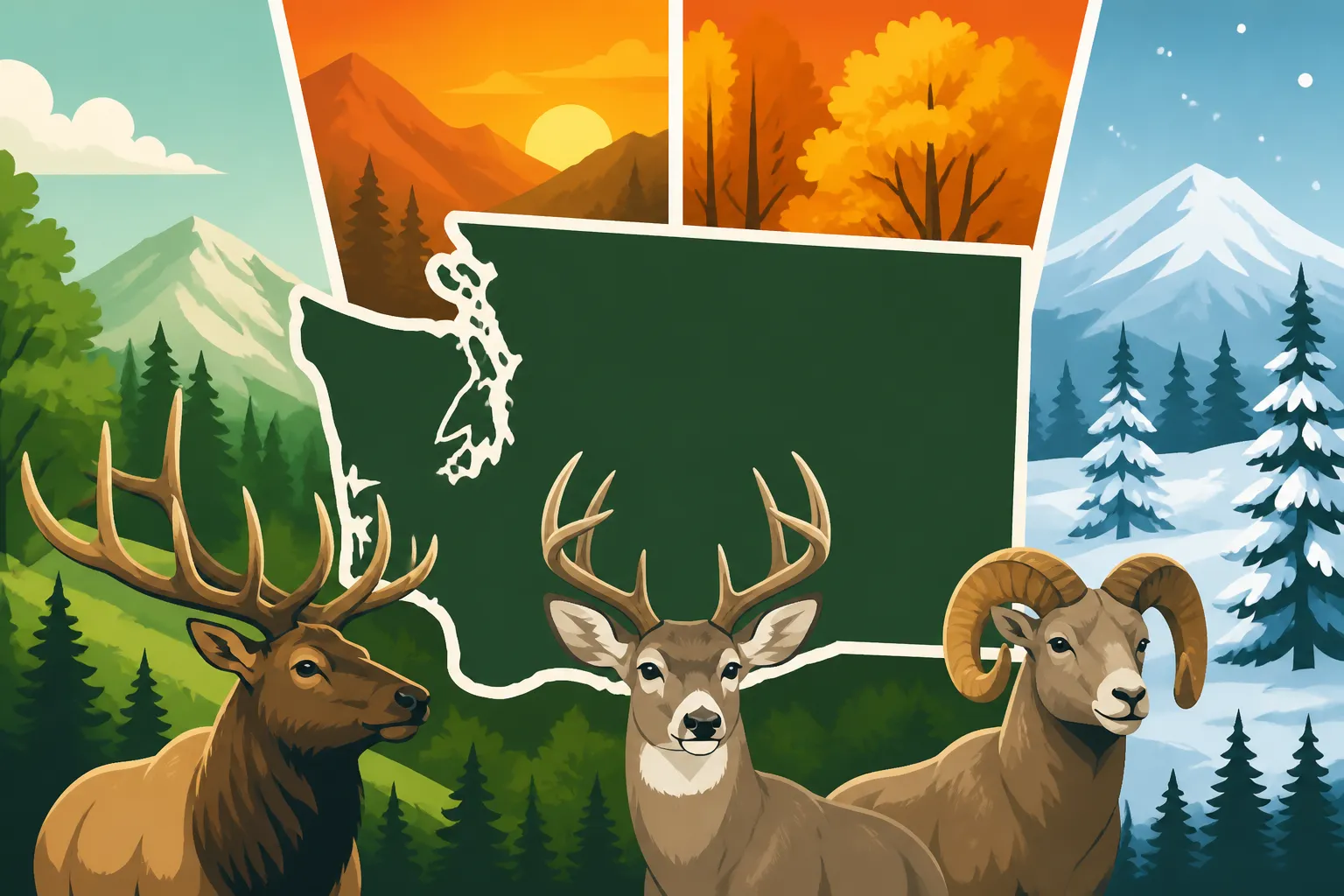
Unlike your standard general season deer or elk tag, which restricts you to either archery, muzzleloader, or modern firearm seasons for a specific unit, the multi-season tag is a game-changer. When you draw this permit, it grants you the incredibly valuable privilege of hunting during any of the statewide general deer or elk seasons that align with your tag. This means you could potentially hunt early archery season, switch to muzzleloader season a few weeks later, and then wrap up your hunt during the modern firearm general season – all for one deer or one elk, depending on which multi-season tag you drew. It’s about maximizing your time and adapting to the conditions, rather than being a one-and-done hunter.
The Power of Opportunity
Think about it: instead of a single, often short, general season to fill your tag, you suddenly have access to multiple, staggered seasons throughout the fall. This drastically increases your window of opportunity. For example, if you strike out during the initial archery season because the weather was unseasonably warm and the animals weren't moving, you get another bite at the apple with your muzzleloader or rifle. This flexibility is invaluable, especially in a state like Washington where weather patterns can be so unpredictable. You don't have to put all your eggs in one basket; you can adjust your strategy based on animal movement, weather fronts, and your personal schedule. It also means you can really dive into different hunting methods. Perhaps you love the challenge of bowhunting but also enjoy the tradition of a muzzleloader, or the longer reach of a modern firearm. The multi-season tag allows you to experience it all within the framework of a single tag.
Species Covered and Limitations
The Washington Multi-Season Tag is specifically available for either deer or elk. You apply for one or the other, not both with a single application. If you apply for a multi-season deer tag, and draw it, you can hunt any general deer season (archery, muzzleloader, or modern firearm) until you fill your tag or the seasons end. The same goes for an elk multi-season tag; you'd be able to pursue elk in any general elk season. It's important to remember that this tag covers only general seasons. It does not allow you to participate in any special permit hunts or quality hunts; those require their own separate applications and draws. Additionally, once you harvest an animal, that’s it—your multi-season tag is filled, and you cannot continue to hunt other seasons for that species. This is a critical point that sometimes trips up new multi-season tag holders, so always be mindful of it.
The Unbeatable Advantages and Potential Drawbacks of the Multi-Season Tag
The appeal of the Multi-Season Tag is obvious: more hunting. But like anything in life, it comes with its own set of considerations. Understanding both the benefits and the realities will help you decide if this is the right path for your Washington hunting strategy.
Extended Hunting Windows
The most compelling advantage, without a doubt, is the sheer volume of hunting days it grants you. Imagine getting to chase deer from early September's archery opener, through the crisp days of October's muzzleloader season, and then into the colder, often snowy, modern firearm general seasons in November. This isn't just about more time; it's about experiencing the deer and elk woods through different phases of the fall. You might observe completely different animal behavior in Washington Archery Deer and Elk Dates when the animals are still in their summer patterns compared to the rut in Washington Modern Firearm Deer Seasons or the migration during Washington Muzzleloader Season Structure. This extended window gives you incredible flexibility if your schedule is tight, allowing you to pick and choose optimal hunting days, or if weather moves in and shuts things down for a week. You're not stuck with a single, short window to make it happen.
Flexibility in Weapon Choice
Another huge plus is the ability to adapt your weapon to the conditions, terrain, or even your personal preference on a given day. Maybe you started the season with your bow, but dense fog rolled in, making longer shots impractical, or the elk went into thick timber where a short-range muzzleloader would be more effective. With a multi-season tag, you have the option to switch gears. This flexibility can be a real game-changer when you're Choosing a Weapon Season for a Washington Elk Tag or deer. You're not just a bowhunter or a rifle hunter for the season; you're a hunter with a full arsenal at your disposal. This can lead to some truly unique experiences, like Hunting the Same Unit Across Three Weapon Seasons, gaining an intimate understanding of how animals use the landscape as the seasons progress and the pressure changes.
Navigating the Draw Odds
Now, for the reality check. The multi-season tag is popular for a reason, and that reason directly translates into competitive draw odds. This isn't a tag you can simply buy over the counter. You have to apply for it, and then you're entered into a lottery with thousands of other hopeful hunters. While the exact odds fluctuate year to year and by species, it's generally considered a tough draw. For instance, drawing an elk multi-season tag can be particularly challenging. You might use resources like GoHunt to research past draw odds for different tag types and identify trends, but there are no preference points in Washington's random draw system, so every year is a fresh start. This means you need a solid backup plan if you don't draw, which typically involves purchasing a regular general season tag for your preferred weapon once results are out. It’s an investment of time and money into the application fee, knowing full well it might not pay off.
Your Step-by-Step Guide to Applying for the Multi-Season Tag Draw
Applying for any special permit in Washington can feel like a puzzle, and the Multi-Season Tag is no exception. While it's relatively straightforward once you know the steps, missing a single detail can mean missing out on this incredible opportunity. So, let's walk through it together.
Prerequisites and Licensing
Before you even think about submitting an application for the Multi-Season Tag, you need to ensure you've got your ducks in a row with the Washington Department of Fish and Wildlife (WDFW). First and foremost, you must have a valid Washington hunting license. This isn't something you can buy after you draw; it needs to be in place before you apply. For most hunters, this means purchasing a Big Game Hunting License. If you're new to hunting in Washington, you'll also need to have completed your Washington Hunter Education and have that certification on file with WDFW. You can find all the details on Washington Big Game Licence and Tag Costs on the WDFW website. It's also a good idea to ensure your WILD ID account is up to date with your current contact information, as this is how WDFW communicates results and manages your applications.
The Application Process on WDFW
Once you're licensed, the actual application happens online through your WDFW WILD system account. The process is pretty similar to applying for any other Washington Special Hunt Permits and How to Apply. You'll log in, navigate to the special permit application section, and select the Multi-Season Deer or Multi-Season Elk option. You will then pay a non-refundable application fee. This fee is separate from your hunting license fee and covers the administrative costs of the draw. It's a small price for the potential to gain such extensive opportunities. When you're making your choice, remember you're applying for one of the multi-season tags – either deer or elk, not both. Double-check your selection before finalizing your application to avoid any heartbreaking mistakes.
Critical Deadlines and Dates You Can't Miss
This is perhaps the most crucial part of the entire process: adhering to the deadlines. Washington has a very specific and strict application window for all special permits, including the Multi-Season Tag. The application period typically runs from April 20 to May 27 each year. Missing this window, even by a day, means you're out of luck for the entire year. Trust me, there's no feeling worse than realizing you forgot to apply for the Washington Special Hunt Application Deadline. Mark it on your calendar, set phone reminders, write it on your bathroom mirror – whatever it takes! After the application period closes, WDFW conducts the draw. Results are usually posted in mid-June, and you can check them via your WILD account. If you're one of the lucky few, you'll see your new Multi-Season Tag prominently displayed, ready for action.
Strategies for Increasing Your Chances and Making the Most of the Tag
While the Multi-Season Tag draw is ultimately a game of chance, there are ways to approach your application strategically and, more importantly, to capitalize fully if you're successful. It's not just about applying; it's about applying smart and being prepared.
Understanding Draw Statistics
Since Washington operates on a random draw system with no preference points, "increasing your chances" isn't about accumulating points over time, but rather about understanding the odds for different types of permits. While the Multi-Season Tag is a single statewide draw, knowing the general demand can help set your expectations. Tools like GoHunt's "Insider" platform are fantastic for digging into historical draw odds, application numbers, and harvest data. While it won't directly tell you your odds for the multi-season tag itself (as it's a unique statewide draw), it provides invaluable context for understanding overall hunt success, which units are popular, and the general difficulty of drawing coveted tags like Washington Draw Odds for Quality Elk. This data can indirectly inform your decision to invest in the multi-season application or focus your efforts elsewhere. Always check the current year's hunting pamphlet for the most up-to-date information on any changes or specifics.
Unit Selection and Planning
If you're fortunate enough to draw a Multi-Season Tag, your planning phase kicks into overdrive. Now, instead of picking one General Management Unit (GMU) for one weapon season, you need to consider how a specific GMU or region will hunt across multiple seasons. This requires a much deeper dive into research and scouting. You'll want to be thinking about how deer or elk use the landscape in September (archery), October (muzzleloader), and November (modern firearm). Are there specific areas that hold animals during the early, warm archery season? Where do they move when the rut kicks in or snow starts to fall? This is where serious E-Scouting Washington GMUs Before the Draw becomes paramount. You'll use satellite imagery, topographical maps, and WDFW resources to identify potential bedding areas, feeding zones, migration corridors, and water sources for each phase of the season. Having a flexible plan for different seasons in different parts of your chosen unit will be key.
If You Don't Draw: Your Backup Plan
Let's face it, the odds are tough. It's entirely possible, even probable, that you won't draw a Multi-Season Tag. This is where your backup plan becomes essential. Don't wait until the draw results are out to figure this out! Before you even apply for the Multi-Season, identify which general season tag (archery, muzzleloader, or modern firearm) you'll buy as your primary hunting opportunity. Research specific GMUs you're interested in for that weapon season. When the draw results are posted, if you haven't drawn the Multi-Season, immediately proceed to purchase your preferred general season tag. This proactive approach ensures you still have a solid plan and a tag in your pocket, preventing that gut-wrenching feeling of being left out in the cold. Remember, Washington General Season Versus Special Permit Hunts are structured differently, so know the rules for your chosen general season.
Hunting with a Washington Multi-Season Tag: What to Expect
Drawing a Multi-Season Tag is exciting, but it also brings a new level of responsibility and strategic thinking to your hunt. It's not just about having more opportunities; it's about intelligently managing those opportunities.
Managing Multiple Seasons
Hunting with a Multi-Season Tag means you're no longer thinking about just a two-week rifle season or a month of archery. You're effectively planning for an entire fall. This means managing your scouting efforts, physical conditioning, and gear across diverse conditions. For example, your gear for Washington Archery Deer and Elk Dates in early September might include lightweight, breathable clothing, whereas Washington Modern Firearm Deer Seasons in late November could demand heavy insulation and serious rain gear or even snowshoes. You'll need to be adaptable, constantly checking weather forecasts and animal behavior. Consider how hunting pressure might shift animals throughout the different seasons as well. Early archery often sees less pressure than the modern firearm opener, for example. Being able to pivot your strategy from one season to the next is the true art of hunting with this tag.
Weapon Choice and Legalities
One of the biggest advantages, the ability to switch weapons, also brings with it critical legal considerations. Each general season – archery, muzzleloader, and modern firearm – has its own specific equipment requirements and limitations. You absolutely must understand and adhere to these. For instance, you can't carry a modern firearm during an archery-only season, even if you have a multi-season tag. The multi-season tag grants you access to those seasons, but you still have to follow the rules of those seasons. Review Washington's Weapon Choice Rule for Deer and Elk carefully. Ensure your muzzleloader meets the minimum caliber and ignition type requirements, and that your broadheads for archery season are legal (e.g., specific minimum width). Ignorance of the rules is not an excuse, and game wardens are diligent about compliance.
Maximizing Your Time in the Field
With potentially months of hunting opportunities, the key is to maximize the quality of your time, not just the quantity. This means being strategic about when you hunt. Don't feel pressured to hunt every single day available. Instead, focus your efforts around favorable weather conditions, known animal movements, or peak rut activity. If you've spent time E-Scouting Washington GMUs Before the Draw, you'll have identified key areas for each season. Perhaps you focus your archery efforts on water sources or early season feeding areas, then shift to more traditional rut-cruising spots for your muzzleloader hunt, and finally concentrate on winter range transitions during the modern firearm season. The multi-season tag allows you to truly immerse yourself in the natural cycles of the animals, offering a profound learning experience that a single, short season simply can't provide.
Common Mistakes and How to Avoid Them
Even with the best intentions, it's easy to stumble when dealing with a unique tag like Washington's Multi-Season. Avoiding these common pitfalls can save you a lot of heartache and ensure you make the most of your hunting season.
Forgetting to Apply or Missing Deadlines
This might sound like a no-brainer, but it happens more often than you'd think. The WDFW application period for special permits, including the Multi-Season Tag, is a relatively short window (April 20 to May 27). Life gets busy, and it's easy to let that deadline slip by. The sinking feeling of realizing you missed the window for an entire year's worth of opportunity is truly gut-wrenching. The simple solution? Set multiple reminders: on your phone, in your physical planner, on a sticky note on your computer. Consider applying as soon as the window opens to get it out of the way. There are no benefits to waiting until the last minute, only risks.
Lack of Planning for Each Season
Many hunters get excited about drawing the Multi-Season Tag but then fall into the trap of only planning for their preferred weapon season. Maybe they’re an avid bowhunter and neglect to scout or strategize for the muzzleloader or modern firearm seasons. The true power of this tag lies in its versatility. If you draw it, you need to have a flexible plan for all the general weapon seasons. This means understanding where deer or elk will be in early fall for archery, how their patterns change during the mid-fall muzzleloader seasons, and where they might congregate during the late fall modern firearm hunts. Without this multi-seasonal planning, you're essentially underutilizing the tag and limiting your own opportunities. Hunting the Same Unit Across Three Weapon Seasons requires a diverse skillset and a deep understanding of animal behavior.
Misunderstanding Weapon Restrictions
The Multi-Season Tag allows you to participate in different general seasons, but it does not override the specific weapon restrictions for each of those seasons. This is a critical point that can lead to serious legal trouble if misunderstood. For instance, if you drew a Multi-Season Deer Tag, you cannot carry a rifle into an archery-only season and hunt with it, even if you eventually intend to use your tag during the modern firearm season. When you are participating in a specific weapon season, you must comply with all the rules for that particular weapon. This includes minimum draw weights for bows, caliber restrictions for muzzleloaders, and the specific legality of crossbows (which generally require a disability permit in Washington). Always consult the current WDFW hunting regulations pamphlet for the most up-to-date and accurate rules regarding Washington's Weapon Choice Rule for Deer and Elk and other equipment requirements. When in doubt, call WDFW directly for clarification.
Disclaimer
The information provided in this guide is for general informational purposes only and is not intended as legal advice. Hunting regulations in Washington can change, and it is the responsibility of each hunter to consult the official Washington Department of Fish and Wildlife (WDFW) regulations pamphlet for the most current and accurate rules, seasons, and licensing requirements before engaging in any hunting activities.