Washington Special Hunt Permits and How to Apply
For many Washington hunters, the thought of navigating the Special Hunt Permit system feels like trying to read a map drawn by a drunk octopus—confusing, frustrating, and prone to sending you in circles. It’s a process that can seem utterly opaque, but cracking the code to these coveted tags is absolutely within reach. This guide is designed to demystify every step, from understanding what these permits are to successfully applying and checking your results, ensuring you feel empowered in your pursuit of that dream Washington big game tag.
Demystifying Washington Special Hunt Permits
Let's be honest, the Washington Department of Fish and Wildlife (WDFW) system for special permits isn't always the easiest to understand at first glance. It can feel like a whole separate world from simply buying a general season tag, and for good reason. These permits represent some of the most sought-after hunting opportunities the state has to offer, and with that exclusivity comes a bit of complexity. But don't let that deter you; with a clear understanding, you'll be submitting your application with confidence.
What Exactly Are Special Hunt Permits?
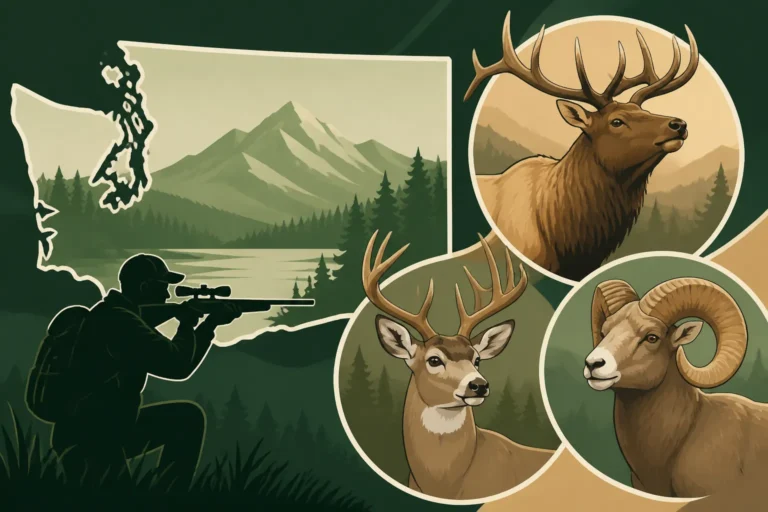
Think of Washington's Special Hunt Permits as the golden tickets of the hunting world. Unlike the general season tags you can buy over the counter, which allow you to hunt specific species within broad geographic areas (Game Management Units or GMUs) and season dates, special permits are allocated through a lottery system for very specific, limited opportunities. These hunts are meticulously designed to achieve several goals: managing game populations in particular areas, providing unique recreational experiences, or offering hunts outside of the typical general season framework. For instance, a special permit might open up a unit known for its trophy potential, allow you to hunt during an extended rut, or permit a specific weapon type in an area otherwise restricted.
These permits are a stark contrast to the general season experience. With a general tag, you're often sharing public land with a lot more hunters, especially on opening weekend. While you can still have incredible success on general hunts, special permits typically grant access to areas or times that see significantly less pressure, which can translate into a more solitary, higher-quality hunt. The WDFW carefully controls the number of these permits, making them incredibly valuable and hotly contested. They are truly for those who dream of a hunt beyond the usual, a chance to pursue game in unique settings or during prime windows.
It's this blend of scarcity and opportunity that makes these special permits the "holy grail" for many Washington hunters. Whether it's a late-season muzzleloader elk hunt in the Colockum or a coveted branch-antlered bull tag in the Blue Mountains, these permits are not just about hunting; they're about experiencing Washington's wildlife in a way few ever do. Understanding this fundamental difference is the first step in appreciating why the application process exists and why so many hunters faithfully put their names in the hat each year.
Why They're So Coveted
The allure of a Washington Special Hunt Permit isn't just about bagging an animal; it's about the entire experience and the increased odds of a truly memorable hunt. For starters, these permits often grant access to areas or specific hunt dates that boast less hunting pressure. Imagine slipping into a prime elk wallow during the rut, far from the crowds, because your permit allows you to hunt a week before the general archery season opens. That kind of solitude and increased animal activity is a huge draw, offering a quality of hunt that’s hard to replicate with a general tag.
Beyond reduced pressure, many special permits target specific GMUs renowned for their potential to produce larger, older age-class animals. These are often units where game management objectives prioritize quality over quantity, meaning you're more likely to encounter mature bulls or bucks. For a hunter dedicated to pursuing a trophy, or simply seeking the challenge of a more experienced animal, these permits are the only viable path. The chance to hunt an area with proven big game genetics and management focus makes applying for a special permit an annual ritual for many.
Ultimately, the covetousness of these tags comes down to the enhanced opportunity they provide. Whether it's the chance to hunt a particular herd with a high bull-to-cow ratio, or to chase a mule deer buck in a unit known for its wide-racked giants, a special permit elevates the entire hunting prospect. They offer the potential for a "once-in-a-lifetime" experience, even if you apply every year. While the draw odds can be long, the dream of drawing one of these permits keeps Washington hunters coming back, year after year, hoping for that golden envelope.
Navigating the Application Window and Deadlines
One of the most critical aspects of applying for Washington Special Hunt Permits is simply knowing when to apply. Miss the window, and you're out of luck for the entire year, regardless of how much research you've done or how perfectly you've planned your hunt choices. Mark your calendars, set reminders, and tattoo the dates on your arm if you have to—this is not a step you want to overlook.
The Critical Application Period
For the vast majority of Washington's big game special permits, the application window is a relatively tight period, typically running from April 20th to May 27th. This roughly five-week window is your one and only chance each year to submit your choices for elk, deer, moose, bighorn sheep, and mountain goat permits. It's a hard deadline, and the WDFW rarely, if ever, makes exceptions. While there have been instances where the Department has extended the deadline due to unforeseen circumstances or technical glitches, treating these as anomalies is wise. You can check the specifics and any potential updates regarding the submission timeframe by looking up information on the Washington Special Hunt Application Deadline.
The reason these dates are so critical is simple: the entire framework of the state's big game management hinges on this timeline. Wildlife biologists need to know how many hunters are vying for permits to finalize quotas and plan for the upcoming seasons. For you, the hunter, this means every choice you make within this window is locked in for the year. There's no going back to tweak your choices or add another species once the deadline passes. It's a high-stakes period that demands your full attention and careful planning to ensure you don't miss out on any opportunities.
Many hunters make the mistake of waiting until the last minute, only to encounter website issues, forgotten passwords, or realize they haven't finished their research. Avoid this stress by starting your application process early in the window. Give yourself ample time to log into your WILD account, review the permit options, finalize your hunt choices, and submit your application well before May 27th. This proactive approach ensures that even if you hit a snag, you'll have time to resolve it and secure your spot in the draw.
Required Licenses Before Applying
A common point of confusion for new and even some experienced hunters is what licenses they need to possess before applying for special hunt permits. Here's the good news: you generally do not need to have a specific big game hunting tag (like an elk tag or deer tag) in hand when you submit your special permit application. What you do need is a valid Washington hunting license for the current year. This foundational license confirms you are eligible to hunt in the state. If you need more details on this, especially if you're new to the state or hunting in Washington, you might want to look at "Applying Without a Washington Hunting Licence".
Once you've secured a basic hunting license, you'll then pay a small application fee for each species you wish to apply for a special permit. For example, if you want to apply for special elk and special deer permits, you'll pay two separate application fees. These fees are relatively modest, typically around $11 for residents per species, but they are crucial to cover the administrative costs of running the draw system. These fees are non-refundable, whether you draw a permit or not, so choose your applications wisely.
The financial commitment for the actual big game tag only comes after you successfully draw a special permit. If the lottery blesses you with an elk special permit, for instance, you'll then need to purchase a general elk tag for the area and weapon type specified by your special permit. This purchase must be made before you go afield for your hunt. So, while the initial investment to apply is minimal, remember that if you draw that dream tag, you'll need to budget for the full big game license and tag cost before you can truly embark on your adventure.
Understanding Hunt Choices and Strategies
The Washington special permit application isn't a simple "yes" or "no" question; it's a strategic game of choices. You'll typically be given the option to list several hunt choices in order of preference, and how you prioritize these can significantly impact your chances of drawing a tag. This isn't just about picking your favorite unit; it's about playing the odds while still chasing your dreams.
Decoding Your Four Hunt Choices
For most special permit applications in Washington, you'll have the opportunity to make up to four hunt choices per species, ranked from your 1st preference down to your 4th. This tiered system is crucial because of how the WDFW draw process works. The system first processes all applicants' 1st choices. If your 1st choice is drawn, fantastic—you get that permit! However, if your 1st choice isn't drawn, your application then moves on to be considered for your 2nd choice, and so on, until either you draw a permit or exhaust all your choices. This sequential processing means your 1st choice holds the most weight and is where you should ideally place your absolute dream hunt.
The ability to list multiple choices offers a fantastic opportunity to balance ambition with realism. You might use your 1st choice for a highly coveted, low-odds unit known for trophy animals, knowing it's a long shot. Then, for your 2nd and 3rd choices, you might select units with slightly better, but still challenging, draw odds. Finally, your 4th choice could be a unit with much higher draw odds, perhaps a general permit hunt that's less exclusive but still offers a good hunting experience. This strategy helps maximize your chances of drawing some kind of special permit, rather than putting all your eggs in one low-odds basket.
It's important to note that some "quality" hunts, particularly for high-demand species like certain deer or elk, might limit you to fewer than four choices. These specific rules are outlined in the annual WDFW Big Game Hunting Pamphlet, which is essential reading. For example, certain trophy mule deer units might only allow two choices, focusing the competition on truly premium opportunities. You can often find specifics on these limitations by looking into resources like "Quality Deer Hunt Choice Limits in Washington". Always double-check the current regulations for the species and specific hunts you're interested in before finalizing your application.
Crafting a Smart Application Strategy
Crafting a smart application strategy is where you turn wishful thinking into calculated moves. The perennial debate among hunters is whether to go for the "dream hunt" or the "high odds" hunt. A truly smart strategy often incorporates a bit of both. You might put your ultimate dream unit—the one with the massive bulls or bucks you’ve always wanted to pursue—as your first choice. The odds might be astronomical, but if you don't apply, you'll never draw.
For your subsequent choices, it’s wise to start incorporating more realistic options. This is where researching draw odds becomes absolutely invaluable. Tools like GoHunt's Insider service are fantastic for this, providing historical draw data and unit breakdowns that allow you to see the statistical likelihood of drawing a particular permit based on past years. Instead of blindly hoping, you can make data-driven decisions. For example, if you see a unit where your 2nd choice has a 10% draw chance versus a 0.5% for your 1st, you know you're increasing your overall probability of getting a permit while still taking a swing at the fences.
Beyond just draw odds, thorough research into the units themselves is paramount. This means diving into harvest reports, understanding the game densities, and even utilizing modern mapping technology. Consider learning how to use these tools by reviewing resources like "E-Scouting a Washington GMU From Home". Look at aerial imagery to identify potential bedding areas, feeding grounds, and water sources. Talk to other hunters, read forums, and consume all the information you can. The more you know about a unit's characteristics and its game populations, the better equipped you'll be to make informed choices that align with your hunting style and goals, significantly enhancing your chances of a successful hunt if you do draw.
The No Preference Point System
One of the most distinctive, and sometimes frustrating, aspects of the Washington Special Hunt Permit system is its absolute lack of a preference or bonus point system. Unlike many other Western states where hunters accumulate points for unsuccessful applications, which then increase their odds in subsequent years, Washington operates on a purely random draw. This means that every single applicant, whether it's their first time applying or their fiftieth, has theoretically the same chance of drawing a specific permit in any given year. For a deeper dive into this unique system, you can refer to "Does Washington Have Preference Points?".
This random draw system has both its pros and cons. On the positive side, it offers hope to every hunter. A brand-new hunter could draw a coveted, low-odds tag on their very first try, which is an exciting prospect. There’s no feeling of being perpetually behind hunters who have been accumulating points for decades. Every year is a fresh start, a clean slate where pure luck can be on your side, regardless of your past application history. This can be incredibly encouraging for those new to Washington hunting.
However, the downside is that it can also be incredibly frustrating for those who consistently apply for years without success. There's no reward for persistence in the draw itself; your loyalty to the system doesn't translate into better odds. This lack of point accumulation means that strategic research into draw odds and unit quality becomes even more critical. Since you can't rely on points to boost your chances, you must rely on making the most informed choices possible each year, balancing your dream hunts with realistic, higher-odds options to improve your overall chance of drawing any special permit. It reinforces the idea that in Washington, every year is a new game of chance.
Applying for Specific Species
While the application process has common threads, the specific permits and opportunities vary wildly depending on the species you're pursuing. Washington offers special permits for its most iconic big game animals, each with its own unique set of units, seasons, and allure. Understanding these species-specific nuances is key to making informed choices on your application.
Elk Special Permits
Washington is home to two distinct elk subspecies, and special permits are often tailored to these populations. In Western Washington, you'll find the majestic Roosevelt elk, known for their large body size and impressive antlers, thriving in the dense, wet forests of the Coast Range and Cascades foothills. East of the Cascades, the Rocky Mountain elk roam, typically found in more open, high-desert, or ponderosa pine country. Hunters interested in pursuing these magnificent animals should explore resources like "Roosevelt Elk of Western Washington" and "Rocky Mountain Elk East of the Washington Cascades" to understand their distinct habitats and characteristics.
The special permits for elk are among the most sought-after in the state. They frequently open up access to GMUs renowned for their trophy potential or offer extended seasons during the rut, when bulls are most vocal and active. Units like the Colockum, Yakima, and Blue Mountains are legendary among Washington elk hunters, known for producing impressive branch-antlered bulls. Drawing a permit in one of these units is a dream for many, and the limited number of tags ensures that those who are successful have a truly exceptional hunting experience with reduced pressure.
Furthermore, elk special permits can also differentiate by weapon type. You might find specific archery-only hunts that push into late September or early October, long after the general archery season has closed, or special muzzleloader seasons that allow hunters to pursue elk during unique windows. These specialized opportunities require a deep understanding of the regulations and a commitment to mastering your chosen weapon. Whether you're chasing a Roosevelt in the rain-soaked timber or a Rocky Mountain bull bugling across a sagebrush basin, a special elk permit can unlock a truly unforgettable hunt.
Deer Special Permits (Mule Deer & Blacktail)
Washington is fortunate to host three species of deer, but for special permits, the focus is predominantly on mule deer in Eastern Washington and Columbian blacktail deer in Western Washington. White-tailed deer, while present, are generally managed with more generous general season tags, especially in their stronghold of Northeast Washington. For mule deer hunters, special permits often mean the chance to hunt specific GMUs known for their mature bucks, offering opportunities for those big, wide racks that the species is famous for. For blacktail hunters, a special permit might extend the season into the peak of the rut, a notoriously challenging time to hunt these elusive forest dwellers.
Eastern Washington's mule deer units like the Okanogan and Methow are legendary for their potential to produce trophy bucks, particularly in areas with good habitat and limited pressure. Special permits in these units are designed to manage for older age-class bucks, giving successful applicants a crack at truly exceptional animals. The expansive, often rugged terrain requires dedication, keen glassing skills, and a willingness to cover a lot of ground, but the reward of a big mule deer buck is unmatched.
On the western side of the state, Columbian blacktail deer offer a different kind of challenge. These "grey ghosts" of the timber country are notorious for their stealth and ability to disappear into thick cover. Special permits for blacktails, often found in units like the Willapa Hills or the Capitol Peak GMU, can provide access to hunts during the prime rut, increasing the chances of encountering a buck that might otherwise remain hidden. While typically smaller than mule deer, a mature blacktail buck is a hard-earned trophy, and a special permit can significantly increase your odds of success in these dense, coastal forests.
Bear and Cougar Special Opportunities
While general season tags for black bear and cougar are typically available over-the-counter for most of Washington, there are instances where special permits or unique seasons can arise. These special opportunities are often tied to specific population management needs within certain GMUs, or to provide hunters with additional flexibility or access not available during the broader general seasons. These special permits aren't as common as those for deer or elk, but they are important to be aware of if you're targeting these predators.
For black bear, special permits might allow for hunting in areas with higher bear densities that require additional management, or they could offer extended seasons in specific regions. For example, some areas might have a higher number of bears impacting timber plantations or agricultural areas, leading to special hunt allocations to help mitigate conflicts. Hunters pursuing bear will need to be well-versed in ethical hunting practices and bear behavior, especially concerning sow and cub identification, as regulations strictly prohibit harvesting a sow with cubs.
Cougar hunting in Washington is unique due to the harvest guideline system. While you purchase a general cougar tag, the seasons in various GMUs can close unexpectedly once a predetermined harvest quota is met. Special cougar permits, if available, might offer a more guaranteed hunting window or access to areas where general season pressure is high. It's vital for cougar hunters to constantly check the WDFW website for unit closures, as seasons can shut down with little notice. For comprehensive information on how these closures work, consulting resources like "Washington Cougar Harvest Guideline Closures" is essential to avoid any violations and ensure a legal, ethical hunt.
The Draw Process and Results
After all the research, strategy, and hopeful anticipation, comes the moment of truth: the draw. Understanding how Washington's unique random draw system works and knowing exactly when and where to check your results is the final, nerve-wracking piece of the special permit puzzle. It's a system that tests patience and occasionally rewards with incredible opportunity.
Washington's Random Draw Explained
Washington's special hunt draw is a true lottery, pure and simple. As mentioned earlier, there are no preference points, no bonus points, and no accumulated advantages for years of applying. Every single application submitted for a specific permit, regardless of the applicant's history, carries an equal weight in the draw. This means that a first-time applicant has the exact same chance of drawing a highly coveted unit as someone who has applied for twenty years straight. This design ensures fairness in one sense, by giving everyone an equal shot, but can also feel merciless to the long-term dedicated hunter.
The WDFW computer system processes applications sequentially based on your stated choices. First, all 1st choices from every applicant are compiled. The system then randomly draws applicants for the available permits in those 1st choice categories. If you're drawn for your 1st choice, your application process ends there, and you receive that permit. If your 1st choice isn't drawn, your application then moves into the pool for your 2nd choice, competing with other applicants who listed that hunt as their 1st or 2nd choice. This continues for your 3rd and 4th choices until you are either successful in drawing a permit or all your choices are exhausted.
This random, sequential draw highlights why careful consideration of all four of your choices is so important. If you only apply for extremely low-odds hunts, you significantly reduce your overall chance of drawing any permit. Conversely, if you include at least one or two higher-odds or less-competitive general permit hunts as your 3rd or 4th choice, you strategically increase your probability of landing a tag. While luck is the ultimate arbiter in Washington, smart application strategy remains your best friend in navigating this unique draw system. You might feel the frustration of a 1-in-1000 draw chance, but someone always draws that tag, and it just might be you.
Checking Your Results
The period between the application deadline and the announcement of draw results is often filled with nervous anticipation, phantom emails, and endless checking of the WDFW website. To alleviate some of that anxiety, know that Washington Special Hunt Permit results are typically posted around mid-June. The exact date can fluctuate slightly from year to year, so keep an eye on official WDFW announcements as the time approaches. It's a good idea to know this window and not stress yourself out checking daily before then.
Crucially, the WDFW does not send out physical mail notifications for special permit results. You won't get a letter in the mail telling you if you drew, so don't wait by the mailbox. The only official and reliable way to check your results is by logging into your personal WILD account on the WDFW website. This is your central hub for all things licensing and permit-related in Washington. For specific instructions on navigating this process, you can refer to "Checking Washington Results in a WILD Account". Once logged in, you'll find a section dedicated to your applications and their outcomes, clearly indicating whether you were successful or not for each species you applied for.
When you finally log in and see your results, prepare for a mix of emotions. If you drew that coveted tag, congratulations! Take a moment to celebrate; it’s a big deal. The next immediate step will be to ensure you purchase the appropriate big game hunting license and tag for that species before your season begins. If you didn't draw, which is the more common outcome given the competitive nature of these permits, don't get discouraged. It happens to the vast majority of applicants every year. Use it as an opportunity to shift your focus to general season opportunities, perhaps to explore new units or try a different weapon, and start planning your strategy for next year's application window.
Post-Draw Actions and What's Next
The draw results are in. Whether you're celebrating a successful draw or already planning for next year, what you do in the aftermath is just as important as the application itself. This phase involves both practical steps and strategic adjustments that shape your entire hunting season.
If You Draw a Coveted Tag
Congratulations! Drawing a Washington Special Hunt Permit is a significant achievement and a cause for celebration. It means you've been granted access to a unique and often higher-quality hunting opportunity. The very first thing you need to do, usually before the general season starts, is to purchase the appropriate hunting license and big game tag for the species you drew. For instance, if you drew a special permit for a branch-antlered bull elk, you’ll need to buy a valid Washington hunting license and a general elk tag, ensuring it aligns with your permit's area and weapon restrictions. Do not head into the field without this physical tag in your possession, validated for your drawn hunt.
With your tag secured, your next crucial step is to meticulously study the specific rules and regulations that accompany your special permit. These can be incredibly detailed and often differ from general season regulations for the same species. Pay close attention to the exact GMU boundaries, permitted weapon types, bag limits, and any other specific conditions outlined in your permit or the current year's WDFW Big Game Hunting Pamphlet. Missing a small detail could result in a violation, turning a dream hunt into a nightmare. Always verify season dates and unit restrictions, as these are non-negotiable.
Finally, a special permit isn't just a license to hunt; it's an invitation to commit fully. Now is the time for rigorous scouting and preparation. This means pouring over maps, reviewing aerial imagery, and ideally, getting boots on the ground to explore your unit well before the season opens. Understanding the terrain, identifying game trails, bedding areas, and water sources will drastically increase your odds of success. If you're new to scouting or looking to refine your approach, check out resources like "Public Land Scouting in Washington Before Opening Day". Treat this unique opportunity with the dedication it deserves, and you'll greatly enhance your chances of a successful and rewarding hunt.
If You Don't Draw
It's a tough pill to swallow when those draw results come out, and your name isn't on the list for a special permit. Trust me, every seasoned hunter in Washington has been there—multiple times. It’s important not to get discouraged. The reality is, with Washington's random draw and competitive odds, not drawing is the far more common outcome. This isn't a reflection of your skill as a hunter or your dedication; it's just the nature of the lottery system. Take a deep breath, acknowledge the disappointment, and then shift your focus.
The good news is that Washington still offers fantastic opportunities during the general seasons. Many hunters choose a specific weapon (archery, muzzleloader, or modern firearm) and unit for their general tag and have incredibly successful and fulfilling hunts. The general seasons are where most Washington hunters fill their freezers and make lasting memories. Instead of dwelling on the missed special permit, channel that energy into researching and planning for a general season hunt that excites you. You might find a hidden gem of a unit or discover new tactics that pay off. For a deeper understanding of these options, consider reading "Washington General Season Versus Special Permit Hunts".
Finally, use the experience as a learning opportunity. Review the draw odds that are released after the draw (WDFW publishes these, and tools like GoHunt make them easy to digest). Analyze which units had better success rates, or where your chosen picks stood in the overall competition. Did you put too many low-odds hunts as your top choices? Could you have diversified your application more? This post-mortem analysis isn't about regret, but about refining your strategy for next year. Start compiling notes, exploring new GMU possibilities, and perhaps even adjust your weapon choice or target species. The knowledge gained now will only make you a savvier applicant in the future.
Maximizing Your Odds with Data and Resources
In a random draw state like Washington, "maximizing your odds" isn't about cheating the system; it's about making the most informed, strategic choices possible. While luck will always play a role, leveraging available data and resources can significantly improve your chances of drawing a desirable tag or at least managing your expectations realistically.
Utilizing Past Draw Odds
The Washington Department of Fish and Wildlife (WDFW) does a commendable job of publishing past draw odds for special permits. These reports typically show the number of applicants for each hunt choice (1st, 2nd, 3rd, 4th) versus the number of permits issued, providing a raw statistical snapshot. While invaluable, these government reports can sometimes be dense and challenging to parse, especially for a hunter trying to compare multiple units and hunt types efficiently. It can feel like sifting through a haystack to find a needle of actionable information.
This is where specialized hunting tools and services truly shine. Resources like GoHunt, particularly their Insider platform, take that raw WDFW data and transform it into an incredibly user-friendly and actionable format. GoHunt aggregates historical draw data, calculates meaningful statistics, and presents them in intuitive ways, allowing you to quickly compare draw odds across different GMUs, weapon types, and seasons. Their tools can show you, for example, that a particular unit might have a 1% chance for a 1st choice but a 10% chance if you list it as a 3rd choice for a specific weapon. This granular insight empowers you to create a more balanced and effective application strategy, beyond just guesswork.
Understanding these draw odds is less about guaranteeing a tag and more about managing your expectations and making strategic choices. If your dream hunt has 0.1% draw odds, you know it's a long shot but still worth a try for your 1st choice. However, for your subsequent choices, you might select hunts with 5-10% odds, significantly increasing your overall chances of drawing a permit. GoHunt provides the context needed to make these nuanced decisions, helping you decide whether to swing for the fences or aim for a more achievable permit, or both.
Other Valuable Resources
Beyond draw odds, a wealth of other resources can give you a significant edge in your Washington hunting endeavors. First and foremost, the WDFW Big Game Hunting Pamphlet is your official bible. Read it cover to cover, paying meticulous attention to general regulations, specific GMU rules, season dates, legal equipment requirements, and any emergency closures. This pamphlet is the definitive source for what's legal and what's not, and ignorance of its contents is never an excuse.
Secondly, don't underestimate the power of community. Online hunting forums, social media groups dedicated to Washington hunting, and local hunting clubs can be treasure troves of anecdotal information. While always take advice with a grain of salt (everyone has their "secret spot"), these platforms can offer insights into current conditions, recent harvest success, and general tips from experienced hunters. You might hear about a late-season snow pushing elk down into accessible areas, or a particular clearcut holding blacktail bucks.
Finally, modern mapping applications are indispensable tools for today's hunter. Platforms like onX Hunt or GoHunt's mapping features provide critical layers for public/private land boundaries, wilderness areas, road systems (including Green Dot roads in Washington), and topographical data. These are crucial for e-scouting before you even leave your couch, helping you identify potential access points, game corridors, and ideal glassing locations. For a deeper dive into how to use these digital tools to your advantage, definitely explore "E-Scouting Washington GMUs Before the Draw". By combining all these resources, you'll be one of the most prepared applicants and hunters in the field.
| Item | Details |
|---|---|
| Application Window | April 20 – May 27 (typically) |
| Special Permit Application Fee (per species) | ~$11.00 (resident), ~$110.00 (non-resident) |
| Draw Results Posted | Mid-June (check WDFW WILD account) |
| Required License to Apply | Valid Annual Washington Hunting License |
| Required License if Drawn | Species-specific Big Game Tag (before hunt) |
| Draw System Type | Random Draw (no preference points or accumulation) |
| Number of Choices | Up to 4 per species (may be fewer for quality hunts) |
| Primary Resource | WDFW Big Game Hunting Pamphlet |
| Recommended Tool for Odds | GoHunt Insider (or similar data analysis service) |
Disclaimer
The information provided in this guide is for general informational purposes only and is based on typical Washington Department of Fish and Wildlife (WDFW) regulations and historical data. Hunting regulations, season dates, and application processes can change annually. It is the individual hunter's responsibility to consult the most current official WDFW Big Game Hunting Pamphlet and WDFW website for specific rules, deadlines, and updates before applying for any special permits or participating in any hunt. Failure to do so may result in fines or penalties.