Washington Bighorn Sheep Permit Numbers
For many Washington hunters, the dream of drawing a bighorn sheep tag feels almost mythical. It's not just a hunt; it’s an experience that transcends a lifetime for most, a true testament to patience and luck. The sheer scarcity of these coveted permits can make applying feel like buying a lottery ticket, leaving many feeling like their chances are a statistical anomaly. This comprehensive guide is here to demystify the Washington bighorn sheep permit numbers, helping you understand the reality of the draw, the specific units offering tags, and what you’re truly up against in this once-in-a-lifetime pursuit.
The Extreme Rarity of Washington Bighorn Permits
Let's be blunt: drawing a bighorn sheep permit in Washington is incredibly difficult. We're talking about odds that are often in the thousands-to-one, sometimes even higher. This isn't just because bighorns are majestic animals that everyone wants to hunt; it's deeply rooted in the state's conservation strategies and the biological realities of these fragile herds. When you check your results in your WILD Account after the draw, often the only thing waiting for you is the bittersweet notification that you'll try again next year. It's a common frustration, but it speaks to the preciousness of the resource.
Why So Few Tags Are Issued Annually
The Washington Department of Fish and Wildlife (WDFW) manages bighorn sheep populations with extreme caution. These herds are susceptible to various threats, chief among them being disease. Historically, respiratory diseases, particularly pneumonia, have had devastating impacts. We've seen significant Bighorn Pneumonia Die-Offs in Washington that can wipe out entire age classes or severely reduce herd numbers, forcing WDFW to pull or reduce permit allocations. Habitat loss and fragmentation also play a role, as bighorns require very specific, rugged terrain to thrive, and these areas are often isolated. Conservation efforts focus on maintaining viable, healthy populations first and foremost, and hunting opportunities are a secondary consideration, only offered when herd health allows. This delicate balance means permit numbers are inherently low and can fluctuate year to year based on intensive surveys and population models.
Understanding the "Once-in-a-Lifetime" Rule
Adding to the rarity is Washington's "once-in-a-lifetime" rule for bighorn sheep. If you are one of the incredibly fortunate few to draw and harvest a bighorn ram (or ewe, if offered), that's it. You cannot apply for a bighorn sheep permit in Washington ever again. This rule is in place to spread the opportunity as widely as possible among the hunting public, ensuring that more individuals get a chance at this unique experience over time. It underscores just how special these tags are and why the application process for Once-in-a-Lifetime Species in Washington is so different from general season tags. It's a truly unique aspect of big game hunting in our state, and something every applicant must understand when deciding to throw their hat in the ring.
Current Washington Bighorn Permit Numbers and Units
Now, let's get down to the nitty-gritty: the actual permit numbers. These figures are always subject to change based on WDFW's annual Game Management Plan, but they typically remain quite low. Most years, Washington offers only a handful of bighorn sheep permits across a select few Game Management Units (GMUs). These are not general season hunts you can just buy a tag for over the counter; they are highly regulated special permits.
Breakdown by Unit and Sex
For 2024, WDFW is offering a total of 9 bighorn sheep permits across the state. This includes both ram (male) and ewe (female) permits, specifically targeting either California Bighorn Sheep in Washington or Rocky Mountain Bighorn Herds in Washington. Here's a typical breakdown of how these might be distributed:
| GMU | Location | Species | Sex | Number of Permits (Approx.) |
|---|---|---|---|---|
| Sheep Unit 1 | Mt. Hull (Okanogan) | California Bighorn | Ram | 1 |
| Sheep Unit 2 | Vulcan Mt. (Okanogan) | California Bighorn | Ram | 1 |
| Sheep Unit 3 | Chelan Butte (Chelan) | California Bighorn | Ram | 1 |
| Sheep Unit 4 | Lincoln Cliffs (Okanogan) | California Bighorn | Ram | 1 |
| Sheep Unit 5 | Selkirk (Pend Oreille) | Rocky Mountain Bighorn | Ram | 1 |
| Sheep Unit 6 | Blue Mountains (Asotin/Garfield) | Rocky Mountain Bighorn | Ram | 1-2 (often 1 ram, 1 ewe) |
| Sheep Unit 7 | Asotin Creek (Asotin) | Rocky Mountain Bighorn | Ram | 1 |
| Sheep Unit 8 | Cleman Mountain (Yakima) | California Bighorn | Ewe | 1 |
| Raffle | State-wide | Either | Ram | 1 (Goes to raffle winner) |
Note: These numbers and units are illustrative based on recent WDFW permit allocations and are subject to change annually. Always refer to the current WDFW Big Game Hunting Pamphlet for the most up-to-date information.
As you can see, the numbers are minuscule. The Okanogan region consistently offers opportunities for California Bighorns, while the Selkirks and the Blue Mountains are the traditional strongholds for Rocky Mountain Bighorns. Ewe permits, like those sometimes offered in the Cleman Mountain unit, are even rarer and usually tied to specific herd management objectives, such as reducing overall numbers in a particular area. The goal with ram permits is often to target older, mature animals, which can also influence the number of tags issued.
Historical Trends and Fluctuations
Over the last decade, Washington's bighorn permit numbers have remained consistently low, rarely exceeding ten general public draw tags in any given year. There have been periods where specific units might be closed entirely for a season or two due to disease outbreaks, low recruitment, or other conservation concerns. For example, some units in the Blue Mountains have seen their permits fluctuate significantly due to the ongoing challenges of bighorn pneumonia. Conversely, other units might see a slight bump in permits if aerial surveys show strong lamb recruitment and a healthy population structure. This constant monitoring and adaptive management by WDFW means that what was available last year might not be available this year, and vice-versa. Staying informed by regularly checking the WDFW website and publications is crucial for any serious applicant.
Strategies for Applying for a Washington Bighorn Permit
Given the astronomical odds, what's a dedicated hunter to do? While there's no magic bullet to guarantee a tag, there are intelligent ways to approach the application process to maximize your (still very slim) chances. It's about being strategic and persistent.
Navigating the Application Process
The first step, of course, is understanding How to Apply for a Washington Special Hunt Permit. The application window is critical, usually running from the April 20 to May 27 Application Window. You must have a current Washington hunting license to apply. The WDFW system allows you to make several hunt choices, and for Quality Deer and Elk, you're limited to two. However, for bighorn sheep, you often have more choices, allowing you to rank your preferred units. It’s vital to research each unit carefully before applying. Look at past harvest success rates, terrain, and the specific regulations for that GMU. Don't just blindly pick the closest unit or one you've heard of. Take the time to consider all your options, even if the numbers are incredibly low across the board. The detail you put into E-Scouting a Washington GMU From Home can make a difference in your confidence, even if the odds remain brutal.
Utilizing Draw Odds Resources
This is where modern tools become invaluable. While Washington operates on a Washington's Random Draw and No Preference Points system – meaning every applicant starts fresh with the same chance each year, regardless of how many times they've applied – understanding the historical draw odds is still crucial. This is precisely where resources like GoHunt shine. Their "Insider" platform, for example, offers detailed draw odds data, historical permit numbers, and unit-specific information for Washington and many other states. You can see how many applicants put in for each unit, how many tags were offered, and what the success rate was for hunters who drew.
For a Washington bighorn tag, GoHunt’s data can help you identify units that might have slightly better odds (though "better" is relative when you're still talking 1 in 1,000 instead of 1 in 5,000) or units that historically offer ewe tags, which sometimes have marginally higher draw rates simply because fewer people apply for them. They also provide comprehensive unit profiles, satellite imagery, and harvest reports, giving you an edge in understanding the terrain and potential challenges of a unit before you even apply. While it won't change the random nature of the draw, it allows for a more informed decision on your hunt choices, rather than just guessing.
The Raffle Permit Option
Beyond the main draw, there's another avenue to secure a bighorn tag: the raffle. Washington Raffle Permits for Moose, Sheep and Goat offer a chance at a highly coveted tag, but at a significantly higher cost. Typically, WDFW partners with conservation organizations to sell raffle tickets for one bighorn sheep permit each year. This permit is often an "any legal ram" tag and can be hunted statewide, offering incredible flexibility.
While raffle tickets are expensive, usually ranging from $10-$25 each, and many people buy them, the odds can sometimes be slightly better than the general draw, depending on how many tickets are sold. For those with the financial means and a deep desire for a bighorn hunt, buying raffle tickets offers a distinct, albeit still low, chance. It’s an investment in both conservation (as the proceeds go back to wildlife management) and in a dream. Hunters should also be mindful of the Washington Harvest Reporting Requirements, regardless of how they obtain their tag.
Washington's Iconic Bighorn Sheep Herds
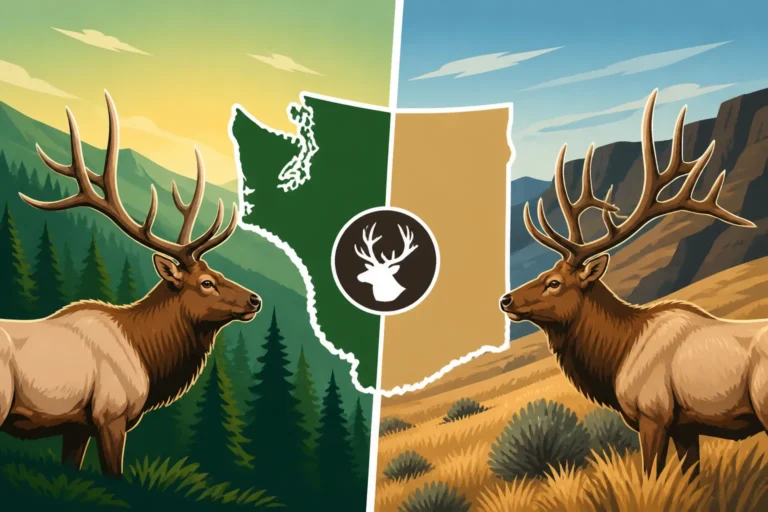
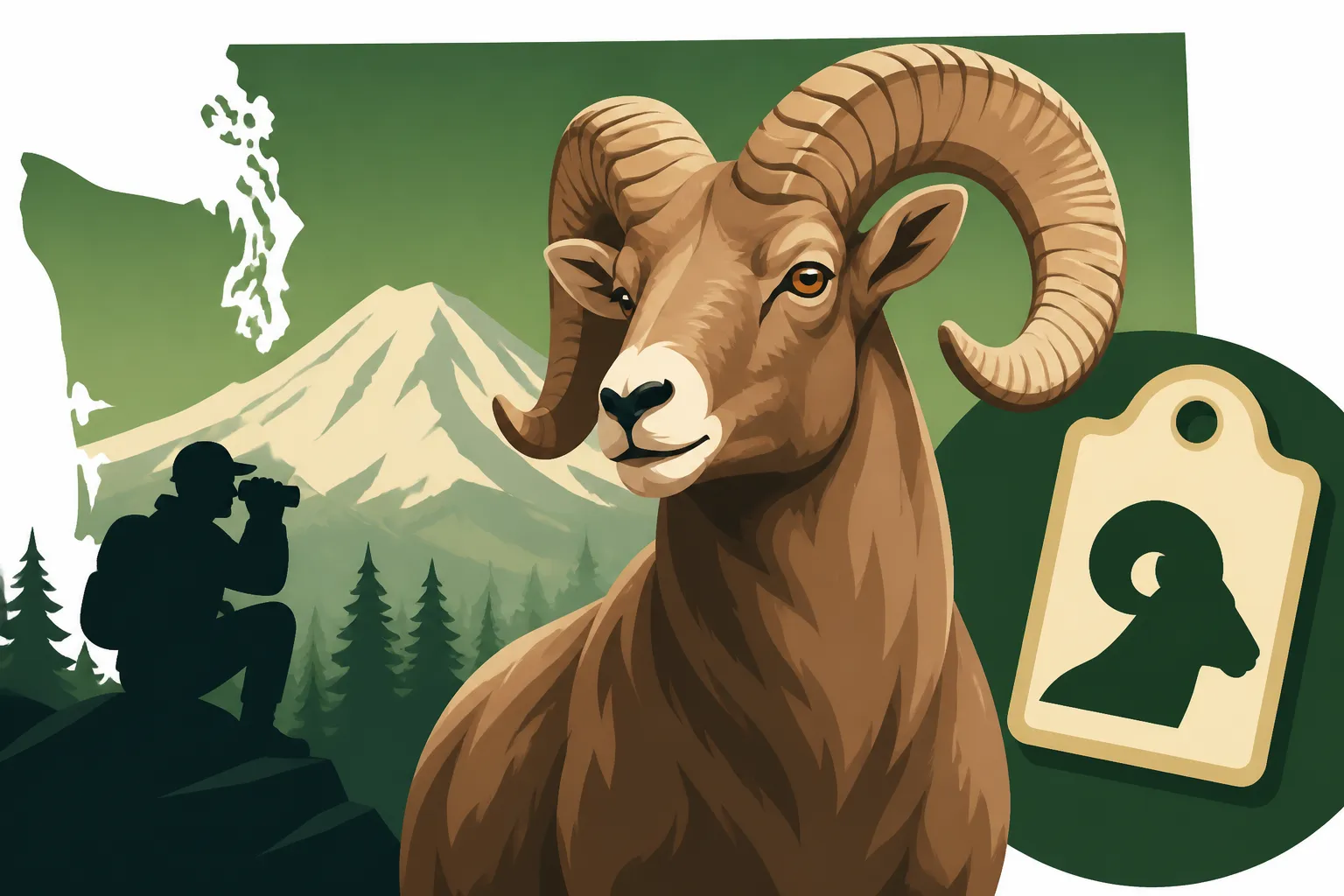
Understanding the permit numbers is one thing, but truly appreciating the opportunity involves knowing the animals themselves and where they roam. Washington is home to two distinct subspecies of bighorn sheep, each with their own unique characteristics and preferred habitats.
California Bighorn Sheep in Washington
The California bighorn sheep (Ovis canadensis californiana) are found primarily in the arid, rugged canyonlands and steep, rocky slopes of eastern Washington, particularly in the Okanogan, Methow, and Chelan regions. These sheep are incredibly adapted to their harsh environments, often blending seamlessly into the dry, brown landscapes. They thrive in areas with sparse vegetation, where their keen eyesight and agility protect them from predators. Historically, populations struggled significantly due to disease and habitat loss, but dedicated conservation efforts have helped them rebound in certain areas. Observing a ram with its magnificent, curling horns silhouetted against a desert ridge is an unforgettable sight, truly embodying the spirit of the American West. The units in the Okanogan like Mt. Hull and Chelan Butte are prime examples of California Bighorn country.
Rocky Mountain Bighorn Herds in Washington
In contrast, the Rocky Mountain bighorn sheep (Ovis canadensis canadensis) in Washington are found in the more forested and alpine environments of the Selkirk Mountains in the far northeast corner of the state, and the rugged, timbered canyons of the Blue Mountains in the southeast. These sheep are typically a bit larger than their California cousins and prefer steeper, more mountainous terrain with a mix of open slopes and timbered cover. The Selkirk herd, while small, is a vital population, and the Blue Mountains herd represents a significant concentration of these majestic animals. The challenges faced by these herds, particularly in the Blue Mountains, are a stark reminder of the delicate balance required for their survival, and why the permit numbers are so tightly controlled. When applying for tags in these units, hunters must be prepared for a physically demanding hunt in steep, often snowy, terrain.
Disclaimer
Please note: Hunting regulations, permit numbers, and season dates are subject to change annually. Always consult the official Washington Department of Fish and Wildlife (WDFW) regulations pamphlet and website for the most current and accurate information before planning your hunt.