Hunting the Same Unit Across Three Weapon Seasons
There's a unique frustration that comes with hunting a new unit every year: you spend weeks, even months, learning the land, only to abandon all that hard-won knowledge the following season. It feels like you're always starting from scratch, never quite mastering an area. This guide is all about overcoming that cycle by teaching you how to build a deep, intimate understanding of a single Washington hunting unit by pursuing game there across multiple weapon seasons. It’s a strategy that pays dividends in knowledge, experience, and ultimately, success.
The Strategic Advantage of Unit Familiarity
Committing to a single unit for multiple seasons isn't just about convenience; it's a profound shift in your hunting philosophy. Instead of being a casual visitor, you become a student of that particular piece of land. This deep immersion allows you to read the landscape, predict game movements, and understand the subtle nuances that a one-off hunt simply can't provide. It transforms your approach from reactive to proactive, turning frustrations into informed decisions.
Deepening Your Knowledge Base
Think about it: every scouting trip, every missed opportunity, every successful harvest – it all contributes to a comprehensive mental map of your unit. When you're constantly learning a new area, that knowledge evaporates with the tag. But by focusing on one GMU, you start to see patterns emerge. You’ll begin to understand how specific weather fronts push elk from high country to sheltered timber in the Colockum or how a sudden cold snap impacts mule deer movement in the Okanogan.
You'll discover bedding areas that consistently hold deer regardless of pressure, or water sources that become critical during a dry September for a Washington Elk Herds and Where They Live. You might notice certain clearcuts in the Willapa Hills that consistently green up earlier, attracting blacktail deer after a long winter, or specific benches in the Blue Mountains where elk congregate before migrating down to winter range. This cumulative wisdom is your greatest asset. It allows you to anticipate where game will be, even if they've been pressured, because you know their unit, not just a unit. The more time you spend, the more intimate your understanding becomes, bridging the gap between simply "hunting" and truly "knowing" an area.
Unlocking Different Behaviors and Patterns
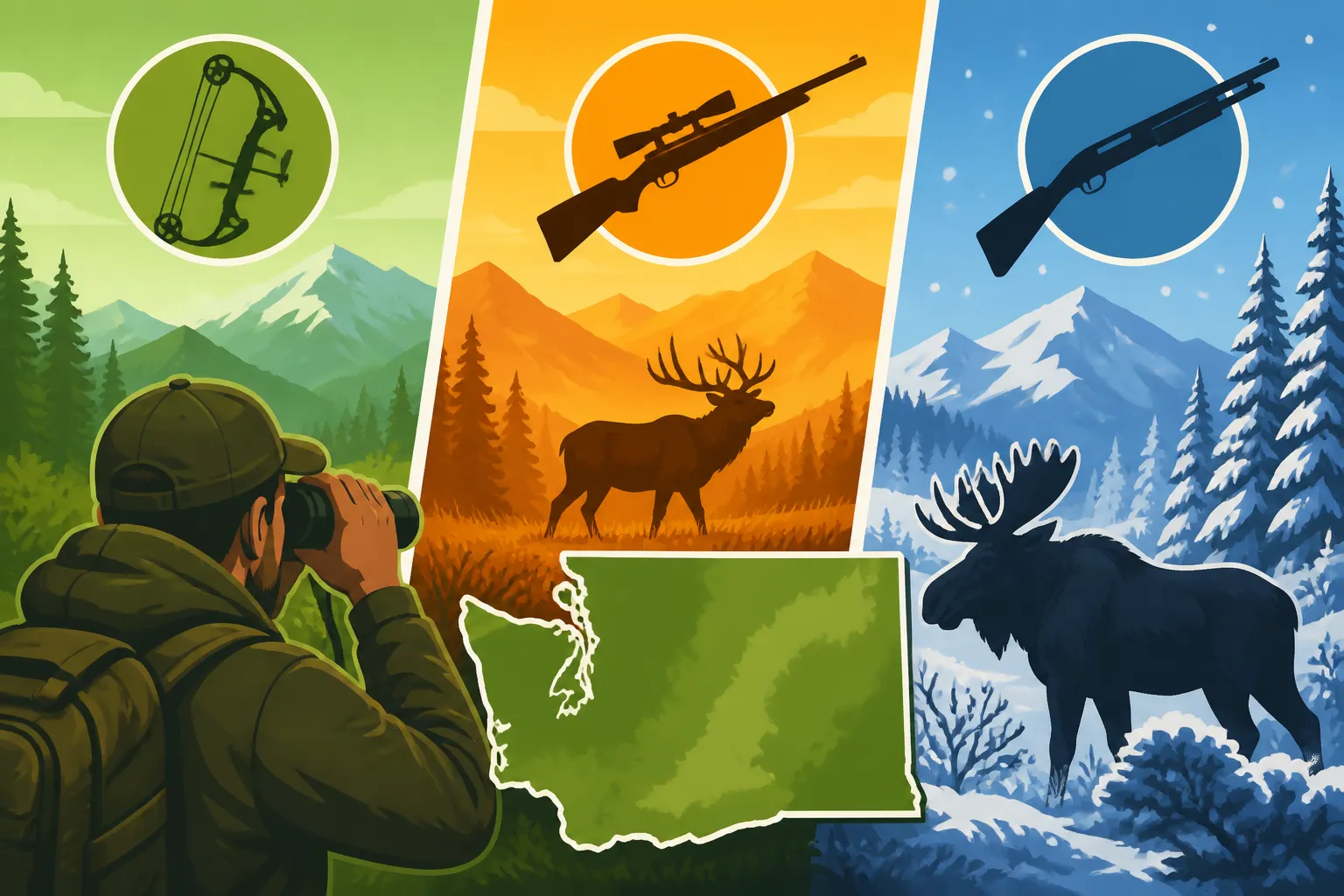
Game animals, especially big game like elk and deer, aren't static creatures. Their behavior shifts dramatically throughout the year, influenced by breeding cycles, food availability, weather, and hunter pressure. Hunting the same unit across three weapon seasons (archery, modern firearm, muzzleloader) offers you a front-row seat to this dynamic display. What you learn about a bull elk in September during the rut can inform your late-season muzzleloader hunt, even if his current location is completely different.
For instance, during early archery season, you might find elk actively bugling and moving openly, focused on breeding. This is a time when Bugling and Cow Calling in Washington's Archery Elk Season can be incredibly effective. However, once modern firearm season opens, the landscape changes. The woods suddenly fill with hunters, and those vocal, visible elk become ghosts, slipping into thick cover and moving primarily at night. The knowledge you gained about their travel corridors and bedding areas in September is still valuable, but you’ll apply it differently – perhaps by still-hunting those thickets where they seek refuge, rather than trying to call them in. Then, as muzzleloader season arrives, often later in the year, severe weather or deep snow might push animals onto different parts of their winter range, lower in elevation. Your earlier observations about historical migration routes or preferred wintering grounds become crucial. This multi-seasonal perspective allows you to paint a much fuller picture of how game uses the unit, rather than just a snapshot from one specific time of year.
Planning Your Multi-Season Approach in Washington
Embarking on a multi-season hunt in a single unit isn't something you can just decide on a whim. It requires careful planning, a deep understanding of Washington's licensing system, and a strategic selection of your weapon choices. The upfront investment in research and tags can feel daunting, but the long-term rewards of unit mastery are well worth it.
Understanding Washington's Multi-Season Tags
Washington State offers a unique "Multi-Season" tag option that is the bedrock of this strategy. These coveted tags allow you to hunt deer or elk during the archery, modern firearm, and muzzleloader general seasons, giving you three distinct opportunities to harvest an animal within a chosen GMU. It's a fantastic way to maximize your time and effort in a single area. However, these are not guaranteed.
The Washington Multi-Season Deer and Elk Tags are allocated through a lottery system, meaning you have to apply and hope your number comes up. The application period usually runs from April to May, and the draw results are typically posted in June. Your chances of drawing one can vary wildly depending on the species and demand, so it's wise to research historical draw odds. Websites and resources like GoHunt's Insider platform can provide invaluable data and analysis on these odds, helping you make informed decisions about where to apply. While you only get one multi-season tag per species (either deer or elk, not both), winning one is a game-changer for building unit familiarity. Without a multi-season tag, you'd be restricted to a single weapon season, which makes truly understanding a unit much harder, as you'd need to purchase individual tags for different seasons or rely on general season opportunities.
Choosing the Right Weapon Order and Strategy
Once you've secured a multi-season tag, the real strategic thinking begins. While the tag gives you access to all three general seasons, how you approach each one, and in what order you choose to hunt, can significantly impact your success. There's no single "right" way, as it often depends on your personal preferences, the unit's characteristics, and the species you're pursuing.
Many hunters prefer to start with archery season in September, particularly for elk. This is when bulls are often most vocal and responsive, offering exciting Archery Elk Hunting in Washington's September Season opportunities. While challenging, the early season provides a chance to scout thoroughly before more hunters enter the woods. If you don't fill your tag, you've gained critical intel on animal movement and learned the unit extensively before the modern firearm season in October. For deer, early archery can also be productive before the full rut kicks in, focusing on feeding patterns.
Modern firearm season, typically mid-October, sees a significant increase in hunter pressure. This is where your accumulated knowledge of bedding areas and escape routes becomes invaluable. You'll likely need to adjust your tactics from calling to more patient glassing or still-hunting, as game will be much warier. This season usually has the highest success rates due to its timing and the effectiveness of modern firearms, but it also means dealing with crowded trailheads and more competition. This is where Rifle Setup for Washington Elk and Deer becomes critical, ensuring you're confident in making a precise shot if an opportunity arises.
Finally, muzzleloader season often falls in November, sometimes extending into early December. This is typically a colder, wetter, and often snowier hunt. The pressure might be lower than modern firearm season, but the conditions are tougher. Animals may have moved onto winter range, making your understanding of elevational changes and historical migration paths key. This season is where your commitment to deep learning truly pays off, as you might be hunting game that has been pushed or has migrated, but you still know their general habits within your chosen unit. The decision of Choosing a Weapon Season for a Washington Elk Tag is pivotal, and having the multi-season flexibility means you don't have to put all your eggs in one basket.
| Season Type | Typical Timing | Game Behavior Focus | Hunter Tactics Focus | Key Challenges |
|---|---|---|---|---|
| Archery | Early-Mid September | Rutting, Vocal, Feeding | Calling, Spot & Stalk, Ambush near feed/water | Stealth, Close-range shots, Weather variability |
| Modern Firearm | Mid-Late October | Pressured, Wary, Timber | Glassing, Still-hunting, Post-rut cruising, Patience | High hunter density, Less vocal game |
| Muzzleloader | Mid November-Early Dec. | Migration, Winter Range | Tracking, Cold weather hunting, Locating winter food | Harsh weather, Limited visibility, Specific gear |
Adapting Your Tactics to Each Weapon Season
The beauty of hunting the same unit across three seasons is the opportunity to witness and adapt to the ever-changing rhythm of the wild. Each weapon season presents a unique set of circumstances, demanding different skills and strategies. What works in early September for archery won't necessarily translate directly to a late-November muzzleloader hunt, but the underlying knowledge of the unit remains your constant advantage.
Archery Season: Early Movement and Calling
Archery season, particularly for elk, often coincides with the peak of the rut in Washington's backcountry. This is a time of high energy, vocal animals, and incredible opportunities for an engaged hunter. Bulls are often on the move, asserting dominance, herding cows, and responding to calls. If you're chasing elk, mastering Bugling and Cow Calling in Washington's Archery Elk Season is paramount. Learning the terrain where these interactions are most likely – open parks, ridge saddles, or dark timber fringes – comes from your intimate unit knowledge.
You'll be focused on stealth, wind direction, and closing the distance for a clean shot. Animals are less wary of humans than they will be later in the year, but their senses are still incredibly sharp. Your knowledge of predictable feeding areas at first and last light, or hidden water sources that become crucial in dry September, gives you an edge. For deer, early archery can be focused on catching bucks moving from bedding to feeding in the mornings and evenings before the full intensity of the rut takes over. Being prepared for Washington's notoriously wet weather is also key, and Archery Practice for Wet Coastal Conditions can ensure your gear and technique hold up when the rain starts.
Modern Firearm Season: Pressure and Patience
The transition from archery to modern firearm season is often abrupt, marked by a significant increase in hunter numbers and a drastic shift in game behavior. Those vocal, visible animals you might have seen in September become incredibly secretive. They've learned that human presence means danger, and they'll quickly adjust their patterns to avoid detection. This is where the deeper knowledge of your chosen unit truly shines, because you're no longer just looking for game; you're anticipating how they'll react to pressure.
Animals will often move into the thickest, nastiest cover they can find – dense reprod, steep canyons, or remote drainages that most hunters avoid. Your multi-season scouting helps you identify these sanctuary areas. Tactics shift from aggressive calling to patient glassing, particularly in open country on the east side, or slow, deliberate still-hunting through thick timber on the west side. Understanding the terrain, like how to effectively hunt Blacktail Deer Hunting in Western Washington Timber, becomes critical. You might spend hours slowly picking apart a hillside with your optics, looking for a flick of an ear or the horizontal line of a deer in a sea of vertical trees. Success during this season often comes down to perseverance, meticulous observation, and the willingness to hunt the places other hunters overlook, relying on your accumulated knowledge of escape routes and hidden pockets of cover. Having a reliable and accurate Rifle Setup for Washington Elk and Deer is essential for these potentially longer, more challenging shots.
Muzzleloader Season: Late Hunts and Winter Range
Muzzleloader season in Washington typically brings colder temperatures, shorter days, and often the first significant snowfalls of the year. This completely transforms the landscape and animal behavior, and your prior knowledge of the unit is again indispensable. Many animals will begin their migration from high summer ranges down to traditional wintering grounds at lower elevations. Your notes from previous seasons about these migration corridors or historical winter range areas become gold.
Snow can be both a blessing and a curse. While it makes for much tougher hunting conditions – navigating icy roads, staying warm, and managing gear like your muzzleloader in adverse weather (think about Muzzleloader Loading and Ignition in Rain) – it also provides fresh tracks. Learning to Tracking Bucks in Fresh Eastern Washington Snow or following elk trails can lead you directly to game, especially if they're focused on feeding in newly exposed areas or sheltered slopes. Patience and physical endurance are key, as you might be covering significant ground in challenging conditions. The game will still be wary from previous seasons, but the drive to find food and survive the elements might make them slightly less focused on human presence in truly remote or harsh conditions. Understanding these late-season behavioral changes, combined with your established unit knowledge, gives you a significant advantage.
Managing Pressure and Minimizing Disturbance
One of the biggest pitfalls of repeatedly hunting the same unit, especially during popular general seasons, is the risk of "burning out" your best spots. Animals are smart; they quickly learn where hunter pressure is highest and will adapt by avoiding those areas or becoming nocturnal. Successfully hunting a unit across multiple seasons requires a thoughtful approach to pressure management, ensuring you don't educate the game right out of your desired hunting grounds.
Hunting Smart: Avoiding Over-Pressuring Your Spot
Imagine you've found a fantastic bedding area for elk during your archery hunt. It's remote, holds fresh sign, and you've had some close encounters. It's tempting to hit that spot hard again during modern firearm season. However, doing so might push those elk out of the area permanently or make them nocturnal. Instead, consider this: your knowledge of that bedding area, combined with the general increase in hunter pressure during rifle season, now tells you where the elk will likely be going when disturbed.
You can use different access points or focus your efforts on adjacent, less accessible terrain that serves as an escape route or secondary bedding area. For instance, if you know a certain ridge consistently holds elk in early September, you might shift your focus to a brushy draw further down the slope during rifle season, anticipating that pressured animals will retreat there. Always think about how your presence, and the presence of other hunters, influences animal movement. By rotating your hunting spots within the unit, giving areas time to rest, and utilizing different entry and exit strategies, you can minimize your footprint and keep game feeling secure enough to remain in the unit. Tools like GoHunt's mapping features can help you identify these alternative access points and potential escape corridors to spread out your impact.
Utilizing Different Terrain Features
Just as animal behavior changes with the seasons, so too does the utility of different terrain features within your unit. A sunny, south-facing slope might be a fantastic feeding ground in the cold of late muzzleloader season, melting snow and providing forage. However, that same slope could be a barren, exposed wasteland in the heat of early archery season, or too open to offer security during rifle season. Your multi-season reconnaissance allows you to connect these dots and exploit the unit's diverse landscape throughout the year.
For example, a dense stand of dark timber might be largely ignored by elk during the peak of the rut when they're open and vocal. But come modern firearm season, those very same trees become an impenetrable fortress where pressured animals seek refuge. Knowing which patches of timber are dense enough, and which access routes (like old logging roads or specific drainages) lead into them, is invaluable. Similarly, clearcuts or areas of reprod that might be too open for daytime activity during rifle season could become crucial feeding areas for blacktails under the cover of fog or during low-pressure periods of archery season. This understanding of micro-terrain, whether it's Reading Clearcuts and Reprod for Blacktail Bucks or identifying thick pockets of security cover, allows you to adapt your strategy. If you're fortunate enough to have access to Hunting Behind Timber Company Gates, these areas can become prime locations for finding pressured game that has moved away from public land, and your intimate knowledge of the unit will guide you to these specific private land boundaries.
Logistics and Practicalities for Extended Stays
Hunting the same unit across three seasons isn't just about strategy; it's also about practical execution. You're committing to spending significant time in varying conditions, which demands meticulous attention to gear, sustenance, and the critical task of meat care. Overlooking these logistical details can quickly turn an exciting multi-season endeavor into a miserable experience.
Gear Considerations for Varied Conditions
Washington's hunting seasons can throw everything at you, from warm, dry early fall days to freezing rain, heavy snow, and strong winds later in the year. Hunting the same unit from September through December means you'll encounter the full spectrum. Your gear system needs to be adaptable, focusing on layering and protection from the elements. This isn't the time to skimp on quality.
Your layering system will be your best friend. Start with moisture-wicking base layers, add insulating mid-layers like fleece or puffy jackets, and top it all off with a reliable, waterproof and breathable shell. Ensure your rain gear is robust enough to survive the constant abuse of wet Washington brush and keeps you dry during a persistent downpour. Boots are another critical item: choose a pair that offers excellent support for steep terrain, is fully waterproof, and provides adequate insulation for late-season cold. Consider packing gaiters for wet or snowy conditions. Headlamps, spare batteries, first-aid kits, and navigation tools (GPS, compass, maps) are non-negotiable for any backcountry hunt, especially when you might be setting up Backcountry Camps in Washington Wilderness in increasingly challenging weather. Preparing for these varied conditions ensures comfort, safety, and ultimately, a more effective hunt.
Meat Care and Logistics Across Seasons
The logistical challenge of meat care is vastly different depending on the season. A September elk kill in 70-degree weather demands immediate and aggressive cooling, while a November deer taken in freezing temperatures might allow for more leeway. Planning for efficient processing and transport is paramount, especially if you anticipate success across multiple seasons.
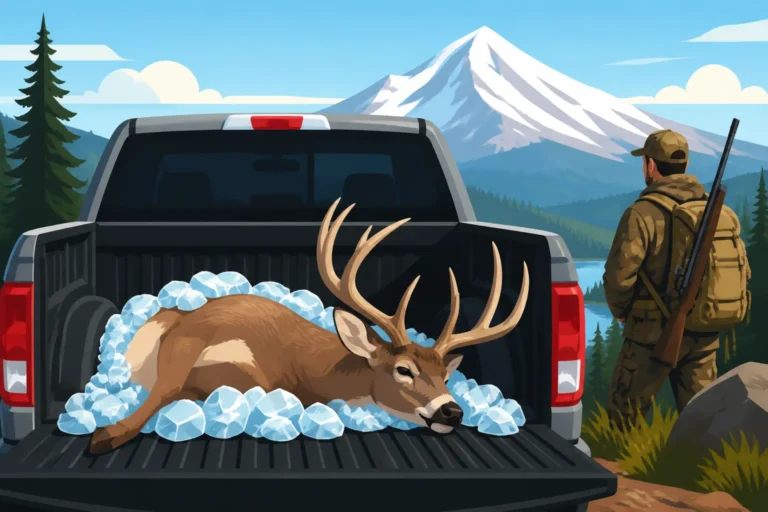
During early archery, the high temperatures mean you need to be prepared for Field Dressing in Warm Early-Season Weather instantly. The gutless method might be preferred to get meat off the bone and into game bags as quickly as possible, allowing for maximum airflow and cooling. Having appropriate game bags – breathable, fly-proof – is essential. You'll also need to consider your cooler strategy back at the truck or camp. A large, well-insulated cooler is vital, and knowing the Cooler Size for a Bull Elk or even a large deer can help you prepare adequately. Ice management, whether it's block ice or frozen jugs, is critical to prevent spoilage.
As the season progresses into modern firearm and muzzleloader, temperatures drop. While this reduces the urgency for rapid cooling, proper meat care is still crucial. Freezing temperatures can actually protect meat, but you still need to ensure it's clean, protected from dirt and scavengers, and allowed to cool thoroughly before transport. Having a dedicated meat hauling pack, whether it's a frame pack or a robust internal frame pack with a load shelf, is indispensable, allowing you to efficiently get quarters out of the woods. If you're fortunate enough to harvest multiple animals throughout your multi-season endeavor, plan for the storage and processing logistics, potentially finding a local butcher or having the supplies to cut and wrap your own game at home.
Leveraging Technology for Multi-Season Success
In today's hunting world, technology isn't just a convenience; it's a powerful force multiplier, especially when you're dedicating yourself to understanding a single unit across multiple seasons. Digital tools can help you analyze terrain, predict animal movement, and gather real-time intelligence, giving you a distinct edge in your multi-season pursuit.
E-Scouting and Mapping Tools
Before you even set foot in the woods for your first season, powerful e-scouting tools can give you an incredible head start. Platforms like GoHunt, onX Hunt, or even the Washington Department of Fish and Wildlife's (WDFW) online hunt planner allow you to meticulously dissect your chosen GMU from the comfort of your home. You can study topography, identify potential bedding and feeding areas, locate water sources, and map out access roads and trails. This is particularly useful for E-Scouting Washington GMUs Before the Draw, helping you identify promising areas for application.
With these tools, you can layer satellite imagery, topographical maps, and public/private land ownership data. You can mark potential glassing knobs, escape routes, and areas of dense cover where pressured animals might retreat. As you learn more about the unit from your in-person hunts, you can update these digital maps with new waypoints, notes on animal sightings, or observations about how game uses specific features during different seasons. For instance, you might note that a particular north-facing slope holds snow well into the late season, making it a good spot to check for wintering elk during muzzleloader, whereas a south-facing slope might green up early for archery deer. This ongoing digital reconnaissance helps you refine your strategy season after season.
Trail Cameras and Real-Time Intel
Trail cameras are another invaluable technological asset for the multi-season hunter. Strategically placing cameras in your unit can provide you with critical, real-time intelligence about animal presence, movement patterns, and even specific animals. Imagine scouting for your modern firearm deer hunt by checking cameras that have been running since archery season; you can see how bucks are moving post-rut, where they're feeding, and which areas they're using as sanctuaries once hunter pressure increases.
Consider placing cameras on ridge saddles that act as natural travel corridors, near water sources, or at pinch points between bedding and feeding areas. Understanding Trail Camera Placement on Ridge Saddles can greatly improve your success. This intel isn't just for the immediate season; it builds a historical record of animal activity in your chosen unit. Over time, you'll accumulate a wealth of data that shows how specific deer or elk use the unit throughout the year, how they react to changing conditions, and when they transition from one area to another. This comprehensive understanding, gained through multiple seasons and technological assistance, can elevate your hunting success to new levels.
Disclaimer
Hunting is an inherently dangerous activity. Always prioritize safety, understand and follow all Washington Department of Fish and Wildlife (WDFW) regulations, and ensure you have the necessary skills, permits, and landowner permissions before heading into the field. This guide provides general information and recommendations, but individual circumstances and regulations may vary. It is your responsibility to verify all rules and conditions before hunting.