Quality Deer Hunt Choice Limits in Washington
Oh, the Washington special hunt draw! It’s a rite of passage for many of us, but let's be real, navigating those application rules can feel like trying to decipher ancient hieroglyphics after a long day in the timber. You pour over the pamphlet, dream of that big buck, only to hit a snag with the "how many choices" question, especially when it comes to those coveted quality deer hunts. This guide is here to untangle that knot, walking you through the specific limits on your hunt choices for Washington's quality deer permits, so you can apply with confidence and a clear strategy.
Understanding Washington's Special Hunt System
The Washington Department of Fish and Wildlife (WDFW) has a system that, while designed to manage wildlife and opportunity, can sometimes feel like a puzzle with missing pieces. For deer hunters, understanding the distinction between the general season and special permits is the very first step toward making sense of your application choices.
The General Season vs. Special Permit Reality
Most of us start our hunting journey with a general season tag. You buy it over the counter, pick your GMU (Game Management Unit), and hit the woods during the specified dates. These hunts are often more accessible, with a greater number of available tags, but they also tend to be more crowded and can sometimes offer lower success rates or less flexible hunting conditions. It’s the bread and butter of Washington hunting, and honestly, there's nothing wrong with a hard-earned general season buck. But then you hear whispers of those special permits – the "Quality Deer Hunts" – and suddenly, a whole new world of opportunity opens up, albeit one with a significantly higher barrier to entry.
Special permits, by their very nature, are limited. They're designed to offer unique opportunities, often in specific areas, for certain species, or with particular weapon types. These are the tags that can grant you access to a unit known for mature bucks, a season with less pressure, or a longer hunt window. The trade-off? They're often highly sought after, making the draw odds incredibly low. Unlike states with preference points, Washington uses a truly random draw system for its special permits. While this can be frustrating when you don't draw for years, it also means every applicant, regardless of past success, has an equal shot each year, which is something to appreciate. For a deeper dive into the overall application process, you might want to read our guide on Washington Special Hunt Permits and How to Apply.
What Qualifies as a "Quality Deer Hunt" in Washington?
When WDFW uses the term "Quality Deer Hunt," they're generally referring to opportunities specifically managed for a higher likelihood of encountering older, more mature bucks. This often translates to specific regulations aimed at reducing harvest pressure on younger animals. You might see these hunts designated in particular GMUs (Game Management Units) known for good genetics or habitat, or they might involve an early archery season when bucks are still in bachelor groups, offering a better chance to scout and target.
These quality hunts often come with stricter antler point restrictions, such as a "3-point minimum" rule, which allows younger bucks to survive and grow. Sometimes, it's about extending the hunting season into late fall, giving hunters a chance during the rut or after early snowfalls push deer to lower elevations. The core idea is to foster populations with a healthier age structure, leading to more mature animals. For instance, specific early archery hunts in certain western Washington GMUs might be considered quality deer hunts due to lower hunter density and the opportunity to target undisturbed bucks. Likewise, late-season modern firearm hunts in areas like the Okanogan can fall into this category, offering a shot at migrating mule deer bucks that have evaded hunters for weeks. It’s these types of unique chances that make applying for a quality tag so enticing, even with the competitive odds.
Navigating Your Hunt Choices for Quality Deer
This is where the rubber meets the road, and where a lot of hunters get tripped up. The WDFW application pamphlet has a section for hunt choices, and it's easy to assume you get four picks for every species, every time. But with quality deer hunts, there’s a critical distinction you absolutely need to be aware of.
The Four-Choice Rule and Its Caveats
Typically, when you apply for special hunt permits in Washington, you're allowed to list up to four hunt choices on your application for each species. This gives you a decent range of options, letting you apply for a long-shot dream hunt alongside a few more realistic possibilities. It’s a system that, on the surface, seems straightforward and flexible. You can prioritize your dream hunt as choice #1, then fill in choices #2, #3, and #4 with hunts that still excite you but might have better odds or different characteristics.
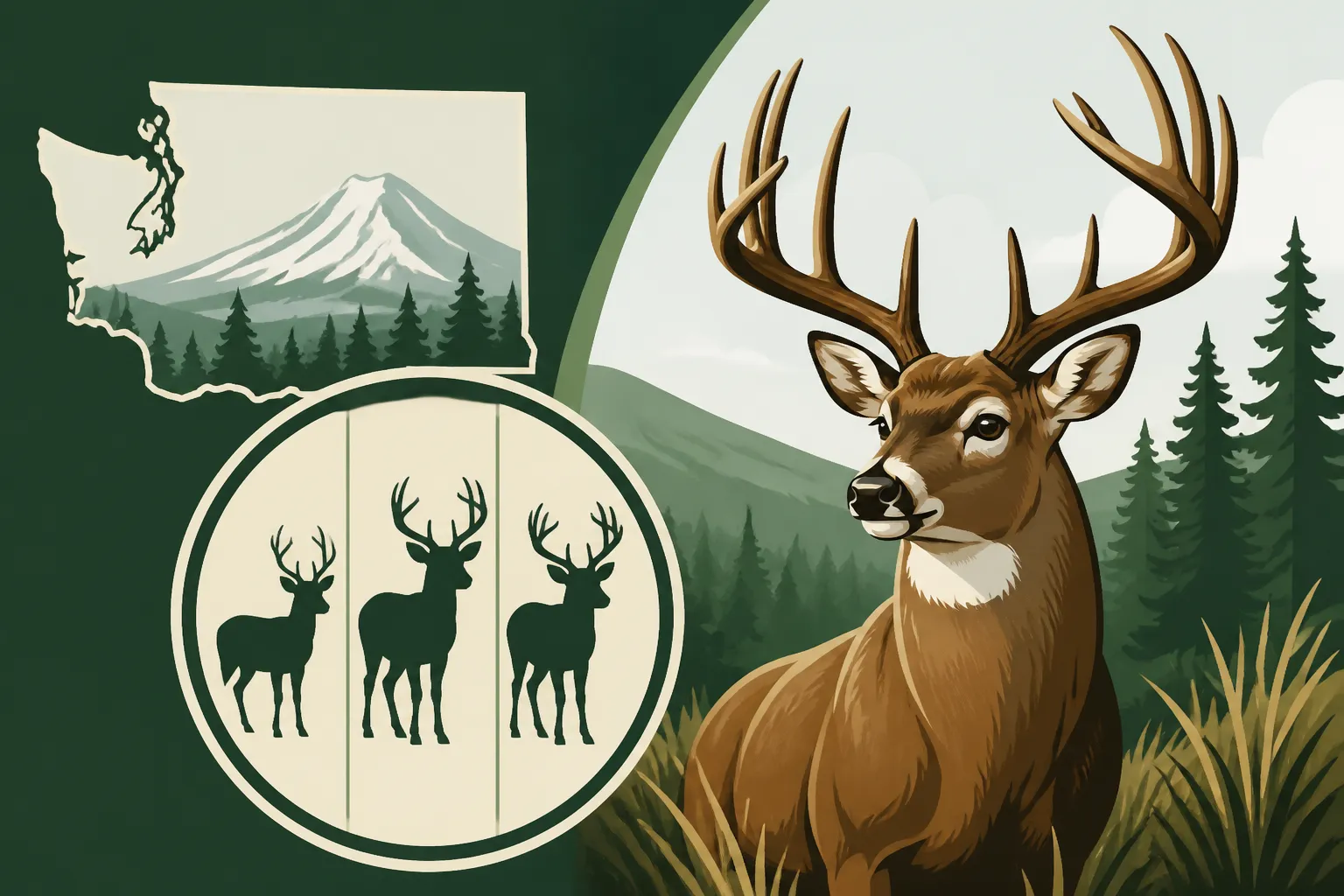
However, and this is the crucial part for anyone eyeing those trophy bucks: when it comes to Quality Deer and Quality Elk special permits, your choices are limited to just two per species. That's right, not four, but two. This distinction is paramount and often overlooked, leading to frustrated hunters who realize too late they could have maximized their chances differently. This limitation is primarily in place to manage the immense demand for these top-tier hunts. By restricting choices, WDFW can ensure that applicants are truly focused on specific, high-value opportunities, rather than simply casting a wide net with four highly competitive choices. It's a way to slightly condense the applicant pool for each specific quality hunt, making the draw a bit more manageable and selective for the department. So, if you're looking at a "Quality Mule Deer" tag in the Beezley Unit or a "Quality Blacktail" tag in the Capitol Peak GMU, you'll need to be extra strategic with your two precious choices.
Strategic Application for Quality Deer Permits
Given you only have two bites at the apple for quality deer permits, your strategy becomes incredibly important. You can't just throw four darts at a map and hope one sticks. You need to be methodical. One common approach is to pick one "dream hunt" as your first choice—a hunt you truly believe is a once-in-a-lifetime opportunity, even if the draw odds are astronomically low. Then, for your second choice, you'd select a "safer" quality hunt. This doesn't mean it's easy to draw, but perhaps it has slightly better odds based on historical data or is in a unit that, while still excellent, isn't quite as universally sought after. Tools like GoHunt's Insider research platform can be incredibly valuable here, offering detailed draw odds and unit breakdowns to help you make these nuanced decisions.
Another strategy is to pick two hunts with similar, perhaps slightly better, odds. This might mean sacrificing the absolute "trophy of a lifetime" potential for two really good chances at solid quality hunts. Remember, Washington's draw is random, so there are no preference points to build up. This means every year is a fresh start, and every application has an equal chance against the others. This makes understanding Washington's Random Draw and No Preference Points even more critical. Beyond the draw, it's also smart to have a backup plan. What if you don't draw any special permit? Will you hunt the general season? Will you consider a multi-season tag if you applied for one? Thinking through these contingencies ensures that no matter the draw results, you still have a hunting plan for the year.
Making Your Two Choices Count
With only two choices for a quality deer permit, every decision feels amplified. This isn't the time for guesswork; it's the time for diligent research and honest self-assessment about your hunting goals and capabilities.
Researching Draw Odds and Unit Statistics
The cornerstone of a successful quality deer permit application is thorough research. You absolutely need to know the draw odds for the hunts you're considering. WDFW publishes special hunt permit reports each year that detail the number of applicants versus permits issued, giving you a baseline. However, digging deeper into data analytics can provide a significant advantage. Specialized platforms, like the one offered by GoHunt, integrate this WDFW data with mapping tools and historical trends, allowing you to filter by species, weapon type, and even specific GMUs. This allows you to see not just the raw odds, but also trends in applications, success rates, and even the quality of animals being harvested in particular units.
Beyond the numbers, you need to research the unit itself. What kind of terrain is it? Is it mostly timber, open sagebrush, or agricultural fringes? What are the access challenges—are there locked gates, or is it wilderness? What's the deer density like? For instance, if you're applying for a quality mule deer hunt in Eastern Washington, you'd want to research Mule Deer Numbers in Eastern Washington and understand their migration patterns. If it's a blacktail hunt in Western Washington, you'd look into Blacktail Deer Density in Washington Timber and how they utilize clearcuts. Understanding these specifics will help you determine if a "quality" unit truly aligns with your hunting style and expectations.
Weighing Your Options: Risk vs. Reward
When you only have two choices, you have to play the odds, but also consider what kind of experience you're truly after. Do you prioritize the slim chance at a true monster, or a better chance at a solid, mature buck? Here's a table to help you visualize different application strategies for your two quality deer hunt choices:
| Strategy Option | Choice 1 (Priority) | Choice 2 (Backup) | Pros | Cons |
|---|---|---|---|---|
| 1. High-Risk, High-Reward | "Dream" hunt (extremely low odds) | Another "dream" hunt (extremely low odds) | If you hit it, it's truly epic. | Very high chance of drawing neither; leaves you with general season fallback. |
| 2. Balanced Approach | "Dream" hunt (very low odds) | "Solid" quality hunt (low-moderate odds) | Keeps the dream alive, offers a more realistic second chance. | Still competitive for both; you might pass on two good hunts for one very long shot. |
| 3. Two "Solid" Chances | "Solid" quality hunt (low-moderate odds) | Another "solid" quality hunt (low-moderate odds) | Maximizes your chances of drawing a quality tag. | May not be the absolute "top-tier" unit you've always dreamed of. |
| 4. Geographic Focus | Quality hunt in preferred region | Another quality hunt in same region | Familiarity with terrain, easier logistics if you draw either. | May limit potential for higher quality based on regional deer populations or special rules. |
Consider the specific regulations of each hunt. For example, some quality hunts might have a Hunting Washington's Three-Point Minimum Units rule, which means you're specifically targeting older bucks. Others might be open to specific weapons or have longer season dates. Each of these factors changes the dynamic of the hunt and your chances. Remember, if you don't draw, you'll likely fall back on a general season tag, which, while still offering great hunting, doesn't provide the same exclusivity or specialized conditions as a quality permit.
Beyond the Draw: Preparing for Success
Drawing a quality deer tag in Washington is a huge accomplishment, but it's really just the beginning of the journey. The real work starts after you get that coveted email.
Pre-Season Scouting and E-Scouting
Even if you're just applying for special permits, the work of understanding your potential hunting grounds should begin long before the draw results are announced. E-scouting is an invaluable tool, allowing you to virtually explore GMUs from the comfort of your home. Platforms like GoHunt, with their detailed mapping layers, allow you to identify public vs. private land, mark potential access points, find historical burn areas, locate water sources, and pinpoint bedding and feeding areas. This is especially useful for E-Scouting a Washington GMU From Home, letting you narrow down areas of interest before you ever step foot in the woods.
Once draw results are out and if you've been successful, then it's time to hit the ground running with in-person scouting. This means putting boots on the ground, learning the terrain, finding fresh sign, and understanding deer movement patterns. Even if you've hunted general season in a nearby area, a quality deer hunt often means targeting specific areas or specific age classes of deer that require a more intimate knowledge of the land. The more time you spend scouting, both virtually and physically, the higher your chances of converting that hard-won tag into a successful hunt.
Financial and Time Commitments
Let's be honest, hunting in Washington requires an investment. First, there's the cost of your hunting license and general season tags, like the Washington Resident Big Game Combo Price if you're a local. Then come the special permit application fees, which, while relatively small per application, add up if you're applying for multiple species or in multiple years. If you draw a quality deer tag, the financial and time commitments typically escalate significantly.
You might be looking at more travel to a remote unit, which means gas, lodging, or dedicated backcountry camping gear. Quality hunts often imply longer seasons, requiring more days off work. You might also find yourself investing in better optics, a more precise rifle setup, or specialized rain gear for extended stays in the field. It’s crucial to be realistic about these commitments. A quality deer hunt isn't just about the tag; it's about the entire experience—the planning, the scouting, the time in the field, and the effort to bring home the meat. Be prepared to dedicate the resources necessary to make the most of your incredible opportunity.
Disclaimer
Please remember that hunting regulations and seasons in Washington can change. Always consult the most current Washington Department of Fish and Wildlife (WDFW) hunting regulations pamphlet or their official website before planning any hunt. This guide is for informational purposes only and should not be considered a substitute for official WDFW publications.