Blacktail Deer Density in Washington Timber
Hunting blacktail deer in Washington's vast, dense timber can feel like searching for a ghost in a green labyrinth. It’s frustrating when you spend hours still-hunting through thickets, only to wonder if there are even any deer around. This comprehensive guide is designed to peel back the layers of Washington's timbered landscapes, helping you understand where blacktail deer thrive, why they prefer certain areas, and how to pinpoint high-density zones to boost your hunting success.
Understanding Blacktail Habitat in Washington Timber
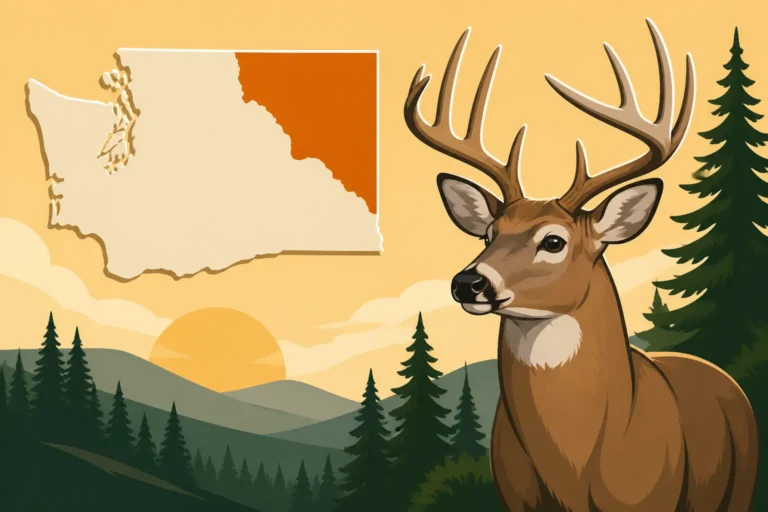
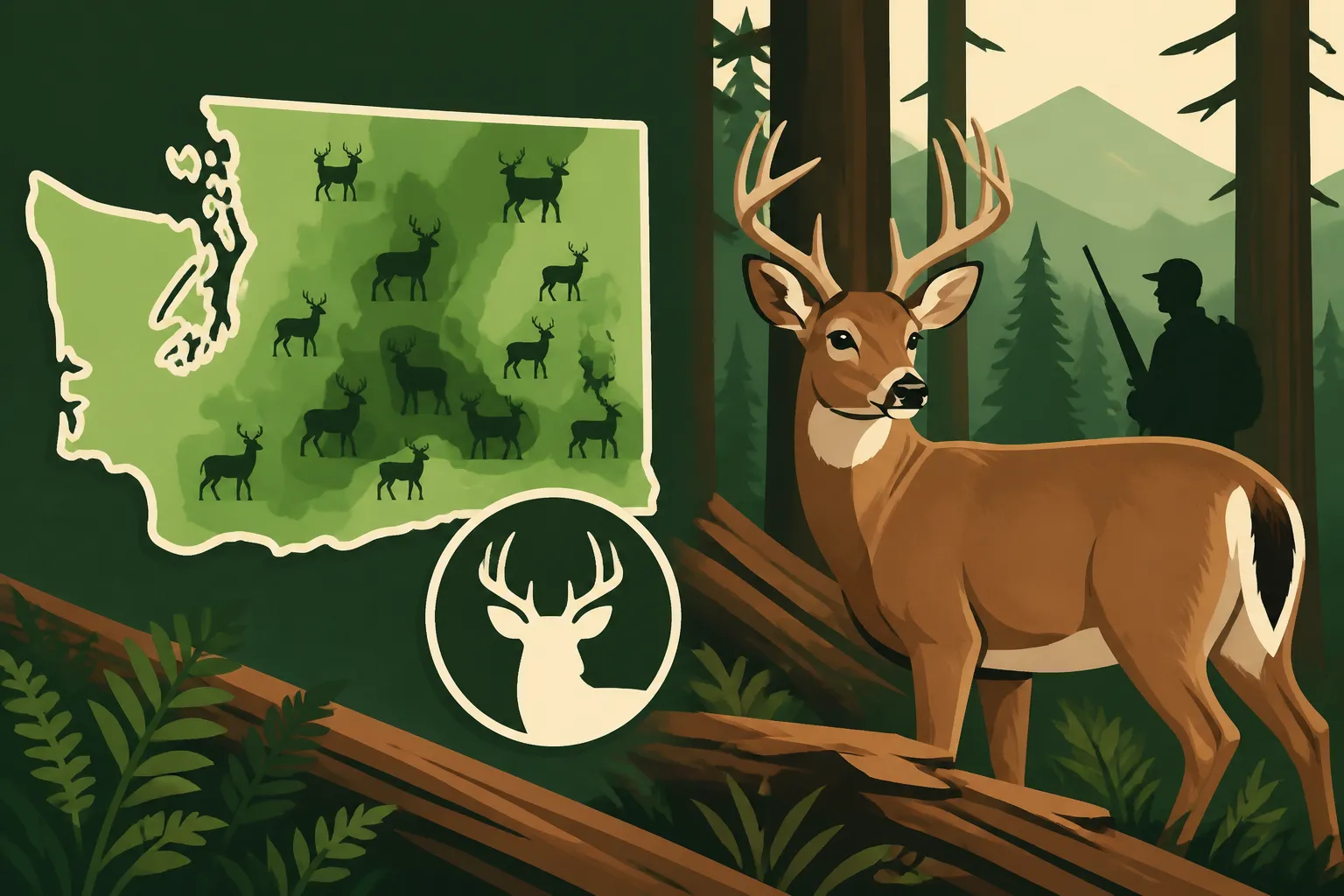
The sprawling forests of Western Washington, from the Olympic Peninsula to the Cascades foothills, are the primary domain of the Columbian blacktail deer. Unlike their mule deer cousins of the East, blacktails are creatures of cover, often preferring the dense, wet, and often unforgiving environments that our state's timberlands provide. Understanding the nuances of this habitat is the first step to finding where these elusive deer concentrate.
Old Growth Versus New Growth Timber
When we talk about timber in Washington, it’s not all one homogenous forest. You have everything from ancient old-growth stands to clearcuts barely a few years old, and each offers different benefits to blacktails. Old-growth forests, characterized by massive trees, a relatively open understory, and a thick canopy, provide excellent thermal cover and protection from predators. However, they typically offer limited browse due to the lack of sunlight reaching the forest floor. Deer will use these areas for bedding, especially during harsh weather, but they aren't often dining there.
In stark contrast, new growth areas, especially clearcuts that are anywhere from 3 to 15 years old, are blacktail magnets. After a clearcut, sunlight floods the forest floor, causing an explosion of forage like salal, huckleberry, vine maple, and various forbs. This burst of food creates a buffet for deer. The downside for hunters is that this same rapid growth also creates an incredibly thick, tangled mess of brush and young trees, making visibility almost non-existent. The trick is understanding that deer will move between these two extremes, using the thick, nutritious clearcuts for feeding and the adjacent older timber for security and bedding. If you're looking for where blacktails bed in reprod, these dense, brushy areas are prime candidates.
The Importance of Understory and Forage
The dense understory is what makes blacktail habitat so unique and challenging. Think about hunting the Willapa Hills or the Olympic Peninsula; you're often pushing through a wall of salal, salmonberry, and devil's club. This isn't just annoying for us; it’s a critical food source and security blanket for the deer. Blacktails are browsers, meaning they prefer to eat leaves, shoots, and woody stems rather than grass. The sheer variety and volume of this browse in disturbed timberlands directly correlate with higher deer densities.
Areas with a rich diversity of understory plants, especially those that provide food year-round, will hold more deer. For instance, evergreen huckleberry and salal offer sustenance even in winter, making those spots consistently attractive. When you're scouting, don't just look for tracks; get down and see what they're eating. Look for clipped branches or stripped leaves on the browse. This tells you not only that deer are present but that they're actively feeding there.
Factors Influencing Blacktail Deer Density
Blacktail deer populations aren't static. Their density in any given timbered area is a dynamic result of several interconnected factors, from forest management practices to natural cycles. Ignoring these influences means you're just walking through the woods hoping for luck, instead of strategically hunting where the deer actually are.
Logging Cycles and Forest Management
Logging is perhaps the single biggest driver of blacktail deer density in Washington timber. Commercial timber harvesting creates a mosaic of habitats at different successional stages, essentially farming deer forage. A newly cut block, while initially barren, quickly sprouts new growth that provides abundant food. As this new growth matures, it becomes incredibly dense, offering both food and security cover. Eventually, as the trees grow taller and the canopy closes, the understory thins, and the area becomes less attractive for feeding, pushing deer to newer clearcuts or adjacent older timber.
This constant cycle of logging means that good blacktail hunting areas can shift over time. A unit that was fantastic five years ago might be overgrown now, or a previously quiet area might have been logged, creating new prime habitat. This makes e-scouting Washington GMUs before the draw and staying updated on timber company activities absolutely crucial. Companies like Weyerhaeuser and Hancock often open or close access based on fire danger or logging operations, so always check their websites or permit systems. Understanding these cycles helps you identify areas that are currently in their sweet spot for blacktail density, typically those clearcuts or thinnings that are 3 to 15 years old, offering a balance of food and cover. If you can understand reading a three-year-old clearcut for bucks, you'll be ahead of the game.
Predation and Disease
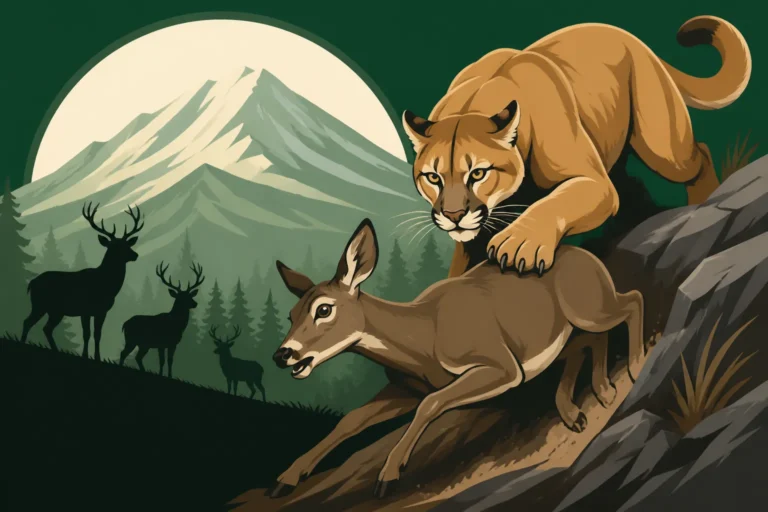
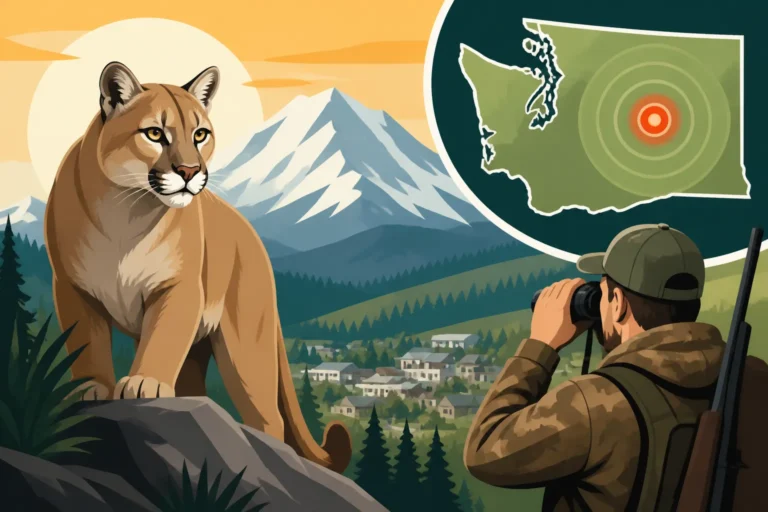
While logging creates habitat, predators and disease also play a significant role in determining how many blacktail deer actually inhabit an area. Cougars, black bears, and coyotes are all prevalent in Washington's timberlands and regularly prey on deer, especially fawns. High predator populations can suppress deer numbers, even in areas with excellent habitat. It’s a delicate balance, and sometimes, a robust predator population can keep deer densities lower than what the habitat might otherwise support.
Disease outbreaks can also dramatically impact local deer populations. Epizootic Hemorrhagic Disease (EHD) or Adenovirus Hemorrhagic Disease (AHD) can cause significant localized die-offs, especially during dry years or when deer densities are exceptionally high. While less common in Washington's typically wet western side compared to some other regions, it's still a factor. If you notice an unusual lack of deer sign in what seems like perfect habitat, it might be worth checking WDFW reports for any recent disease outbreaks or high predator activity in the area.
Seasonal Movements and Winter Range
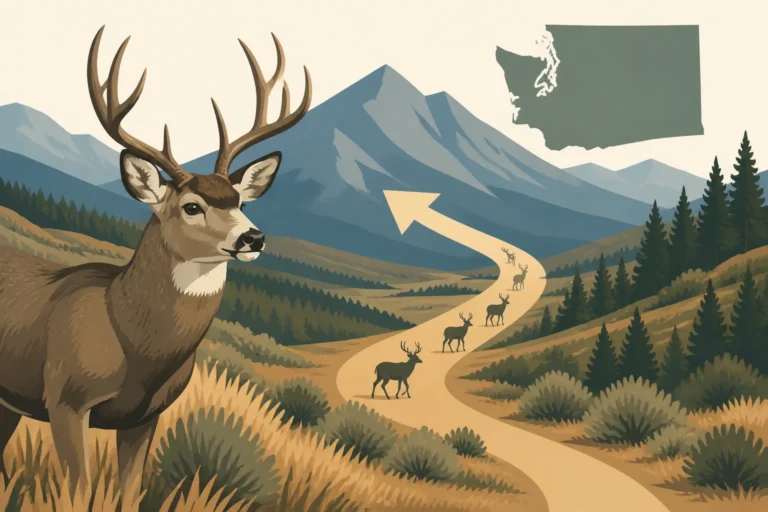
Blacktail deer, especially in areas with significant elevation changes, exhibit seasonal movements that influence where you'll find them and in what densities. While they don't migrate as extensively as some Rocky Mountain elk or mule deer herds, they will shift their patterns to access better forage, seek thermal cover, or escape deep snow. During the late archery and general seasons, you might find deer at higher elevations, especially if the weather is mild and forage is abundant.
As winter approaches and snow begins to accumulate, blacktails will often move down to lower elevations, seeking out winter range where snow depths are less severe and evergreen browse is more accessible. These lower-elevation timber pockets, often on south-facing slopes, can see a significant increase in deer density during the colder months. Similarly, during the summer, deer might spread out more, utilizing the entire timbered landscape. Understanding these general movements is vital. For example, knowing the Blacktail rut timing in Western Washington helps you predict where bucks might be concentrating for breeding activity. GoHunt's mapping features are fantastic for identifying these critical seasonal habitat types and elevation bands before you even step foot in the woods.
Reading the Landscape for High-Density Areas
Identifying high-density blacktail areas isn't just about finding timber; it's about interpreting the subtle signs the deer leave behind and understanding why they're there. This takes patience, keen observation, and an ability to think like a deer.
Identifying Preferred Browse and Feeding Areas
As mentioned, blacktails are browsers. When you're in the timber, you need to be actively looking for their preferred food sources and evidence of feeding. Key plants to look for include:
- Salal: Ubiquitous in Western Washington, deer will browse its evergreen leaves and berries. Look for clipped stems and stripped leaves.
- Huckleberry (Evergreen and Red Huckleberry): Both provide critical forage. Deer love the berries and will browse the leaves and twigs.
- Vine Maple: A deciduous shrub that grows abundantly in clearcuts and along forest edges. The new shoots are highly palatable.
- Alder: Young alder shoots, especially after a clearcut, are a favorite.
- Fireweed, Clover, and Various Forbs: These herbaceous plants are highly nutritious, especially in spring and early summer in disturbed areas.
Finding areas with a high concentration of these browse species is a good indicator of a potential feeding ground. Look for "browse lines" on shrubs, where deer have consistently nipped off new growth. Pay attention to edges: the transition zones between different timber types, such as a clearcut bordering a mature stand, often provide the best of both worlds – food in the open and security close by. This is also where you'll find the highest densities of deer tracks and droppings.
Water Sources and Travel Corridors
While Western Washington is generally wet, deer still need reliable water sources. Small creeks, seeps, and even collected rainwater in depressions can be crucial, especially during drier periods. Deer will often travel along drainages or use them as natural funnels to move between bedding and feeding areas. These low-lying areas often retain moisture better, supporting lusher vegetation and providing cooler temperatures on hot days.
Look for heavily used game trails that lead to or from water. These trails aren't always obvious; they might just be slight depressions in the duff or partings in the brush. The more defined the trail, the more frequently it’s used. Intersections of multiple trails, or trails that connect dense bedding cover to open feeding areas, are excellent spots for ambush or still-hunting. Consider how close you get in coastal reprod – these trails are often the only clear paths through the thickest stuff.
Bedding Areas and Security Cover
Blacktail deer are masters of concealment. Their bedding areas are typically found in the thickest, nastiest cover available, often on benches, points, or slight rises within dense clearcuts, young timber, or even in the understory of older timber. They want to be able to see or smell danger approaching from multiple directions while remaining hidden themselves.
Identifying these bedding areas requires a bit of detective work. Look for flattened spots in the brush, especially in dense reprod or thickets of salal and ferns. You might find fresh droppings or hair. These areas are usually adjacent to good feeding grounds, minimizing the energy deer need to expend moving between food and cover. On cooler days, they might bed on south-facing slopes to catch the sun; on warmer days, they’ll seek north-facing slopes or deep, shady draws. When you're considering where blacktails bed in reprod, remember they prioritize safety above all else. Finding these secure pockets is key to understanding their daily patterns and ultimately, their density.
Hunting Strategies for Dense Blacktail Timber
Once you have a better understanding of where blacktail deer are likely to be, the next challenge is actually hunting them effectively in their preferred dense timber habitats. This isn't wide-open country hunting; it requires patience, stealth, and a different set of tactics.
Mastering the Art of Still-Hunting
Still-hunting is hands-down the most effective method for hunting blacktails in dense Washington timber. It’s an exercise in extreme patience and slow movement. The goal isn't to cover ground, but to move silently enough that you see the deer before it sees you. Think of it as a methodical creep through the woods. You take a few slow steps, then stop and glass, often for 5 to 10 minutes or even longer. Look for small details: a horizontal line that shouldn't be there, the flick of an ear, the shine of an antler, or a patch of hide through the brush.
The pace of still-hunting in wet brush is crucial. It’s often measured in yards per hour, not miles. You're not just looking ahead; you're scanning 360 degrees, paying close attention to the wind, and using your binoculars constantly, even at close range, to pick apart the cover. This method works well when deer are feeding or slowly moving through their habitat. It's especially effective in areas like dense reprod or brushy creek bottoms where deer feel secure.
Stand Hunting Ambush Points
While still-hunting is king, setting up a stand or ground blind at an ambush point can also be incredibly effective, especially if you've done your scouting. The key is identifying those precise locations where deer are funneled by topography or dense cover. This could be a natural pinch point between two thickets, a trail leading to a water source, or the edge of a feeding area.
Focus on setting up between bedding areas and feeding areas. If you know where deer are sleeping and where they're eating, the travel corridor connecting the two is your target. You might also find success on trails leading to a specific water hole that holds deer in dry country. Early morning and late evening are prime times, as deer are most active during these periods of transition. Make sure your stand is positioned downwind, and consider using scent control to minimize your presence.
Effective Calling Techniques for Blacktails
Unlike their Rocky Mountain cousins, blacktails aren't known for being particularly vocal. You won't typically find yourself bugling to a Roosevelt bull. However, certain subtle calling techniques can sometimes coax a curious buck into range, especially during the rut. Fawn distress calls can occasionally draw in does or even a buck looking to check out what's going on. Soft grunts or rattling can also pique a buck's interest, particularly if he thinks another buck is challenging him in his territory.
The key with blacktail calling is subtlety and realism. Don't overdo it. A few soft grunts or light rattling sequences followed by long periods of silence and observation are more effective than aggressive calling. Remember, you're trying to appeal to their natural curiosity or territorial instincts in a dense environment where visual contact is limited. If you’re lucky, a buck might come to investigate, thinking it's another deer in the thick stuff. For learning more about this, check out Rattling and Grunting for Blacktails.
Challenges and Rewards of Timber Hunting
Hunting blacktail deer in Washington's timber is an experience unlike any other. It presents unique challenges that test a hunter's resolve and skills, but the rewards, both tangible and intangible, are deeply satisfying.
The Frustration of Low Visibility and Thick Cover
Let's be honest: hunting blacktails in the timber can be brutally frustrating. The visibility is often measured in feet, not yards. You can be within spitting distance of a deer and never know it. The constant battle with thick brush, tangled blowdowns, and slippery moss-covered logs makes every step a calculated effort to remain quiet. It’s easy to get turned around, and the sheer effort required to move through the terrain can wear you down both physically and mentally. This low visibility also makes judging antler points before the shot incredibly difficult, especially with Washington's three-point rule in many units.
Many hunters give up on timber hunting because of these frustrations, opting for more open country or simply declaring blacktails too difficult. But that's exactly why those who persist develop a profound respect for the animal and the environment. The challenge is part of the allure; it forces you to slow down, pay attention to every detail, and become a more patient and observant hunter.
The Difficulty of Tracking and Recovery
When you do get a shot off in thick timber, the real work often begins with tracking. A deer might only run a short distance, but in dense cover, even 50 yards can feel like a mile. Blood trailing in salal and devil's club is a test of will and meticulous attention to detail. Every drop of blood, every bent twig, every disturbed leaf becomes a crucial clue. It’s easy to lose a trail if you rush or get distracted.
Having a good tracking plan and the right gear is essential. A bright headlamp is invaluable if you end up tracking after dark, and marking the last known blood sign frequently is a must. The satisfaction of successfully recovering a deer after a challenging track through the timber is immense, a testament to your perseverance and skill. For more in-depth advice on tracking, consider Blood Trailing in Salal and Devil's Club.
The Intimacy and Thrill of Close Encounters
Despite the challenges, hunting blacktails in the timber offers some of the most intimate and thrilling encounters in the hunting world. Because of the limited visibility, when you do see a deer, it's often at extremely close range. That moment when a buck suddenly materializes out of the shadows, a mere 20 or 30 yards away, is electrifying. There's no long-range glassing; it's a sudden, heart-pounding moment that demands quick, decisive action.
These close encounters forge a deep connection to the animal and the environment. You're not just a passive observer; you're actively engaged in the deer's world, moving through their home on their terms. The feeling of success after overcoming the timber's inherent difficulties to harvest a blacktail is incredibly rewarding, a true testament to the hunter's skill and dedication.
Utilizing Resources for Blacktail Information
In today's hunting world, there's a wealth of information at our fingertips, and leveraging these resources can significantly improve your understanding of blacktail deer density and help you pinpoint promising hunting areas. Don't be afraid to do your homework before you ever hit the trail.
WDFW Data and Reports
The Washington Department of Fish and Wildlife (WDFW) is your primary source for official data on blacktail deer populations. Their annual Big Game Hunting pamphlets contain season dates, GMU boundaries, and specific rules for each unit, including antler point restrictions. Beyond the pamphlet, the WDFW website offers a treasure trove of information, including herd reports, harvest statistics by GMU, and biological data.
While WDFW doesn't always provide specific "density maps," you can often infer areas of higher density by looking at harvest numbers from previous seasons. If a particular GMU consistently shows higher harvest rates for blacktails, it's a good indication that the deer population there is robust. Pay attention to their wildlife area pages, too; they sometimes publish specific management plans or observations on deer activity in those public lands. This kind of data can inform your strategy, whether you're looking at Washington's Three-Point Minimum Units or areas with no antler restrictions.
Advanced Mapping Tools and E-Scouting
Modern mapping applications have revolutionized how we scout for deer, especially in vast timbered landscapes. Tools like onX Hunt and Basemap allow you to layer different data points: public and private land boundaries, topography, satellite imagery, and even historical burn data. These are indispensable for e-scouting a Washington GMU from home.
When looking for blacktail density, pay close attention to satellite imagery showing varying stages of timber regeneration. Look for that mosaic of younger, brushy clearcuts interspersed with older timber. Identify natural funnels, saddle points, and creek drainages that might serve as travel corridors. Use the topo lines to find benches and subtle terrain features that could hold bedding deer. Many of these apps also allow you to see historical fire boundaries, which, like clearcuts, can create excellent new browse within a few years. GoHunt also provides valuable data layers and insights that can help identify prime blacktail areas by analyzing habitat and historical harvest data. These tools are critical for marking access gates before the season and understanding land ownership.
Leveraging Local Knowledge and Community
Never underestimate the value of local knowledge. While specific honey holes are rarely given up, engaging with other Washington hunters can provide invaluable insights into blacktail behavior and general trends in specific areas. Online forums, local hunting groups, and even conversations at your local sporting goods store can be great sources of information.
Beyond anecdotal evidence, learn to read the local landscape yourself. Spend time in the woods, even outside of hunting season, just observing. Look for old logging roads, understand the timber company access rules, and learn the local flora. This combination of official data, advanced mapping, and grassroots understanding will build your confidence and exponentially increase your chances of consistently finding blacktail deer in Washington's challenging, yet rewarding, timber country.
| Timber Type | Blacktail Density Potential | Key Habitat Features | Hunting Challenges | Best Strategy |
|---|---|---|---|---|
| New Clearcuts (0-2 yrs) | Low (initially) | Abundant sunlight, emerging forbs, limited cover | Very open, no concealment for deer or hunter | Scout edges for early browse |
| Young Reprod (3-15 yrs) | High | Dense browse (salal, huckleberry, vine maple), excellent cover | Extremely low visibility, difficult to move silently | Still-hunting very slowly, stand hunting trails |
| Mid-Age Timber (15-40 yrs) | Moderate | Canopy closing, thinning understory, good bedding cover | Variable visibility, deer transition areas | Still-hunting, focus on edges and thicker pockets |
| Mature/Old Growth | Low (feeding) / High (bedding) | Open understory, thick canopy, thermal/security cover | Limited browse, deer often just passing through or bedding | Ambush near transition zones, still-hunt for bedding |
Disclaimer
Please ensure you consult the most current Washington Department of Fish and Wildlife (WDFW) regulations before planning any hunting trip. Hunting rules and land access policies can change frequently, and it is your responsibility to comply with all applicable laws and regulations.