Penalty for Missing a Washington Harvest Report
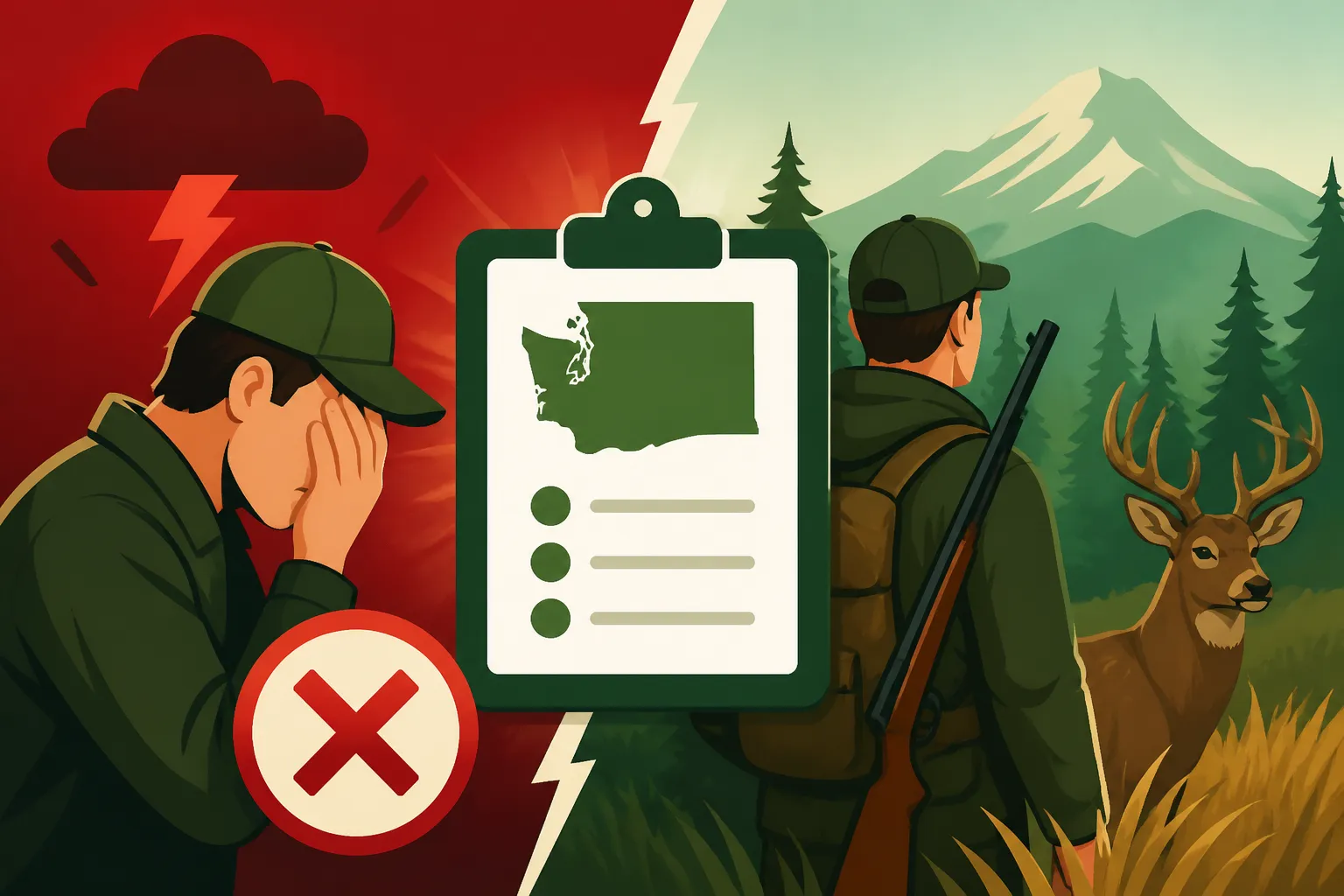
It's incredibly frustrating when you're juggling work, family, and the brief, precious moments you get to spend out in Washington's wild country, only to realize you might have overlooked a small but critical detail like a harvest report. We've all been there, staring at that calendar, a knot forming in our stomachs. This guide is here to walk you through exactly what happens if you miss that all-important deadline for your Washington Department of Fish and Wildlife (WDFW) harvest report, and more importantly, how to avoid those headaches entirely.
Why Harvest Reports Matter More Than You Think
You might think it's just a bureaucratic hoop to jump through, a checkbox on a long list of hunting regulations. But I'm here to tell you, as someone who’s been hunting these woods for decades, those harvest reports are the bedrock of wildlife management in Washington. They directly impact our hunting future.
The Data WDFW Uses and Why It's Crucial
Imagine trying to manage a household budget without knowing how much money is coming in or going out. That's essentially what WDFW faces if hunters don't report their harvest. Every single report, whether you punched a tag or came home empty-handed, feeds into a massive database. This data isn't just numbers on a spreadsheet; it's the intelligence WDFW uses to make critical decisions about our wildlife populations.
For instance, if WDFW sees consistently low harvest numbers for elk in a particular Game Management Unit (GMU), it might signal a declining herd, leading them to adjust tag allocations, shorten seasons, or implement other conservation measures. Conversely, high harvest numbers, especially coupled with robust survey data, can indicate a healthy, growing population, potentially opening up more opportunities for hunters. This data directly informs how they understand Washington Elk Herds and Where They Live or even something as specific as Washington Cougar Population and Density. Without accurate reporting, these critical assessments become guesswork, and when wildlife management relies on guesswork, everyone loses – especially the animals and the hunters who pursue them. It's how they keep tabs on the health of the deer and elk, plan for winter range, and assess impacts from things like predation or disease.
How Non-Compliance Affects Future Hunting Opportunities
It’s easy to feel like one missing report won't make a difference. But when a significant percentage of hunters fail to report, it creates gaps in the data that can lead to more conservative management decisions. If WDFW can't get a clear picture of what's being harvested, their default position often has to be caution, which can mean fewer tags, shorter seasons, or more restrictive hunting rules for everyone.
Think about it: if the state issues 1,000 elk tags in a unit but only 500 hunters report, WDFW doesn't know if the other 500 went unfilled, or if those hunters harvested an animal and simply didn't report it. This uncertainty makes it incredibly difficult to accurately set quotas for the following year. Consistent under-reporting might even lead the Fish and Wildlife Commission to believe a population is struggling more than it actually is, resulting in tighter regulations designed to protect a resource that might not actually need that level of protection. This directly impacts the availability of Washington General Season Versus Special Permit Hunts and the overall quality of our hunting experience. We owe it to ourselves, and to the wildlife, to provide that information.
The Specific Penalties for Missing Your Washington Harvest Report
Alright, let's get down to brass tacks. You missed the deadline. What actually happens? It’s not just a polite reminder letter; there are real, tangible consequences that can put a serious damper on your hunting plans for years to come.
Financial Penalties and Fines
The most immediate consequence for failing to submit a required harvest report in Washington is often a financial one. While the exact fine amount can vary and is subject to change based on Washington Administrative Code (WAC) and Revised Code of Washington (RCW) rulings, you can generally expect a fine in the neighborhood of $87 to $100 for a first offense. This is treated as a civil infraction, much like a parking ticket, but it's still money out of your pocket that could have gone towards new gear or gas for your next scouting trip.
It's important to understand that these fines aren't just arbitrary; they are codified to ensure compliance. Continued or intentional failure to report, or multiple infractions, could potentially lead to higher fines or even more severe penalties, although most initial missed reports fall into this basic fine category. This isn't WDFW trying to be punitive; it's an enforcement mechanism to ensure they get the vital data they need for sound wildlife management.
Suspension of Hunting Privileges
This is where things can get truly painful for a dedicated hunter. Beyond the financial slap on the wrist, failing to submit a harvest report can absolutely lead to a suspension of your hunting privileges. If you’re flagged for non-compliance, you could find yourself unable to purchase a hunting license or any big game tags for the upcoming season, or even for multiple seasons.
Imagine the frustration: you’ve been scouting all year, you have your heart set on applying for Washington Special Hunt Permits and How to Apply, or maybe you’re just looking forward to the general elk season, and then you discover you can’t buy your license because of an oversight from last year. This suspension means you're completely out of the game. Your name gets red-flagged in the WILD system, and until the infraction is cleared and any associated fines are paid, you're on the sidelines. For many of us, hunting isn't just a hobby; it's a way of life, and losing that privilege, even temporarily, is a tough pill to swallow. Don't let a forgotten report cost you a season in the woods.
Impact on Special Permit Applications
While Washington doesn't have a traditional preference point system that penalizes you for missed reports, failure to report can still absolutely impact your ability to draw highly coveted special permits. If you have outstanding infractions or unpaid fines associated with a missed harvest report, WDFW can block you from applying for special permits. You might go through all the effort of researching units, checking Washington Special Hunt Application Deadline, and selecting your four hunt choices, only to have your application rejected because of a past oversight.
Even if a specific penalty isn't explicitly tied to draw odds, the fact that you might be deemed ineligible to apply at all makes all your research and planning moot. Many hunters, myself included, rely on detailed data and planning tools like GoHunt to analyze draw odds and strategize for specific units. However, no amount of sophisticated planning can overcome being locked out of the application process because of an administrative error on your part. It's a harsh reminder that compliance with all regulations is the absolute first step in successful hunting, especially when it comes to the limited opportunities afforded by special permits. It means you could miss out on a once-in-a-lifetime hunt because of a preventable mistake.
Avoiding Penalties: How to Stay Compliant
The good news is that avoiding these penalties is entirely within your control. A little bit of proactive planning and understanding the process can save you a lot of grief and ensure you stay in good standing with WDFW.
Understanding the Reporting Deadline and Methods
The most critical piece of information is the deadline. For most big game, small game, turkey, and cougar tags in Washington, the harvest report deadline is January 31st of the year following the hunt. So, if you hunted in the fall of 2024, your report is due by January 31st, 2025. It’s a hard deadline, and WDFW is pretty firm on it.
Thankfully, reporting is pretty straightforward these days, thanks to technology. You have a few options:
- Online via the WILD System: This is by far the easiest and most recommended method. You simply log into your WDFW WILD account, navigate to your harvest reports section, and fill out the details for each tag. It walks you through it step-by-step:
- Go to the WDFW website.
- Click on "Buy License/Report Harvest" or navigate directly to the WILD system login.
- Log in using your WDFW Customer ID and last name, or other credentials.
- Once logged in, look for the "Harvest Reports" or "Report Harvest" tab.
- You'll see a list of all your tags for the previous season. Even if you didn't harvest an animal, you must report "no harvest" for each tag. This is crucial; Reporting an Unfilled Washington Tag is just as important as reporting a successful one.
- Follow the prompts to enter details like the GMU, date of harvest, sex of the animal, and weapon used.
- Submit the report for each tag. You'll usually get a confirmation email or screen. Keep a screenshot or the email for your records.
- By Mail: If you prefer the old-school route, you can mail in a paper harvest report. These are often attached to your physical tag or available for download from the WDFW website. Make sure to mail it well in advance of the deadline to account for postal service delays.
- At a License Vendor: While less common for reporting harvest, some license vendors may be able to assist with submitting reports, especially if you're already there to purchase a new license. However, the online system is designed to be self-service and is the most reliable way.
Always double-check that you've reported all your tags. Sometimes we get so focused on the elk or deer tag that we forget about a bear tag we bought "just in case" or a turkey tag that went unfilled. Every single one counts. For more detailed instructions, check out the main guide on Washington Harvest Reporting Requirements.
Utilizing Technology and Resources for Reminders
In our busy lives, relying solely on memory is a recipe for disaster. This is where modern tools can be your best friend.
- Digital Calendar Reminders: Set a recurring reminder in your phone or computer calendar for early January, giving you ample time before the January 31st deadline. Set it for the same day every year.
- Hunting Apps: Many popular hunting apps, such as those from GoHunt or onX Hunt, allow you to set custom reminders and store information about your tags. While GoHunt is excellent for scouting and draw odds, a savvy hunter can use it as part of a larger system to keep track of their season obligations, including reporting. They don't just help you find public land or understand unit boundaries; they can be integrated into your overall hunt management strategy.
- WDFW Email Alerts: Make sure your email address is up-to-date in your WILD account. WDFW often sends out reminder emails as the deadline approaches.
- Physical Notes: If you're old school, write it on your actual calendar or put a sticky note on your computer. Whatever works to jog your memory!
A simple check of your Checking Washington Results in a WILD Account can show you which reports are still outstanding. Make it a habit to log in and verify your compliance after each season.
What to Do If You Missed the Deadline (Retroactive Action)
Okay, so you’ve read all this, and that knot in your stomach is tightening because you know you missed it. Don't panic, but don't ignore it either. The absolute best course of action is to address it immediately.
- Report Immediately: Even if the deadline has passed, log into your WILD account and submit the overdue harvest reports as quickly as possible. While you might still incur a fine, taking prompt action demonstrates good faith and can sometimes influence the severity of further penalties.
- Contact WDFW Enforcement: If you're unsure how to proceed, or if the online system isn't allowing you to submit past the deadline, call WDFW's customer service or, even better, the Enforcement Program. Explain the situation honestly. They are often more understanding when hunters proactively try to rectify an oversight rather than waiting for a citation to show up. Be prepared to provide your Customer ID and details about the missed report.
- Pay Any Fines: If a fine is assessed, pay it promptly. Unpaid fines will only compound the problem and could further delay your ability to purchase licenses in the future.
While there are no guarantees, taking immediate, proactive steps shows responsibility and can sometimes lead to a more lenient outcome, especially if it's your first offense. But truly, prevention is the best medicine here.
Washington Harvest Reporting Requirements and Penalties at a Glance
| Requirement | Deadline (General) | Reporting Method(s) | Typical Penalty for Missing (First Offense) | Impact on Future Hunts |
|---|---|---|---|---|
| Big Game | January 31st (following season) | Online (WILD), Mail, Vendor | $87 – $100 fine | Possible suspension of hunting privileges, denied special permit applications |
| Small Game/Upland | January 31st (following season) | Online (WILD), Mail, Vendor | $87 – $100 fine | Possible suspension of hunting privileges, denied special permit applications |
| Turkey | January 31st (following season) | Online (WILD), Mail, Vendor | $87 – $100 fine | Possible suspension of hunting privileges, denied special permit applications |
| Cougar | January 31st (following season) | Online (WILD), Mail, Vendor | $87 – $100 fine | Possible suspension of hunting privileges, denied special permit applications |
| Report Unfilled Tags | January 31st (following season) | Online (WILD), Mail, Vendor | $87 – $100 fine | Possible suspension of hunting privileges, denied special permit applications |
It's clear that missing a harvest report in Washington isn't just a minor administrative lapse; it carries real consequences that can hit your wallet and, more painfully, restrict your ability to enjoy the hunting seasons we all cherish. By understanding the deadlines, utilizing modern tools for reminders, and knowing what steps to take if you do slip up, you can ensure you remain a compliant and respected member of Washington's hunting community, helping to preserve our wildlife resources for generations to come.
Disclaimer
Please remember that hunting regulations and penalty amounts can change. Always refer to the most current Washington Department of Fish and Wildlife (WDFW) hunting pamphlets and official WDFW website for the most accurate and up-to-date information regarding harvest reporting requirements and penalties. This guide provides general information and should not be considered legal advice.