Washington Moose in the Selkirks
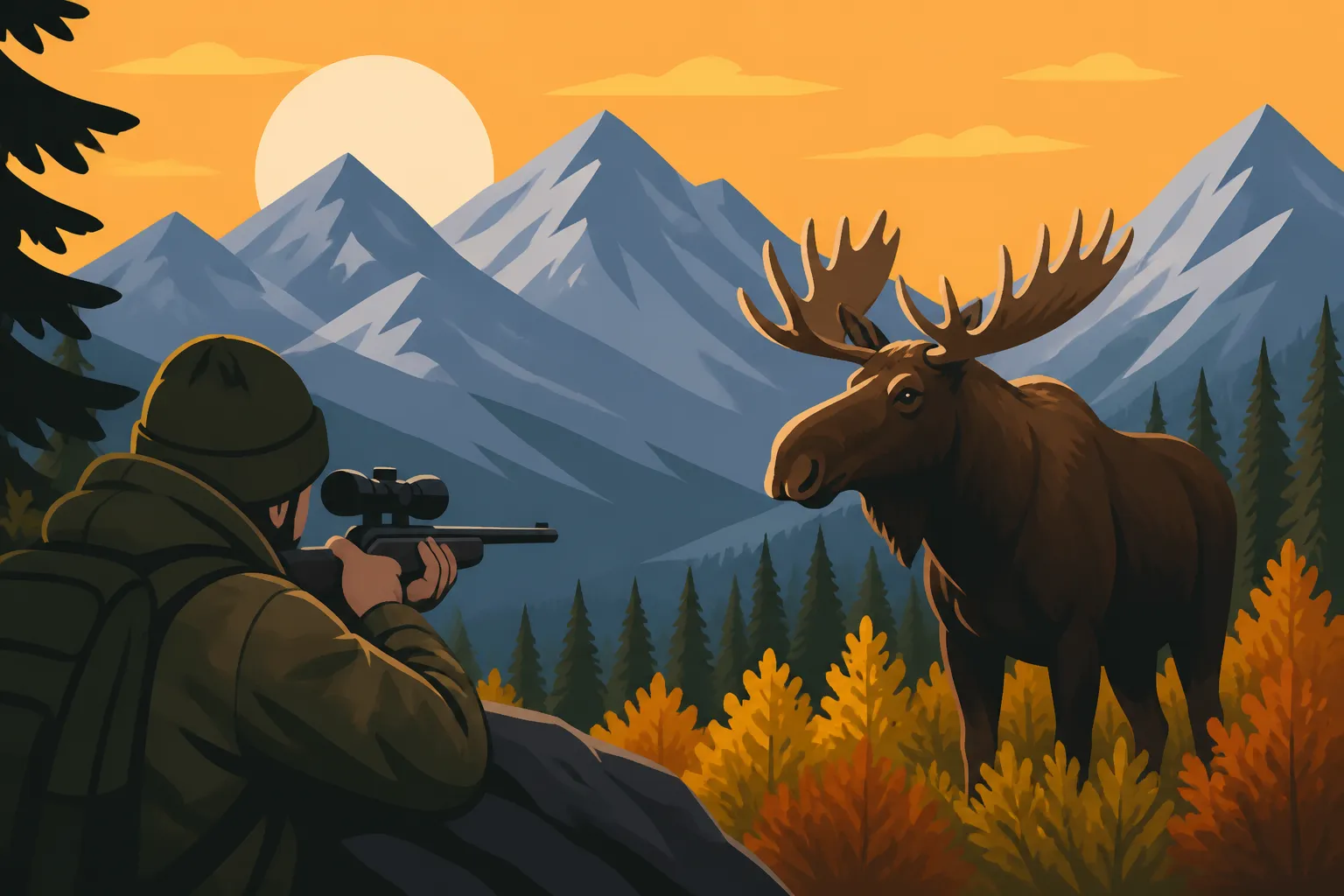
There's something truly mythical about moose in Washington State. For most hunters, these majestic giants are the stuff of distant dreams, rarely seen and even more rarely hunted. The sheer difficulty of drawing a permit, combined with the often rugged and remote habitat they call home, can make pursuing a Washington moose feel like an insurmountable challenge. But if you're willing to put in the effort, understanding the unique world of Washington's Selkirk moose herd is your first step toward an unforgettable experience. This guide aims to pull back the curtain on these incredible animals, offering a deep dive into their lives, habitats, and how you might just get lucky enough to chase one.
Understanding Washington's Moose Population in the Selkirks
The Selkirk Mountains of northeastern Washington are a special place, harboring the state's largest and most robust moose population. Unlike the transient moose sightings in other parts of the state, the Selkirks offer a stable, growing herd that represents the pinnacle of Washington moose hunting. But what makes this region so ideal for them, and how does WDFW manage such a precious resource?
The Unique Environment of the Selkirk Mountains
The Selkirk Mountains are part of a larger range that stretches into British Columbia and Idaho, creating a continuous, wild landscape that moose thrive in. This area is characterized by dense coniferous forests, particularly grand fir, western red cedar, and western hemlock, which provide critical cover and browse. Interspersed are numerous wetlands, bogs, and willow-lined creek bottoms—the quintessential moose cafeteria. These lowland areas, rich in aquatic vegetation and palatable shrubs, are magnets for moose, especially during the warmer months when they seek to cool down and pack on calories. The topography itself, with its mix of steep slopes, gentle valleys, and abundant water, creates a mosaic of habitats perfect for these large ungulates. It’s a stark contrast to the drier, more open country that defines much of Eastern Washington, making it truly distinct.
Population Trends and Management Challenges
Washington's moose population has been on an upward trend for several decades, a genuine conservation success story, with the Selkirk herd leading the charge. From what I've gathered through state reports and recent observations, the population in the Selkirks has steadily grown, allowing WDFW to offer a limited number of special permits each year. This growth, however, isn't without its challenges. Moose are highly susceptible to factors like winter tick infestations, climate change impacting their preferred cool, wet habitats, and habitat fragmentation from development or logging. WDFW actively monitors herd health, tracking calf survival rates and adult mortality, to ensure sustainable management. This data directly influences the number of permits issued, making the availability of a tag a direct reflection of the herd's well-being. Keeping tabs on herd health helps ensure that future generations will also have the opportunity to experience the thrill of a Selkirk moose hunt.
How the Selkirk Herd Differs from Other US Moose
Washington's moose are primarily Shiras moose, a subspecies known for being slightly smaller than their Alaskan or Canadian counterparts, but no less impressive. What sets the Selkirk herd apart, particularly from smaller, more scattered populations in places like northeastern Idaho or northwestern Montana, is its sheer density and contiguous habitat. The international border here is largely irrelevant to a moose, allowing for genetic exchange and population stability across a wider region. Unlike the highly migratory elk herds that might travel vast distances, Selkirk moose tend to stick to relatively smaller home ranges, influenced more by seasonal food availability and breeding cycles. This localized behavior means that understanding specific drainages and their unique features becomes paramount for a successful hunt. The consistent presence of high-quality forage and refuge also means these animals are often in prime physical condition, producing impressive antlers that are highly sought after by hunters.
Habitat and Behavior of Selkirk Moose
To truly hunt Selkirk moose effectively, you need to think like a moose. This means understanding their day-to-day needs for food, water, and shelter, and how these needs change throughout the year. Their behavior is largely dictated by their massive size and the energy required to sustain it, especially in varying temperatures.
Preferred Forage and Seasonal Movements
Moose are browsers, not grazers, meaning they prefer to eat leaves, twigs, and bark from trees and shrubs rather than grasses. In the Selkirks, their diet is incredibly varied. During spring and summer, they gorge on lush aquatic vegetation found in bogs, ponds, and slow-moving streams, which are packed with essential minerals and easily digestible. Willows are an absolute favorite, providing both browse and cover along watercourses. As fall progresses, they shift to consuming more woody browse from aspen, dogwood, serviceberry, and young conifers like fir and hemlock. Their seasonal movements are generally tied to these food sources. They’ll gravitate towards wetland areas in summer to take advantage of the abundant greenery and escape the heat, then move to areas with dense conifer cover during winter, which offers both thermal protection and a consistent food supply. Understanding these shifts is crucial; you won't find them in the same spots year-round. They move to where the grocery store is open.
Water Sources and Thermoregulation Needs
Given their massive body size and dark coloration, moose are incredibly susceptible to overheating, especially during Washington's warmer months. This makes access to water not just a convenience, but a critical survival factor. They will spend significant time wading or even submerging themselves in ponds, lakes, and rivers, both to cool down and to feed on aquatic plants. The dense canopy cover provided by the Selkirk's mature forests also offers crucial shade, allowing them to escape direct sunlight. Look for areas where these two elements combine: thick timber right up against a beaver pond or a meandering creek. These are often prime bedding and feeding areas, particularly during the middle of the day. A smart hunter pays close attention to how water features and thermal cover are intertwined. You might find some excellent insights into this kind of habitat analysis by reviewing resources on E-Scouting a Washington GMU From Home, which can help pinpoint these key features before you even set foot in the woods.
Breeding Season and Calving Areas
The rut for Selkirk moose typically peaks in late September and early October, a time of intense activity as bulls actively seek out cows. Bulls will become more vocal and aggressive, often scraping their antlers on trees and creating wallows. During this period, both sexes can be found more readily in open timber or forest edges as they move to find mates. Cows, after a gestation period of about eight months, typically give birth to one or two calves in late May or early June. These calving areas are chosen for their dense cover and proximity to water and nutrient-rich forage, offering protection from predators like bears and wolves. Such areas are often secluded, boggy patches deep within the forest or on islands in larger wetlands. While these times aren't typically hunting seasons for moose in Washington, understanding these cycles helps paint a complete picture of their behavior and where they spend their lives, which can still inform your scouting and hunting strategies for other species, or for future moose draw success.
Finding Moose in the Selkirk Mountains
Drawing a tag for a Washington moose hunt is an achievement in itself, but the real work begins when you need to actually locate one of these elusive creatures in their vast habitat. The Selkirks are rugged, and moose, despite their size, are masters of camouflage in their dense forest home.
Key Areas and Access Points
The most consistent moose presence in Washington's Selkirk Mountains can be found in Pend Oreille County, particularly in units like 117 (Mt. Spokane) and parts of 121 (Selkirk) and 124 (Mount Spokane). These areas offer the best combination of suitable habitat, historical moose activity, and access. Access often involves a mix of well-maintained forest service roads, DNR roads, and older logging spurs that may be overgrown or closed to vehicles. Getting around often means utilizing a good map, like those found on tools such as GoHunt, and being prepared to walk extensive distances. Some of the best moose habitat is often behind gates or requires significant hiking into roadless areas. Consider that the deepest, wettest pockets of timber and riparian zones, especially those with minimal human disturbance, are frequently moose strongholds. You might also find them in recent timber harvest areas where new, palatable browse is regenerating, though they'll often stay close to older, protective cover.
Reading Moose Sign and Identifying Prime Habitat
Moose sign can be quite distinct once you know what to look for. Their large, cloven hooves leave impressive tracks, sometimes up to six inches long, often found in muddy or boggy areas near water. Look for extensive browsing on willow, aspen, or young conifers, characterized by frayed branch ends where they've ripped off vegetation (deer and elk make much cleaner cuts). Droppings are typically large, oval pellets, often found in piles. In the fall, rub trees where bulls have scraped their antlers are a clear indicator of moose activity. They'll choose small trees or shrubs, often leaving behind bark scuff marks and broken branches. Identifying prime habitat means looking for a combination of dense thermal cover (conifer stands), ample water sources (bogs, streams, ponds), and abundant browse. This often means focusing on north-facing slopes in summer for coolness and south-facing slopes in winter for sun exposure, alongside those critical riparian zones. For those interested in more detail on how these elements play out seasonally, looking into Washington Winter Range Closures That End Late Hunts can offer perspective on critical seasonal movements and habitat use.
The Role of E-Scouting and Local Knowledge
In today's hunting world, e-scouting has become an invaluable tool, especially for species like moose where physical scouting can be incredibly time-consuming and arduous. Using satellite imagery and topographical maps, you can identify potential moose hot spots from your living room. Look for concentrations of water features, dense timber, and open regeneration. Platforms like GoHunt offer layered maps that can show public/private land boundaries, historical fire data, and even vegetation types, helping you narrow down areas of interest. Combine this with local knowledge if you can; talk to WDFW biologists, forest service personnel, or local residents. They might offer clues about historical moose movements or areas known for good habitat. Don't underestimate the value of searching forums and online communities; sometimes, a subtle hint can unlock a puzzle piece. Downloading GPS Units Versus Phone Apps for offline map access is crucial, as cell service is often non-existent in these remote areas. While e-scouting can point you in the right direction, nothing replaces boots on the ground to confirm sign and scout specific access routes.
Washington's Moose Permit System
Hunting moose in Washington isn't about general season tags; it's exclusively managed through a highly competitive special permit system. This means applying annually and hoping your name is drawn from thousands of applicants for a very limited number of tags.
The Rarity and Value of a Selkirk Moose Tag
A Washington moose tag, particularly for the Selkirk units, is one of the most coveted big game permits in the Lower 48. These hunts are truly once-in-a-lifetime experiences for most hunters, given the abysmal draw odds. Each year, WDFW issues only a handful of permits for bull moose, and even fewer for antlerless moose, across the state's designated moose areas. The Selkirks typically receive the lion's share due to their healthy population. The value of this tag isn't just in the opportunity to harvest a magnificent animal, but in the unique adventure and challenge it presents. It often takes decades of applying for many hunters to draw one, underscoring its rarity. This makes extensive preparation and understanding the application process incredibly important. For further reading on this, review the details on Washington Moose Permit Numbers and Washington Moose Draw Odds to fully grasp the scale of the challenge.
Application Process and Draw Odds
Applying for a Washington moose permit requires navigating the WDFW special permit application system. The application window typically opens in April and closes in May, so mark your calendars well in advance. You'll need to purchase a hunting license first, and then apply for specific moose hunts, ranking your choices by GMU and weapon type (though moose hunts are generally modern firearm). There's a non-refundable application fee for each species you apply for. Unfortunately, Washington does not use a preference point system for its special permits; it's a true random draw. This means every applicant, regardless of how many years they've applied, has an equal chance each year, which can be both frustrating and exhilarating. Researching draw odds is critical, and resources like GoHunt often compile historical data, allowing you to compare the likelihood of drawing a tag in different units. While the odds are always stacked against you, consistent application is the only way to eventually pull that golden ticket. You can learn more about the specifics in Washington Moose Permit Applications.
| Year | Total Moose Permits Issued (Selkirks) | Total Moose Applicants (Statewide) | Estimated Draw Odds (Selkirk Bull) |
|---|---|---|---|
| 2021 | 15 | 10,000+ | <0.2% |
| 2022 | 18 | 11,000+ | <0.2% |
| 2023 | 20 | 12,500+ | <0.2% |
| 2024 | 22 | 13,000+ (estimated) | <0.2% |
Note: Data for Selkirk permits is an approximation based on typical WDFW allocations. Statewide applicant numbers reflect all moose applicants, not just for Selkirk units.
Understanding Once-in-a-Lifetime Rules
Washington's moose permits fall under the "once-in-a-lifetime" rule for successful applicants. This means if you are fortunate enough to draw and harvest a moose in Washington, you cannot apply for another moose permit in the state ever again. This rule is in place to give as many hunters as possible the opportunity to experience this unique hunt, given the limited number of animals and tags available. It emphasizes the extraordinary nature of drawing a moose permit and highlights the conservation-minded approach WDFW takes to managing these species. This also means if you do draw, you need to make the absolute most of your opportunity through meticulous scouting, preparation, and careful execution. For more context on these restrictions, refer to Once-in-a-Lifetime Species in Washington. It’s a significant investment of time and resources, so planning every detail becomes even more paramount.
Ethical Hunting Practices and Conservation
Hunting a moose in Washington's Selkirk Mountains is more than just about pulling a trigger; it’s an immersive experience that carries a profound responsibility. Ethical practices and a commitment to conservation are paramount to preserving this incredible resource for future generations.
Minimizing Impact and Respecting the Ecosystem
Hunting in the remote and often pristine Selkirk environment demands a strong commitment to Leave No Trace principles. This means packing out everything you pack in, being mindful of your impact on trails and vegetation, and avoiding disturbance to sensitive habitats, especially wetlands and riparian zones. When venturing into roadless areas, consider the implications of your travel method. While Washington Wilderness Rules on Motorized Carts are clear about prohibiting motorized vehicles in designated wilderness, extending that courtesy to other sensitive backcountry areas helps maintain the wild character that moose thrive in. Be respectful of other users of the land, whether they are hikers, campers, or other hunters. Your behavior reflects on the entire hunting community. By acting as stewards of the land, we ensure that hunting remains a valued and respected conservation tool.
Moose Meat Care and Trophy Preservation
Successfully harvesting a moose is a tremendous accomplishment, but the work is far from over. Given the sheer size of these animals, proper field dressing and meat care are critical, especially if hunting in warmer early fall conditions. Moose meat is incredibly lean and delicious, and preserving its quality is a top priority. The gutless method is often preferred for moose, allowing you to quarter the animal and begin cooling the meat quickly without having to flip the entire carcass. Having quality game bags is essential to protect the meat from dirt, flies, and debris. Once quartered, getting the meat cooled rapidly is key. This might involve hanging it in the shade, or even in a cold stream if conditions allow. If you're fortunate enough to harvest a bull with impressive antlers, proper caping and skull preparation are crucial for preserving the trophy. This usually means a careful incision pattern for taxidermy and getting the skull cap to a reputable processor quickly. For comprehensive advice on this, check out resources on Field Dressing in Warm Early-Season Weather and Quartering and Packing an Elk Solo – many of the principles apply directly to moose, just on a larger scale.
Contributing to Moose Conservation Efforts
Every hunter who draws a Washington moose tag becomes an active participant in moose conservation. Harvest reporting is not just a legal requirement but a vital source of data for WDFW biologists. This information helps them understand harvest success rates, animal health, and population dynamics, which in turn informs future management decisions and permit allocations. Beyond direct hunting, supporting organizations that advocate for habitat preservation and wildlife research also contributes to moose conservation. This might include donating to groups focused on maintaining healthy forest ecosystems in the Selkirks, or participating in volunteer efforts to improve wildlife habitat. By being informed, responsible hunters, we ensure that Washington's moose herds continue to thrive, offering these extraordinary opportunities for generations to come.
Disclaimer
Please note that hunting regulations, seasons, and permit requirements are subject to change. Always consult the most current Washington Department of Fish and Wildlife (WDFW) regulations pamphlet and official website before planning any hunting activity. This guide is for informational purposes only and does not supersede state laws or regulations.